March Equinox Reading 2020

Counter Narative's avatarCounter Narrative Astrology

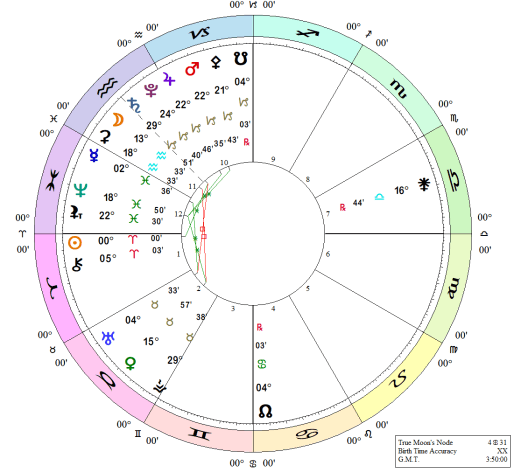
March is one huge deal of a month and truly the mark of some significant endings and beginnings taking place. The Equinox falls on the 19th as the Sun enters Aries and comes into a conjunction with Chiron, squaring the Nodes. This comet so named after the Greek centaur is a both a symbol of suffering and strength, where healing abilities coexist with a wound that must be endured, and perhaps, eventually dissolved.

Chiron in Aries indicates a kind of collective identity crisis is taking place and that as awareness of the issues at hand and what is behind them begins to grow, so does a collective sense of anger and uprising. And maybe that’s what needs to happen, in order to set some very twisted things straight on this planet. A conflict lies between self-preservation and greed, and this not only entails the masses but the power elite…

View original post 504 more words
The Essence of Ginger

Crooked Bear Creek Organic Herbs's avatarCrooked Bear Creek Organic Herbs

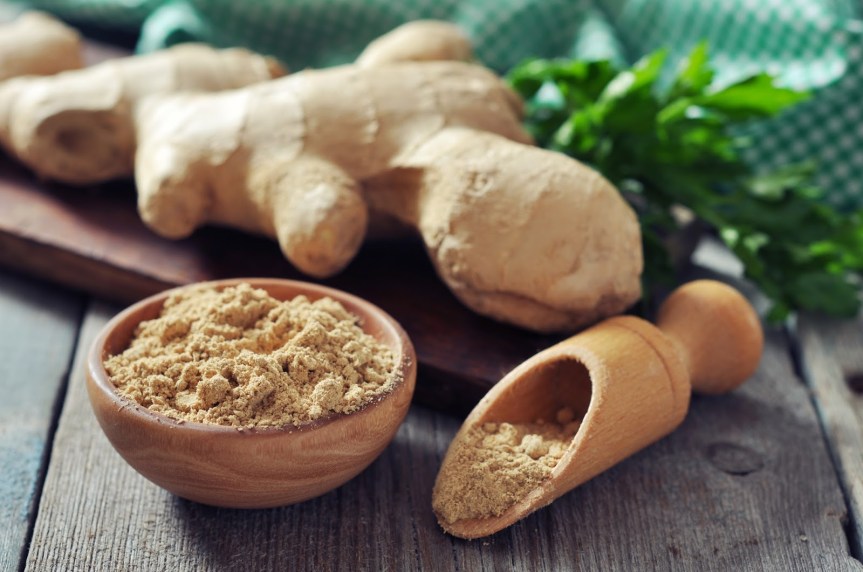
No modern medication can rival the range and variety of therapeutic effects that can be induced by ginger. However, the full awareness of the health benefits and value of the herbal ginger remedies is rather limited because of the monopolistic health-care systems and a historically biased regulatory environment in most countries. Out of the hundreds of species in the plant family Zingiberaceae, the ginger remains the most famous and popular herb. Ginger is a rhizome, according to the correct botanical classification, though the underground stem of the ginger is often mistaken to be a root. Many different varieties of the ginger herb exist in the wild and in cultivation, these varieties range from mild to spicy in taste, and all of them require tropical conditions and fertile soils to grow at an optimal rate. The ginger herb has traveled out from Southeast Asia to the new world, over a period…

View original post 3,891 more words

Tea Tree Oil: Benefits, Uses

Crooked Bear Creek Organic Herbs's avatarCrooked Bear Creek Organic Herbs

From antiseptic mouthwash to natural deodorant, tea tree oil is an essential oil with a multitude of uses and benefits. It tends to be pale yellow or colorless, with an aroma that is similar to eucalyptus or camphor and boasts antibacterial, antiprotozoal, antiviral, anti-inflammatory and antifungal properties. Here’s a deep-dive into all that it can do.

What Is Tea Tree Oil?

Tea tree oil is distilled from the leaves of an evergreen shrub called Melaleuca alternifolia. The plant is native to Australia and used by Aboriginal people for cleaning wounds and other skin problems.

Benefits of Tea Tree Oil

Tea tree oil has a 100-year history as a natural remedy. The Bundjalung Aboriginal people would crush the leaves to create a paste to apply to the skin. They also made tea from the leaves to soothe a sore throat.

Amazing Antibacterial Properties

The antibacterial properties of tea tree oil have been studied since…

View original post 4,488 more words

Suggested Herbal Supports for Influenza/Influenza-Like Illness in the Event of a Pandemic | The Science and Art of Herbalism

Crooked Bear Creek Organic Herbs's avatarCrooked Bear Creek Organic Herbs

Compiled By: Lora Krall, Nurse Herbalist

With the recent incidence of seasonal influenza on the rise and the additional concern of possible coronavirus infections, the need for a list of possible options to support those who may become ill with these respiratory viruses is essential.  This list is by no means complete but is designed to offer the herbalist a list of options in order to support those of a specific disadvantage due to (race, socioeconomic conditions, isolation, gender, ethnicity, etc..), in situations of possible limited availability of certain plant preparations and to expand the list of options for those in your care.  In the event of a pandemic, herbalists will be KEY supports to our communities.  It is wise to be prepared.

Additionally, none of these herbal suggestions are meant to be sole support for someone who is ill.  In order for herbs to really support the body, some…

View original post 3,088 more words

Taking a Breath: Spiritual Care for Intense Times

Dana's avatarThe Druid's Garden

To say that this hasn’t been an easy week for anyone in North America, Europe or in many places around the globe is an understatement. Between what is happening in work life, school life, and political life, the situation is difficult to navigate.  I’ve talked to many friends and family who are feeling overwhelmed, lost, panicked, and fearful about the near future. So today’s post is about taking a breath.  Its times like these that I am thankful for my druid practice, thankful for the healing nature provides, and thankful for the lessons of spirit.  Let’s take a breather today, now, in this space and time, and talk through a few spiritual self-care practices that can help in times of high stress, anxiety, and intensity.  I have three kinds of suggestions that have helped me get through this week–embracing nature, embracing spiritual practices, and embracing the bardic arts.

Embrace Nature

View original post 1,324 more words

A Powerful Stimulant For Body And Mind: Sage Oil

Crooked Bear Creek Organic Herbs's avatarCrooked Bear Creek Organic Herbs

Native to the southern European and Mediterranean regions, the Sage herb was highly valued in both the ancient Greek and Roman societies, which considered it to be sacred. For centuries, it has been believed that Sage had the ability to grant a longer life, and in China, it was traditionally used as a remedy for addressing infertility and symptoms of menopause. According to historical records, in some communities, the Sage herb also had culinary applications and was used as a preservative for foods such as meats. The oil of the Sage herb was also considered to be beneficial for both the mind and the body, hence it was used to quicken the senses by addressing negative emotions, such as sadness, and shifting them into positive moods, such as the sense of courage. It was believed that Sage Oil had a positive influence on the individual’s inner lifeforce, thus it was…

View original post 2,677 more words

Rosemary, “Remember Me”

Crooked Bear Creek Organic Herbs's avatarGood Witches Homestead

The Illustrated Herbiary Collectible Box Set: Guidance and Rituals from 36 Bewitching Botanicals; Includes Hardcover Book, Deluxe Oracle Card Set, and Carrying Pouch (Wild Wisdom)

Rosemary is the smell of deja vu and the after-breath of nostalgia. Her gift is the faint scent that teases and vanishes, leaving you longing for something you can’t quite name, with memories that crest and crash, pulling you gasping into their undertow.

In Victorian times Rosemary was said to say, “Remember me.” This is but a small part of her magic. Rosemary can ease remembrance, softening sharp edges, or she can dredge the distant past, pulling on your DNA to bring forward the longings of lineage. Crush the leaves. Hold them to your nose. The past is encoded into our cellular memory. Rosemary whispers, Sink into the knowledge that lives in your bones. Let memory rise up from the body of your being.

rosemary maia toll

Honoring…

View original post 2,323 more words

A Natural Antibiotic: Thyme Oil

Crooked Bear Creek Organic Herbs's avatarCrooked Bear Creek Organic Herbs

I originally posted this article a few years ago when my husband became extremely ill with MRSA he had contracted from the apartment complex we manage. I feel that with the current situation at hand with the COVID-19 outbreak this post about thyme oil is appropriate.

A Natural Antibiotic: Thyme Oil

Superbugs like methicillin-resistant Staphylococcus aureus {MRSA} are on the rise and, unfortunately, are becoming resistant to the drugs used to treat them. When faced with a microbial infection, using natural antibacterial agents may not only be more effective but also safe and risk-free.

Apart from using spices like garlic, I recommend you try essential oils derived from herbs like thyme oil. Not only do they have antibacterial properties, but they also provide a number of health benefits. Before I go into thyme oil’s antimicrobial functions, let me share some information on the essential oil.

What Is Thyme Oil?

Oil of…

View original post 2,602 more words

Early Season Scouting For Morel Mushrooms

Greetings!

Few sights are more enticing to the spring mushroom hunter than a morel mushroom.

So beloved is this iconic fungus that annual festivals are held in its honor, earrings are crafted in its image, and two babies per one million born are given its name.

Morels, more so than any other fungus, and for reasons both known and unknown, have come to epitomize spring mushroom hunting.

In anticipation of the long-awaited morel mushroom season, I thought I would head to the woods early to scout out potential hot-spots.  While doing so, I decided to document the experience and discuss some of the conditions I’ll be looking for in a few weeks.

If you are interested in tagging along with me as I explore several different habitats for these highly prized — yet oftentimes elusive — fungi, check out the brand new video!


I was a recent guest on the Publicly Challenged podcast hosted by Lucas Oswald.  In this conversation, we discuss foraging for mushrooms, hunting for meat, the value of older mentors, what’s going on behind the camera, and much more.  Here are a few ways to listen:

Thanks for reading and watching… and as always, thank you for your support!

-Adam Haritan

How to Make Elderberry Syrup — Richo’s Blog

According to herbalists, Elderberry syrup is a great preventive for colds and flus, an antiviral (helps prevent viruses from replicating) and immune stimulant. European Black Elderberries (Sambucus nigra) are the best type to use. Here is a simple recipe for making the syrup at home: 1) Use one cup (appx 100g) of dried black elderberries.…

via How to Make Elderberry Syrup — Richo’s Blog