Essential Oils and Flower Essences

Crooked Bear Creek Organic Herbs's avatarGood Witches Homestead

Essential oils and flower essences bestow a concentrated dose of plant energy.
In most cases, however, you may want to work with the whole plant. You may find that if you wish to work with a particular plant, you’re obligated to grow it yourself. This may be for a variety of reasons.
* Some plants are rare to an area. You may need to nurture some indoors or order from a specialist nursery.
* What you desire may not be marketable: the alchemists treasured fresh morning dew caught upon the leaves of lady’s mantle. They called it “water from heaven” and prized it as an ingredient in many enchanted potions. If you want some {and you very well might; it’s reputed to provide a beautiful complexion!}, you’ll have to grow it and gather it yourself.
* In some cases, it’s best to have your own fresh stock of plants, to…

View original post 1,612 more words
Starting Plants: Grow Your Own Vegetable Garden Transplants

Crooked Bear Creek Organic Herbs's avatarCrooked Bear Creek Organic Herbs

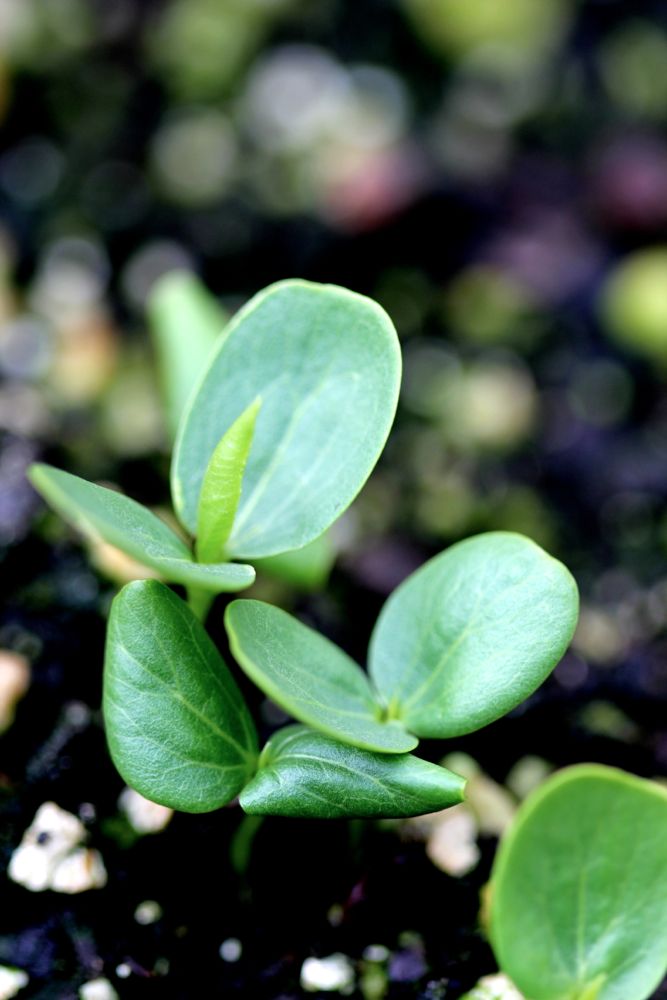
Some plants can be started indoors early in the season, before soil and air temperatures are warm enough to plant outdoors. From a seed-starting perspective, most of our common vegetable plants fall into one of three categories.

  • Don’t do well direct-seeded outdoors – these plants seem to do better if they are started in a controlled environment. The reasons may include poor germination rates or too short of a growing season. Plants that fall into this category include tomatoes, peppers, eggplant, pumpkins, winter squash, onions, Brussels sprouts, gourds, and melons.
  • Do okay either started indoors or direct-seeded – these plants could be done either way. Some plants have a short enough growing season that even though they can be started indoors, the economics of doing it don’t justify the time and expense. Plants that fall into this category are peas, beans, corn, cabbage, broccoli, cauliflower, summer squash, spinach, Swiss chard…

View original post 569 more words

Starting Your Seeds Indoors This Winter

Crooked Bear Creek Organic Herbs's avatarCrooked Bear Creek Organic Herbs

Expert answers to your herb-growing questions.

Q.  This year I want to grow some of my herb plants from seeds. What are the steps to starting seeds over the winter?

A.  Seed starting is like baking bread- you need the right mix of ingredients, the right temperature, and viable yeast. In the case of seed starting, the ingredient list includes a lightweight growing medium and containers for planting. Provide the right temperature with a warm greenhouse or sunny window; and seeds, of course, are the viable catalyst.

Use a commercial potting mix or seedling mix for the growing medium. Choose from egg cartons, yogurt cups, flats of six-cell packs or small pots when it comes to containers. {Note: Fiber- or peat-based pots should be soaked well before adding soil.} Like yeast, seeds have a limited life, be sure the seeds are fresh or packaged for the upcoming growing season for…

View original post 630 more words

Food as Medicine: Pear (Pyrus communis and P. pyrifolia, Rosaceae)

Crooked Bear Creek Organic Herbs's avatarCrooked Bear Creek Organic Herbs

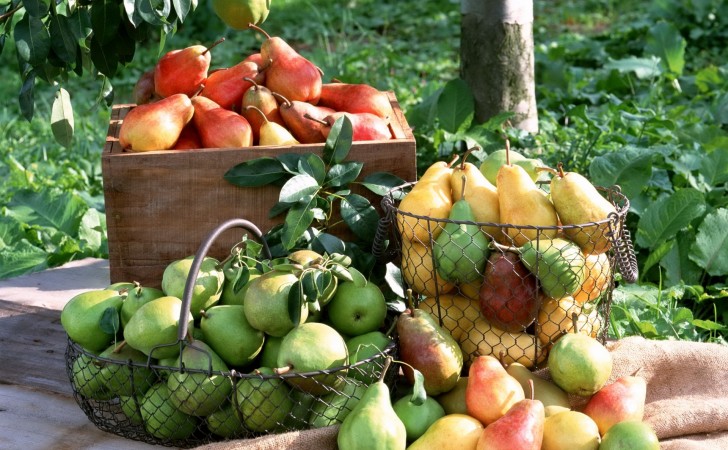
The genus Pyrus consists of 30 deciduous species and is closely related to the genus Malus, which includes apples (Malus spp.). Both genera are part of the economically important Rosaceae family.1,2 Similar to apples, Pyrus fruits are classified as pomes, where the seeds are contained in a central, compartmentalized core.3 The Pyrus genus is native to Europe, Asia, the Middle East, and North Africa.Capable of living for more than 250 years, the pear tree is one of the longest-living fruit trees.1 Cultivated pears are derived from one or two wild pear species widely distributed in Europe and western Asia.2 Of the 5,000 varieties cultivated worldwide, the two species grown commercially are the European pear (P. communis) with its juicy, aromatic, bell-shaped fruit, and the Asian pear (P. pyrifolia) with its crisp and crunchy, apple-like shape and texture.1,2,

The…

View original post 3,242 more words

A Seed Starting Ritual for Nourishment, Connection, and Relationship

Dana's avatarThe Druid's Garden

All of the potential and possibility of the world is present in a single seed.  That seed has the ability to grow, to flourish, to produce fruit and flowers, to offer nutrition, magic, and strength.  Seed starting offers us a chance to connect deeply with the seeds we plant, and to , from the very beginning, establish and maintain sacred relationships with our plant allies. Seed starting is a truely magical druidic practice, and in today’s post, I want to talk a bit about the magic of seed staring and share a simple ritual that you can do to bless your seeds as you plant them. Some of my earlier posts on seed starting can be found here (a general philosophy of seeds from a druidic perspective) and here (recycled materials for seed starting).

Seeds coming up! Seeds coming up!

One of the most important parts of a druid practice, in my opinion…

View original post 2,045 more words

Discipline

Primrose; The Flower of February

Crooked Bear Creek Organic Herbs's avatarGood Witches Homestead

COMMON NAME:  primrose
GENUS:  Primula
SPECIES, HYBRIDS, CULTIVARS:
P. denticulata-lavender, purple, or white flowers; grows to 12 inches. P. japonica ‘Millar Crimson’-flowers whorled around 24-inch stem; blooms May-June. P. polyanthus-best known; colors are red, pink, blue, gold, and white, all with small yellow eyes.
FAMILY:  Primulaceae
BLOOMS:  spring
TYPE:  perennial
DESCRIPTION:  Primroses form an attractive rosette of crinkly, light green leaves. The flowers are generally brightly colored and occur in tight bundles on individual stems above the leaves.
CULTIVATION:  Needing partial shade, primroses thrive in well-drained, rich soil. They are indigenous to cool, moist meadows and woodland environments  Duplicating these conditions as closely as possible will create the best growing conditions for primroses. The soil should not be allowed to dry completely. To retain vigorously blooming plants, divide clumps every four to five years. Seeds should be sown in midsummer for bloom the following spring.

Primrose is beloved…

View original post 705 more words

Energy Work: Calling Down Energy

Energy Work: Energy Breathing

Energy Work: Grounding