
Herbs for Your Windowsill

Crooked Bear Creek Organic Herbs's avatarCrooked Bear Creek Organic Herbs

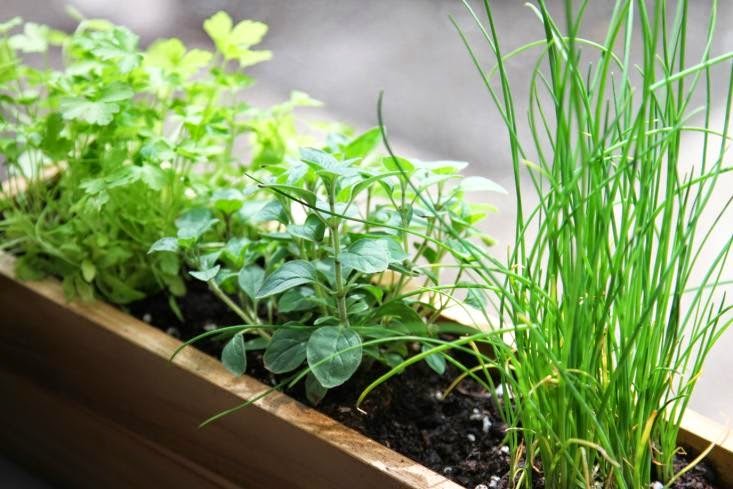
Like the idea of growing your own medicinal plants? Look no further than your windowsill or patio garden for these four standbys of ours: lemon balm, sage thyme, and peppermint. These herbs are familiar to us from grandma’s recipes and as lyrics in songs, but they may be less familiar as medicine. Lemon balm, also known as “hearts delight” and the “gladdening” herb, has long been treasured for its ability to soothe the nerves and uplift the spirit. An old Arabian proverb says that “balm makes the heart merry and joyful.” From ancient times, though, sage was used for digestive troubles, heartburn, depression, and even dementia. Thyme is excellent for treating sore throats and bronchitis. Make thyme tea with honey to soothe those colds and coughs. And women listen up, for bloating and digestive issues associated with our monthly cycle thyme is an excellent soother and diuretic. Another great herb for digestion…

View original post 305 more words

Herbal Bouquets for Mother’s Day – Traditional Medicinals

Crooked Bear Creek Organic Herbs's avatarGood Witches Homestead

In the English and European Victorian era, gifting herbs and flowers were used to relay secret messages. When you received a flower bouquet, you would sit down with your dictionary and try to decipher what it meant; honeysuckle for devotion, aster for patience, and roses for love.  Fast forward to modern times, important life milestones like births, graduations, buying a new home, and career changes are almost always accompanied by flower gifts. While today it’s not our first choice of communication, a flower bouquet can make a lovely homemade and eco-friendly gift for just about anyone in your life, and can certainly contain an intention.

Plants and floral bouquets have a long-standing tradition as Mother’s Day gifts, and with good reason. There’s a simple and well-understood joy that comes from a vibrant and beautiful bouquet on the kitchen table. We have all felt it, botanical bliss; it’s like a type…

View original post 439 more words

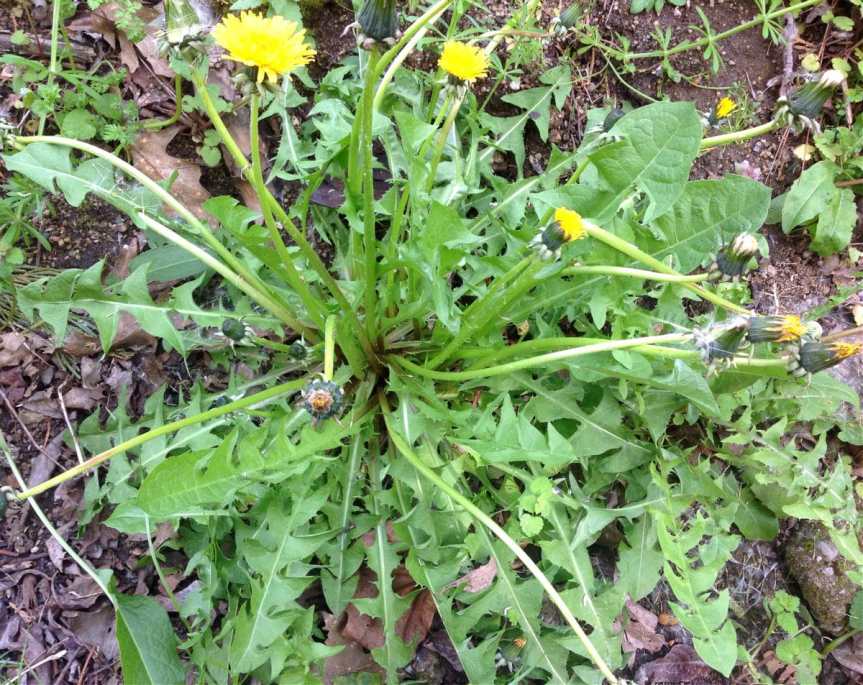
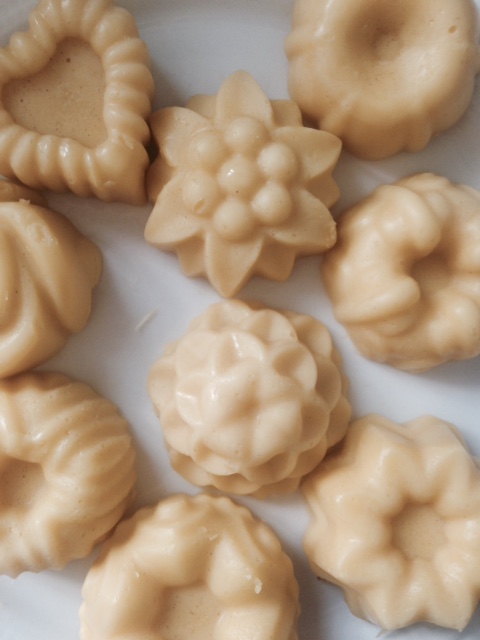
Dandelion Lotion Bars

Happy Spring

Crooked Bear Creek Organic Herbs's avatarGood Witches Homestead

Plants are expressing their life force as they emerge from the soil to meet the light.

Aphrodisiac Honey – to give you Spring Fever!
Honey – 1 quart, local raw wildflower or buckwheat honey
Red Roses – 1/2 cup
Orange blossoms – 1/2 cup
Blood Orange peels – 1/4 cup
Tangerine peels – 1/4 cup
Vanilla bean – 1 bean cut open and scraped, include all parts
Dark Cacao powder – 2 tablespoons, sweetened or unsweetened
Cinnamon powder – 1 teaspoon
*Red Pepper flakes – a pinch
*optional
These amounts are approximate suggestions, adjust to suit your taste.
Put all (or some if you can’t get all) of the dried herbs into a quart jar and cover with the honey.
Stir and wait as long as you can! It will be good in a day, and get even better as it ages!
Six weeks? Six months? Your call! You can…

View original post 3,002 more words

Drinking in Spring: Red Flowering Currant Elixir — Gather Victoria

Right now in my back garden, a Red Flowering Currant Bush (Ribes sanguineum) is in full radiant bloom. Her drooping clusters of “soul-piercing pink flowers” are sending out an entrancing floral, fruity and spicy perfume. Which is probably one reason ethnobotanist and author Abe Lloyd describes the blossoms as “capable of transforming winter sodden pessimists…

via Drinking in Spring: Red Flowering Currant Elixir — Gather Victoria

Benefits of Organic Blue Tea – Butterfly Pea or Asian Pigeonwing

Crooked Bear Creek Organic Herbs's avatarGood Witches Homestead

Native to South-East Asia and India is the butterfly blue pea, a beautiful cerulean floral creation, which has been an important ingredient of traditional medicine in this part of the world since the era of ancient civilizations. For a flower, to have endured through several centuries is indeed credible and what is more noteworthy is the fact that its importance remains undiminished and unaffected by the passage of time. There could only one explanation for this continued sustenance – the natural presence of curative and therapeutic attributes that easily transit into lukewarm water like its color and can be consumed as such.Blue tea in a white teacup and loose leaf tea surrounding the cup from top view

Amongst the several exotic beverages that are prepared with the butterfly blue pea flowers, one of the simplest as also the most appealing is organic blue tea. In the phrase ‘organic blue tea’, while the word ‘blue’ owes its presence to the color that is typical of the…

View original post 2,439 more words

WILDCRAFTING: GETTING TO THE ROOT OF OUR ETHOS

Crooked Bear Creek Organic Herbs's avatarGood Witches Homestead

Botany & Wildcrafting Course by Herbal Academy

We use the terms “wildcrafted” and “wild-harvested” when describing products. Specifically, this term refers to the aromatics – the essential oil scent blends that transport you to another place, another time and bring the mountains into your home.

Wildcrafting is not some trendy thing. In fact, humans have been wildcrafting since we could walk. The term, however, is new to our industry and to the vocabulary of consumers. Let’s explore what wildcrafting means to us.

Wildcrafting is the practice of harvesting things in the wild for our use. Whether that comes in the form of decorative art (think bones, branches, grasses), wild foods (think mushrooms, berries, nuts), medicinal herbs, or aromatics, wildcrafting is done for pleasure, necessity and tradition by some peoples and to our great benefit.

In our case, we harvest aromatic ingredients to scent our bath, body and home products. Wildcrafting helps us absorb the beauty of nature…

View original post 663 more words

Native foods including rare strains of corn, beans and squash making a comeback

Druidry for the 21st Century: Plant-Based Spiritual Supplies and Global Demand

Dana's avatarThe Druid's Garden

Can you even imagine druidry without plants or trees?  Plants and trees are some of our strongest allies for the work that we do, and are often connected to almost everything that we do spiritually. Plant spirits are teachers, guides, and allies.  From before we had recorded history in any culture, the plant spirits were there, growing with us, guiding us, healing us, and supporting us on our journey. Today’s modern druid practice continues that tradition: we burn plants for smoke cleansing, clearing, and helping to energize spaces. We use trees as part of divination and sacred rites. We use plants as healers, for magical healing and physical healing, and to connect with on deep levels.  Plants have long been friends of humans–and have long walked beside us, hand in hand, as we do our sacred work.  And today, we’ll explore ways we can offer that same kind of honor…

View original post 3,203 more words

Aromatic Herb for March; Spring Herb: Cicely {Myrrhis odorata}

Crooked Bear Creek Organic Herbs's avatarGood Witches Homestead

Also, Known As:

  • Anise Fern
  • British Myrrh
  • Cicely
  • Cow Chervil
  • Garden Myrrh
  • Shepherd’s Needle
  • Smooth Cicely
  • Sweet Bracken
  • Sweet Chervil
  • Sweet Cicely
  • Sweet Myrrh

The plant called the sweet cicely is a hardy and robust herb. The cicely is an aromatic perennial herb indigenous to the mountainous areas of Europe and Asian Russia – growing originally only in these regions. The cicely when fully mature can reach 0.6 to 0.9 m or 2 to 3 feet in height. Sweet cicely is one of the first herbs that come up when spring arrives; the sweet cicely is a pretty plant and makes a beautiful backdrop to a perennial border in mountainous regions where it grows.

In older times, people would usually grow this old cottage garden perennial at a site near the door to the kitchen. The site would be chosen so that the pretty divided fern-like leaves could be easily…

View original post 1,473 more words