Dandelions with Bacon or Ham Recipe

Sheryl's avatarA Hundred Years Ago

Each Spring a primordial urge pulls me out of the house –paring knife and bowl in hand– to the weedy natural area at the far edge of my yard. Luscious green dandelion plants peek through the brown leaf-covered grass. The winter has been long and hard, and I desperately need to renew myself. The tender foraged greens are my spring tonic (as they were for my parents and grandparents).

People traditionally ate a very limited selection of foods during the late winter months, and often they were nutrient-deprived by April. Their bodies told them they needed the vitamins, minerals, and antioxidants provided by the emerging dandelion leaves.

Since I’m a dandelion connoisseur (Is it possible to be a connoisseur of weeds?) , I was thrilled to find a hundred-year-old recipe for Dandelion with Ham or Bacon.

I made the ham version. The ham bits nicely balanced the slight bitterness of…

View original post 76 more words

Drinking in Spring: Red Flowering Currant Elixir — Gather Victoria

Right now in my back garden, a Red Flowering Currant Bush (Ribes sanguineum) is in full radiant bloom. Her drooping clusters of “soul-piercing pink flowers” are sending out an entrancing floral, fruity and spicy perfume. Which is probably one reason ethnobotanist and author Abe Lloyd describes the blossoms as “capable of transforming winter sodden pessimists…

via Drinking in Spring: Red Flowering Currant Elixir — Gather Victoria

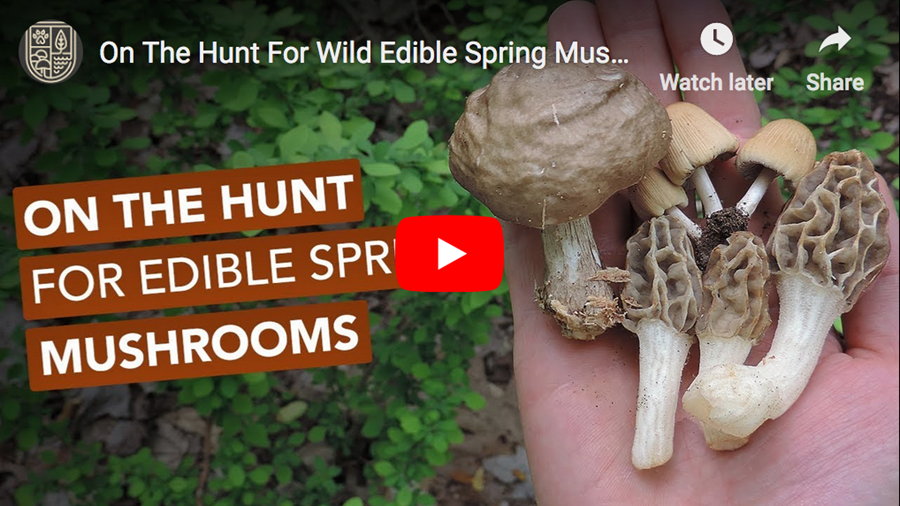
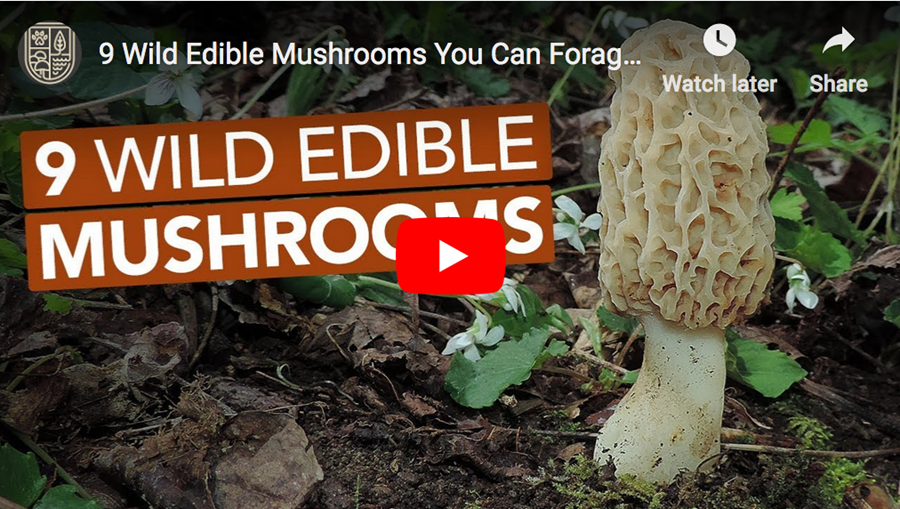
Here Are 9 Wild Edible Mushrooms You Can Forage This Spring!

Greetings!

Before I introduce the new video, I want to let you know that I’ll be an instructor at the upcoming Blue Hills Forager’s Gathering along with Samuel Thayer and Melissa Price (Forager’s Harvest) and Ellen Zachos (Backyard Forager).  This event will take place the weekend of May 17-19th in Bruce, Wisconsin.

The Blue Hills Forager’s Gathering will focus on gathering and preparing meals from food we forage together during the weekend classes and walks, and people of all skill levels are welcome to attend.

If you’re interested in learning more about gathering and preparing wild edibles — all while spending time with an incredible group of nature enthusiasts! — you can find out more information here:

Blue Hills Forager’s Gathering

And now on to this week’s brand new video.

I’ll bet I’m not the only one who’s excited that spring is finally here.  There’s something about budding trees, budding plants, and budding mushrooms that brings immense pleasure to those of us very accustomed to months of cold and darkness.

To celebrate the birth of another growing season, I thought I’d film a list of 9 wild mushrooms that you can forage during the spring months.  These mushrooms are edible, they’re tasty, and they might soon be popping up in your neck of the woods.

Some of these species can be quite elusive, and if you want to learn some tips on where to find them, check out the brand new video!

In addition to fungi, spring ephemeral wildflowers are blooming!  Pictured here is a rare species that’s among the first to flower near my home, and it’s a plant I look forward to seeing every spring.  Have you seen Snow Trillium?  Check out this recent Instagram post to learn more!

Thanks for reading and watching… and as always, thank you for your support!

-Adam Haritan

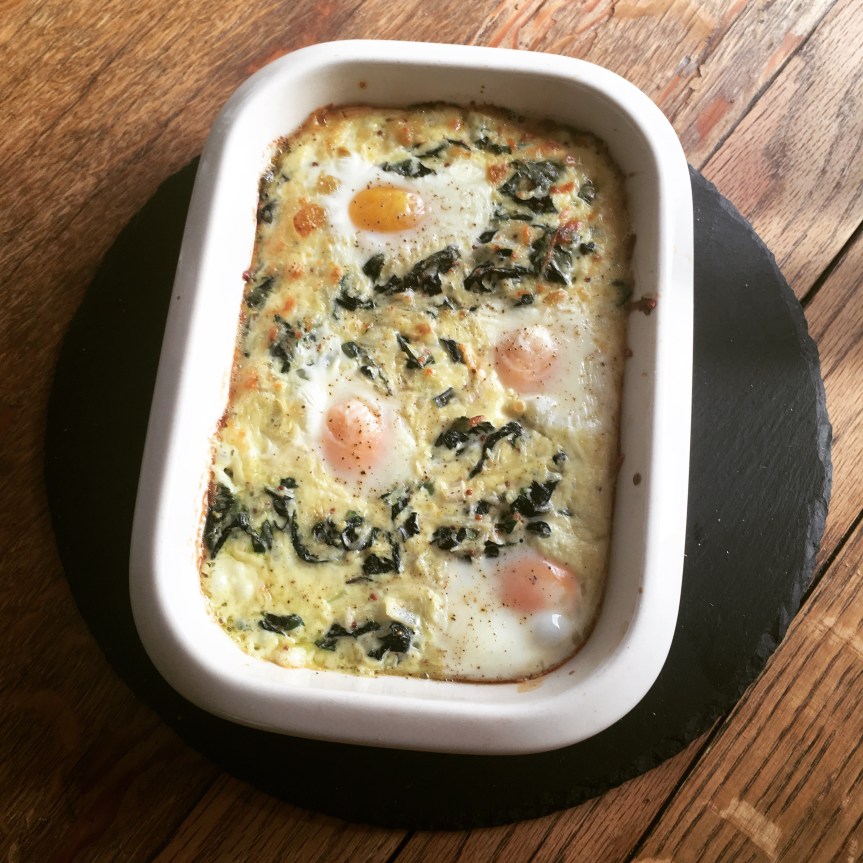
Baked Eggs with Wild Garlic

WILDCRAFTING: GETTING TO THE ROOT OF OUR ETHOS

Crooked Bear Creek Organic Herbs's avatarGood Witches Homestead

Botany & Wildcrafting Course by Herbal Academy

We use the terms “wildcrafted” and “wild-harvested” when describing products. Specifically, this term refers to the aromatics – the essential oil scent blends that transport you to another place, another time and bring the mountains into your home.

Wildcrafting is not some trendy thing. In fact, humans have been wildcrafting since we could walk. The term, however, is new to our industry and to the vocabulary of consumers. Let’s explore what wildcrafting means to us.

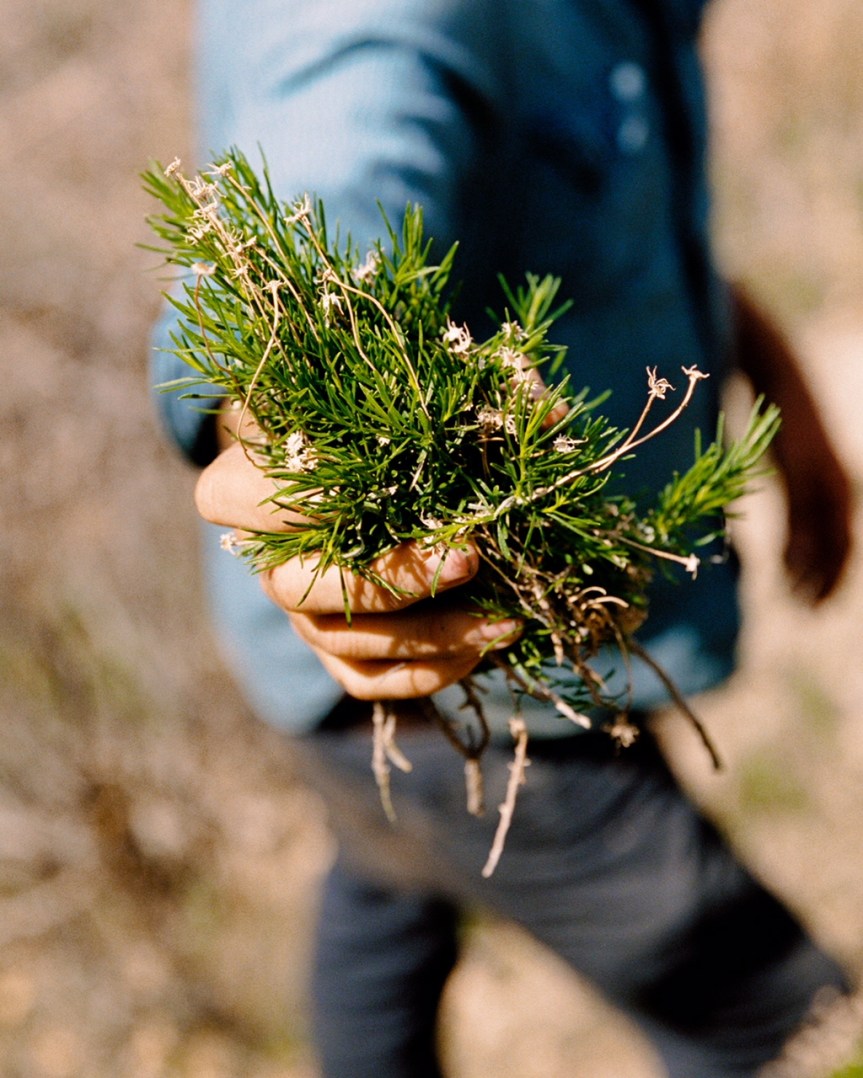
Wildcrafting is the practice of harvesting things in the wild for our use. Whether that comes in the form of decorative art (think bones, branches, grasses), wild foods (think mushrooms, berries, nuts), medicinal herbs, or aromatics, wildcrafting is done for pleasure, necessity and tradition by some peoples and to our great benefit.

In our case, we harvest aromatic ingredients to scent our bath, body and home products. Wildcrafting helps us absorb the beauty of nature…

View original post 663 more words

Druidry for the 21st Century: Plant-Based Spiritual Supplies and Global Demand

Dana's avatarThe Druid's Garden

Can you even imagine druidry without plants or trees?  Plants and trees are some of our strongest allies for the work that we do, and are often connected to almost everything that we do spiritually. Plant spirits are teachers, guides, and allies.  From before we had recorded history in any culture, the plant spirits were there, growing with us, guiding us, healing us, and supporting us on our journey. Today’s modern druid practice continues that tradition: we burn plants for smoke cleansing, clearing, and helping to energize spaces. We use trees as part of divination and sacred rites. We use plants as healers, for magical healing and physical healing, and to connect with on deep levels.  Plants have long been friends of humans–and have long walked beside us, hand in hand, as we do our sacred work.  And today, we’ll explore ways we can offer that same kind of honor…

View original post 3,203 more words

Medicinal and Culinary Uses for the Shy Violet

Crooked Bear Creek Organic Herbs's avatarCrooked Bear Creek Organic Herbs

While violets’ delicate blossoms are a treat only for the observant, the plant has enjoyed a long history of medicinal and culinary use.

Leigh Hunt, an English Romantic essayist, and poet is the first known author of the phrase “shrinking violet.” In 1820, he published a passage describing a bit of woodland in The Indicator, a poetry magazine: “There was the buttercup, struggling from a white to a dirty yellow; and a faint-colored poppy; and here and there by the thorny underwood a shrinking violet.”

Hunt was almost certainly referring to the native English, or sweet, violet (Viola odorata). This shy plant can often go unremarked underfoot, and it carries its small, slightly recurved flowers level with or just below its leaves. The phrase “shrinking violet” took a few decades to catch on — but when it did, it spread rapidly, much as its parent plant does…

View original post 1,865 more words

Foraging & Cooking with Ornamental Purple Plum Blossom: Spring Floral Confections — Gather Victoria

For me, the heady sweet almond-like fragrance of the Ornamental Purple Plum is the very essence of spring. Standing beneath their sensual pink and rose flower-laden branches on a sun-warmed afternoon is an absolutely swoon-worthy experience. Sadly underutilized as a culinary ingredient, plum blossom has a unique scent and flavour which infuses beautifully in cream,…

via Foraging & Cooking with Ornamental Purple Plum Blossom: Spring Floral Confections — Gather Victoria

Manzanita Tree Medicine

I love this tree. It’s an all purpose tree with beautiful wood for woodworking and fragrant in campfires and bar-b-ques.

Do You Recognize This Poisonous Plant?

Greetings!

Before I share this week’s video with you, I wanted to provide a quick update regarding the online mushroom foraging video course.  If you’re unaware, I’ve been very busy creating an extensive course designed to teach the necessary skills involved in confidently and successfully foraging wild mushrooms through every season.  The entire course will be available online, and it will feature over 60 brand new instructional videos with guided lessons on:

  • Mushroom ecology
  • Mushroom biology
  • Fungal taxonomy
  • Edible mushrooms
  • Poisonous mushrooms
  • Medicinal mushrooms and extraction techniques
  • Cooking wild mushrooms
  • Mushroom hunting resources

… and lots more.

This project has been a labor of intense love for the past two years and I’m really excited to share it with you!  Registration is set to be open early May, and the best way to stay up-to-date with the release of this course is to continue checking these emails.  Updates will also be posted to the Learn Your Land website shortly.

And now on to this week’s video!

During a recent walk through the woods, I was happy to unexpectedly see a particular medicinal plant whose winter buds and twigs I enjoy.  Upon closer inspection, I realized that not all the buds and twigs in front of me belonged to this medicinal species.

Instead, many shoots around my desired plant actually belonged to a poisonous species.

Luckily, I left the woods unscathed, though I thought I’d film the situation for anyone interested in safely foraging wild medicinal plants.

Do you recognize this poisonous plant?  Check out the brand new video to learn more!

I recently had the pleasure of being interviewed by Sam Sycamore from the Good Life Revival Podcast.  In this interview, we talk about the intersection of health and nature connection, the benefits of knowing how to read the land, and lots more!  You can listen and download the interview here.

Thanks for reading, watching, and/or listening… and as always, thank you for your support!

-Adam Haritan

See more of Adam’s videos at: Learn You Land