For me, the heady sweet almond-like fragrance of the Ornamental Purple Plum is the very essence of spring. Standing beneath their sensual pink and rose flower-laden branches on a sun-warmed afternoon is an absolutely swoon-worthy experience. Sadly underutilized as a culinary ingredient, plum blossom has a unique scent and flavour which infuses beautifully in cream,…
Before I share this week’s video with you, I wanted to provide a quick update regarding the online mushroom foraging video course. If you’re unaware, I’ve been very busy creating an extensive course designed to teach the necessary skills involved in confidently and successfully foraging wild mushrooms through every season. The entire course will be available online, and it will feature over 60 brand new instructional videos with guided lessons on:
Mushroom ecology
Mushroom biology
Fungal taxonomy
Edible mushrooms
Poisonous mushrooms
Medicinal mushrooms and extraction techniques
Cooking wild mushrooms
Mushroom hunting resources
… and lots more.
This project has been a labor of intense love for the past two years and I’m really excited to share it with you! Registration is set to be open early May, and the best way to stay up-to-date with the release of this course is to continue checking these emails. Updates will also be posted to the Learn Your Land website shortly.
And now on to this week’s video!
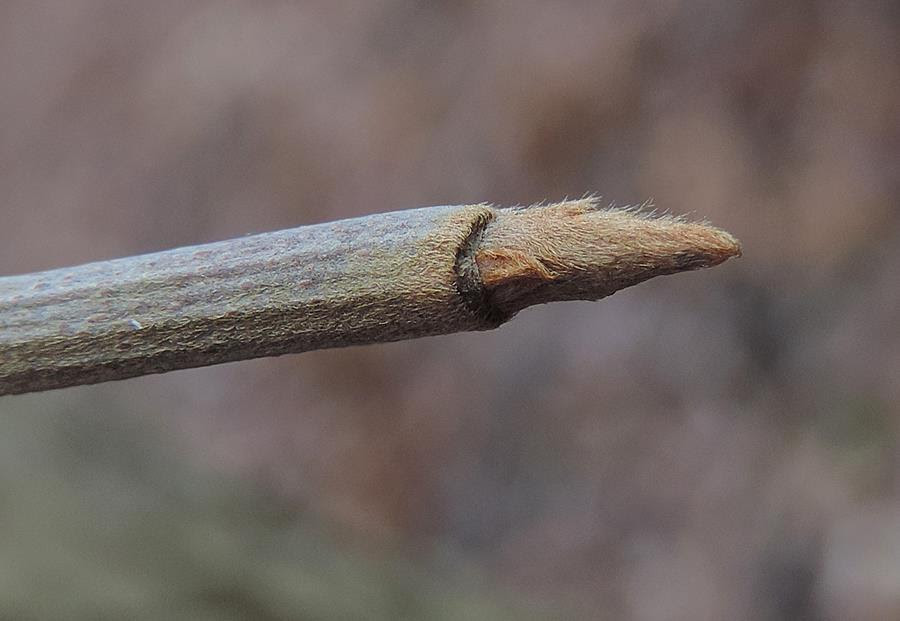
During a recent walk through the woods, I was happy to unexpectedly see a particular medicinal plant whose winter buds and twigs I enjoy. Upon closer inspection, I realized that not all the buds and twigs in front of me belonged to this medicinal species.
Instead, many shoots around my desired plant actually belonged to a poisonous species.
Luckily, I left the woods unscathed, though I thought I’d film the situation for anyone interested in safely foraging wild medicinal plants.
Do you recognize this poisonous plant? Check out the brand new video to learn more!
I recently had the pleasure of being interviewed by Sam Sycamore from the Good Life Revival Podcast. In this interview, we talk about the intersection of health and nature connection, the benefits of knowing how to read the land, and lots more! You can listen and download the interview here.
Classifying wild mushrooms as edible or not edible isn’t as straightforward as one may think. Confusing matters even more, the labels edible and poisonous aren’t always clearly defined either.
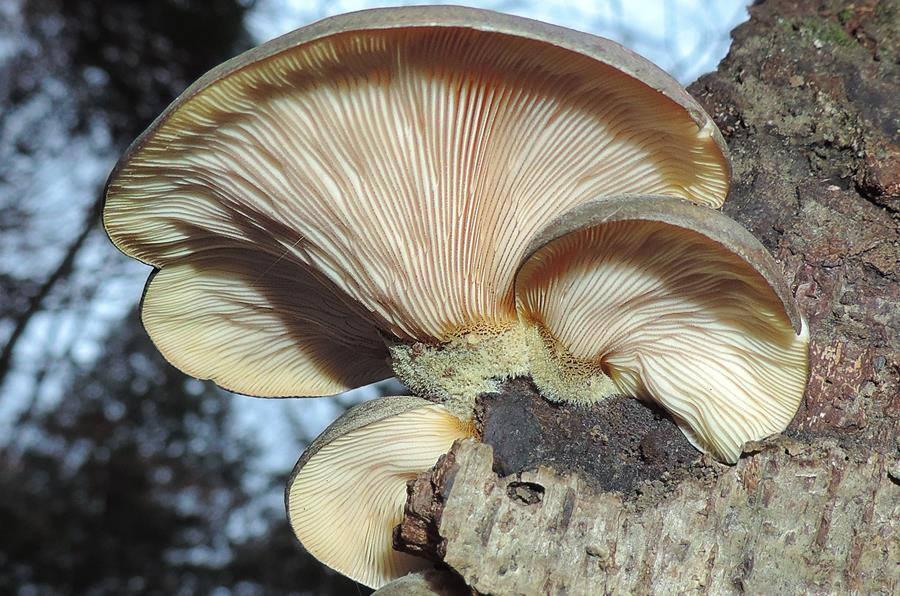
Take the mushroom pictured above, for example.
Its name is the Late Fall Oyster, and this wild mushroom is listed in many field guides as edible. It’s no surprise, then, that countless hungry mushroom enthusiasts forage and eat the Late Fall Oyster every year.
However, if you do a little digging around online, you’ll eventually encounter the warning that the Late Fall Oyster is potentially carcinogenic. Consequently, many people recommend against eating this fungus due to the possibility that it may contain cancer-causing compounds.
I’ve heard both sides of the story, and having eaten the Late Fall Oyster in the past, I was recently inspired to discover any “truth” to this issue. After a little bit of work and research, I received some answers.
If you’d like to learn more about the controversial status regarding the Late Fall Oyster’s edibility, check out the brand new video!
If you love Eastern Skunk Cabbage, thank a fungus! It may not seem obvious, though fungi contribute immensely to the health and success of wetland habitats. To learn more about this intimate relationship between two very different organisms, check out the recent Instagram post!
In my neck of the woods, January is certainly not the most prolific month in terms of wild edible mushrooms. Snow-covered soil and freezing temperatures aren’t very conducive to ample mushroom activity.
Lately, however, conditions around here have been quite different.
The ground is devoid of snow and temperatures have been mild. As a result, our wild woody decomposers — in particular, the fungi that feed on trees — continue to thrive.
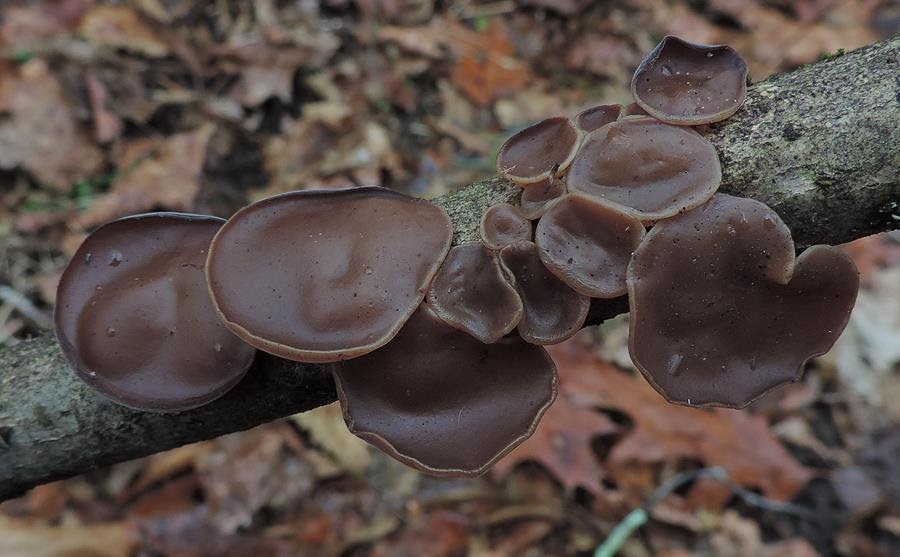
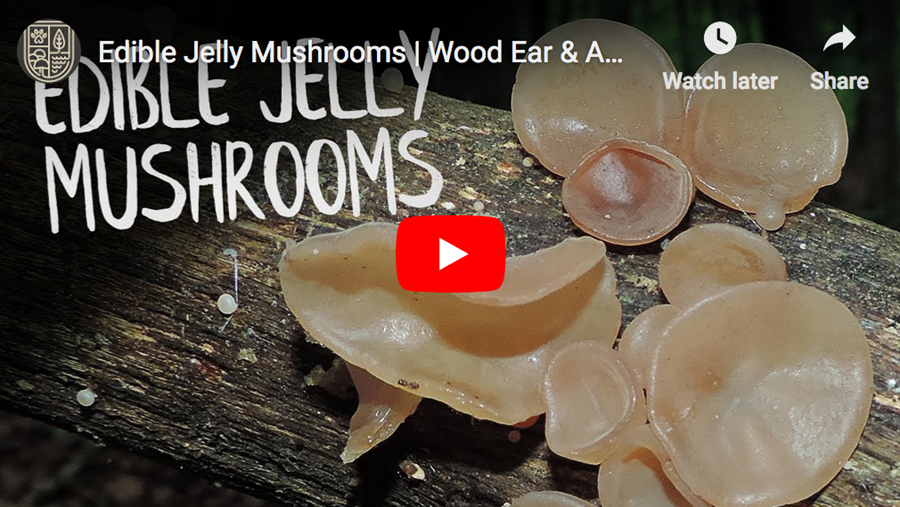
Chief among these winter woody decomposers are our jelly fungi. These mushrooms are unique in that their fruiting bodies can persist for months on a stick, log, or stump in a dehydrated or frozen state… only to rebound during a winter rain or warm spell.
Two fascinating jelly fungi that flourish during the winter season include the world-famous Wood Ear (popular in soup recipes) and the Amber Jelly Roll (a close look-alike). Both mushrooms are edible and both are often found in abundance… even amongst snow and freezing temperatures.
If you’re interested in foraging these two enticing jelly fungi this weekend (and perhaps all winter long), check out the brand new video!
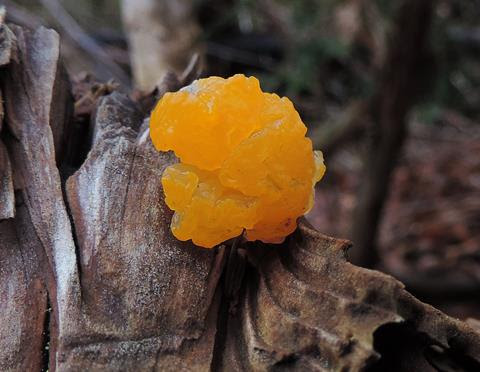
Speaking of edible gelatinous mushrooms, the Orange Jelly Fungus is another common component of the winter forest. Though I don’t feature this species in the aforementioned video, I do discuss its key features in a recent Instagram post. Check it out!
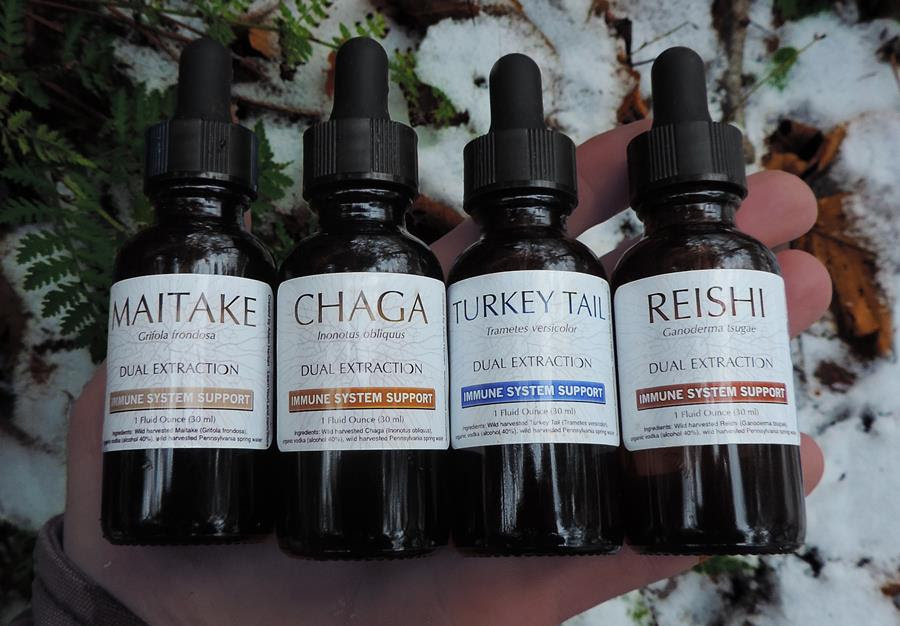
First, I want to say “thank you!” to everyone who purchased a medicinal mushroom tincture last week during the online sale. I didn’t expect this to happen so quickly, though I sold out of my entire inventory and no longer have any products in stock. If you’re interested in purchasing medicinal mushroom tinctures, I will have more available toward the end of January.
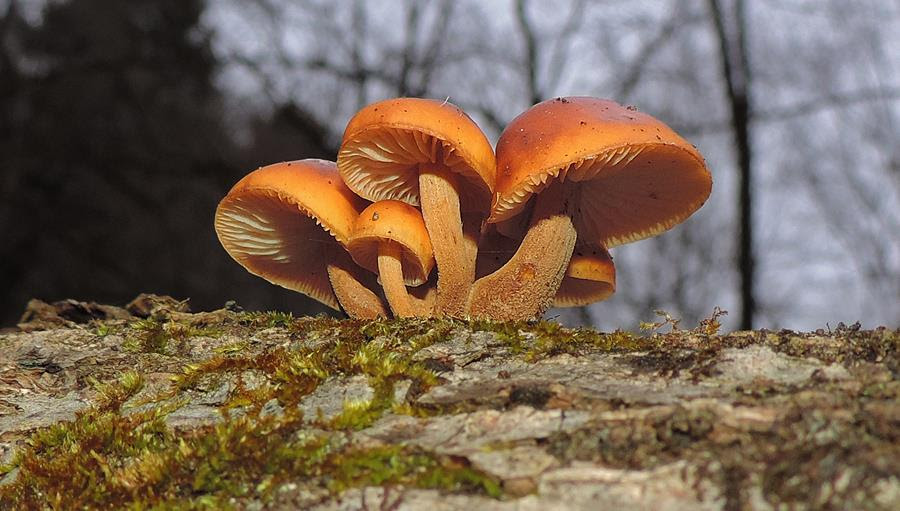
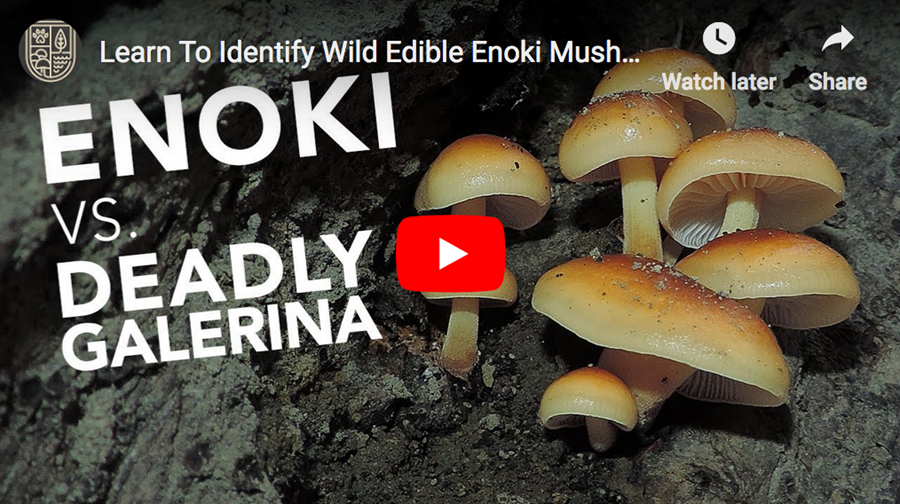
Second, let’s talk about Enoki — a wild edible mushroom you can forage during the coldest months of the year. This fungus, also known as Enokitake and Velvet Foot, is often overlooked in the wild due to its smaller size. Interestingly, Enoki is cultivated on a commercial scale and can also be purchased in many grocery stores.
Before you begin your search for wild Enoki mushrooms, however, there’s one thing you should know.
Enoki is not the easiest mushroom to positively identify. It resembles several other LBMs (little brown mushrooms) that grow in similar habitats during similar seasons. To make matters a bit riskier, some of these LBMs are very toxic.
In this new video, I share some tips on positively identifying the wild Enoki mushroom. I also compare and contrast this species to the Deadly Galerina — a poisonous LBM that could be confused for the edible Enoki mushroom.
If you’re interested in safely and confidently harvesting wild edible mushrooms this winter season, check out the brand new video!
Have you seen any brightly colored fungi recently? Plenty, including Mock Oysters, can be found even during the remaining days of autumn. Check out this recent Instagram post to learn more!Click to view post
Thanks for reading and watching, and as always, thank you for your support!
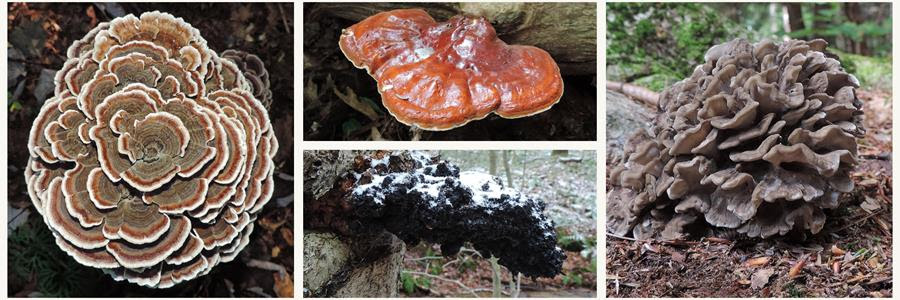
It’s no surprise that I love finding, researching, and discussing medicinal mushrooms. Plenty of research suggests that these wild fungi demonstrate powerful anti-cancer, anti-inflammatory, and anti-viral effects, and many experts consider them to be top candidates for immune-system support.
Here’s what the research says:
A 2012 study from ISRN Oncology found that the Turkey Tail mushroom significantly improved the immune systems of breast cancer patients following conventional treatment.
The Chaga fungus is one of the richest sources of betulinic acid, a compound that has been shown to exhibit anti-bacterial, anti-viral, anti-inflammatory, anti-HIV, anti-malaria, and antioxidant effects (Current Medical Chemistry, 2005).
A Maitake mushroom extract has been shown to demonstrate protection against diabetes by slowing glucose absorption in the body (Biotechnology and Applied Biochemistry, 2013).
And the list goes on and on.
In addition to sharing the videos I film, another passion of mine is creating high-quality wild food supplements using the finest ingredients, including wild harvested mushrooms and locally gathered Pennsylvania spring water. These are all medicines I consume on a routine basis to optimize my health and maintain a robust immune system.
For the next two weeks, I am offering a sale on all medicinal mushroom extracts from the online store. All products are discounted, and all orders placed in the United States will receive free shipping!
Because I create extractions in small batches to ensure quality, I only have a limited amount available. Once these tinctures are sold out, I won’t have another batch ready for about 8 weeks.
If you’re seeking new ways to optimize your health, especially for the new year, check out the online store!
And as always, thanks for your support! I truly appreciate it! -Adam Haritan
I’ve asked five blog contributors to share their favorite herb-related gift ideas. HSA’s blog will be running one per day during the first week of December. – Paris Wolfe, Blogmaster
By Beth Schreibman-Gehring, Chairman of Education for The Western Reserve Herb Society unit of The Herb Society of America
My father had over three acres of the most glorious organic gardens, filled with historic roses, lilies, and every kind of beautiful perennial and herb imaginable. I remember perfect summer evenings when he’d wander his gardens with a cocktail in one hand and a sprinkling hose in the other. He taught me everything I know about growing beautiful gardens organically and with a minimum of intervention.
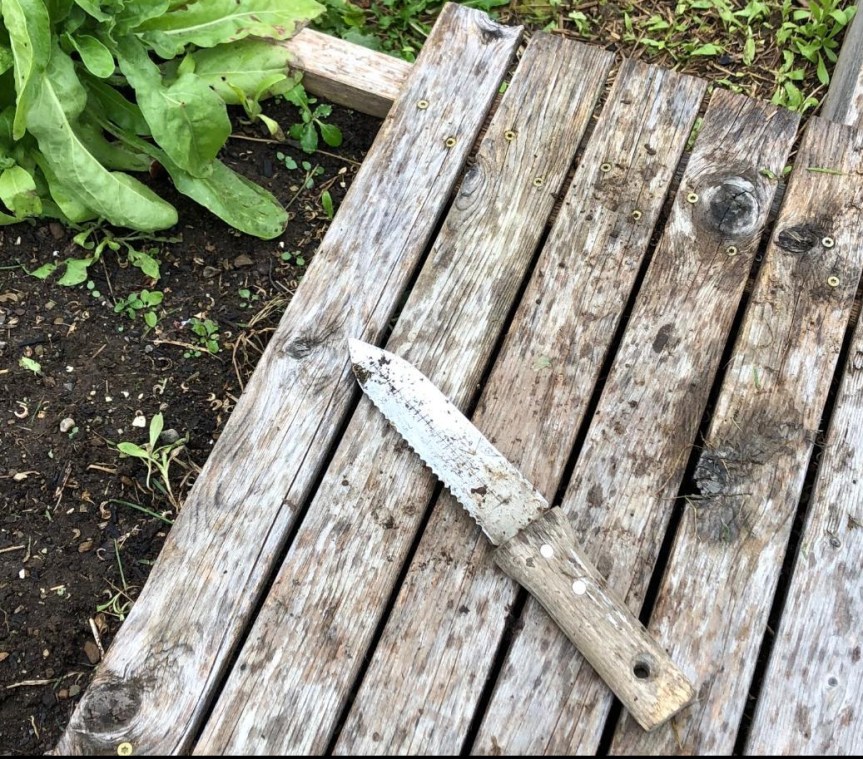
The funny thing about my father is that he didn’t have a garage full of tools. He wasn’t into the latest, greatest gardening anything, well except for permaculture which really isn’t a latest and greatest secret…
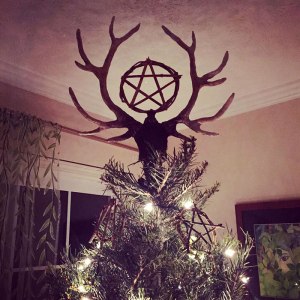
As the Winter Solstice is coming up quickly and the tree just went up this past week, I’ve been busy in my art studio and out on the land looking for great things to add to the Yule tree. As a druid who is deeply concerned about the amount of plastic and “throw away‘ quick purchase items, like cheap plastic ornaments, I didn’t want to buy any ornaments for the tree, but rather, to make them from wildcrafted materials. So today, I wanted to share two simple ways to make nice ornaments for a Yule tree from natural materials and simple tools.
Handmade Stag and Pentacle Tree Topper with Handmade Ornaments
Painted or Burned Wooden Round Ornaments
One simple method for creating ornaments is a painted or woodburned wood rounds. These are simple slices of wood that you can decorate in a variety of ways–painting them, burning…
Every year, I look forward to the black raspberries that grow all throughout the fields and wild places where I live. These black raspberries are incredibly flavorful with with crunchy seeds. They have never been commercialized, meaning no company has grown them for profit. You cannot buy them in the store. You can only wait for late June and watch them ripen and invest the energy in picking. Each year, the black raspberries and so many other fruits, nuts, and wild foods are a gift from the land, the land that offers such abundance. If I would purchase such berries in a store, my relationship with those berries would be fairly instrumental–I pay for them, they become part of a transaction, and then I eat them. There is no heart in such a transaction. But because these berries can’t be bought or sold, when I pick…
You must be logged in to post a comment.