Summer Herbals: Estafiate

Crooked Bear Creek Organic Herbs's avatarCrooked Bear Creek Organic Herbs

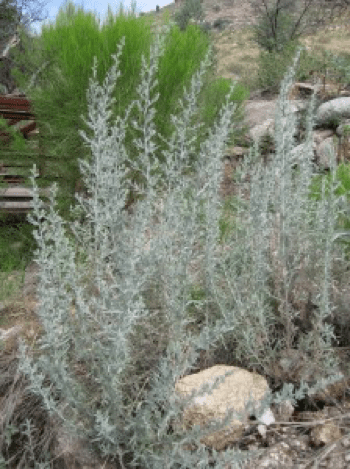
Artemisia ludoviciana – Estafiate

Other names: Western Mugwort, Western Wormwood, Louisiana Sagewort, Prairie Sagewort, Mountain Sage, Simonillo, Itzauhyatl (Nahuatl)

Origin: Native throughout the entire western US

Energetics: Warm & Dry. Bitter, Pungent, slightly Astringent. Vital stimulant, Tonic Relaxant

Properties: Digestive, Carminative, Diaphoretic, Aromatic Bitter, Anti-inflammatory, Analgesic, Decongestant, Sedative, Nervine, Hepatic, Cholagogue, Choleretic, Diuretic, Expectorant, Emmenagogue, Anodyne, Anthelmintic, Antioxidant, Antispasmodic, Anti-fungal, Hemostatic, Styptic

Organ Affinities: Liver, gall bladder, gut, nervous system, female reproductive, lungs, muscle tissue, tendons/ligaments, endocrine, brain, skin, blood

Uses: Internally: Indigestion, gas, bloating, poor appetite, acid reflux, GERD, mild constipation, gastritis, diarrhea, IBS symptoms, weakened digestion, gastroenteritis, pinworms, cold, flu, chest congestion, fever, traumatic injuries, amenorrhea, edema, nervous exhaustion, muscle pain.  Externally: Broken bones, bruises, sprains, strains, nosebleeds, insect bites, stings (bee, scorpion), poison ivy rash, rheumatism, moxibustion Other uses from ethnobotanical sources include: Foot deodorant (placed in shoes), poultice of leaves applied to…

View original post 2,344 more words

And The Award For June’s Most Bizarre Fungus Goes To…

Greetings!

Before I share a brand new video with you, I wanted to let you know that I’ll be presenting and leading a foraging walk at the annual West Virginia Mushroom Foray.

This upcoming event will take place from July 19th through the 21st at the beautiful Blackwater Falls State Park in Davis, West Virginia, and the lineup of instructors this year includes such notable mycophiles as Arleen Bessette, Walt Sturgeon, and John Plischke III.

You can learn more about the event by clicking here!

And now on to this week’s brand new video!

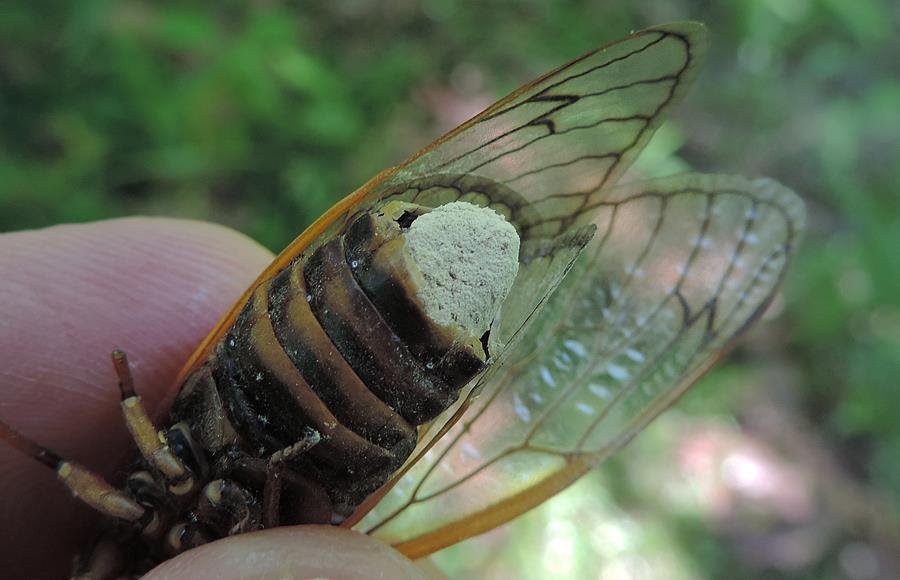
It’s not every day that you get to see a fungus that appears once every 17 years in your neck of the woods.  Such is the case with a fungal species that targets periodical cicadas.

Over the past few weeks, periodical cicadas have been emerging in parts of western Pennsylvania, eastern Ohio, and the northern panhandle of West Virginia.  Associated with the appearance of these cicadas is an incredibly fascinating fungus that destroys the genitals and alters the behaviors of these ephemeral insects.

Needless to say, this pathogenic species is highly deserving of the title “June’s Most Bizarre Fungus,” and if you’re interested in learning more about its relationship with our beloved cicadas, check out the brand new video!

Thanks for reading and watching… and as always, thank you for your support!

-Adam Haritan

Edible Flower Biscuits

Wood Sorrel Mini-Cream Tarts: Wild Food Treats — Gather Victoria

​Here’s another recipe from “Gather Cookbook” for Gather Patrons! I’m releasing a few of last year’s recipes to the Gather website – so the rest of you can see what you’re missing! First up was a Chunky Rose Petal Pesto (recipe here) and now these creamy & tangy yogurt mini-tarts. Made by processing wood sorrel leaves…

via Wood Sorrel Mini-Cream Tarts: Wild Food Treats — Gather Victoria

Chunky Rose Petal Pesto: Summer Savour — Gather Victoria

“It was June, and the world smelled of roses. The sunshine was like powdered gold over the grassy hillside.” Maud Hart Lovelace It’s been a whole year since I first started working on the “Gather Cookbook” for Gather Patrons. And since I’m going to be adding some new summer solstice recipes to the cookbook this…

via Chunky Rose Petal Pesto: Summer Savour — Gather Victoria

Drying Herbs for Infused Oils

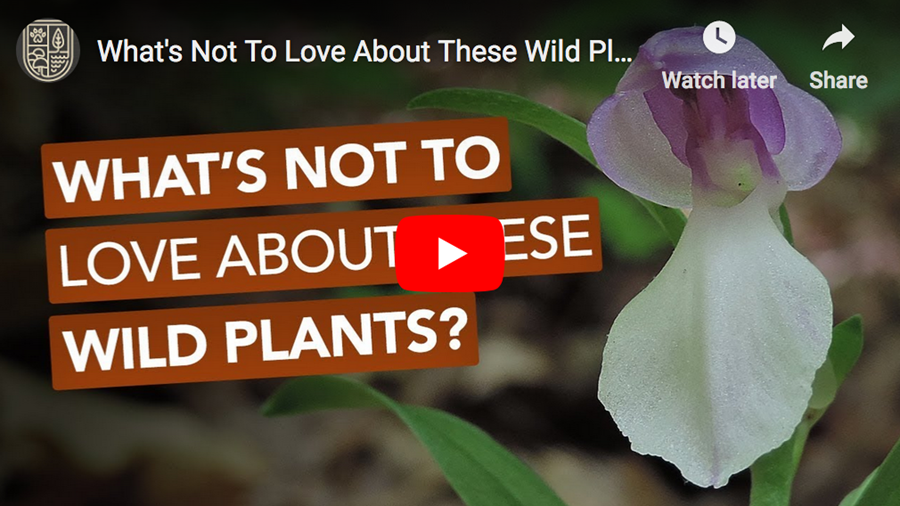
What’s Not To Love About These Wild Plants?

Greetings!

Before I share a brand new video with you, I wanted to let you know that I’ll be leading several mushroom programs at the Great Lakes Forager’s Gathering in southern Michigan from June 20th to June 23rd… and I’d love to see you there!

The Great Lakes Forager’s Gathering is the largest annual gathering of wild food enthusiasts in the Great Lakes region and features a variety of classes covering foraging, cooking with wild foods, and other traditional skills.  The lineup of instructors this year is quite impressive, featuring such notable teachers as Samuel Thayer and Jim McDonald.

You can learn more about the event by clicking here.

And now on to this week’s brand new video!

With only a few days left in the month of May, things are starting to appear more summery than spring-like.  The warm temperatures, humid air, abundant sunshine, and green canopies remind us that, as lovely as it can be, spring can only do so much for us before its reins are handed over to the next season.

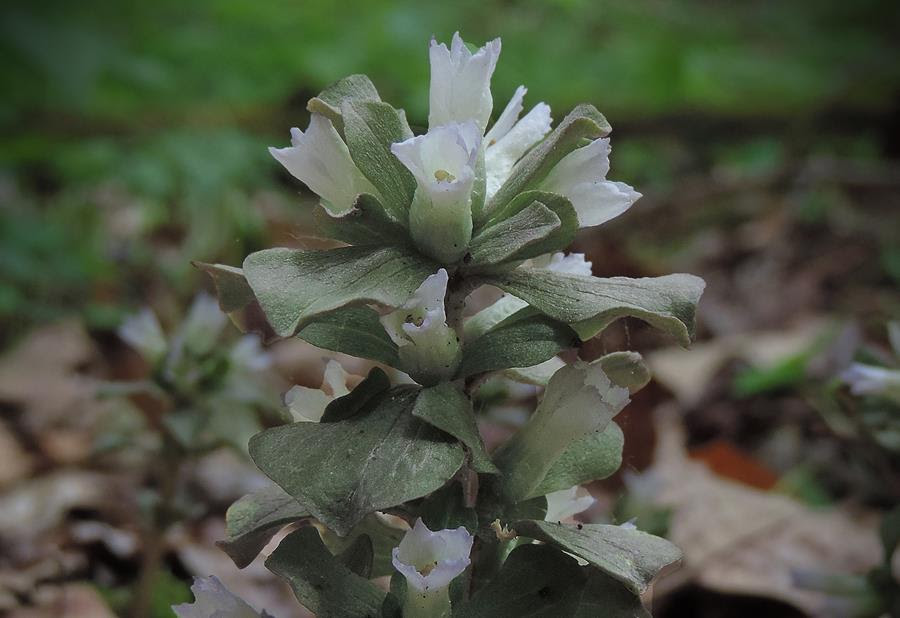
To celebrate the final weeks of spring, I decided to explore the woods in search of interesting plants and wildflowers that thrive during the transitional time between the two seasons.  On a recent walk through a beautiful wooded area, I encountered two plants that were truly worthy of documentation.

If you’re interested in seeing the two wild plants that are too easy to love, check out the new video!

Thanks for reading and watching… and as always, thank you for your support!

-Adam Haritan

Creative Ways to Use Dandelions – Organic Gardening – MOTHER EARTH NEWS

Crooked Bear Creek Organic Herbs's avatarGood Witches Homestead

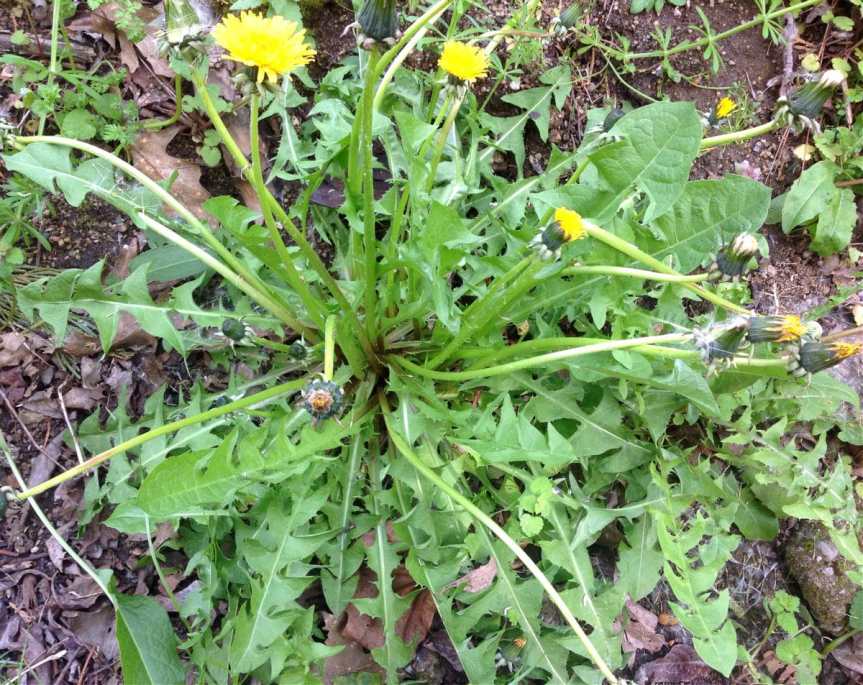
Dandelions grow just about everywhere in the world, dotting lawns and defiantly sprouting through sidewalk cracks.  Though dandelions are incredibly common, they’re also powerful herbal medicine and tasty edibles at the same time.

Medicinally, whole dandelion plants are often made into a dandelion tincture, which has traditionally been used for skin and urinary tract problems.  Herbalists use the blossoms as a treatment for sore muscles, in the form of a dandelion salve or dandelion infused oil.

Beyond herbal medicine, dandelions are just plain tasty.  Dandelion roots can be cooked like carrots or roasted and brewed into dandelion root coffee.  The greens are eaten fresh in salads or cooked with a bit of oil or salt.  Dandelion blossoms can be made into simple dandelion fritters without much effort too.

A simple hard candy flavored with dandelion blossoms, this dandelion candy will put a…

View original post 344 more words

Violets are Delicious

The Herb Society of America's avatarThe Herb Society of America Blog

By Beth Schreibman-Gehring, Chairman of Education for The Western Reserve Herb Society unit of The Herb Society of America

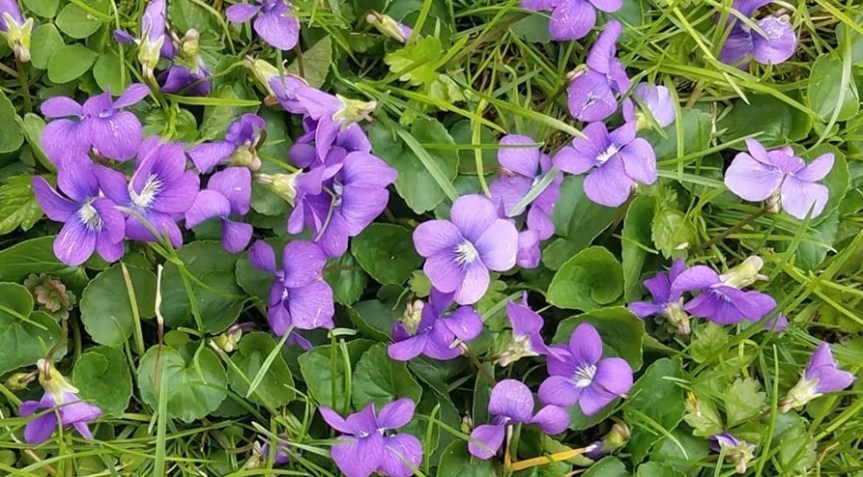
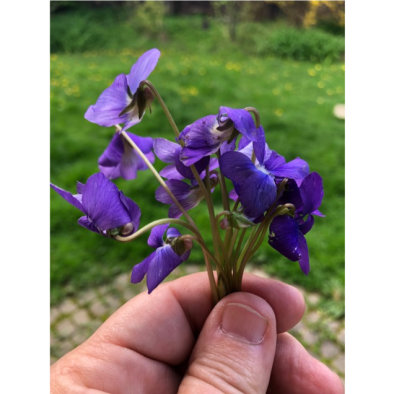
violet bouquetOne of the loveliest flowers of spring is the Viola odorata or as it is commonly referred to, the “Sweet violet.” Violets have been used in herbal healing remedies for centuries, in fact St. Hildegard of Bingen, the famous 12th century German mystic and healer, was said to have made a healing salve of violet juice, olive oil, and goat tallow for its use as a possible anti-bacterial.

I use violets whenever I can for their healing virtues, and they are also an absolutely delicious ingredient in salads, drinks, and desserts. Back in the day, violet flowers, and leaves mixed into salads were one of my favorite spring remedies for pre-menstrual melancholy. When chopped liberally into extra virgin olive oil with some fresh comfrey leaves, they make a poultice that can…

View original post 945 more words

Make Your Own Paints from Local Rocks: Watercolors, Oils, and Egg Tempera from the Land!

Dana's avatarThe Druid's Garden

Local Iron Oxide taken from a mineral spring, crushed, ground, sifted and made into paint! Local Iron Oxide taken from a mineral spring, crushed, ground, sifted and made into paint!

When I walk along the landscape here, I am greeted with the deep oranges and yellow oxides of our soils laden with heavy amounts of clay and iron.  These colors are reflected each time I dig into the subsoil, and as I drive through the countryside where mountains were cut through for roads. In other places, I might be greeted with reds, blues, or greens, all reflected in the geology of the land. Each region carries its own colors, and you can find the palate of the land in every stream bed.  Even an hour drive in any direction puts one in a new geological region–and this changes the colors of the stones and the soil.   You might think about these colors like a language–each landscape has its own language that you can learn to…

View original post 3,814 more words