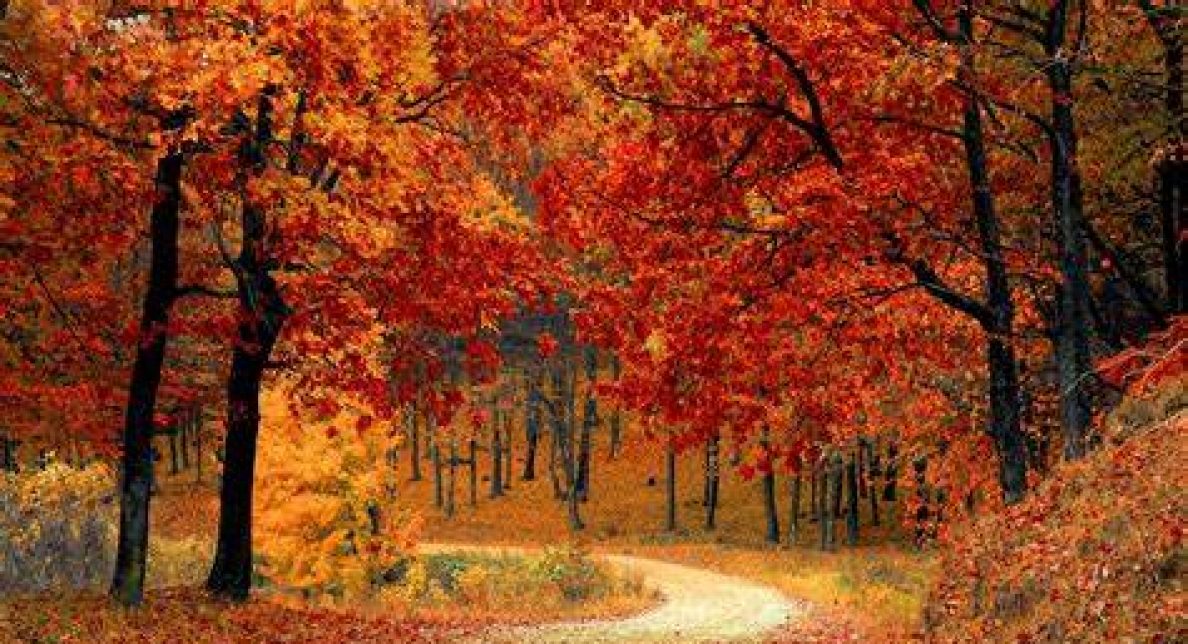
Chocolate: food or medicine? For centuries, chocolate was consumed primarily as medicine. Cacao, from which chocolate is derived, was the basis for prescriptions promising relief from such ailments as anemia, alopecia, fever, gout, heart disease, kidney and liver disease, along with tuberculosis. Prescriptions from the 16th and 17th centuries would combine cacao with cinnamon, sugar, pepper, cloves, vanilla, and/or anise to ease common complaints. Certainly modern day amoxicillin could benefit from such a delicious concoction.
It was only in the 19th century that chocolate became more of a food staple and less of a medicine. This was in part because of the expansion of where cacao could be grown. Cacao is a New World food, but the Portuguese brought the cacao tree to the African tropics. The development of machinery made it easier to separate cacao butter from the seeds, and so the making…
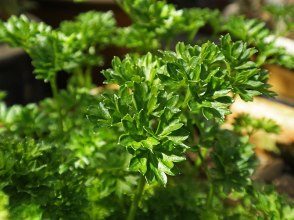
The spotlight is shining on parsley this month. Parsley (Petroselinum crispum) is The Herb Society of America’s Herb of the Month for January and the International Herb Association’s Herb of the Year™ for 2021. The three most common varieties of parsley are P. crispum or curly-leaf parsley, P. crispum var. neapolitanum or flat-leaf Italian parsley, and P. crispum var. tuberosum or turnip-root parsley which is grown for its root and is used in soups and stews.
Parsley has an interesting history dating back to Greek and Roman times. To the Greeks, parsley symbolized death and was not used in cooking. However, according to Homer, the Greeks fed parsley to their chariot horses as they thought it gave them strength. The Greeks believed that parsley sprang from the blood of one of their mythical heroes, Archemorus, whose name means “the beginning of bad…
As we spin forward into 2021 (are we there yet, mom?!?), it’s exciting to reflect on what you—our friends, fans, and phenomenal plant family—went herb-wild for through the seasons.Did you know we serve up a splendid spread of free herbal content on our blog?In 2020, we decked the halls of Blog Castanea with garlands of new articles, and re-polished our most popular blogs from seasons past. We brought in new contributors and the blog officially became a team sport. Are you curious which topics were herbally admired and adored this year? And which plants people felt positively passionate about? Get caught up with our Best of 2020 Roll Call:
Before I share a brand new video with you, I want to provide a reminder that today — Monday, December 21st— is the last day to register for Foraging Wild Mushrooms. After today, registration will be closed for the season.
If you want to learn the skills involved in safely and successfully harvesting wild mushrooms with confidence, Foraging Wild Mushrooms can help you achieve that goal.
The declining temperatures, sunlight, and vitamin D levels have all ushered in the official arrival of winter — a season in which humans enjoy bringing trees indoors.
But not just any tree, of course. Conifer trees — and more specifically pines, spruces, and firs — are among the most harvested and celebrated trees during the holiday season.
Some of these trees are soft and flexible (e.g., white pine). Others are lush and aromatic (e.g., balsam fir). All of them, it goes without saying, are perpetually green.
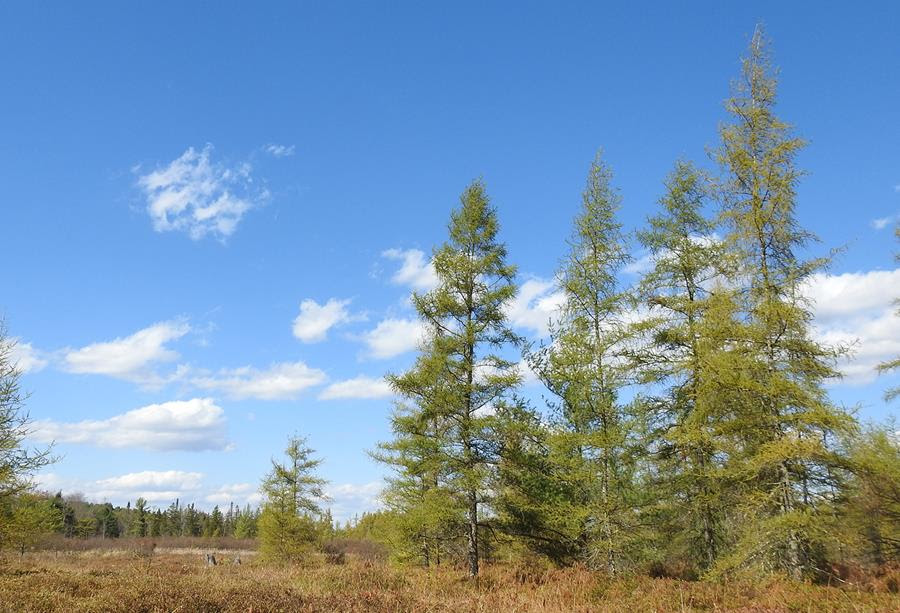
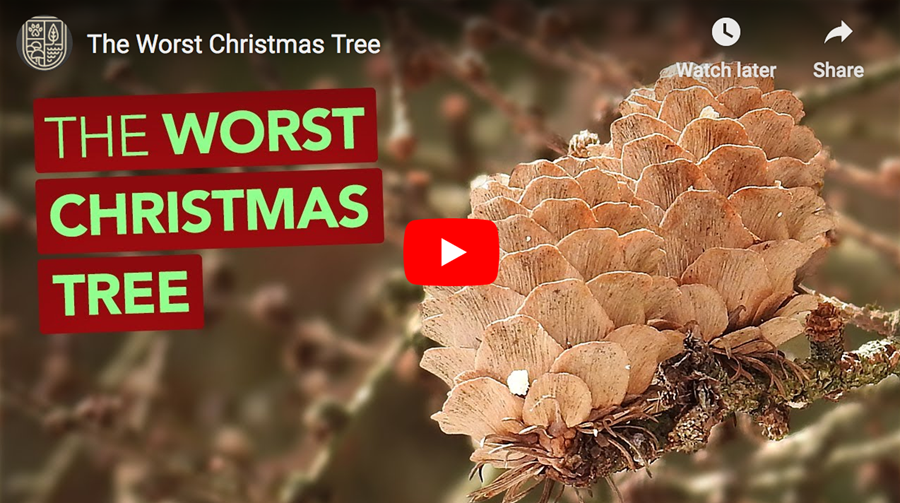
But there is one conifer tree that has never made the cut, and chances are good that, if you do consider yourself an arboreal celebrant of the holiday season, you’ve never invited this particular tree into your home.
In fact, out of all the trees discussed so far, this one would certainly be labeled “The Worst Christmas Tree.”
During a recent walk through a conifer landscape, I encountered this special tree and decided to film a video in which I attempted to answer several pertinent questions.
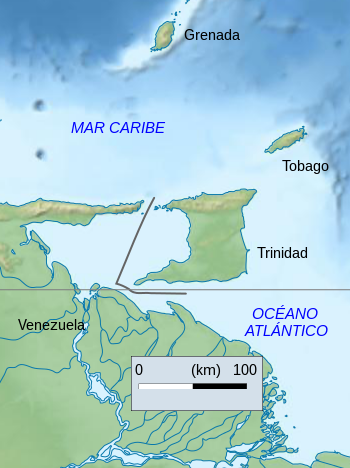
Last week we looked at some of the beverages important to a Trinidad Christmas. Now let’s talk about some of the foods and the special ingredients needed to make them.
So what is on the menu in Trinidad for Christmas? Here is what Ann told me. “Dinner is ham, of course, pastelles, baked chicken, fried rice, pelau, callaloo, macaroni pie…and everybody makes homemade bread. And, of course, sorrel drink and ponché de crème. And you have to have black cake, of course….Everything is homemade, nobody buys anything.”
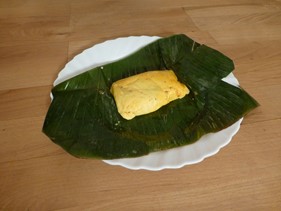
Pastelles are the West Indian version of tamales and reflect the Mexican/Aztec heritage in the Caribbean. Making pastelles can be labor intensive, and according to Ann, many families make the work fun by turning it into a party and making large quantities assembly-line style. This is part of what makes them such a Christmas treat. Every island has their own…
The winter mushroom season is almost upon us, and at the request of those eager to pursue educational opportunities during the winter months, I’ve decided to open the doors to Foraging Wild Mushrooms for the next 7 days.
This 4-season online course is designed to help you safely, successfully, and confidently forage wild mushrooms from the forest, from the field, and even from your own backyard.
Whether you’re interested in foraging for food, for medicine, for study, or just for fun, Foraging Wild Mushrooms covers the most important lessons to get you started.
In addition to over 70 step-by-step exclusive and instructional videos included within the course, you’ll also receive:
Supplemental handouts covering mushroom anatomy, terminology, and biology that you can download and print for easy viewing.
A 42-page guide to medicinal mushrooms that summarizes the latest research on the most popular medicinal fungi with over 75 peer-reviewed references.
Immediate and lifetime access to all materials.
Additionally, a portion of all proceeds derived from course sales will be donated to the Western Pennsylvania Conservancy — a nonprofit organization whose mission it is to protect and restore exceptional places and forests for the benefit of present and future generations.
Since 1932, the Western Pennsylvania Conservancy has protected more than a quarter-million acres of natural places. To express gratitude, and to ensure that these and many more wild places exist for generations to come, I find it imperative to support organizations that in turn directly support the land.
Therefore, a portion of all proceeds derived from this enrollment period will be donated to the Western Pennsylvania Conservancy for use in land conservation.
Please note that enrollment for Foraging Wild Mushrooms is open for one week only — from today until Monday, December 21st. After that, enrollment will be closed for the season.
To learn more about the course, check out this video which gives an overview of what you can expect.
Thanks for your continued support, and I hope to see you in there! —Adam Haritan
I was visiting my mother just a few weeks before Christmas in 2017. She had recently moved to a wonderful small family-run assisted living home. The owner, Ann Abdul, asked me if I’d like to taste some “sorrel drink” she had made for the holiday season. I had no idea what that was. It looked Christmassy–a brilliant ruby red. I took a sip, and the most delicious taste filled my mouth. It was a rich, complex, and unfamiliar burst of flavors. But it tasted like Christmas, too—it was sweet, and I thought I could detect cinnamon, cloves, and vanilla. But it also tasted a bit like lemonade with a pronounced citrusy tartness. I loved it, and I had to know more!
Ann and her family are from Trinidad, and over the next two years, I learned so much from her about Trinidad cuisine and culture. The island…
Cinnamon is the name for several plant species in the laurel family (Lauraceae). It is a small tropical evergreen tree with aromatic leaves and bark. The spice, cinnamon, is the bark of the tree which has been shaved, rolled, and dried into the familiar tubes called “quills.”
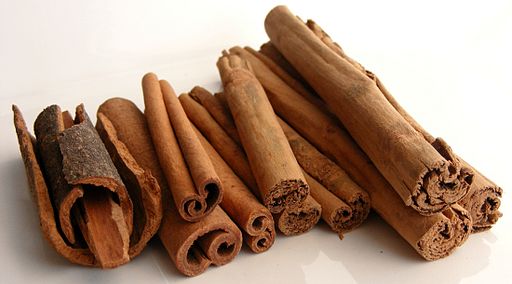
The two most common cinnamon species are “true” or Ceylon cinnamon (Cinnamomum verum) and cassia cinnamon (Cinnamomum aromaticum). “True” cinnamon is grown in Sri Lanka. Cassia cinnamon is grown in Southeast Asia and is the one found in the spice section of your grocery store. The two cinnamons differ in taste and color, with the “true” cinnamon having a more subtle, delicate flavor and a lighter color. It is also more expensive. The picture is a good illustration of the difference between the two cinnamons. The cinnamon on the left is the coarser cassia cinnamon. The…
To determine whether a mushroom is edible or not, time is one factor worth considering.
A mushroom that has been eaten for centuries with few adverse events reported is a mushroom that most people would consider to be edible.
On the other hand, a mushroom with a centuries-old reputation of being toxic is certainly a mushroom whose edibility should be called into serious question, even in modern times.
But not all mushrooms fit neatly into those two categories.
Take the Yellow Knight, for instance.
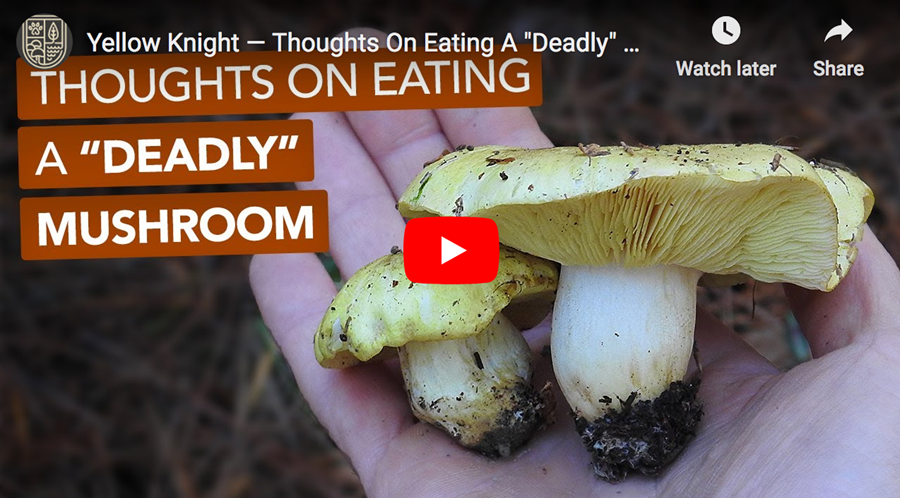
The Yellow Knight is a wild mushroom that had been safely eaten for centuries. In the 1990s, however, consumption of the Yellow Knight suddenly and unexpectedly became linked to multiple human poisonings. Some of these poisonings resulted in death.
During a recent walk through a pine forest, I encountered the infamous Yellow Knight mushroom. After careful consideration, I decided to harvest the mushroom and cook it, and in the following video I explain why I would do such a thing.
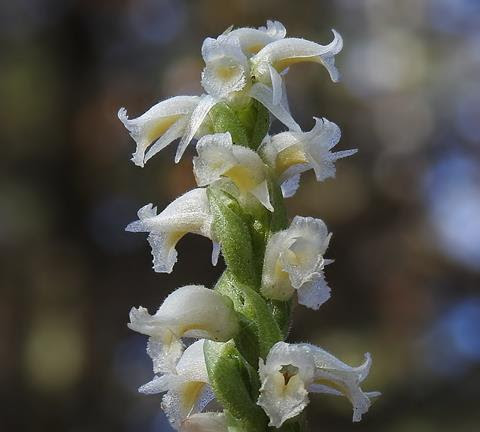
Deeper into the forest full of Yellow Knight mushrooms, this wildflower was blossoming under red pine trees. Known as Yellow Ladies’ Tresses, this orchid is involved in a tangled web of specialized relationships. Check out this recent Instagram post to learn more.Click to view post
Thanks for reading and watching, and thanks for your continued support!
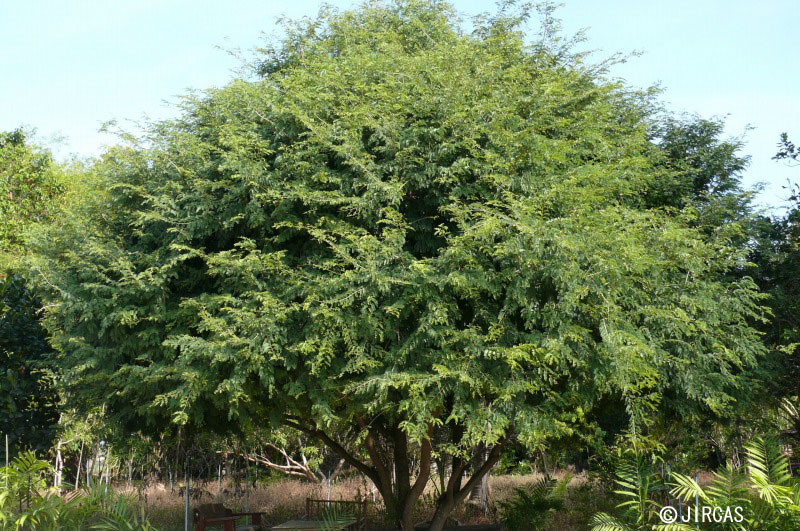
The tamarind tree (Tamarindus indica) is one of many tropical herbal trees. Its leaves, bark, wood, roots, and fruits have many uses. The tamarind tree is also an evergreen, long-lived landscape tree, reaching a height of 40 to 60 feet tall and a width of up to 25 feet wide. Its pinnate leaves close up at night. The branches droop to the ground, making it a graceful shade tree. A mature tree can produce up to 350-500 pounds of fruit each year. It is native to tropical Africa and is in the Fabaceae family.
One of the earliest documented uses of tamarind was found in the Ganges Valley of India, where wood charcoal dating back to 1300 BCE was discovered. Tamarind was mentioned in ancient Indian scriptures as early as 1200 BCE. Arab physicians were reported to be the first to use the fruit pulp…

 Chocolate: food or medicine? For centuries, chocolate was consumed primarily as medicine. Cacao, from which chocolate is derived, was the basis for prescriptions promising relief from such ailments as anemia, alopecia, fever, gout, heart disease, kidney and liver disease, along with tuberculosis. Prescriptions from the 16th and 17th centuries would combine cacao with cinnamon, sugar, pepper, cloves, vanilla, and/or anise to ease common complaints. Certainly modern day amoxicillin could benefit from such a delicious concoction.
  The spotlight is shining on parsley this month. Parsley (

 Last week we looked at some of the beverages important to a Trinidad Christmas. Now let’s talk about some of the foods and the special ingredients needed to make them.
 into a party and making large quantities assembly-line style. This is part of what makes them such a Christmas treat. Every island has their own…

 I was visiting my mother just a few weeks before Christmas in 2017. She had recently moved to a wonderful small family-run assisted living home. The owner, Ann Abdul, asked me if I’d like to taste some “sorrel drink” she had made for the holiday season. I had no idea what that was. It looked Christmassy–a brilliant ruby red. I took a sip, and the most delicious taste filled my mouth. It was a rich, complex, and unfamiliar burst of flavors. But it tasted like Christmas, too—it was sweet, and I thought I could detect cinnamon, cloves, and vanilla. But it also tasted a bit like lemonade with a pronounced citrusy tartness. I loved it, and I had to know more!
  The two most common cinnamon species are “true” or Ceylon cinnamon (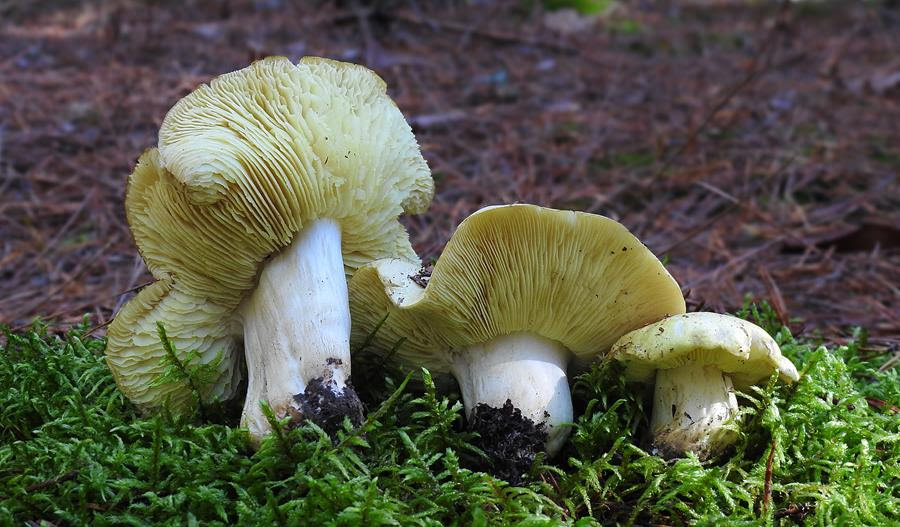

 is also an evergreen, long-lived landscape tree, reaching a height of 40 to 60 feet tall and a width of up to 25 feet wide. Its pinnate leaves close up at night. The branches droop to the ground, making it a graceful shade tree. A mature tree can produce up to 350-500 pounds of fruit each year. It is native to tropical Africa and is in the Fabaceae family.

You must be logged in to post a comment.