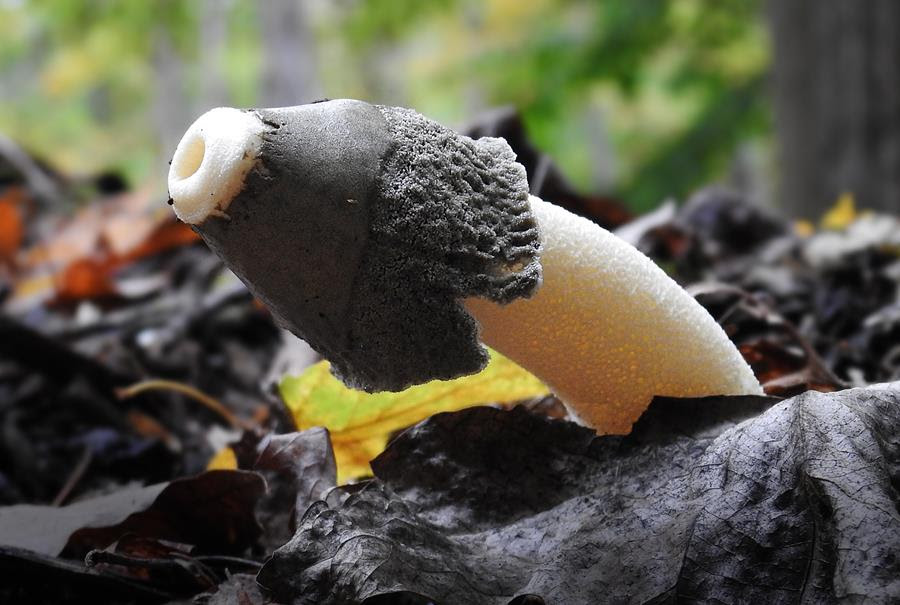

Stinkhorns, with their presumptuous shapes and foul odors, are truly some of the strangest creatures in the biological world. Any rational person could be forgiven for assuming that such bizarre fungi couldn’t possibly be edible.
Fortunately, however, nature isn’t always rational, and foul-smelling entities with presumptuous shapes can sometimes be eaten.
Take Ravenel’s Stinkhorn, for instance.
This strongly-scented fungus grows in wood chips and along trails during the autumn months. As it turns out, Ravenel’s Stinkhorn is considered to be edible with one caveat: only its immature “eggs” are supposedly fit to be eaten.
During a recent walk, I encountered quite a few of these funny-looking stinkhorns growing alongside their primordial eggs. Rather than snap a few photographs and flee the scene, I decided to harvest a few eggs and see for myself just how edible these quirky creatures could be.
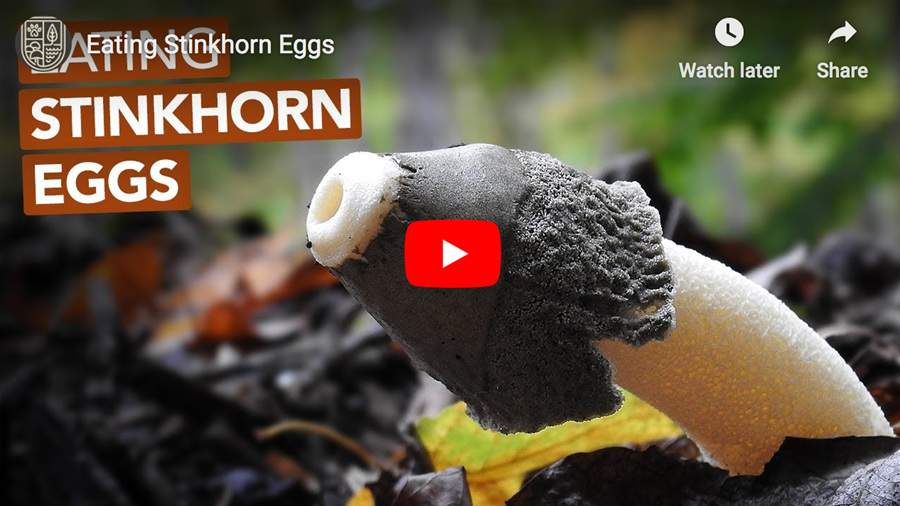
If you are interested in hearing my candid thoughts on eating one of the strangest mushrooms in the world, check out the brand new video!
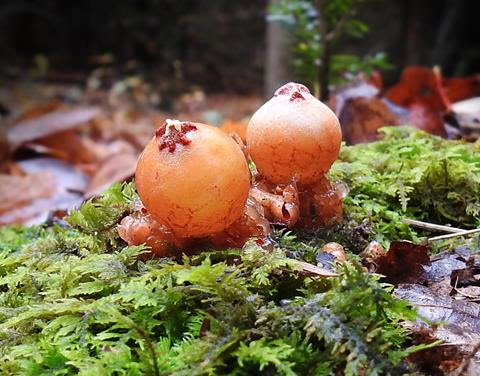
Speaking of strange fungi, this odd-looking pair inhabits forests in eastern North America and performs critical roles in maintaining the health of oak trees. Check out this recent Instagram post to learn more.Click to view post
Thanks for reading and watching, and thanks for your continued support!
-Adam Haritan

 Interestingly, just south of the US border in Mexico there is a unique community that is home to sixteen distinct indigenous peoples living in a mild climate, enjoying unique botanic diversity.
  celebrations of them all. The Day of the Dead festival (or Dia de los Muertos) is celebrated from October 31st thru November 2nd. During this…



 One of the great pleasures of summer is fresh corn on the cob, and one of my least favorite things is the silk that often interferes with that pleasure. But these silky strands can be dried and used as a tea. Corn silk was used…
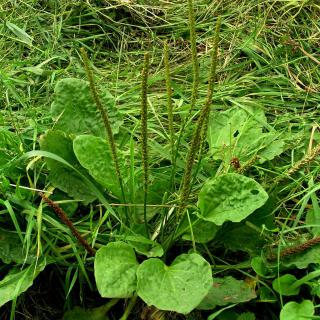 Weeds tell wonderful stories, and as we learn them, they take us on a journey to discover where they came from and how they came to be who they are today.
  Plant Profile

You must be logged in to post a comment.