Oregano Oil Uses & Benefits for Your Winter Health

Crooked Bear Creek Organic Herbs's avatarCrooked Bear Creek Organic Herbs

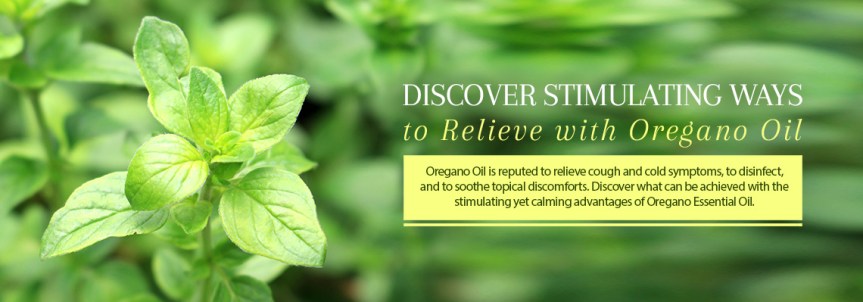
Without a doubt, oregano oil is one of the best natural supplements you can get. It’s produced from the perennial herb oregano and loaded with free-radical-crushing antioxidants. A growing body of research has shown that oregano oil offers many positive health benefits and is one of the most potent natural remedies in existence. In particular, there has been a significant evaluation of its effects against harmful organisms; investigations even been made by major pharmaceutical companies.

What Are the Top 15 Uses for Oregano Oil?

  • Immune System Support
  • Protection Against Harmful Organisms
  • Promotes a Balanced Mood
  • Digestive Aid
  • Menstrual Aid
  • Supports Graceful Aging
  • Allergy Support
  • Weight Loss
  • Eases Discomfort
  • May Help You Feel Better When You Have a Cold
  • Calms Lip Blemishes
  • Helps with Food Preservation
  • Promotes Intestinal Balance
  • Encourages Normal Yeast Balance
  • Supports Liver Health

1. Immune System Support

There’s a lot of evidence to show that oregano oil is…

View original post 1,046 more words

Health Benefits of Cayenne Pepper

Crooked Bear Creek Organic Herbs's avatarCrooked Bear Creek Organic Herbs

Cayenne pepper has been used for a variety of ailments including heartburn, delirium, tremors, gout, paralysis, fever, dyspepsia, atonic dyspepsia, flatulence, sore throat, hemorrhoids, menorrhagia in women, nausea, tonsillitis, scarlet fever, and diphtheria. Let’s take a look at some of the best health benefits cayenne pepper has to offer.

The Health Benefits of Cayenne Pepper

1. Anti-Irritant Properties

Cayenne has the ability to ease upset stomach, ulcers, sore throats, spasmodic and irritating coughs, and diarrhea.

2. Clears Congestion

Suffering from stuffed up sinuses due to cold, flu, or allergies? Cayenne pepper aids in breaking up and moving congested mucus.

3. Anti-Fungal Properties

In vitro tests have found that CAY-1, a compound found in cayenne peppers, effectively suppressed the development of 16 different fungal strains, while remaining completely non-toxic to animal cells.

4. Migraine Headache Prevention

This may be related to the pepper’s ability to stimulate a pain response in a different area…

View original post 465 more words

Five Flavors Herbal Cough Syrup Recipe – LearningHerbs

Crooked Bear Creek Organic Herbs's avatarGood Witches Homestead

This herbal cough syrup recipe was inspired by formulating with the TASTE of herbs. I wanted to create an effective syrup that encompassed all five of the tastes in Traditional Chinese Medicine (pungent, salty, sour, bitter, and sweet). It’s commonly believed that a meal isn’t complete unless it has all the flavors, so I thought it would be interesting to apply this to an herbal formula as well. While western herbalists don’t often talk about the taste of a plant (although this is slowly beginning to change), classifying herbs by their taste is a major foundation of Ayurveda and Traditional Chinese Medicine, two of the largest and oldest living systems of medicine today. The idea is that, by simply tasting an herb, you can understand the big picture of the ways it could be used. Taste, as well as how you feel after tasting, can also give you insights into…

View original post 305 more words

Seasonal Yule Wreath

This Wild Edible Winter Mushroom Has A Deadly Look-Alike

Greetings!

First, I want to say “thank you!” to everyone who purchased a medicinal mushroom tincture last week during the online sale.  I didn’t expect this to happen so quickly, though I sold out of my entire inventory and no longer have any products in stock.  If you’re interested in purchasing medicinal mushroom tinctures, I will have more available toward the end of January.

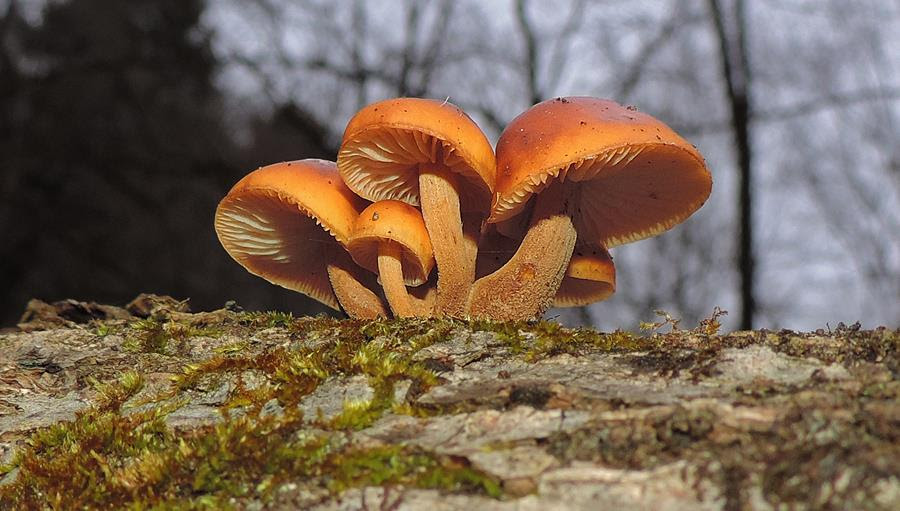
Second, let’s talk about Enoki — a wild edible mushroom you can forage during the coldest months of the year.  This fungus, also known as Enokitake and Velvet Foot, is often overlooked in the wild due to its smaller size.  Interestingly, Enoki is cultivated on a commercial scale and can also be purchased in many grocery stores.

Before you begin your search for wild Enoki mushrooms, however, there’s one thing you should know.

Enoki is not the easiest mushroom to positively identify.  It resembles several other LBMs (little brown mushrooms) that grow in similar habitats during similar seasons.  To make matters a bit riskier, some of these LBMs are very toxic.

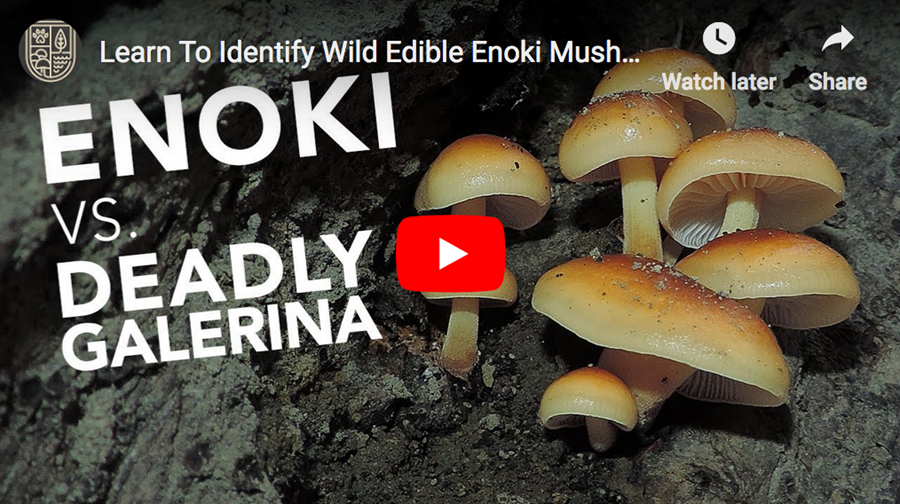
In this new video, I share some tips on positively identifying the wild Enoki mushroom.  I also compare and contrast this species to the Deadly Galerina — a poisonous LBM that could be confused for the edible Enoki mushroom.

If you’re interested in safely and confidently harvesting wild edible mushrooms this winter season, check out the brand new video!

Have you seen any brightly colored fungi recently?  Plenty, including Mock Oysters, can be found even during the remaining days of autumn.  Check out this recent Instagram post to learn more!Click to view post

Thanks for reading and watching, and as always, thank you for your support!

-Adam Haritan

in the morning fog

By Natalie J. Case

Winter in San Francisco generally means temperatures in the mid 40s to mid 50s and fog.  Sometimes really thick fog.  That does seem to be the case this year.  Even though I live a good 45 minute BART ride outside of the city, my little city can get pretty socked in too.

Fog means dangerous driving conditions, particularly when you don’t know the roads you’re driving on.  For me, I find fog mysterious and beautiful, especially when it hangs low over the mountains or the bridges.  I never do seem to get out into it with my camera however.  One of these days I’m going to get up to the Marin Headlands when the fog rolls in.

Just imagine what the world of horror movies would be like without fog!  It sets a mood, for sure.

where-shadows-fall

If you have been waiting for the paperback to get your copy of Where Shadows Fall, your wait is over.  As of this morning, the paperback is available.  Click HERE to get it.

We’re headed into the busiest time of year, with holiday parties and get togethers, shopping and cooking and chaos of all kinds.  My life is no exception.  I’ll be trying a new-to-me cookie recipe this coming weekend for a company pot luck, and I have my first holiday party tomorrow evening.

Then it’s all a landslide into Christmas for me.

What about you, Readers?  Do you have a special holiday tradition, no matter what holiday you celebrate?

Learn to be an Herbalist

The Herb Society of America's avatarThe Herb Society of America Blog

By Chestnut School of Herbal Medicine

how to be an herbalistIt’s an exciting time to be an herbalist as more and more people are using medicinal herbs for health and well-being. Nearly one-third of Americans use medicinal herbs, and the World Health Organization estimates that 80 percent of people worldwide still rely on herbs as their primary form of health care. This botanical medicine momentum translates to more interest in herbal products and herbalism; there are more opportunities than ever for rewarding employment in the field as well as golden opportunities for entrepreneurship.

To help spread the herbal word, the Chestnut School of Herbal Medicine has put together a *free* guide on how to start your herbal career. It’s 95 pages gushing with information for brand new and seasoned herbalists alike, including:

  • How to become a thriving herbalist
  • Getting the right herbal education
  • An herbalist’s salary & career opportunities
  • Debunking the mythic “Certified Herbalist”

View original post 14 more words

Food as Medicine Update: Carrot (Daucus carota subsp. sativus, Apiaceae)

Crooked Bear Creek Organic Herbs's avatarCrooked Bear Creek Organic Herbs

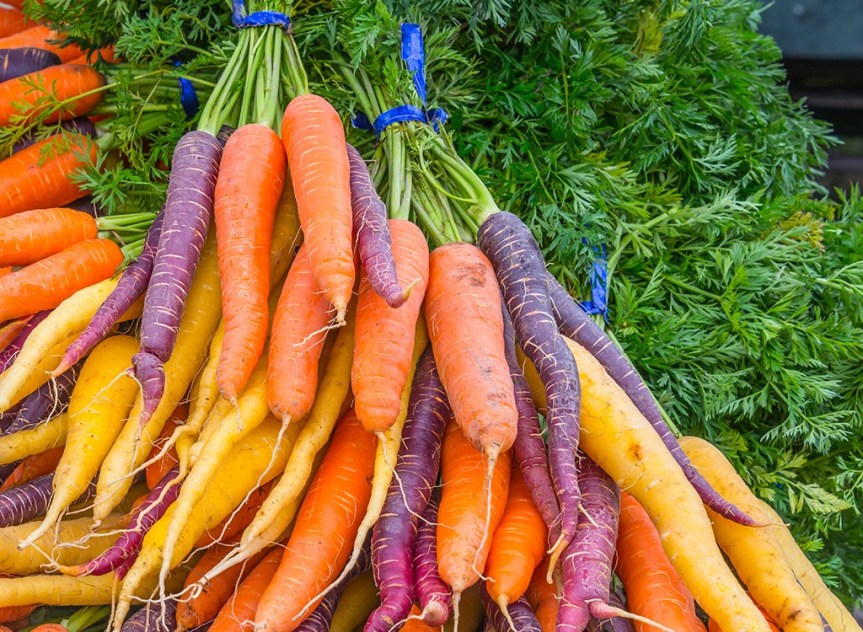
Widely available at most supermarkets, the common root vegetable carrot (Daucus carota subsp. sativus, Apiaceae) is a biennial plant with erect, green stems and fine, feathery leaves.1 The plant produces densely clustered white blossoms in an umbrella shape, which is typical of plants in the Apiaceae family. The edible taproot comes in a variety of colors: orange is the most widely available in stores, but the root can also be white, yellow, red, or purple.2

The modern carrot is a domesticated cultivar of wild carrot, Daucus carota, also known by the common name Queen Anne’s lace. Indigenous to Europe and southwestern Asia, frost-tolerant carrots are now cultivated in a wide range of environments.1 Carrots are popular with home gardeners due to their colorful varieties as well as their hardiness.

Phytochemicals and Constituents

Favored for their sweet flavor and versatility, carrots contain a vast array…

View original post 1,435 more words

Announcement: Conversations in Real Time

By Nicholas J. Finch

Good News!

Conversations in Real Time now Available at Amazon!

If you’ve already bought the book and loved it – please leave a review on Amazon!

If you haven’t read it – now is a good time!

Or you can give it as a gift.


To keep updated on my Published work subscribe to my Website.

Or friend me on Facebook

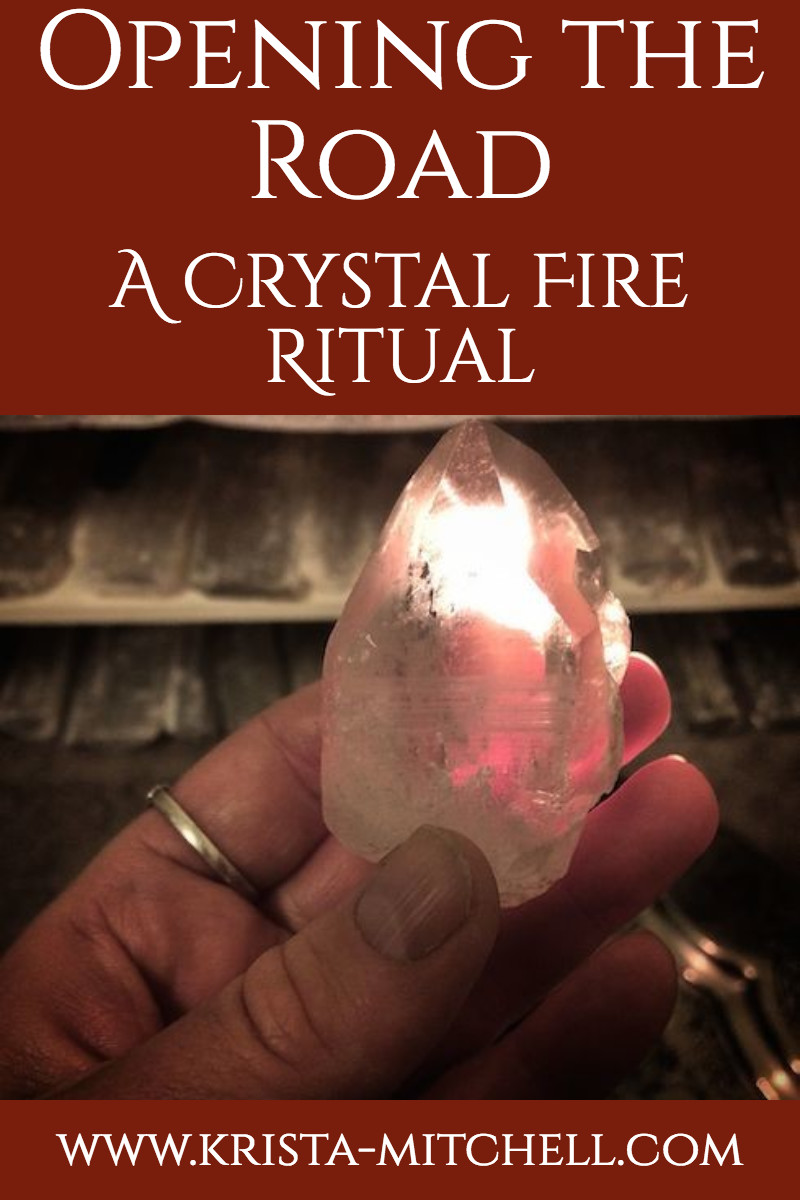
OPENING THE ROAD: A CRYSTAL FIRE RITUAL

By Krista Mitchell

Crystal Fire Ritual / krista-mitchell.com

What are you ready to let go?

As we near the end of the calendar year, this is a big and important question.

Why?

Because no matter how this past year went for you (stellar, some hits / some misses, total clunker), this next year represents an opportunity to go bigger and better, achieve more goals, or have a fresh start.

And while many of us focus on what we intend to attract, create or achieve in the new year, not as many contemplate what they’re willing to release in order to create space for their dreams, opening the road to success.

So far in this year-end series we’ve cut cords to past relationships, and unblocked our inner resistance to positive change. Now, we’re ready to release what’s inside that no longer serves, and open the road.

Continue reading “OPENING THE ROAD: A CRYSTAL FIRE RITUAL”