Food as Medicine: Anise (Pimpinella anisum, Apiaceae)

Crooked Bear Creek Organic Herbs's avatarCrooked Bear Creek Organic Herbs

Anise or aniseed (Pimpinella anisum, Apiaceae) is an herbaceous annual that grows to almost a meter (3.3 feet) in height.1,2 The lower leaves of the plant are dark green, heart-shaped, and shallowly lobed, while the upper leaves are feathery. In the summer, the plant produces small, white flowers in an umbrella-shaped head, and, in the fall, these flowers produce aromatic fruits that are three to four millimeters in length. These fruits, called “anise seeds” in the market and referred to in the rest of this article as “seeds,” are the medicinal and culinary portion of the plant.

The cultivation of anise, which is native to the Anatolian peninsula, Greece, and Egypt, has spread to other countries. The plant grows well in warm, frost-free climates.3,4 Anise should not be confused with fennel(Foeniculum vulgare, Apiaceae), licorice (Glycyrrhiza glabra, Fabaceae), or star anise (Illicium verum, Schisandraceae), which have…

View original post 2,028 more words

Bittersweet … A Tale of Two Sisters

The Herb Society of America's avatarThe Herb Society of America Blog

By Kathleen M Hale, Western Reserve Herb Society

The Sisters’ Shame
We were two daughters of one race;
She was the fairest in the face.
    The wind is blowing in turret and tree.
They were together, and she fell;
Therefore revenge became me well.
    O, the earl was fair to see!

Alfred, Lord Tennyson

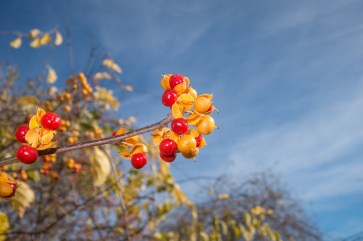
bittersweetA lot of legends of magic, revenge and sorcery begin with two sisters. Sometimes they are friends.  Sometimes they are rivals.  But an unspoken message in many stories is, “Don’t pick the wrong one!” Increasingly, North American gardeners are finding themselves faced with this dilemma.  The choice may be between a native plant and its sometimes seductive, sometimes invasive sister, introduced from elsewhere.

Bittersweet gives us such a story. American bittersweet, Celustrus scandens, is seen everywhere this time of year in wreaths and dried arrangements. It has tiny vivid orange fruits…

View original post 434 more words

Spirit Evocation

Full Moon in Gemini

Dear all,
This Full Moon in Gemini — Thursday and Friday — (check the full details below) — brings the energy of increased communication and higher learning, and you can go deeper with something that you started learning last year at about this time.
At the same time, while you may clear up or revise something from the past, make sure that you present any new ideas with clarity and patience.
The need to be right may be stronger than usual and the need to teach or preach may become overbearing if you don’t practice moderation.
Due to the stressful aspects between this Moon and Mars, as well as Mercury retrograde, you need to be EXTRA careful to avoid any arguments as well as while driving Thursday and Friday.
The Moon enters Gemini an hour before midnight and reaches its peak (becomes completely Full) at 39 minutes after midnight on the 23rd EST, less than a day after Sun enters Sagittarius.
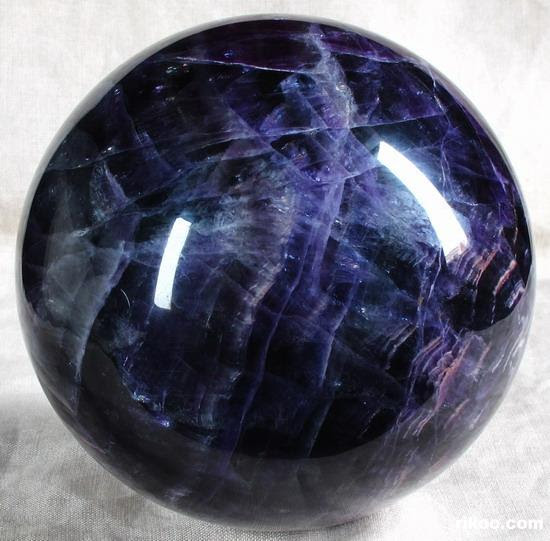
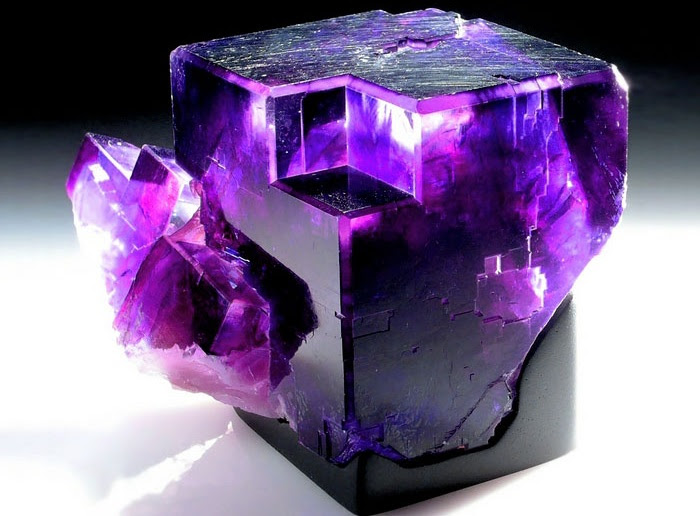
Crystals to use: Fluorite, Aquamarine, Mahogany Obsidian
The mind may go into overdrive, so if you can’t sleep, you can meditate (check out my recorded Better Sleep meditations https://crystalcosmopolitan.com/meditation/ or use that “awake time” to put on paper some practical plans.
If you need any energy sessions (Crystal Reiki, Accunect or Tesla Healing) to carry you through or recover afterwards 🙂 — you know where to find me — crystalcosmopolitan.com and universalenergywaves.com
Happy Thanksgiving!
Best,Brana Mijatovic, Ph.D.www.crystalcosmopolitan.comwww.universalenergywaves.com

Things To Do During Mercury Retrograde

By @heal_thy1

Here’s An Easy (And Delicious!) Way To Consume More Wild Plants & Mushrooms

Greetings!

The leaves have fallen from most of the deciduous trees in my neck of the woods (save for a few Norway maples and persistent oaks), and even though the year is dwindling with predictable haste, wild edible plants and mushrooms can still be found.

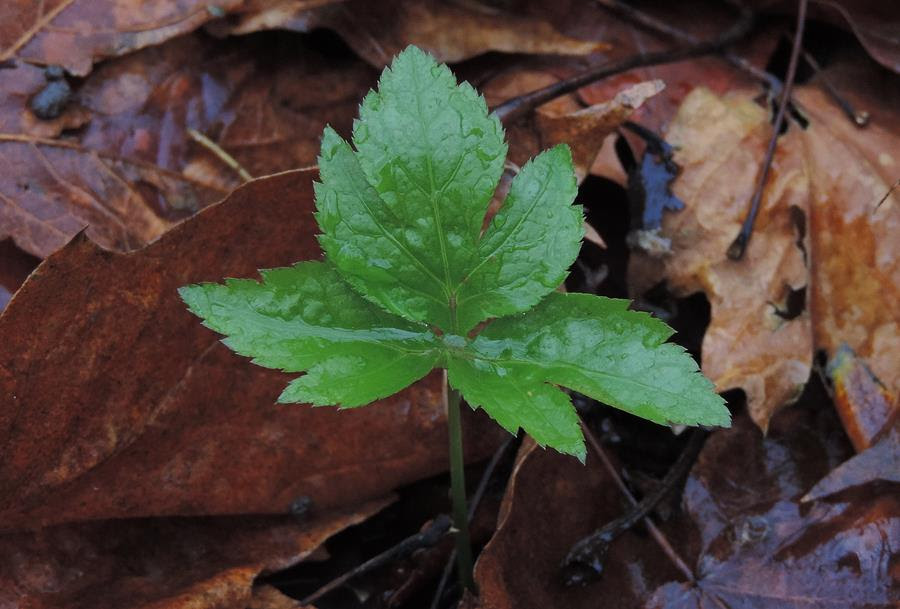
During a recent walk through a local floodplain, I was excited to find several fresh greens sprouting amongst the leaf litter.  Many of these plants were herbaceous members of the celery family, and a few others were aromatic species related to mints and chives. 

Rather than treating them as trailside nibbles, I decided to harvest these tasty plants and incorporate them into a wild, homemade vegetable broth.  With the addition of wild edible mushrooms, the broth was incredibly easy to make and quite delicious. 

If you’re interested in learning how to forage local plants and mushrooms so that you too can create a homemade vegetable broth, check out the brand new video!

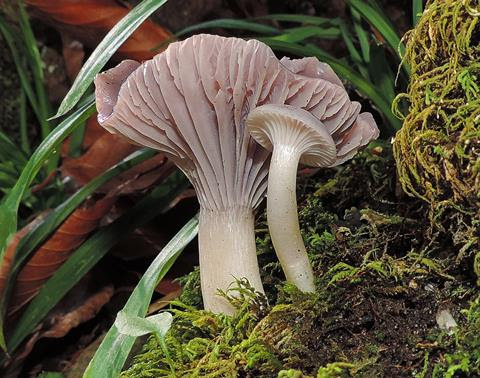
Have you seen this waxcap mushroom?  Few fungi resemble this species, and if you’re in the right habitat, perhaps you’ll encounter a specimen or two!  Check out this recent Instagram post to learn more about the violet-colored waxcap.Click to view post

Thanks for reading and watching, and as always, thank you for your support!

-Adam Haritan

Home-Grown and Wildcrafted Smudge Sticks: Plant List and Recipes

Dana's avatarThe Druid's Garden

Basket of newly made smudge sticks Basket of newly made smudge sticks

Creating homemade smudge sticks with local ingredients is a wonderful activity to do this time of year.  As the plants die back, you can harvest whatever you aren’t using for other purposes and create a number of beautiful smudges that can be used for many different purposes: clearing, honoring spirits, protection, setting intentions, letting go, bringing in, preparing for ritual or mediation, and much more.

A few years ago, I wrote an initial post on homemade smudge sticks using local ingredients–this has become my most popular post on my blog.  Given that, I wanted to offer a follow-up post with some additional information and share a few smudge stick recipes for specific purposes. For initial instructions on how to make your sticks, please see my first post.  This post expands the plant list that you can use to make smudges and also offers…

View original post 2,497 more words

Making Smudge Sticks from Homegrown Plants and Wildharvested Materials: Step by Step Instructions with Cedar, Rosemary, Sage, Mugwort, and More!

Dana's avatarThe Druid's Garden

I recently posted about my research on Eastern White Cedar, and I wanted to follow-up that post with information on making smudge sticks, inspired by Eastern White Cedar. Smudge sticks are bundles of herbs that are dried and burned for purification and ceremonial uses. They come out of Native American traditions, but today they are broadly used by many for their purification purposes.  I use them as a druid in my ceremonies, to bless and cleanse my house, to cleanse outdoor spaces that are in some kind of energetic funk.  But I also use them practically–as a blessing for my garden at the start of the growing season, as a way to remove hostile energies from my chickens who aren’t getting along, or to pass among friends before sharing a meal.  They are a great way to bring a bit of ceremony and the sacred into the everyday.

Freshly Wrapped Smudges Freshly Wrapped…

View original post 2,564 more words

Contemplating Death

Spirit Obsession