By Maryann Readal
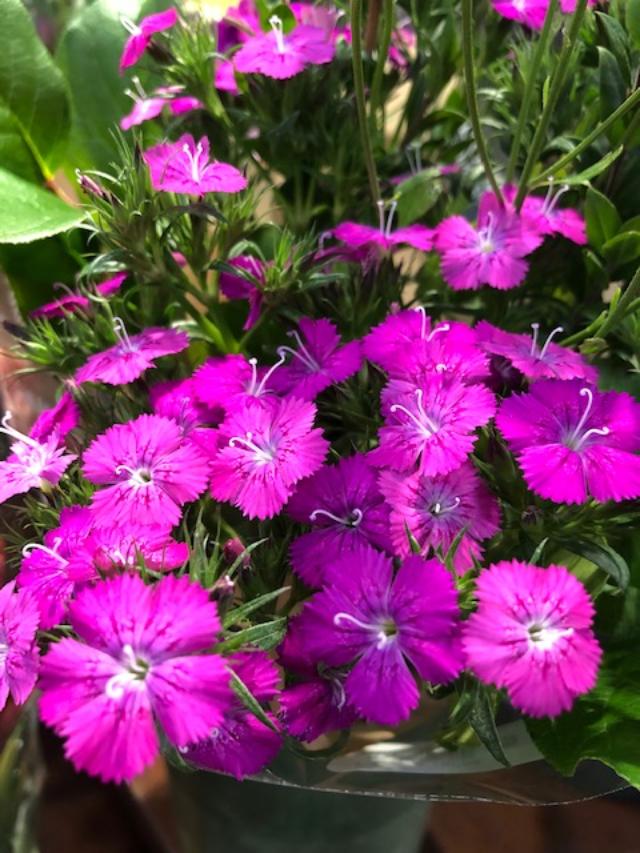 Dianthus is The Herb Society’s Herb of the Month for April. The timing is perfect as the weather is beginning to be spring-like, and these plants are now available in our garden shops. The Greek botanist, Theophrastus (371-287 BCE), is credited with giving these flowers their name. He combined the Greek word for dios, “divine,” with anthos, “flower” and came up with dianthus.Dianthus have been cultivated and bred for over 2,000 years, and many different colors and flower types have been developed along the way. With successive breeding, however, many of the cultivars have lost their native clove-like scent.
The old-fashioned plant that our grandmothers called pinks, Dianthus plumarius, can be a perennial or an annual. It is a compact, evergreen, clove-scented, low-growing species of Dianthus. Like other Dianthus, it prefers an alkaline soil and plenty of sun. The perennial variety blooms later…



 Are you interested in learning more about the herbal uses of plants from around the world? Are you ready to challenge your horticultural skills in a public garden setting? Are you enthusiastic about sharing that knowledge with people? Then, consider joining our team!
 Many gardeners are surprised to learn that

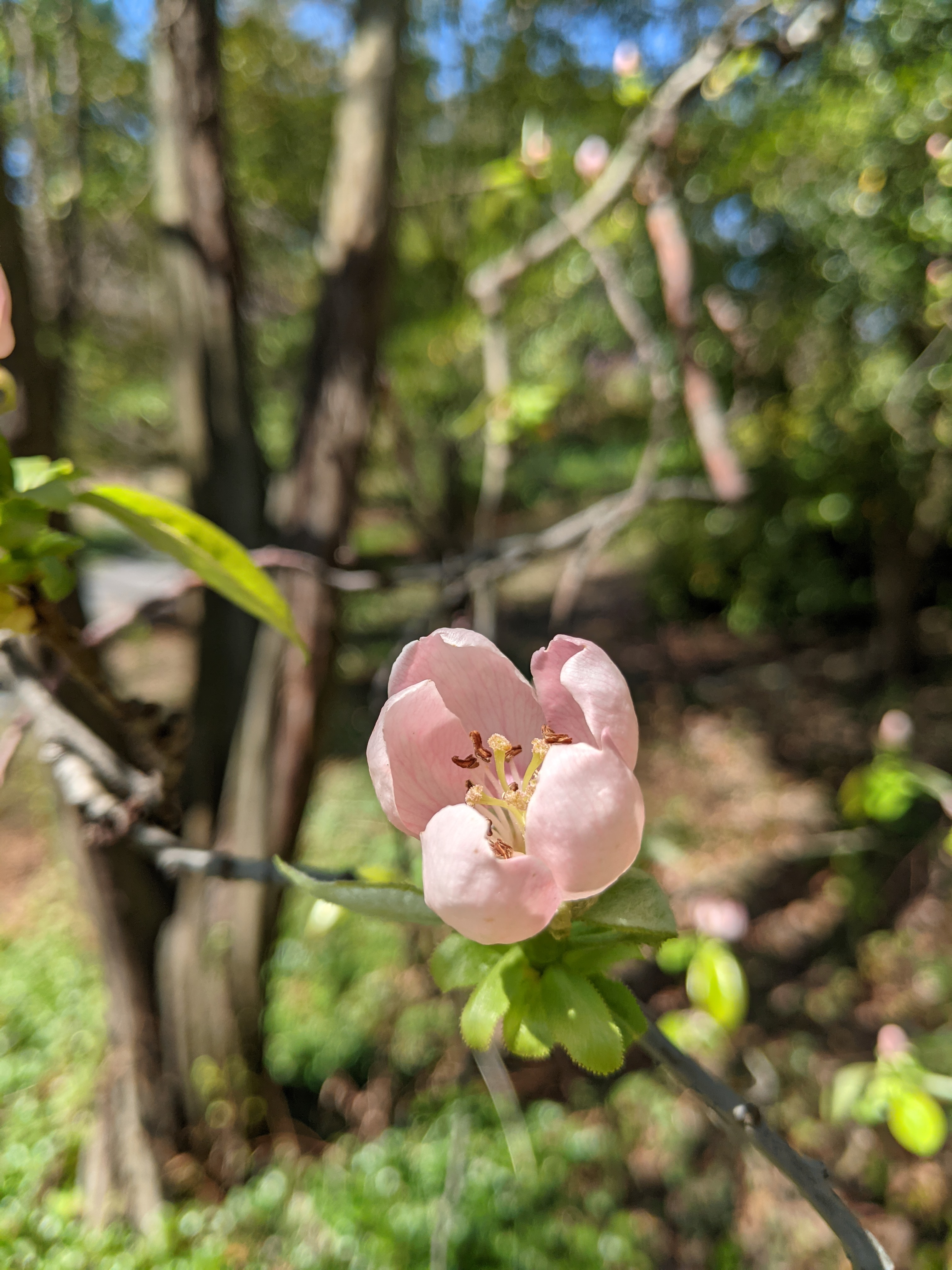 After a brief email exchange with a colleague last fall around this same time, I set off to collect some fallen treasures from the forest floor from a tree I had never collected from before. The fruit was large and aromatic, but I was unfamiliar with its culinary use. Suddenly the sweet scent of ripening flesh let me know that the bounty was close, and true to smell, the six-inch long, bright yellow fruits of the Chinese quince
 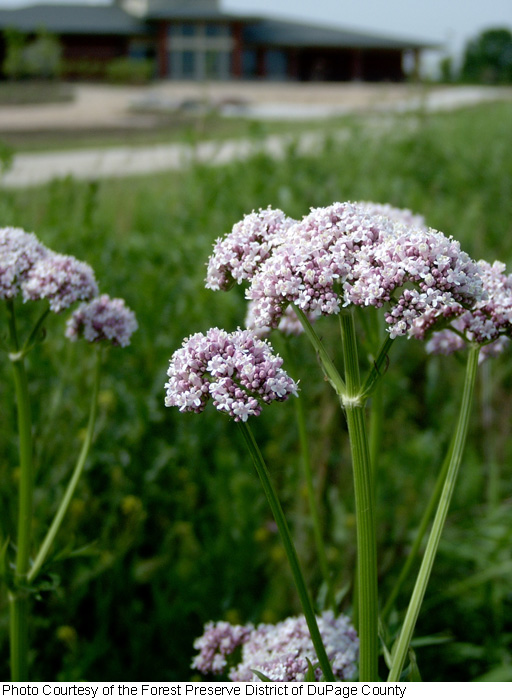 Many people may be familiar with the distinctive aroma of valerian root; old socks, wet dog, and horse manure are just a few things to which the odor has been affectionately compared. In fact, the constituent responsible for the smell, valeric…

You must be logged in to post a comment.