
By Susan Belsinger
Greetings and Happy Autumn!
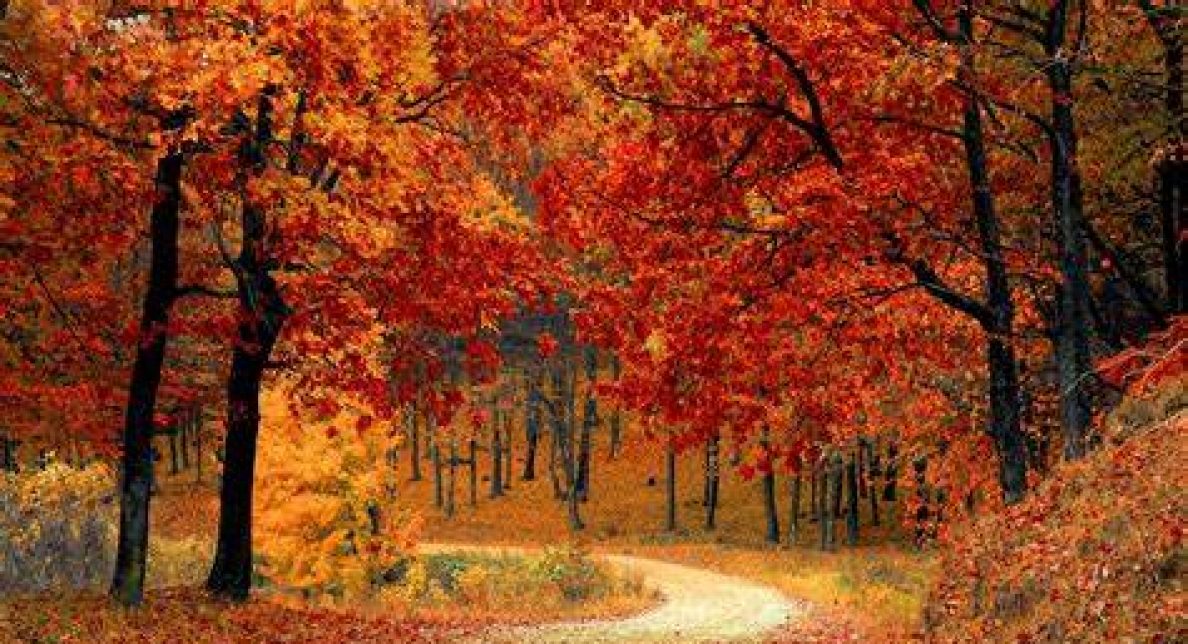
 I am writing this on the evening of the full harvest moon—it is shining bright in the night sky just over the treetops. We are also celebrating the Autumnal Equinox. I know that fall is here by the feeling in the air—cooler nights—and needing to grab that extra blanket; the smells are different—moist, earthy, and leafy; the departure of the hummingbirds since the jewelweed blooms are fading; the slowing down of plant growth in the garden and the ripening of others—herbs are maturing, flowers are showing off their last hurrahs, and many plants are producing seeds. It is time for gathering the bounty and celebrating the harvest!
I am simply delighted to share some news with you. Last harvest season, I made three educational videos featuring “Gathering and Preserving the Herbal Bounty” for members of The Herb Society of America.
These videos give…
View original post 499 more words

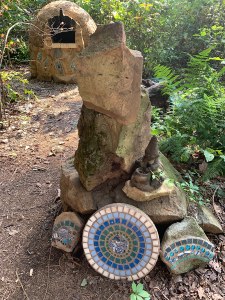
 The lazy days of summer quickly transition to the more scheduled and hurried days of autumn. While glorious hues are found in changing leaf color and late season blooms like goldenrod and Joe-Pye weed, the pace of our world undeniably quickens during this season. Add the additional stress and worry about the Covid-19 pandemic and the message is clear–take time to personally cultivate peace and manage stress.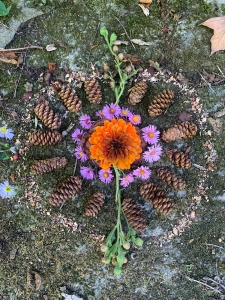
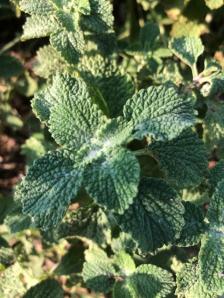 The fuzzy, light gray, deeply-wrinkled leaves of horehound (Marrubium vulgare) offer a nice contrast to other colors and textures in the garden. I love that contrast around the base of the red roses in my garden. Horehound is a perennial herb that grows from one to two feet tall, and can spread in the garden. It prefers dry sandy soil and a sunny location, tolerates poor soil, and is hardy in USDA Zones 4‒8. It may be started from seed in the spring, although germination is slow and sometimes not reliable. Cuttings can be taken from a mature plant or the established plant can be divided. Its leaves have a very bitter taste. Horehound produces whorls of small white flowers at the top of the stalk in the second year. The flowers are very attractive to bees, which makes for a tasty honey. The barbed…
 For those who love color AND plants, natural dyes connect you instantly to a vast range of artisanal hues that are truly vital, vibrant, and inherently meaningful through the ingredients themselves.
 Cayenne pepper, a member of the Solanaceae, or nightshade, family, is native to tropical North and South America.
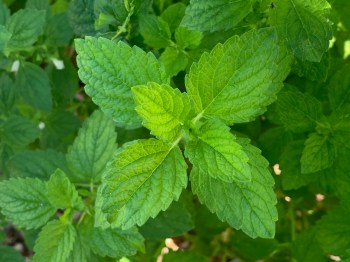
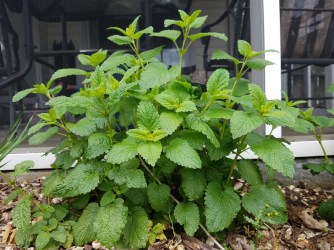 Got a big patch of lemon balm in the garden? Freshen up your sink disposal after trimming the lemon balm leaves to use in salads! Stuff the stems down the drain and whirr away for lemony freshness. – Peg Deppe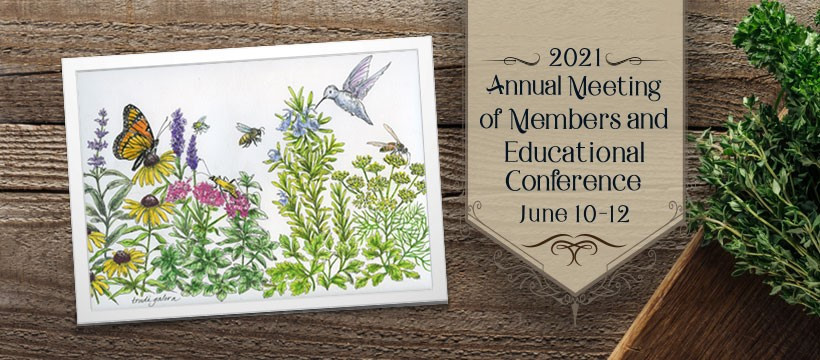
 During our Virtual EdCon, you will have the opportunity to enjoy nine outstanding programs featuring presenters from all parts of the country and beyond. Notable HSA member, Deni Bown, joins us from Spain to kick off the educational programming portion of the conference with a keynote titled “Herbs R Us.” Don Haynie, a returning…

You must be logged in to post a comment.