Category: Gardens
Roses for Beauty, Flavor, and Fragrance

By Beth Schreibman Gehring
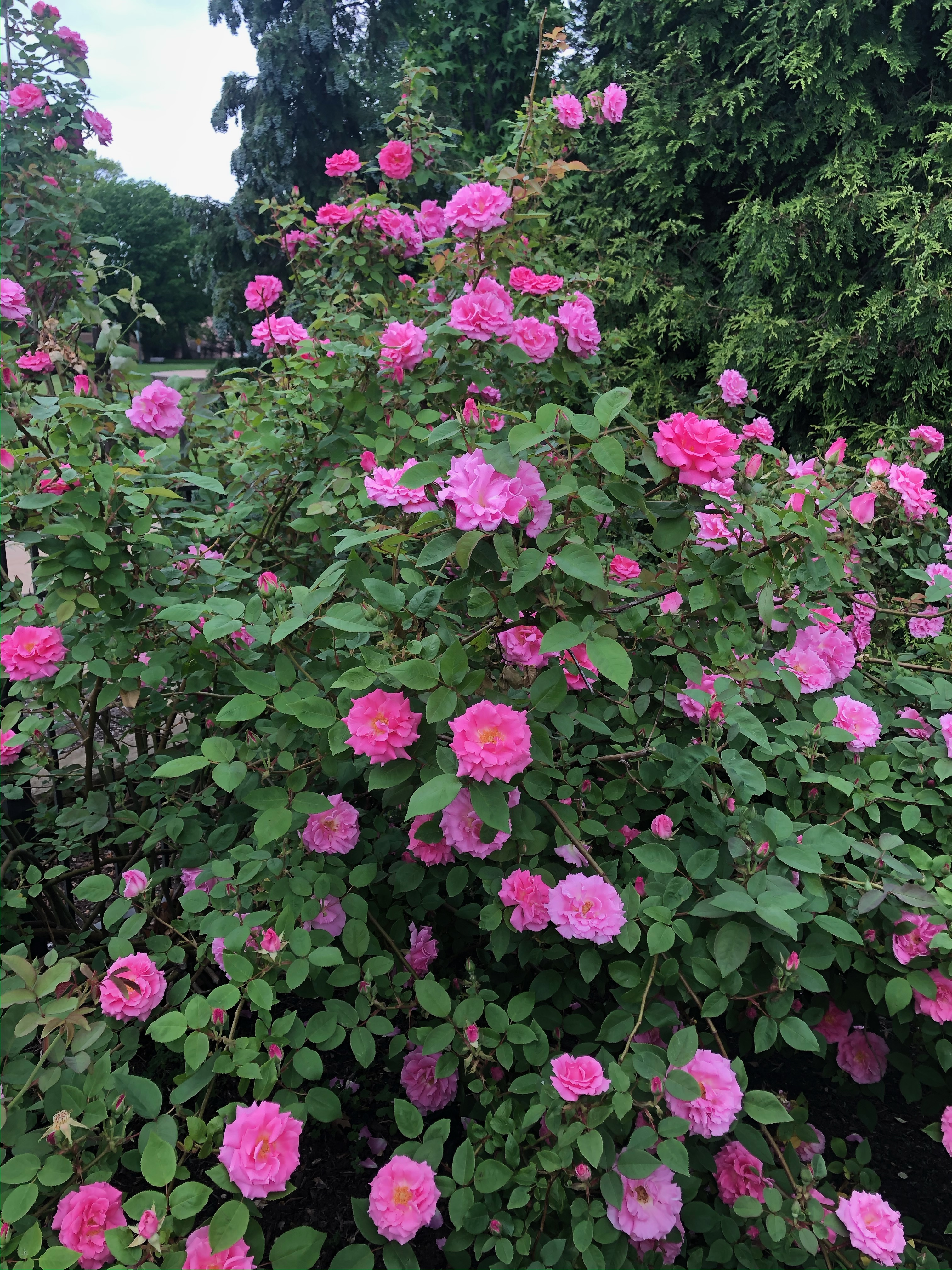
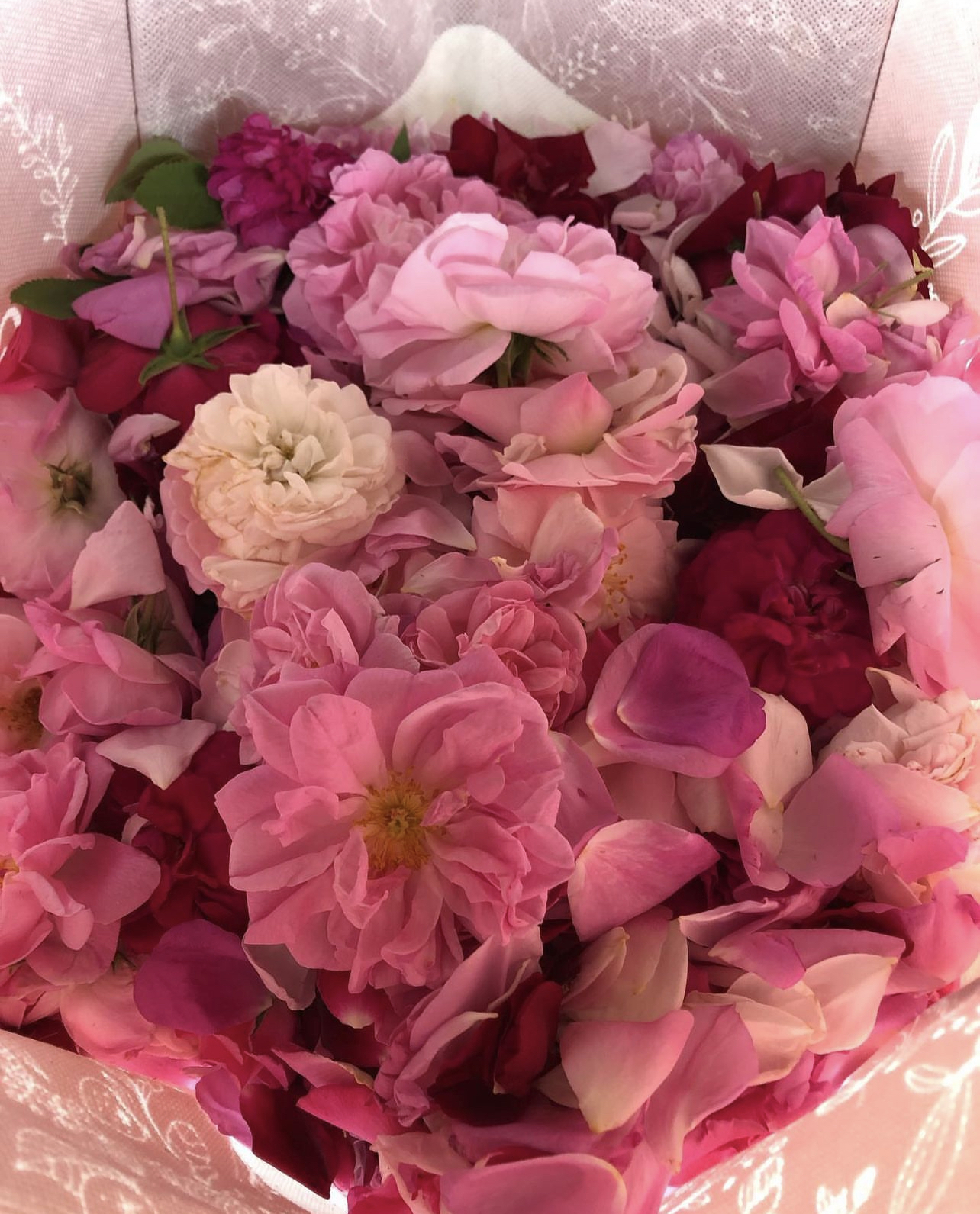 From as early as I can remember, I have been completely smitten by the beauty and versatility of roses. As I have mentioned before, my father was a passionate gardener who loved heirloom roses. Being a trained biologist, he knew the value of gardening organically, and he promoted the benefits of mycorrhizal fungi in the late 70s to strengthen the roots of his garden plants. Instead of using fungicides and pesticides, he planted fragrant herbs among the roses, knowing that many common rose pests would be deterred by the essential oils that they released. He would always tell me, “Remember Beth Ann, feed the roots first and forget about the flowers, because if you feed the roots, the flowers will always be healthy and beautiful.” This is a piece of advice I have followed to this day with real success.
 Like many artists for centuries before…
View original post 1,969 more words
Mushrooms as Nature’s Alchemists: Cycles, Connections, Healing, and Vision — The Druids Garden

When I feel lost and feel like the hope is gone in the world, I go spend time with some mushrooms. Mushrooms, more than any other organism on this planet, give me hope. So much so, I’ve been doing an intensive year-long study of the fungi kingdom, learning their medicine, their magic, their visionary properties,…
Mushrooms as Nature’s Alchemists: Cycles, Connections, Healing, and Vision — The Druids Garden
Perennial Herbs for the Garden
By Peggy Riccio
 I love being able to step out into the garden and snip fresh herbs whenever I need them. Yesterday, I was making ham and bean stew in the crockpot. I was inspired to add thyme so I cut off a few sprigs from the thyme growing in the front of the house. I looked around and snipped even more herbs: cutting celery, oregano, sage, and rosemary. Except for the cutting celery, these are perennial herbs that should be in everyone’s garden. They can be tucked in the ornamental bed just like any other perennial plant. In the spring, you can purchase the small plants from a nursery or you can ask a friend for a cutting or division. Once you have them in your garden, you can enjoy them year-round and nothing will bother them, not even deer.
Cutting Celery
 Botanically speaking, the cutting celery is a…
View original post 702 more words
HSA Webinar: Fairy Gardens Throughout the Ages (and How to Make Your Own)
By Julie Bawden-Davis
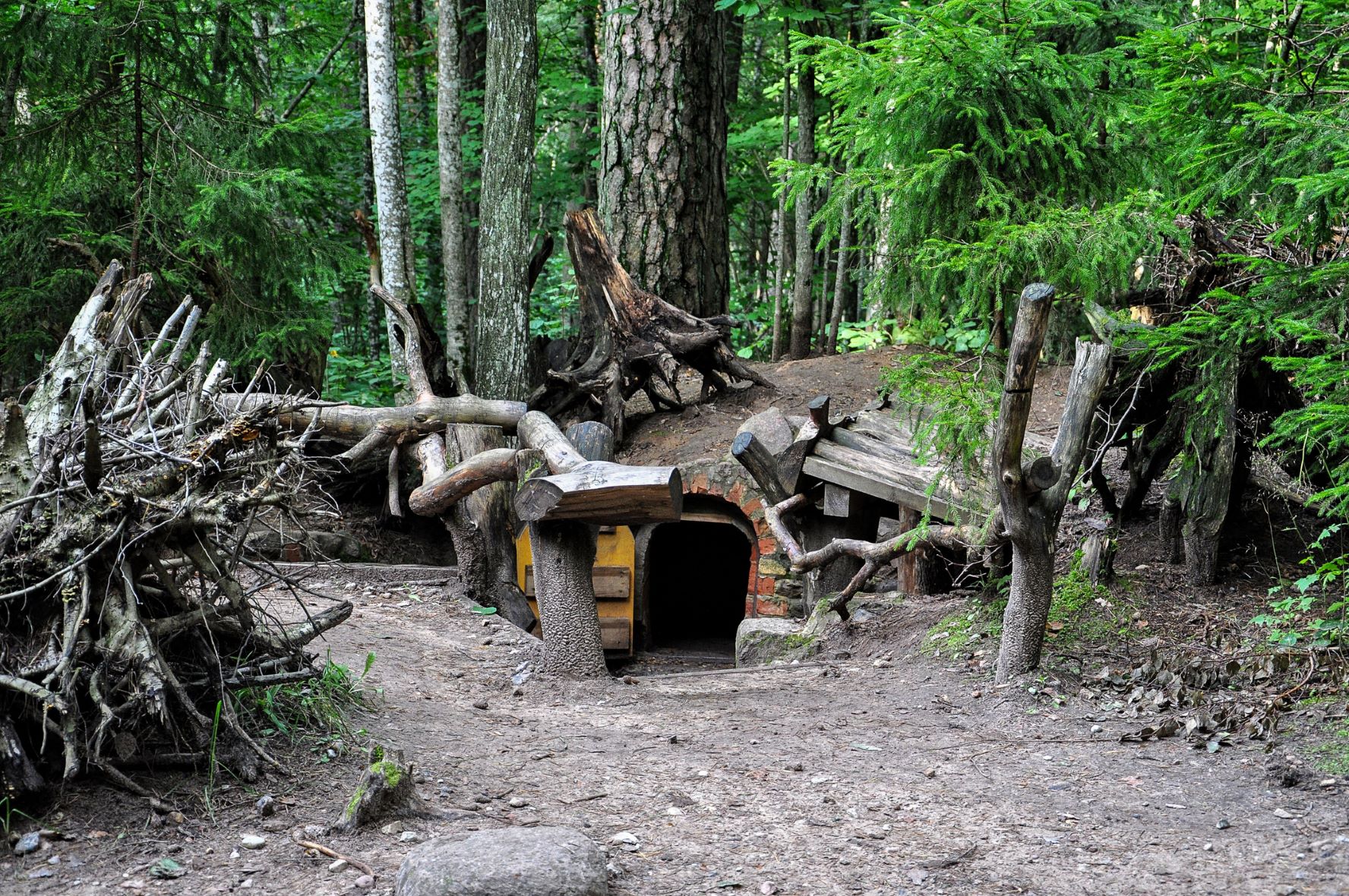 Long before humans roamed the forests, fairies are said to have taken up residence in the cavities of trees, forming fairy houses where they took refuge. Dating back to the Middle Ages, fairy folklore says that these little beings possess supernatural powers.
Many believe that fairies come from the elements—in fact, from Mother Nature herself. For that reason, it makes sense to add fairies to your garden. Even better, adding fairy gardens to your landscape elevates the magic and mystery of your landscape.
How to Make Your Own Fairy Garden
Whether you believe in fairies or not, anyone can make their very own fairy garden. A wide variety of herbs work well in these mini wonderlands. In fact, the diminutive nature of some herbs, like thyme and oregano, makes them fairy garden favorites.
To create your own container fairy garden using herbs and fairy garden accessories, keep…
View original post 947 more words
Uncanny Fruits, Autumn Foraging & Chocolate Bundt Cake — Gather Victoria

From quince, medlar to barberry, I love to forage for the odd fruits which abound this time of year. The following recipe for this intensely moist almost pudding-like bundt, however, is filled with two strange-looking fruits I’ve not cooked much with before. It’s adapted from the Chocolate Cherry Samhain Bundt I just posted on Gather…
Uncanny Fruits , Autumn Foraging & Chocolate Bundt Cake — Gather Victoria
To Squash Or Not To Squash: Musings On Invasive Species
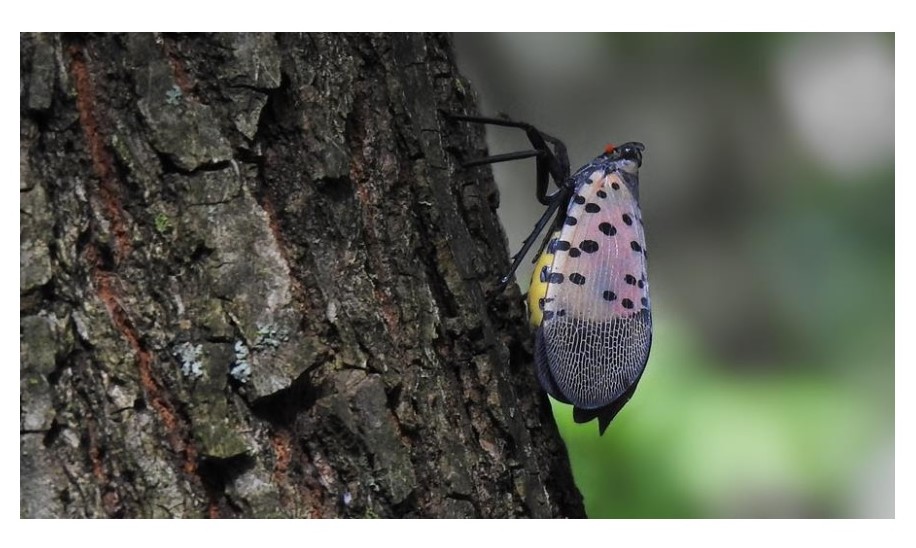
| The devil was on one shoulder. An angel on the other. Both were telling me how to proceed, but I couldn’t decipher which voice belonged to which entity. “Cut the bag open,” one voice instructed.” Leave it alone,” said the other. Apparently, my former sense of good and evil was blurred. Who was the devil, and who was the angel? It all started when I was driving on a backcountry road in Pennsylvania. I encountered a stand of tree-of-heaven (Ailanthus altissima) whose trunks were adorned with plastic contraptions. “Spotted lanternfly traps,” I thought to myself. Curious to see how effective the contraptions were, I pulled over. The traps were constructed 5 feet from the bases of the trees. Each trap was clearly occupied. I decided to take a closer look. The first trap held dozens of spiders and beetles — some of them alive, many of them dead. The number of spotted lanternflies within this trap equaled exactly zero. I then checked trap number two. Like the first trap, this one also held dozens of spiders and beetles. The number of spotted lanternflies within this trap also equaled exactly zero. Every trap was like this. None contained a single spotted lanternfly. All imprisoned spiders and beetles. Thinking what my role in all of this should be, I soon found myself accompanied by two supernatural advisors — one on each shoulder. Cut the bags open? Or walk away? Cutting them open — or at least permanently disabling the traps — would release the living insects and ensure that no more would perish. Doing so, however, would benefit spotted lanternflies — insects that are deemed invasive and destructive in North America. What was the right thing to do? Questions on the topic of invasive species weren’t new to me. They had materialized before. What was right? What was wrong? What was good? What was bad? Who belonged? Who didn’t? After much pondering over the years, I’ve come to realize that questions will always be plentiful. In a brand new video, I ask several questions on the fascinating topic of invasive species. Few of these questions have simple answers, but all are deeply considered. If you are interested in hearing my thoughts, you can watch the video here. Thank you for your support. — Adam Haritan |
Learn To Identify 100 Trees In All Seasons
Greetings,
I am very excited to announce that registration for my brand new online course will be open on Monday, May 23rd.
Trees In All Seasons is a four-season online video course designed to help you successfully identify over 100 trees in every season — spring, summer, fall, and winter. Additional topics that are featured in this course include tree ecology, physiology, anatomy, and taxonomy.
This course is presented entirely online and it features over 75 exclusive videos that lay the groundwork for successful tree identification. If you are interested in identifying trees but are finding it difficult to learn through field guides and apps, consider enrolling as a student in Trees In All Seasons.
Please note: Trees In All Seasons will be open for registration for two weeks only from Monday, May 23rd to Monday, June 6th. Upon registration, you have immediate access to all course content and you can watch the videos at your own pace.
To register for Trees In All Seasons, mark your calendar for Monday, May 23rd and visit this link.
All additional information (including course structure, outline, and cost) will be posted on Monday.

My good friend Aaron Watson recently invited me on to his podcast to discuss my work with Trees In All Seasons and Learn Your Land. To learn more about the course, as well as my motives in creating the course, check out the recent interview:
Part 1
Part 2
I look forward to seeing you on Monday!
-Adam Haritan
Dianthus – Herb of the Month – A Plant of Beauty and Meaning
By Maryann Readal
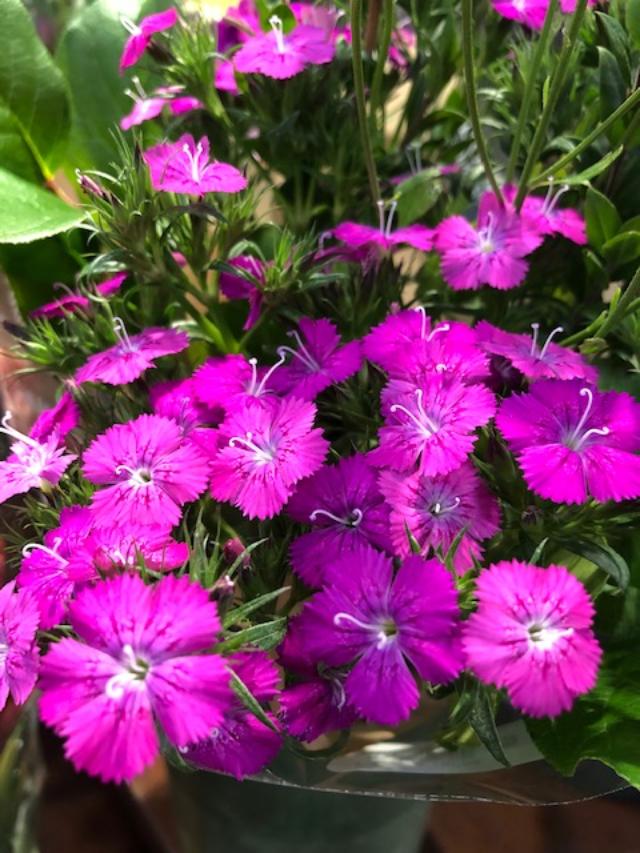 Dianthus is The Herb Society’s Herb of the Month for April. The timing is perfect as the weather is beginning to be spring-like, and these plants are now available in our garden shops. The Greek botanist, Theophrastus (371-287 BCE), is credited with giving these flowers their name. He combined the Greek word for dios, “divine,” with anthos, “flower” and came up with dianthus.Dianthus have been cultivated and bred for over 2,000 years, and many different colors and flower types have been developed along the way. With successive breeding, however, many of the cultivars have lost their native clove-like scent.
The old-fashioned plant that our grandmothers called pinks, Dianthus plumarius, can be a perennial or an annual. It is a compact, evergreen, clove-scented, low-growing species of Dianthus. Like other Dianthus, it prefers an alkaline soil and plenty of sun. The perennial variety blooms later…
View original post 1,355 more words
National Herb Garden Announces Internship Opening for 2022-2023!
 Are you interested in learning more about the herbal uses of plants from around the world? Are you ready to challenge your horticultural skills in a public garden setting? Are you enthusiastic about sharing that knowledge with people? Then, consider joining our team!
The National Herb Garden, located on the grounds of the U.S. National Arboretum in Washington, DC, is looking to hire an intern to assist with all gardening tasks, including plant propagation, record keeping, and educational programming. This internship runs from April/May 2022 through spring of 2023. It is full-time, but part-time may be considered on a case-by-case basis. Schedule includes one weekend day August through October; the rest of the year, it is Monday through Friday. The position is open to U.S. citizens and is paid by stipend through The Herb Society of America. Housing is not provided. If you, or someone you know, is…
View original post 52 more words


You must be logged in to post a comment.