
by Christine Parks
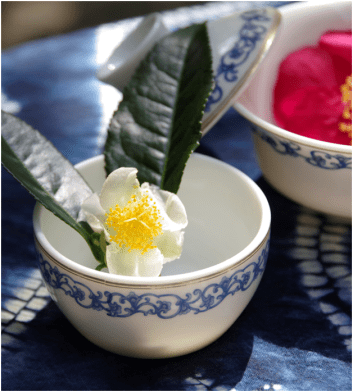 Many gardeners are surprised to learn that Camellia sinensis is the most popular camellia in the world. And most tea drinkers in the U.S. have no idea that tea is made from the leaves of a camellia. Like them, I enjoyed tea for decades without giving a second thought to its origin. All I knew was that Golden-tips came from Assam, Genmaicha from Japan, and Red Rose Tea from the grocery store. I got my daily dose of caffeine from coffee and drank as much herbal tea (tisanes) as traditional caffeinated teas. Flash forward 25 years, I’ve given up on coffee and become intimately involved with tea – a relationship grown, both literally and figuratively, through gardening.
Much has been written about herbal tea gardening. I have several of these books, along with various texts on herbal medicines, and an older favorite from my grandmother’s bookshelf, The…
View original post 720 more words
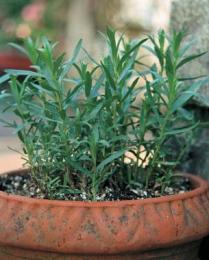 It pays to pay attention to plant labels. Especially in the case of tarragon–especially if you are planning to use tarragon in your cooking. If you are growing tarragon for culinary purposes, be sure the label on the plant or seed that you buy says “French tarragon” or Artemisia dracunculus ‘Sativa’, to be sure. If the label says only “tarragon,” you may be purchasing Russian tarragon, which is not the tarragon you want for your roast chicken or béarnaise sauce.
  When I think of herbs for Christmas, I always think of the Simon and Garfunkel “Scarborough Fair” song: “Are you going to Scarborough Fair? Parsley, sage, rosemary, and thyme.” Sure, there is peppermint and plenty of spices, but these herbs seem to be the most popular during the holidays. I think that is because these plants are still green in the garden. In my USDA Hardiness Zone 7 Virginia garden, I can still pick these plants in December to use in the kitchen. My mint plants, always in containers, overwinter well, and I can harvest spearmint and peppermint.
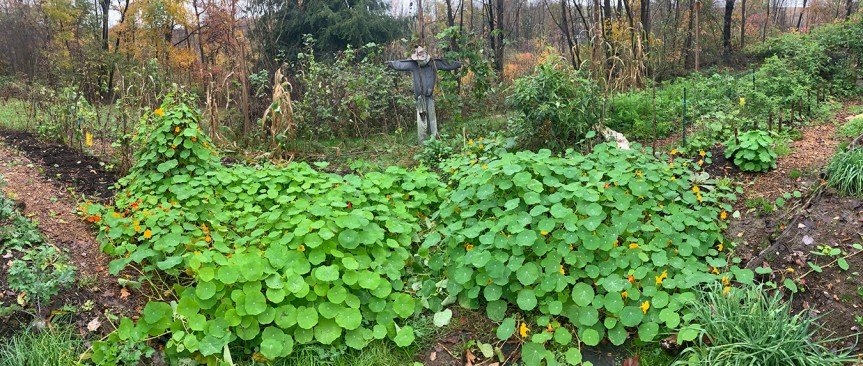

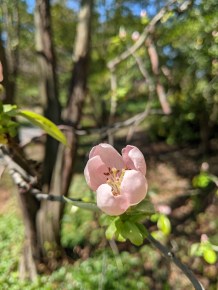 After a brief email exchange with a colleague last fall around this same time, I set off to collect some fallen treasures from the forest floor from a tree I had never collected from before. The fruit was large and aromatic, but I was unfamiliar with its culinary use. Suddenly the sweet scent of ripening flesh let me know that the bounty was close, and true to smell, the six-inch long, bright yellow fruits of the Chinese quince
 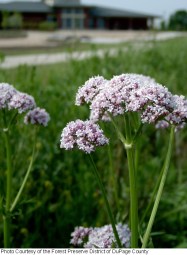 Many people may be familiar with the distinctive aroma of valerian root; old socks, wet dog, and horse manure are just a few things to which the odor has been affectionately compared. In fact, the constituent responsible for the smell, valeric…
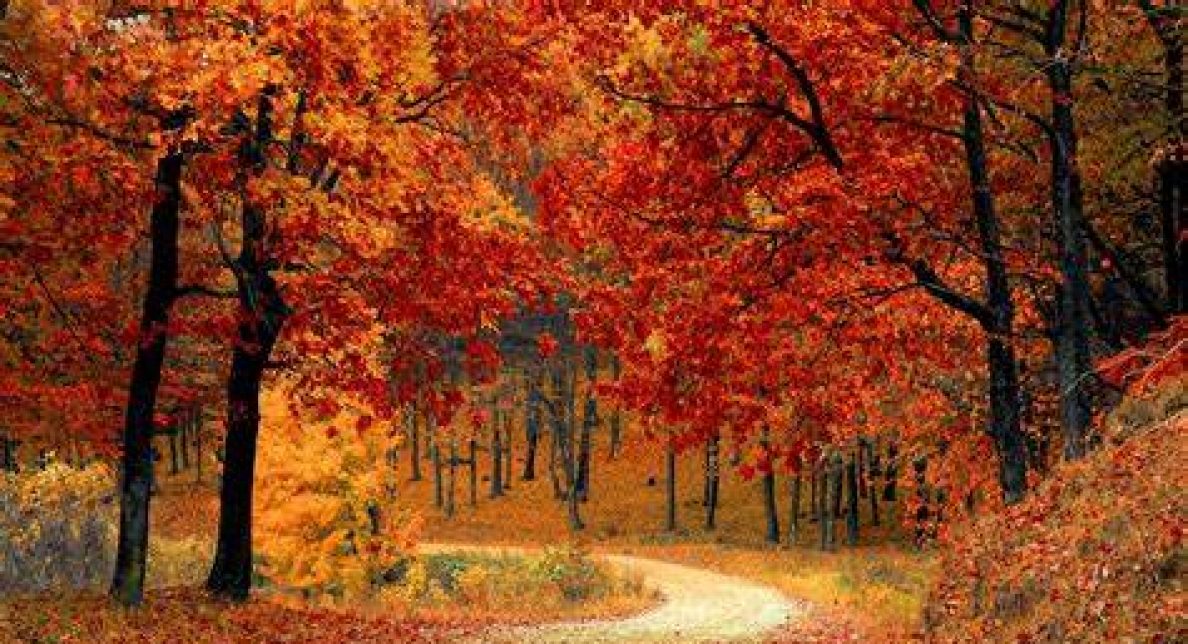
 I am writing this on the evening of the full harvest moon—it is shining bright in the night sky just over the treetops. We are also celebrating the Autumnal Equinox. I know that fall is here by the feeling in the air—cooler nights—and needing to grab that extra blanket; the smells are different—moist, earthy, and leafy; the departure of the hummingbirds since the jewelweed blooms are fading; the slowing down of plant growth in the garden and the ripening of others—herbs are maturing, flowers are showing off their last hurrahs, and many plants are producing seeds. It is time for gathering the bounty and celebrating the harvest!


You must be logged in to post a comment.