Month: August 2019
A Deeper Look At Forest Roots

Sandy loam, a substance created by the breakdown of minerals (rock) mixed with the breakdown of carbon (tree or grass detritus). Sandy loam is what we all want, because it is the best all around substrate for growing the plants we love the most: Goldenseal, Ginseng, Black and Blue Cohosh, Wild Yam, Twinleaf, Bloodroot, Stonerooot, Mayapple — the entire interconnected clan of powerfully medicinal shade-loving forest roots. My book “Growing At-Risk” gives a chapter on each of these (and other) herbs of the hardwood forest biome. Let’s look a bit deeper into what can be done to bring these entities down home and help them prosper!
Survey the growing area. It may be a woodland with trees, brush and diverse broadleaf species already intact. If this is the case, identify areas overgrown by weedy species or heavily shaded by dead wood or thin-able trees. Such areas have often been left undisturbed for some time, and the soil may be rich and undisturbed. Clear away dead wood and crowded trees, giving access to the forest floor and providing more light to the growing beds. Forest roots like dappled shade, where sunlight moves across the moist and humus-laden soil in amorphous patches.
After all, even shade-loving herbs eat light! Remove existing weedy species and push your spade into the ground. If you have at least 6 inches of good dirt, then it’s a go. Pull the existing mulch away from the planting bed, which should be at

least 4 feet wide, arranged with a path to the side to guide forest creatures and humans away from the planting, not over the top of the sensitive plants. Pile the mulch in the path, and plant the dormant roots in the bed, then rake the mulch back over the top of the bed. Mark the bed with a heavy stake and a label giving the date and the species planted there. Metal tags may be used for this, so that they do not fade or disintegrate with time. You will be oh-so-happy that you marked your planting spot!
Read full article via Ricoh’s Blog: A Deeper Look at Forest Roots
Fall Gourds

Storage containers, bowls, utensils, tools, masks, musical instruments, jewelry, dolls, flotation devices, toys, wheels, sieves, food, birdhouses – the list goes on and on for the many functional, spiritual, and decorative uses of the humble gourd. At this time of year, gourds abound at farmer’s markets, the grocery store, and even the backyard for some dedicated growers. This oddly shaped fruit has a colorful history – and deserves a bit of spotlight.
Origin
While not a common backyard plant today, it’s believed that gourds may be the earliest domesticated plant in North America. A previous theory held that the bottle gourd originated in Africa, carried over to the Americas via the Atlantic Ocean. But as the American Gourd Society reports, archeological and DNA evidence shows them coming from Asia more than 10,000 years ago via the Bering Strait – either by boat, by floating across the water, or carried by…
View original post 1,082 more words
A Tribute To The Dog — Oro Cas Reflects
I found the following piece of literature in a 1959 National Geographic magazine that I own. It is part of a huge collection that I purchased from an estate. This writing can also be found inscribed on “The Old Drum Memorial” in Warrensburg Missouri and was written in 1870. A Tribute To The Dog A […]
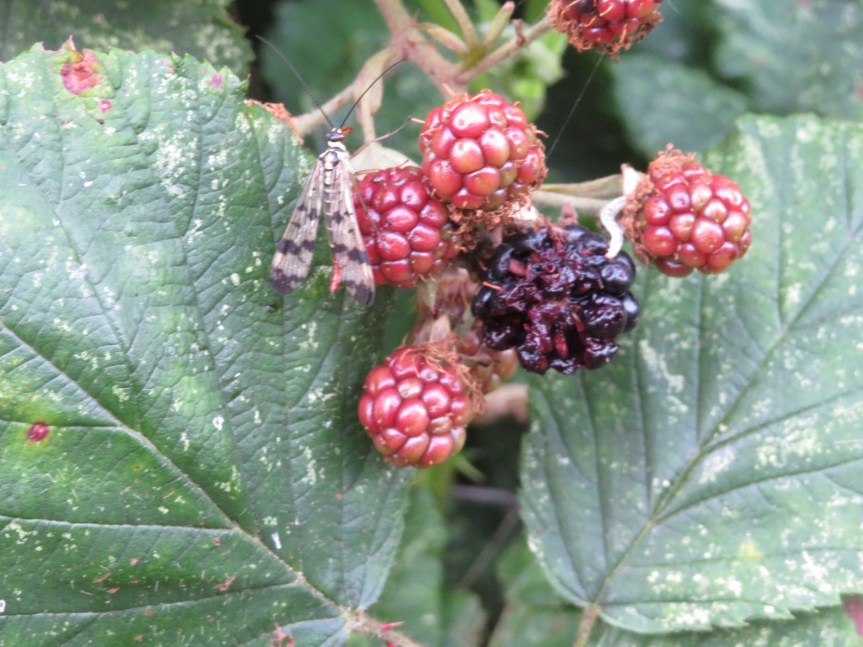
August (and Blackberry Jam)
Make Your Own Herb Kombucha


This popular, fizzy beverage provides flavor, health benefits, and an opportunity to use some of your favorite herbs. Learn how to brew up a batch of homemade kombucha.
Known as the “tea of immortality” in China, where the earliest recorded use dates back to 221 BCE, kombucha has enjoyed an epic rise in popularity here in North America over the last several years. Cruise through the beverage aisles in any grocery store and you’ll likely find kombucha from several different brewing companies, with a huge range of flavors to choose from. The appeal of this unique beverage and the opportunity to personalize it with herbs and other additions make brewing your own kombucha a creative endeavor that tastes good and may also offer some benefits to your health.
Getting Started
So, what exactly is kombucha? It’s a fermented tea – a combination of brewed tea from the Camellia sinensis plant…
View original post 1,975 more words
Staghorn Sumac Sugar Fritters — Gather Victoria

A Bunyol is a Spanish Sugared fritter, so these are Staghorn Sumac Sugar Bunyols. Imagine a warm doughnut (without the hole) rolled in a silky lemony tasting icing sugar and you’ve got the idea. A bunyol (or buñuelo) is a small yeasty bun traditionally enjoyed in Spain on All Saints Day (Nov.1st) which is dedicated to the memory of the…
When Recycling Fails: Home-Scale Solutions for Paper and Plastic Waste into Resources

For decades here in the USA, recycling was touted as one of the more easy environmental things you could do. I, like many others, assumed that local recycling facilities processed materials, they were sent to factories, and then later, re-integrated into various products. Boy was I wrong! Turns out that recycling is an industrialized business like any other, and part of the reason is that it was so promoted is that there was profit in waste. In fact, from 1992 – late 2018, most recycling produced in the US shipped to China, who paid top dollar for recycled resources that were used to build their own economy. China had very lax environmental laws, and the more “dirty” recycling the US produced was sent to China for cheap sorting and processing. While some of those materials were recycled, many of the recycled materials ended up unusable and were discarded, moving down…
View original post 2,603 more words
Medicine Chest: Herbal First Aid Kit
Topical Herbal First Aid Kit
As you delve into the world of herbal medicine, at some point or another you take a look at your medicine cabinet and think, “What kinds of natural remedies should I stock in my first aid kit?” Many herbs offer topical applications for a variety of everyday woes, including aches and bruises, cuts and scrapes, bug bites and rashes. And conveniently, you can cultivate or wildcraft most of these herbs or find them easily at natural food stores and online herb shops. Here are a few basics to consider stocking:
Plantain {Plantago major} leaf, a ubiquitous and easily recognizable weed, is readily available in most lawns, woodland path edges, and pavement cracks. You can apply the freshly chewed or mashed leaves directly to bug bites, bee stings, poison ivy, rashes, and splinters to quickly draw out inflammation, irritation, venom, and foreign objects. How…
View original post 1,755 more words
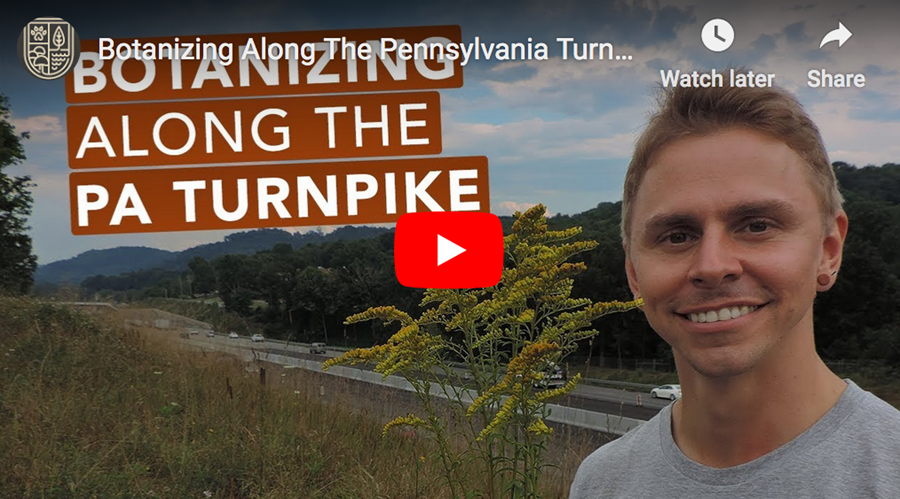
Botanizing Along The Pennsylvania Turnpike (New video!)

Greetings!
First, I’d like to say “thanks!” to everyone who registered for the upcoming Midwest Wild Harvest Festival in Prairie du Chien, Wisconsin. The event has officially sold out, though if you’re looking for additional opportunities to learn foraging (specifically mushroom foraging), look no further than the annual Gary Lincoff Memorial Foray on September 21st in Pittsburgh.
Tickets are still available for this latter event in which I, along with Bill Russell (author of Field Guide to Wild Mushrooms of Pennsylvania and the Mid-Atlantic) and Rick Kerrigan (the foremost authority on North American Agaricus mushrooms) will be presenting during the afternoon lecture sessions.
And now on to this week’s brand new video!
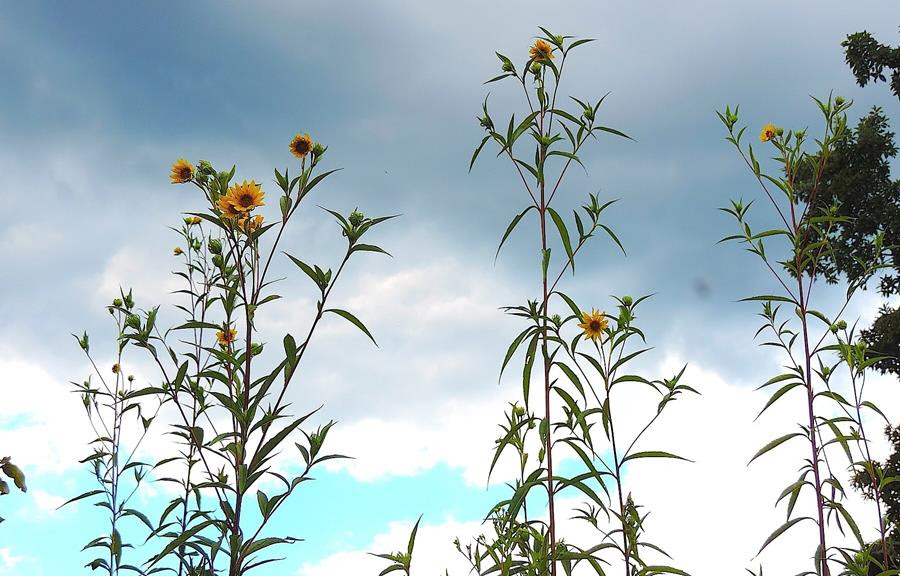
I get the feeling that most people wouldn’t consider major highways to be prime habitats for botanical exploration. Interestingly, however, areas that are perpetually kept in an early stage of ecological succession — especially areas that receive ample amounts of sunlight — can harbor incredible numbers of plant species.
Such is the case with the Pennsylvania Turnpike — a 360+ mile highway that traverses the entire state.
I recently spent some time exploring an area alongside the Pennsylvania Turnpike in search of native plants that thrive during the warmest weeks of the year. And of course, I decided to film the experience.
If you’re interested in seeing what it’s like to botanize along the Pennsylvania Turnpike in mid-August, check out the brand new video!

Bad hair day or fungal overgrowth? Unfortunately for this spider engulfed in mycelium, things aren’t looking too good. Have you ever seen something like this in your neck of the woods? Check out this Instagram post to learn more!
Thanks for reading and watching, and as always, thank you for your support!
-Adam Haritan
 Paths I Walk
You must be logged in to post a comment.