Books have always been my passion.
Magic Carpet
Books have always been my passion.

Books have always been my passion.
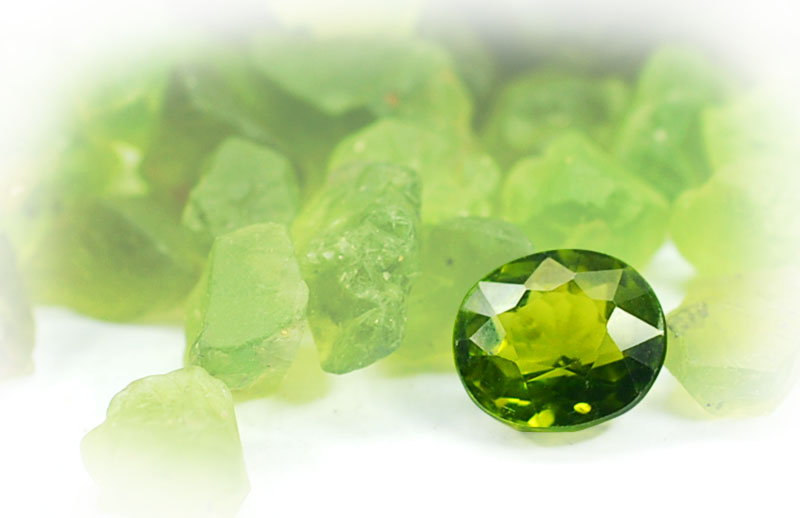
Source: The Healers Stone ~ Good Witches Homestead
Peridot has been used as a Power Stone for centuries. Peridot fosters emotional balance and helps us heal from past emotional wounds. It clears the pathway to the heart and heals damaged egos. Anger, jealousy, bitterness, and irritation are usually a result of wounded hearts (and sometimes, a wounded EGO). Peridot helps us move past the hurt, and understand our relationships. It adds intelligence to our romantic situations, giving us a bit of common sense in affairs of the heart, and protecting us from unnecessary heartache.
Peridot is a particularly good stone for “healing the healersâ€. Peridot helps people who work in the healing field by cleansing their auras and releasing and neutralizing toxins on all levels. Peridot purifies the subtle bodies and mind. It opens, cleanses and activates the heart and solar plexus chakra.
A Visionary stone, it brings an understanding of destiny and purpose. It releases negative vibrations and promotes clarity and well-being.
Peridot is purported to have the ability to bring healing and vitality to the whole body. It is said to increase patience, confidence, and assertiveness. Stories have been told since ancient times about how this gemstone has the ability to slow the aging process.
As with other gemstones, the color of the peridot stone is directly related to parts of the body that it can be of aid to.

Peridot is a powerful cleanser:
Peridot opens, cleanses and activates the heart, which can help one to release old baggage. All burdens, guilt, and obsessions become cleared and a new psychological clarity and feeling of well-being begin. Peridot teaches that holding onto the past is counter-productive. It shows you how to detach yourself from outside influences and how to look to your own higher energies for guidance. It assists in moving forward rapidly in therapeutic situations. It also helps you understand your destiny and spiritual purpose, helping you attain your full potential. All in all, the stone sharpens the mind and opens it to new levels of awareness.
Peridot is wonderful at helping one to release the old and embrace the new. It can assist one in realizing the detrimental patterns in one’s life and can be the basis of attaining that which is necessary for growth. Only spiritual or clear-minded persons should use Peridot. The person with too many earthly problems will not be able to understand the beauty of the Peridot. The very spiritual can wear Peridot in a necklace with the stone at the base of the throat to feel its soothing effect.
Commonly used in treating emotional states such as anger or jealousy and irritation. It’s color as well as the stone, inspires healing, renewal, purification, rebirth and growth. It has the power to heal hurt feelings and mend damaged relationships.
Anger is an emotion peridot has been known to be very beneficial for. The stone calms the nervous system, helping to dissolve emotional tensions and bring balance to the system. It actually attracts love and calms raging anger from within. It alleviates jealousy, resentment, and spite, and reduces stress.
The peridot stone can be extremely beneficial to those who are having self-esteem problems. The stone enhances confidence and assertion without aggression. It helps a person see their own light and recognize that they are deserving of love. It assists in looking back to the past at negative experiences and shows a person how to forgive himself. Peridot helps deal with guilt, whether it is self-imposed, or the product of others manipulative ways. It can help you to admit your mistakes and move on, taking responsibility for your own life, especially when you believe it is all someone else’s fault. It also helps those who feel they have little personal power as working with the stone or keeping one with you will give you that extra boost you might need. It is stimulating to one’s energy level, promoting vitality both physiologically and psychologically. It is invigorating and rejuvenating, promoting access to one’s inner vision and joy.
 Peridot is also very beneficial when it comes to treating psychological afflictions as well. It is a wonderful stone to help someone who is going through depression. It is a stone of lightness that counters the effects of negative emotions. It has the ability to balance the process of emotional release and detoxifies negative emotions, bringing them to comfortable levels. Peridot fosters emotional balance, security, and inner peace.
It soothes nervousness, heals emotional and physical pain, and lightens suffering. Such usages date back to ancient Roman times when rings of peridot were worn to relieve depression. Because it is calming to the nervous system, peridot is also useful in promoting sleep. Peridot banishes lethargy, which can attack someone who is experiencing depression.
The stone’s energy balances bipolar disorders and other forms of depression and helps one’s self-esteem or bruised ego. It also brings about necessary change, which is much needed to someone who is depressed.
Peridot also has other psychological effects and uses. It can help one overcome hypochondria. It can greatly improve difficult relationships. It treats phobias, particularly those associated with fears of the dark, becoming like a security blanket to a small child. Peridot represents wealth and financial success (think of its green hue) and also attracts romance.

Peridot is indeed a springtime gemstone, with its fresh springtime color, as it has the ability to project you into a new life cycle. If you seem to be stuck and not moving forward, use peridot along with a white and green candle.
Peridot is a typically green but sometimes it is also yellowish-green or olive green. It is opaque and when polished can be crystal clear. Peridot emits a warm and friendly energy helping one to release the old negative patterns one is accustomed to.
By aligning the subtle bodies and increasing the desire for personal growth, it can lead one to new doors of opportunity. Peridot can also help you discover your destiny or purpose in life. It opens one up to new challenges and adventures. It is also helpful in warding off evil spirits.
The joyful and friendly energy of this stone helps to make and seal friendships, it clears the heart, releases the ego, which in turn cleanses jealousy and anger, hence bringing about a sense of peace and quiet amusement.
To dream of peridot signifies that you need to be cautious for a period of time.
Lost Items: Can be used to bring results to a search – seeking and of lost or mislaid items, but applies to the spiritual realm as well, as in feeling despair, spiritually lost, or emotionally isolated,
Childbirth: Has been used to facilitate the birth process, stimulating contractions and opening the birth canal. Slip a piece into your “birth room†sack you are taking to the hospital.
Peridot is also a Money Stone. Wear it to draw money and opportunity your way. Put Peridot in your cash box along with Citrine. Peridot will help to draw money to you, and Citrine will help to keep it once you get it!
Peridot is a 16th Anniversary gemstone.
Peridot, also known as Chrysolite, is a variety of Olivine.<div style=â€clear: both;â€>
Doctors, Nurses, Emergency Crew, Hospital workers, Dentist, Optometrist, Healing, Care Giver, Technicians, Veterinarians, Counsellors, Physicians, Ministers, Clergy, Mothers
12 Steps of Alcoholics Anonymous


Peridot is a gemstone variety of forsterite, the magnesium-rich end of the olivine series. Chrysolite is a golden yellow variety of peridot. Peridot is idiochromatic, getting its distinct green coloration from ferrous iron which is a natural part of its crystal lattice structure. Higher quality peridot generally contains about 10 to 15% iron. The olivines are isomorphous (all have the same crystal structure), with varying chemical compositions. The most common of the olivines have chemical compositions in the complete solid solution series between pure forsterite (Mg2SiO4) and pure fayalite (Fe2SiO4). A less common solid solution series also exists between the olivine varieties fayalite (Fe2SiO4) and tephroite (Mn2SiO4). Another uncommon solid solution series exists between monticellite (CaMgSiO4) and kirschsteinite (CaFeSiO4). The naturally occurring pure calcium chemical end member larnite (Ca2SiO4) does not have the olivine structure.
The green color of peridot, the gem variety of olivine, is mainly dependent on the amount of ferrous iron present, this color then being modified by trace amounts of Fe3+, Ti4+, and Ni2+. The better green colors occur with a Fe: Mg ratio of about 1:8. Higher concentrations of Fe result in less desirable yellow-green or brownish green shades. Pure brown peridots are rarer. Peridot gems have a hardness of about 6.5, which makes them very suitable for use as gemstones in earrings, brooches, nd pendants. Their use as ring stones requires some extra care to prevent abrasion and loss of polish.
Peridot (also called Chrysolite) is a stone with a sparkling pale green color. It occurs in lime, yellowish green, olive green or medium dark green hues. Chemically composed of Magnesium iron silicate [Mg, F e] 2SiO4; Peridot (precious olivine) is a gem-quality transparent green olivine. The crystals of peridot have a vitreous luster and conchoidal fracture. Gem-quality olivine is a mineral that composes a lot of the earth’s mantle, the layer below the crust. It is also common in basalts on the Moon.

Peridot (Olivine) commonly crystallizes very early in the crystallizing sequence of mafic and ultramafic igneous rocks at relatively high temperatures. These early formed crystals can settle by gravity forming dunite, a rock composed essentially of olivine, or the rock known as peridotite which also contains pyroxene with occasional accessories hornblende, ilmenite, garnet, hematite or chromite. Olivine is a common constituent of gabbros and basalts. Still molten underground basalts, in which early formed peridot grains have settled to the bottom by gravity, are occasionally ejected during volcanic eruptions, and the masses of peridot grains are thrown out as volcanic bombs. Peridot is also found as glassy grains in stony meteorites. Mg-rich olivines form by thermal metamorphism of dolomitic limestones. Fe-rich olivines are less common, occurring in alkali rocks. Fayalite (Fe2SiO4) has been found in gas cavities in volcanic rocks and glasses.
Peridot is usually distinguished by its color, luster and conchoidal fracture. The refractive index and specific gravity of peridot are higher than in tourmaline and lower than in chrysoberyl, zircon, and garnet. Sinhalite has a higher specific gravity and more pronounced pleochrism. Glass and moldavite are isotropic.

The name olivine is from the Latin oliva in reference to the mineral’s color. Peridot is from a thirteenth-century English word peridote.
From ancient times until the eighteenth century, peridot was referred to as ‘topazion’ or ‘topaz’, most likely because it was found on the island of Topazios (known today as Zebirget or Isle of St. John in Egypt) in the Red Sea. In the eighteenth century, the name topaz was given to our mineral topaz of today, and gem olivine became known as peridot. Yellowish peridot also has been commonly referred to as chrysolite which is from Greek meaning yellow stone. The term chrysolite has also been commonly used in referring to greenish-yellow gem chrysoberyl.
 Peridot is used as a gemstone. Mg-rich olivine is used in refractory sand and brick in the casting industry because of its high melting point.
At one time, Peridot was more valuable than diamonds. This gemstone is actually known by three names: Peridot, Chrysolith and Olivin, because peridot is the gemstone variety of the olivin mineral. In the gemstone trade, it is generally called peridot, a name derived from the Greek word “peridonaâ€, with a meaning along the lines of “giving plentyâ€.
Peridot is one of the few gemstones which exist only in one color. Finest traces of iron account for the deep green color with a slight golden hue. Chemically Peridot is just an iron-magnesium-silicate, and the intensity of color depends on the amount of iron contained. The color as such can come in any variation from yellow-green and olive to brownish green. Peridot is not especially hard – it only achieves about 6.5 to 7 on the Mohs´ scale – and yet it is easy to care for and quite robust.
The name “peridot†(péridot French, peridoto Spanish or Italian), means “golden stone†in Greek (peridona); and is also derived from the French word “peritot,†meaning “unclear†due to significant amounts of inclusions that are typical of the stone. Golden-yellow peridot also goes by the name “chrysolite.â€
Peridot, also known as the “evening emerald,†was treasured by the Egyptian Pharaohs, and some of Cleopatra’s “emeralds†were actually peridots. In the Middle Ages, people wore peridot to gain foresight and divine inspiration, as well as to protect them against evil.
 Peridot mining dates back some 4,000 years. Ancient olivine peridot mineral deposits located on St. John Island off the coast of Egypt in the Red Sea were documented by the Greek historian Pliny the Elder in his book Naturalis Historia (Natural History) in AD 70. Those ancient deposits on St. John Island, now named Zabargad Island still produce high-quality peridot stones, although most modern Peridot comes from the United States in Arizona. One of the largest faceted peridot gems in the world (Smithsonian Institution collection) is a 311.8 karat (62 g) stone found on Zabargad.
Peridot, also called precious olivine (magnesium iron silicate), is a transparent green variant of forsteritic olivine associated with peridotite, a dense mafic or ultramafic igneous rock. Peridot crystallizes in the orthorhombic crystal system, with a “granular mass†crystal habit, usually resulting in rounded pebbles; or in short, vertically-striated prisms. Peridot is classified as a Nesosilicate in the Silicate mineral group.
Olivine is a mineral that composes a lot of the earth’s mantle, which is the layer just below the outer crust. Olivine is also common in basalts found on the moon. Peridot was called “Topazion†until the 18th century when the British renamed it Peridot. Today, the highest quality peridot is typically mined in Pakistan, and is called “Kashmir Peridot†or “Cashmir Peridot.â€
The most beautiful stones come from the Pakistan-Afghanistan border region. Peridot as gemstone does also exist in Myanmar, China, the USA, Africa and Australia. Stones from East Burma, today’s Myanmar, show a vivid green with fine silky inclusions. Peridot from the American state of Arizona, where it is quite popular in Native Indian jewelry, often shows a yellowish to golden brown shade.
Sources: Burma (Myanmar), Egypt, Norway, Pakistan, Saudi Arabia, Sri Lanka, USA (Arizona, Hawaii)
Transparent green olivine peridot and a Peridotite druzy encrustation embedded in a basalt matrix are commonly found in lava fields. Transparent olivine is usually found in arid climates such as Arizona, Egypt (Zabargad), Saudi Arabia and Pakistan (Suppatt district) due to its susceptibility to decay when subjected to weathering and rain.
Peridot is not usually enhanced or heat-treated but it is occasionally treated with colorless oils, wax, and natural or synthetic resins to fill in voids or surface fractures, and to improve appearance or surface luster.
Peridot has a lower durability than many other gemstones, and when a faceted peridot is set in a ring with a prong setting extra care should be used. Peridot is also subject to thermal shock, therefore you should never clean peridot jewelry in an ultrasonic cleaner due to its tendency to fracture. Similarly, you should avoid the use of a steam cleaner as rapid changes in temperature may cause fracturing.

A couple of thousand years ago BCE, on a full moon night, while sailing upon the Red Sea, sailors landed on a small Island of the Serpents. Under the bright moonlight, they saw glowing crystals among the volcanic earth. At first light, those crystals turn green glitters in the sand.
This is how humanity discovered Zabargad.

The Egyptian royalty in the capital city of Thebes fell quickly for the mysterious gem. In Naturalis Historia, Pliny tells of the first specimen presented to Queen Berenice. (Theban queen of Lower Egypt, about 300 BCE). She was not the only one. Historians even suspect that at least some of the “emeralds†worn by Cleopatra were actually Peridots. According to Agatharchides in his De Mare Erthraeo, Egyptian kings ordered the discoverers to collect gems and deliver them to the royal gem cutters for polishing. Apart from fashion, Peridot was considered a symbol of the sun.
Soon enough the ancient Jews picked on this trend as well, named it “Pitdah†and used it in the fabled Breastplates of Aaron described in the Bible (Exodus 28, 15-30). The breastplate was a ceremonial religious garment set with twelve gemstones that represented the twelve tribes of Israel and corresponded with the twelve signs of the zodiac and the twelve months of the year.
Aaron, Berenice, and Cleopatra are all but gone, but the largest cut Peridot, which weighs 310 karats is still on display in the Smithsonian, was found on Serpent Isle, later known as St. John Island.
During the Ottoman Empire (1300-1918) Turkish Sultans amassed the world’s largest collection. They were competing with the Crusaders, returning home from their holy journeys with large Peridots as part of the loot. Fine gems from this era remain today in a number of European sanctuaries including the Treasury of the Three Magi in Cologne and the Vatican. The precious stones and jewelry collection in the Tower of London also contain large Peridot gems.
The source of the name Peridot is not very clear. It could be derived from the Greek “peridonaâ€, meaning “giving plentyâ€, or from the Arabic word Faridat, although the current name in Arabic is Zabargad. To add up to confusion, the old Farsi name Zamroot means emerald which is Izmargad in ancient Hebrew. Later the stone was known as Topazion. Probably around the 18th century, the French were the first to call the yellowish-green stone Peridote, although the English have a similar claim.
It was probably, regarding their history, more of a French name.

Peridot belongs to the forsterite-fayalite (most of the gem variety is predominantly foresterite, named after the German naturalist, John Forester) mineral series which is part of the Olivine group. It is one of the “idiochromatic†gems, meaning the color created by the basic chemical composition of the mineral itself, not from minor impurities, and therefore will only be found in shades of green.
Its chemical formula is given by (Mg, F e)2SiO4.
Peridot is found in many corners of the world and beyond, that is from meteorites. In Russia, a few cut Peridots were produced out of a meteorite which fell in 1749 in East Siberia. The most unusual olive green gem that comes from meteorites is called Pallasites. Moldavite is found in the Czech Republic and believed to have arrived from space in a meteor about 14.8 million years ago. Because this stone contains crystals of Olivine and has a similar color it is often confused with Peridot. Some of these extraterrestrial gems are very beautiful though and have been faceted and set into jewelry.
Because Peridot was created during the volcanic action, occasionally, those green crystals are found on the black sands of Hawaii.
The United States was for many years the largest producer of this green material, and the value of production in 1993 was estimated at $1.5 million. Peridot Mesa, located on the San Carlos Apache Indian Reservation east of Globe in Gila County, is the most productive locality for Peridot in the world. Gem-quality Peridot can be found in deposits at three different locations in New Mexico. The deposits are in the Buell Park area in McKinley County in the northwestern part of the state and in Kilbourne Hole and Potrillo Mar depression.
Very large, super fine-quality Peridot gems are produced from deposits in Mogok area in Burma. These deposits were well known for their 20- to 80-carat cut stones of superb color and clarity, but since the “socialist†government came to power, supply dwindled and Burmese Peridot became all but rare collectors’ item.
In the early 1990s, the rough mountainsides of Nanga Parbat, stretching far west of the Himalayas, fine crystals in a deep and breathtakingly beautiful green were discovered. Unique stones of over 100 karats were found. Soon enough these stones have been termed “Cashmere Peridotâ€.

Since the late 90’s and early 2000, the bread and butter Peridot is being mined, cut and sold out of China. Although on the yellowish side and mostly in the 1 to 3 karats size range, with China’s untapped labor reserves and aggressive business tactics, Chinese Peridot has an excellent price point. It is clearly taking over the commercial slice in the global Peridot pie.
The ancient Romans were quite fond of the gemstone and coveted the brilliant green sparkle, which does not change in artificial light. They already named the stone “Evening Emeraldâ€. Today, the airy, slightly golden bright green of Peridot could not escape the attention of contemporary designers in the jewelry and fashion industries. It’s fine pistachio green or olive green goes perfectly with many summer collections. No wonder that Peridot is assigned to the summer month of August.
If you are still in doubt you should consider the reputation Peridot has at the New Age circles: Peridot protects against nervousness; helps alleviate spiritual fear; aids in healing hurt feelings & bruised egos; incurs strength & physical vitality; aligns subtle bodies; amplifies other vibrational energies & positive emotional outlook; helps liver & adrenal function. If you are married do not forget that Peridot is the anniversary gemstone for the 16th year of marriage. And above all, it is supposed to bring the wearer success, peace, good luck, and most importantly, helps his or her dreams to become true.

*Please note that all metaphysical or healing properties listed are collected from various sources. This information is offered as a service and not meant to treat medical conditions.
Cymophane, also known as Cat’s Eye, is often used as a talisman to protect the user from the “evil eye”. It brings luck, enhances creativity and kindness, and protects the wearer from any mishaps and accident.
This stone is often used to increase one’s perceptions of others’ intention and it’s commonly used to enhance one’s intuition. It’s also a stone that helps relieve anxiety and stress, giving the user hope and a positive attitude towards life.
It’s also a prosperity stone, it often increase its strength in bringing financial success over time, which is why some people wear the same piece of Cat’s Eye for many years.
Physically, Cat’s Eye is often used to help heal eye disorders and enhance vision, especially at night. It’s also used to control sugar and cholesterol level and can be used to alleviate headaches and mobility issues.
It can…
View original post 168 more words
Written by Iya Olusoga ~ Bisi Ade
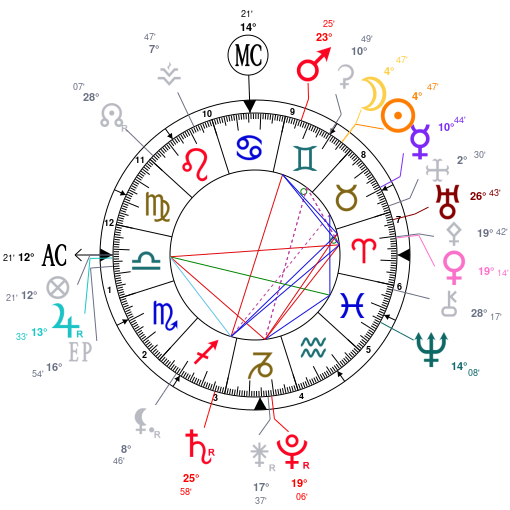


By Stars By Design
Source: Gemini New Moon, 5-25-2017 | starsbydesign


A lovely grand fire trine is forming during the sun and moon’s passage through Gemini, and should make for swift and satisfying communications. The North Node in Leo, Uranus in Aries, and Saturn in Sagittarius are all in accordance. We flow smoothly from place to place, transmitting ideas and being readily understood, our messages are clear and understandable. Contracts are exchanged, agreements struck, and moving from place to place and enjoying the novel and the new comes easy and carefree. All these things under the auspices of Gemini and Mercury should find favor.
That’s not to say this moon does not have its share of complications — as with everything, we have some harder aspects to deal with, but I know with my business and financial interests firmly rooted in audio and creative writing, I’ll be sure to initiate projects to give them that extra oomph! Especially with Mercury in Taurus, Taurus will make your projects long lasting and unlike Geminis often flighty tendency to move on to the new interesting flavor of the moment, Taurus has the steam and endurance to see things through to the end. This is a boon to work that requires both an initiatory spirit and a need for refining and crafting.
Now that we’ve highlighted the good, let’s look at the not so good.
Pushy Venus at 19 degrees of Aries may indicate a fast and furious romance that goes against the grain of more conservative and cautious Capricorn, where Pluto at 19 degrees squares. Capricorn is going to want to iron out the details and Pluto isn’t going to give up control or stop digging for the underlying meaning of things. Add in Black Moon Lillith in Sagittarius at 11 degrees, who is squared by Neptune at 14 degrees of Pisces, and it suggests that romances initiated under this moon are going to be plagued by both the benefits and the downsides of magnetic sexuality — sometimes, we rush in to satisfy pleasure without considering the consequences. This act-now think-later attitude will certainly yield an affair to remember given the Venus in Aries heat, and the Lillith in Sagittarius magnetism, where Saturn is struggling to keep a lid on the happy-go-lucky archer. Those squares to Pluto and Neptune, though, suggest all the sticky complications of a love affair gone wrong, an extra marital affair, infidelity, power struggles, and all the lying such situations tend to generate. Of course, this might also figure in more than only love, but also money.
If these squares with their clashing energy weren’t potent enough, we have further semi-squares, creating aftershocks and stall points that are less easily resolved.
In particular, Venus in Aries semi-square the Gemini sun and moon, and Mercury in Taurus semi-square Mars in Gemini, also suggest, in spite of the burning power of this Grand Fire Trine, we may encounter that what course of action we decide upon under this new moon now creates a domino effect of unforeseen consequences; projects which begin with great promise might not complete to schedule, but bear this in mind — this is not necessarily a negative! Consider that a writer, initiating a creative project, might end up going through steep and rigorous edits, all of which give the sensation of spinning wheels in a rut, but which, over the course of months, bears a great deal of fruit in the form of awards or recognition, or increased pay. Use this Grand Fire Trine well!
I advise anyone to take on the qualities of Mercury and be ready to think on your feet to counter the difficult aspects of the semi-squares.
Less palatable is the opposition forming between Mars in Gemini and Saturn in Sagittarius. We might have to face up to responsibilities for our quick words or decisions, or deal with clashes with authority figures and arguments that spring up around them. This may be the case where you know you’re right, but someone who holds power refuses to acknowledge they are in the wrong, and it costs you. This is the time for swallowing your pride and picking your battles, and you may have to choose diplomacy over valor.
Lastly, a Taurus Mercury inconjunct Jupiter in Libra might have us sticking to our guns when we should be compromising with our friends or in our relationships, and as a result, we don’t quite see eye to eye. Taurean inflexibility will not smooth things over in your personal life, as fluid Mercury is better when he exerts his mercurial spirit. Be willing to bend to influence, for if you cannot bend, the inconjunct might force you to break! Be generous with your spirit and your words to and these should blend nicely with the Grand Fire Trine and help you sidestep the less desirable effects of the inconjunct.
Source: Crystal of the Week: Blue Kyanite – Holistic Experiment
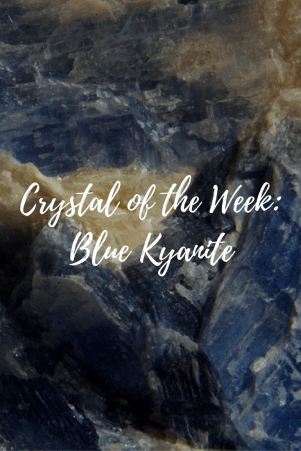
Blue Kyanite is the most well-known color of Kyanite and it’s often used for its ability to align and open all of the chakras. It’s an excellent choice for healers because it places a shield around the healer, conducts healing energy and grounds it.
It’s a high vibration stone with strong crystal energy that will open the throat chakra and promote better communication and self-expression as well as assist the user to speak their personal truth.
Since this stone is so powerful that it does not need to be cleansed. Someone with a lower vibration may feel horrible side-effects from Kyanite because of its ability to raise the vibrations of the wearer to reach a higher state of consciousness.
On a physical level, Blue Kyanite can be used for people who suffer from speech impediments as well as issues with their bone marrow. It promotes mobility in the body and helps with any sort of tissue healing.
This stone can also be used for people who have suffered from strokes, issues with the nervous system, the brain, the thyroid, and any issue that has to do with the throat. It’s also a natural pain reliever and lowers blood pressure and aids in back problems.
Blue Kyanite is great for patients who have had accidents or surgery on any part of the body. It’s also great for people who are low in energy and can assist trauma and replenish one’s energy.
On an emotional level, this stone can be used to promote a healthy communication so it’s great for people who are afraid of public speaking. It also aids tension and promotes tranquility as well as clears and calms the user in preparation for meditation.
The best way to use this stone is during meditation because it allows one to make contact with spiritual beings and can help develop one’s intuition. Blue Kyanite also facilitates meditation and help release fear from both oneself and those the user works with.
On a spiritual level, Blue Kyanite helps clear the meridians and pathways and will restore the flow of energy to the chakras. It also helps with astral traveling, out-of-body experiences, promotes one’s psychic abilities, and makes visualizations stronger.
You can also put Blue Kyanite under the pillow to promote lucid dreams.
Disclaimer: Crystal of the Week are a spiritual support to healing and are not prescription or healthcare information.
Source: Bobinsana~ From Help Healing Grief, Heartbreak and Pain to Shamanic Lucid Dreaming
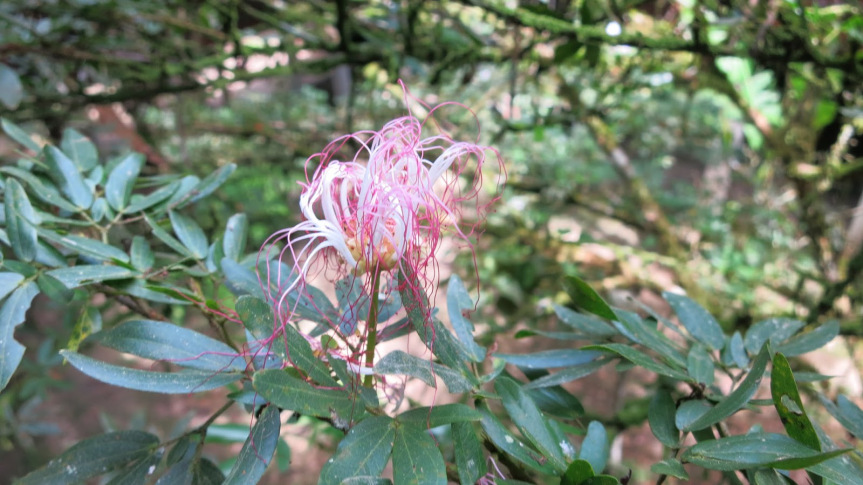
A relative of the mimosa tree, Bobinsana (Calliandra Angustifolia) is a water loving plant that belongs to the Pea family (Leguminosae). It grows around 4-6 meters high and is usually found alongside, rivers, streams, and bodies of water in the Amazon basin. It is found in regions of Ecuador, Colombia, Peru, Brazil and Bolivia. It produces an abundance of gorgeous pink to reddish powder puff-like flowers.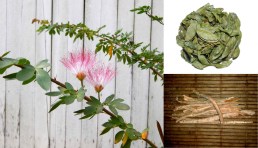
Traditionally bobinsana is taken by tincture in an alcohol made from cane sugar called aguardiente or a strong tea (decoction). All parts of the plant are used for healing. The roots, bark, leaves and flowers.
Bobinsana is a well-known “plant teacher” sometimes used in conjunction with a psychedelic amazonian brew called “Ayahuasca”. While bobinsana alone is not hallucinogenic, it is considered a plant teacher or master plant and is sometimes added to ayahuasca recipes to help the shaman connect to and learn from the plants. The plant is typically taken on a special diet or during these shamanic ceremonies for opening and healing the heart, to enhance empathy, to deepen one’s connection to nature and provide grounding. According to many Ayahuasca curenderos “doctorcita bobinsana” as they say, is a very gentle healing plant spirit increasing clarity, focus, compassion and for addressing heartbreak, grief, and loss.
Many times in our lives we have experienced forms of heartbreak, sadness, sudden loss, emotional struggles. It’s human nature to experience these feelings. And it’s good to know that you can have support during those troubling times. This plant is just one of many that can hold our hand along the way, while we process our feelings and life experiences. The plant is also becoming very well known for producing profound lucid dreaming experiences, colorful shamanic visionary type dreams in which new insights about one’s life are found and healing can occur.
Among other uses, the Shipibo Conibo people of the Ucayali area in Peru and other Amazonian indigenous tribes use the sacred plant to treat arthritis, bone pain, rheumatism, uterine cancer, edema, nasal congestion, fevers, colds, inflammation, and to purify the blood. They also bathe in the freshly grated bark to improve dexterity, increase resistance to illnesses and protect against colds and chills.
Now that we see how useful this plant can be. It’s a good thing to share the information and see if it’s the right herb for you, your family or your friends. Whether you or someone you know is experiencing grief, loss, pain or intense sadness, this sacred plant can be a gentle ally during the healing process. AND If you’re interested in having enhanced lucid dreams then this special plant is right up your ally! People can also use this for deepening their shamanic, meditation, dreaming or yogic practices. Which makes this herb one of a kind!
As always I love to share the joy of being a herbalist and since this plant is very useful and quite rare it’s hard to find a good place to get it. So I’ve made a very potent 1:2 liquid extract tincture of ethically wild-harvested bark and leaves made with organic alcohol, organic honey, and Colorado mountain spring water. You can find it here>>> Bobinsana Tincture
Disclaimer~ Bobinsana is traditionally used as a contraceptive in Peru. While there is no research to confirm this possible action, those seeking to get pregnant should avoid this plant. Should not be used during pregnancy or lactation. If you take pharmaceutical drugs or have a medical condition please consult your doctor before using. Make sure to always do your research and talk with your medical advisor before adding any herbs to your diet. This post’s information is not approved by the FDA to treat, diagnose, prevent or cure any diseases. The information presented in this post is provided for informational purposes only.
Source: Pied Piper – secretsoftheserpent
By gserpent
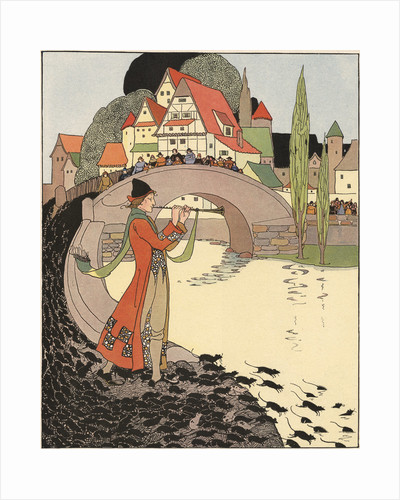
The Pied Piper of Hamelin is an example of just how brilliant the scribes were in preserving history. With Goethe and the Brothers Grimm involved, this myth holds some very astounding secrets. This myth is true, but it didn’t happen in the way that researchers think. It’s time to reveal the secrets of this myth that have been hiding for over 700 years.
The Pied Piper legends came out about the same time as the King Arthur legends. These legends came out when the Crusaders brought back ancient texts from Syria and Jerusalem. The stories of these ancient texts spread through Gaul, Germany, Italy, Spain, Portugal, Greece, Scandinavia and Holland. Witty scribes got a hold of these ancient texts and preserved the history in stories of their local. The entire story of King Arthur is the story of the biblical Jesus, but they made him a King in Britain(See King Arthur). The story of the Pied Piper took place in Egypt, but the Germanic scribes placed it in Germany.
The first clue to this story is the Pied Piper shows up in a ‘coat of many colors’. This is the same thing Joseph, son of Jacob, wore in the Old Testament. In Patriarch Pharaohs, I showed that Jacob was the Lower Egyptian Pharaoh Yacobaam. He was kicked out of Egypt, but his son Joseph became a high priest to the Upper Egyptian Pharaoh. This ‘coat of many colors’ is what high priests wore in Egypt. This is telling the people ‘with eyes to see’ and ‘ears to hear’ that this is an Egyptian story. It was this Upper Egyptian bloodline of Joseph’s that was kicked out of Egypt twice. The first was his father Yacobaam(Jacob) and the second was a few generations later. We know this story as the story of Moses and the Israelites.
Using rats and cats is reinforcing that this was a dispute between Upper and Lower Egypt. The Rat Goddess was Tat-Taiut, she was always portrayed wearing a disk with horns and the Uraeus. The disk is the moon and the horns are for Taurus. These were symbols of Upper Egypt. The Uraeus is the cobra symbol of Lower Egypt. She was known as the “Goddess of the two lands”(Upper and Lower Egypt). The cats are symbolizing Bast or Bastet. She was the Cat Goddess of Lower Egypt. The Lower Egyptians were the ones forcing monotheism on everyone in Egypt. They wanted to get rid of all the gods except Aton, the sun. That is why all the cats are dead in this story.
The Piper tells the Mayor he will rid the town of rats for 1,000 florins. The mayor tells him if you get rid of the rats we will happily pay 50,000 florins. In just about every version of this story the Piper is playing a flute or some just say pipe. A piper is a person who plays the bagpipes. In Egypt they had the bagpipes, they just called it a skin bag. The Piper plays his pipes and all the rats follow him. He takes them to the river and the rats are all drowned or swept away by the current. This is confirming that this story is talking about the Moses story in the bible. In the bible the Pharaoh’s army is swept away or drowned. The Piper goes to get his payment and the mayor refuses to pay him the 50,000 florins. The Piper ask for at least the 1,000 florins he wanted. The mayor gives him 50 florins and says be happy you have that. The Piper tells the mayor “you will regret breaking your promise” and he vanishes. The people are not happy with the mayor for breaking his promise, but he exclaims “We saved 50,000 florins”!
The Piper returns that night and plays his pipes. This time only the children follow him out into the streets. The children followed him through forest and to the foot of a mountain. When the Piper came to a dark rock he played his pipes louder and a great door creaked open. The children followed the Piper into the cave. When the last child had entered the cave, the door creaked shut. A great landslide came down the mountain blocking the entrance to the cave forever. Only a little lame boy escaped this fate and he is the one that told the citizens what happened. Remember that word ‘lame’, there is a reason the Brothers Grimm used it in their version of the story.
This is exactly what the ancient texts say happened in Egypt. This is the true story the patriarch religions have been hiding. Upper and Lower Egypt were fighting about religion. The Lower Egyptians wanted one god. The Upper Egyptians said “No, we like all our gods and goddesses thank you”. The Upper Egyptians paid the Lower Egyptians to leave. They agreed on a price, but when it was time for the Lower Egyptians to go, the Upper Egyptians didn’t give them all the money. So the Lower Egyptians went through out Egypt and killed all the Upper Egyptian children. They tore up the Great Pyramid. All the white limestone came down like a land slide. They took the white limestone and used it to build things where they settled. In Judea!!!!!!! This is the story of Moses in the bible!(see Patriarch Pharaohs) Even the Koran says that because they were not paid their full amount of the money, they caused all this death and destruction. This is what the base of religion is built on. If I don’t get my way I will just kill people and destroy things!!! And we wonder why this world is so screwed up!
The name of the Pied Piper is also giving away that it is an Egyptian story. Pied means having various colors, but the scribes like using words that have more than one meaning. If you take the word pied in the mathematical sense, it refers to Pi or 3.14. The Great Pyramid was built using Pi, so this is showing yet again it is a story about Egypt and the Great Pyramid. The word lame can mean ‘crippled or physically disabled’, but it also means ‘a person who is out of touch with modern fads or trends’. The Brothers Grimm used this word for the latter meaning. Modern fad and trends has always been religion. I am the lame boy who is telling you what really happened.
One last thing that was bugging me that I finally found. Why would the scribes put this story in Hamelin? I know it was named after a Royal Saxon family, but a lot of towns were named after royalty. In a book about ancient Egyptian magic, I found that Hame means ‘great carpenters’. Lin is just what it says ‘line of or descendant of’. So Hamelin would be ‘line of the great carpenters’. Carpenters being Masons. It is why they call Jesus a carpenter in the bible.(See His Royal Jesus) Modern Masonry is from Egypt, so this is pointing once again to Egypt.
I believe in happy endings...
Creating stories for pleasure
Shh I'm Writing
Nothing is True. Everything is Connected.
Medical Intuition, Astrology, Soul Readings, Intuitive Coaching, Tarot, Reiki: Inspiring and Empowering Visionaries, Artists and Healers
30th Anniversary Edition
Weekly Challenge from the 118, 126, & 113
all things fanfic...
Crystals, and all things Magical
welcome to the inner workings of my mind...
Learn • Explore • Grow
A Journey of Discovery
Where Canon has No Meaning and Universes Collide
Just another WordPress.com site
The Crime Drama Advent Calendar
Just another WordPress.com site
Here there be Dragons
Fanfiction and original stories from Toasterpop
Seeking Ideas Beyond Conventional Thought
Writting, Drafts, Ideas
All Things Wicked and Wonderful
Author, Editor, Photographer, Artist
Honoring their service and building their legacy. The official blog of the Vietnam Veterans Memorial Fund.
Art and Stories for all things 00Q, since 2014
Where the Writer Comes First.
FanFiction Author
The home of the Every Fandom Bang and Reverse Bang!
n. pl. pe·num·brae (-br) or pe·num·bras 1. A partial shadow, as in an eclipse, between regions of complete shadow and complete illumination.
Witchcraft for the Everyday and the Extraordinary
... and this is what I like
Fanfiction Recommendations ~ Slash, Femslash, & Het Fanfic Recs
EVIL AUTHOR DAY
Recipes from the Past
what my demented mind comes up with
Nothing is True. Everything is Connected
The Multi-Fandom Fix-it Big Bang
a place for me to share what I've written
Enchanted World of Magical Gardening ~ Crystals & Gemstones ~ Locally Grown Organic Herbs
m/m original fiction and fanfic for adults only
It's All About The Romance


 Paths I Walk
You must be logged in to post a comment.