

In 1992, a 23-year-old man and his 39-year-old brother were foraging for wild ginseng in Maine. The younger brother harvested several plants from a swampy area and took three bites from the root of one plant. The older brother took one bite from the same root.
Within three hours, the younger brother died. The older brother lived, though not without experiencing seizures and delirium.
The offending plant, of course, was not wild ginseng. It was water hemlock (Cicuta maculata).
Water hemlock is considered the most toxic plant in North America. Some sources even consider water hemlock to be the most toxic plant in the Northern Hemisphere.
As it turns out, water hemlock is not a single species. Water hemlock represents multiple species that all contain a potent toxin. This toxin disrupts the central nervous system and can lead to death if prompt treatment isn’t given.
I recently spent some time in the presence of two water hemlock species. If you’re interested in learning how to identify these deadly plants, check out the new video!

Thanks for reading and watching, and thank you for your continued support!
-Adam Haritan






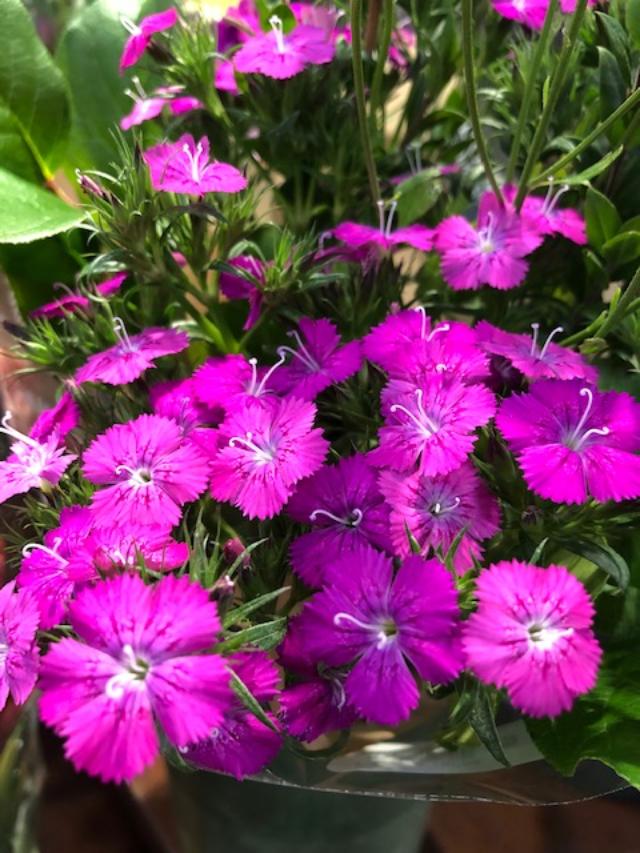 Dianthus is The Herb Society’s Herb of the Month for April. The timing is perfect as the weather is beginning to be spring-like, and these plants are now available in our garden shops. The Greek botanist, Theophrastus (371-287 BCE), is credited with giving these flowers their name. He combined the Greek word for dios, “divine,” with anthos, “flower” and came up with dianthus.Dianthus have been cultivated and bred for over 2,000 years, and many different colors and flower types have been developed along the way. With successive breeding, however, many of the cultivars have lost their native clove-like scent.
  Are you interested in learning more about the herbal uses of plants from around the world? Are you ready to challenge your horticultural skills in a public garden setting? Are you enthusiastic about sharing that knowledge with people? Then, consider joining our team!
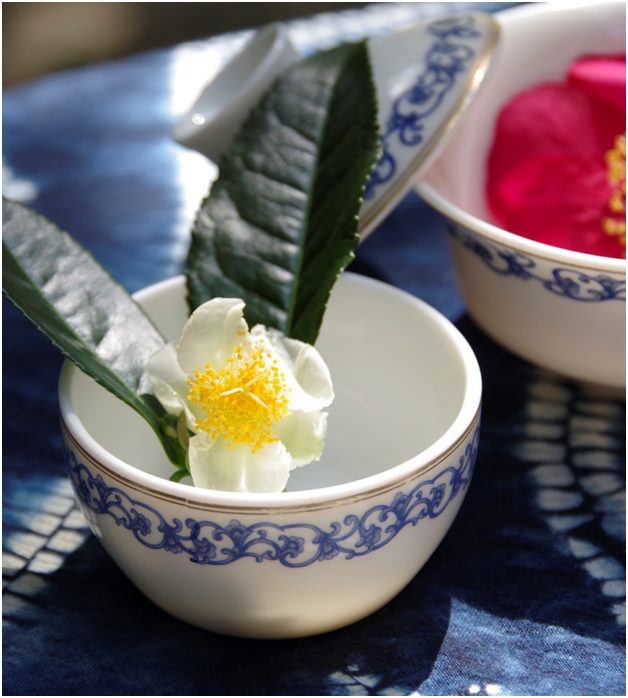 Many gardeners are surprised to learn that
 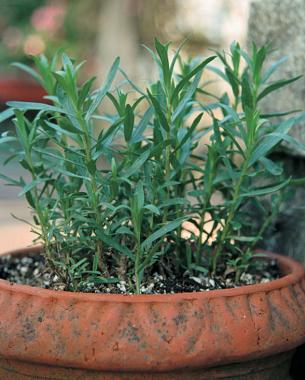 It pays to pay attention to plant labels. Especially in the case of tarragon–especially if you are planning to use tarragon in your cooking. If you are growing tarragon for culinary purposes, be sure the label on the plant or seed that you buy says “French tarragon” or Artemisia dracunculus ‘Sativa’, to be sure. If the label says only “tarragon,” you may be purchasing Russian tarragon, which is not the tarragon you want for your roast chicken or béarnaise sauce.
  Paths I Walk
You must be logged in to post a comment.