Tag: Plants
HSA Webinar: Tea Blending: Creating Herbal Tea Blends with Balanced Flavor

by Angela McDonald
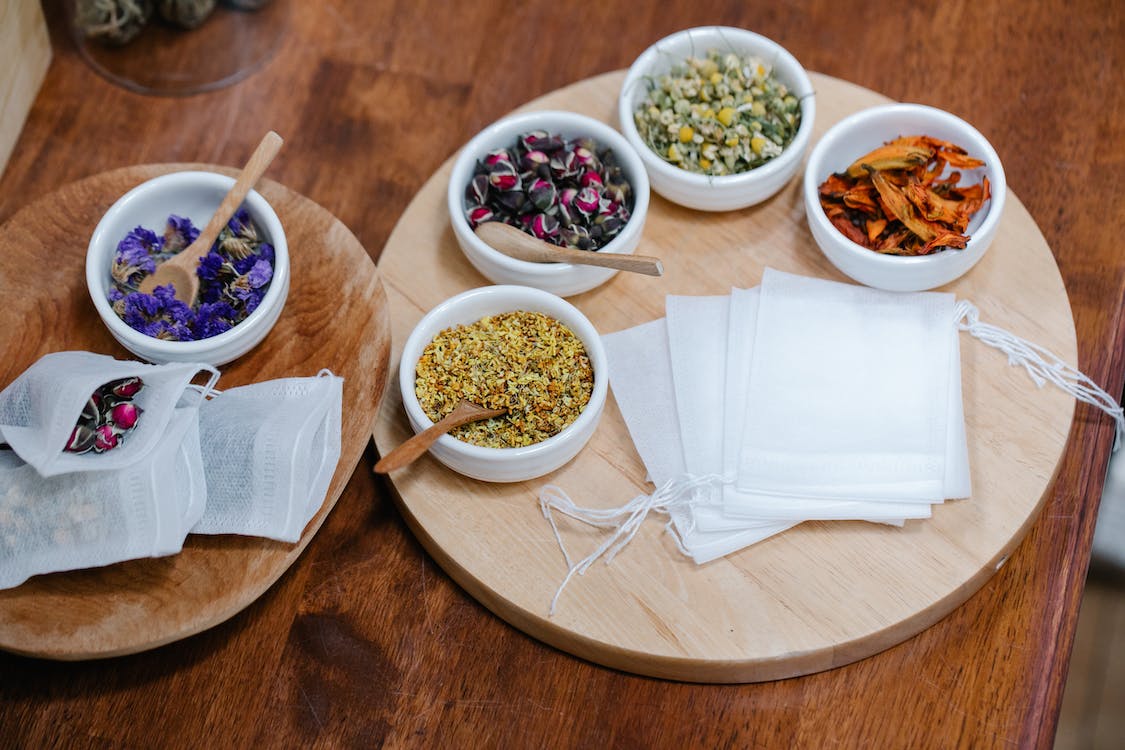 Most of the teas that we drink these days are blended at some point. Even teas that seem simple such, as ginger or English Breakfast. The reasons for blending teas are varied but the most important one is this: blended teas taste good. My favorite reason is that when blending teas, the possibilities are endless!
There is nothing magical about the process of tea blending. Just like cooking, it mostly takes experimentation and creativity. Though big companies have whole departments dedicated to flavor experimentation and precise tea blending, there is no reason that we cannot all do this in our home kitchens. The hard part is knowing how to start.
Here are a few tips for blending:
Know your ingredients – not all herbs taste the same even if it seems like they should. Taste each ingredient individually so you can understand it before you start blending…
View original post 202 more words
Embracing the Magic of the Summer Solstice in Your Herb Garden
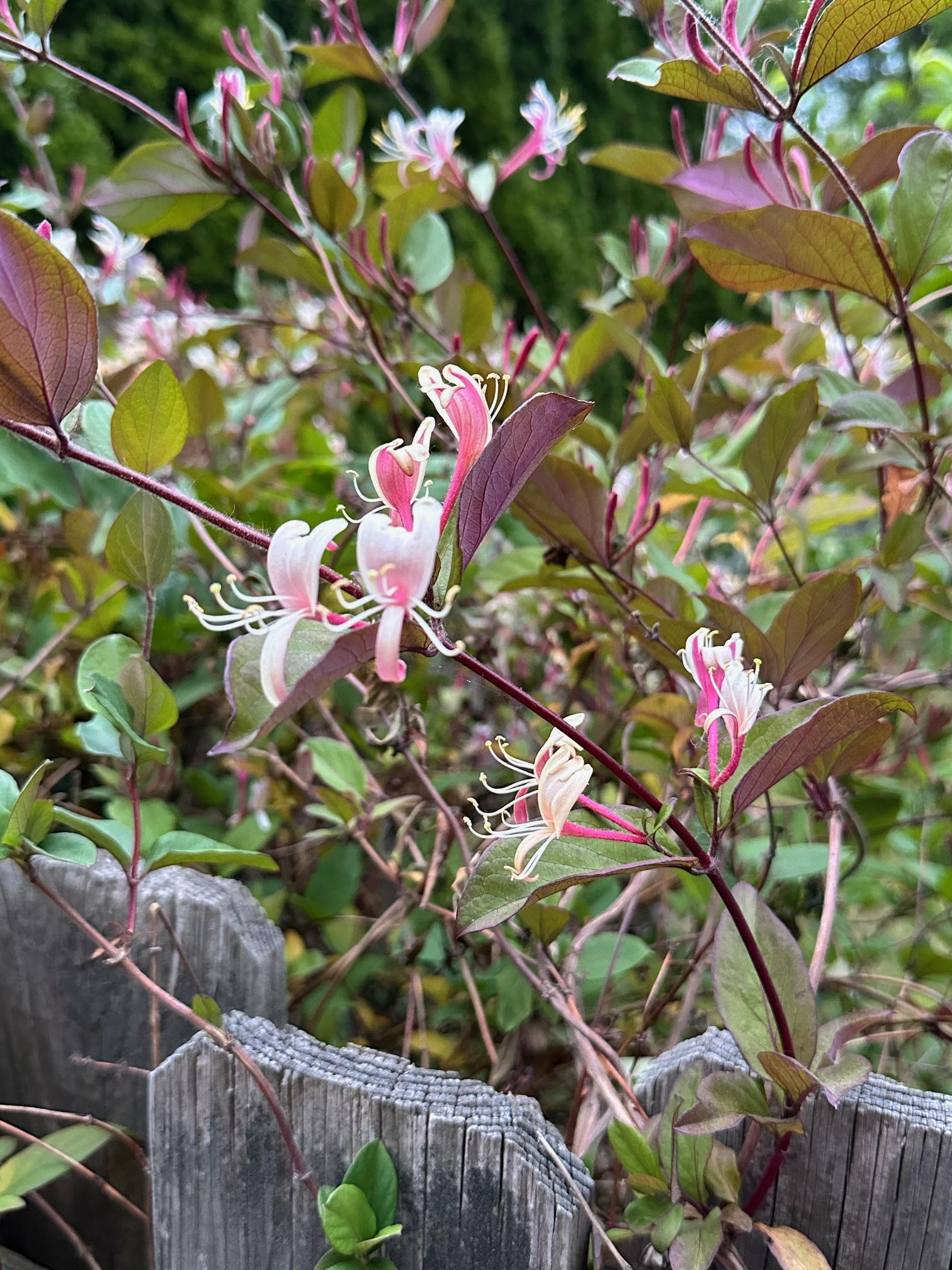 The summer solstice is a time when the natural world is ablaze with life, when the energies of light and warmth are at their peak. This celestial dance of light and shadow held profound significance for our ancestors. It was a time of celebration and thanks for the coming harvests, and a time to relax for a bit and play. Still today, some cultures celebrate by kindling fires, symbolizing the transformative power of the sun, and many communities gather to dance, sing, and rejoice in the abundance of the season.
Within the realms of folklore, the summer solstice is a moment in time when the veils between the human world and the realm of faeries grow gossamer thin. It is said that on the summer solstice eve, you may catch a glimpse of these ethereal beings, frolicking amidst the meadows and woodlands, their presence evoking a sense of wonder and…
View original post 807 more words
Intuitive Herbal Sun Teas for Summer Solstice Healing
Love That Lovage
By Maryann Readal
 Lovage, Levisticum officinale, is The Herb Society’s Herb of the Month for June. It can be a difficult herb to find in nurseries where I live in Texas. This spring, though, I did find a nice-looking lovage plant and decided to give it a try. After doing some research, I learned that lovage is native to the Mediterranean area and Southwest Asia. It is an easy-to-grow perennial that can reach a height of six feet and a width of three feet. Needless to say, I had it planted in the wrong place, and I had to move it to give it more room to grow. It dies back in the winter, but returns in the spring. It can be cut back in midsummer to control its height. Lovage thrives in sun or partial shade and needs well-watered soil. If it does not receive enough water during the…
View original post 746 more words
Foraging The Most Inconspicuous Edible Wildflower

A typical walk in nature can be slow. From an outsider’s perspective, it can be painfully slow. A 1-mile walk might take a naturalist 4 hours to complete — a pace 12 times slower than the average walking speed.
While it’s true that a turtle could probably outpace a botanist walking through a flowering floodplain, the point of any nature excursion isn’t momentum.
It’s observation, education, and integration.
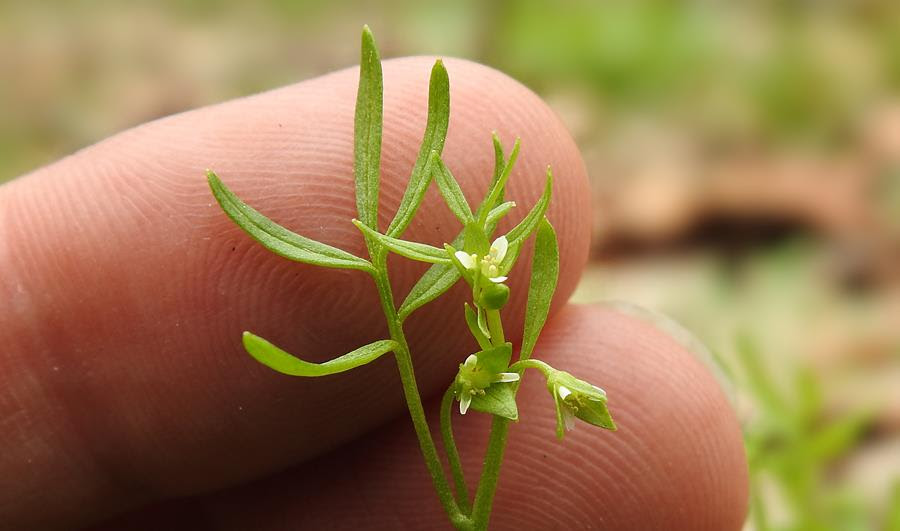
On several walks this year, I’ve halted my pace in order to observe a particular wildflower. Known as false mermaidweed, this plant grows in floodplain forests along rivers and streams.
False mermaidweed is unlike other plants for a few reasons, one of which is the size of its flower. Only a few millimeters wide, this flower is among the smallest of any wildflower in nature. It’s rarely seen by people walking through the woods, which is why even a slow pace isn’t recommended for proper observation.
Rather, complete stillness is.
Despite its small size, false mermaidweed offers immense value. Its stems, leaves, and flowers are edible and can be harvested during the spring season.
To learn more about this inconspicuous edible plant, check out the brand new video!

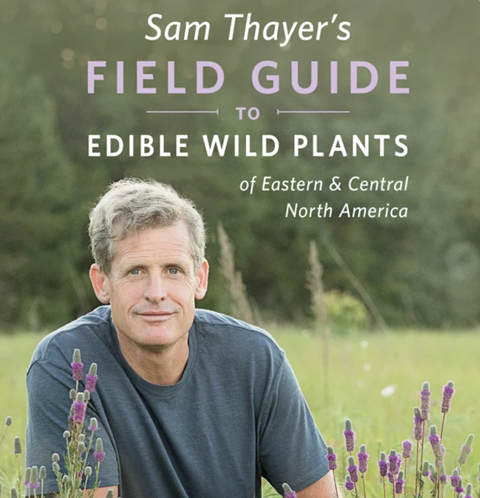
Speaking of edible plants, Sam Thayer is releasing his 4th book on edible plants of North America. Sam is a renowned author, forager, and teacher who travels the continent in search of wild food. His brand new field guide features over 650 edible species and 1,700 color photos, as well as an innovative system for identifying plants during their edible stages. Anything that Sam publishes is brilliant, and this book will be no different. You can pre-order your copy here.
Thanks for reading and watching, and thanks for your continued support!
-Adam Haritan
Roses for Beauty, Flavor, and Fragrance
By Beth Schreibman Gehring
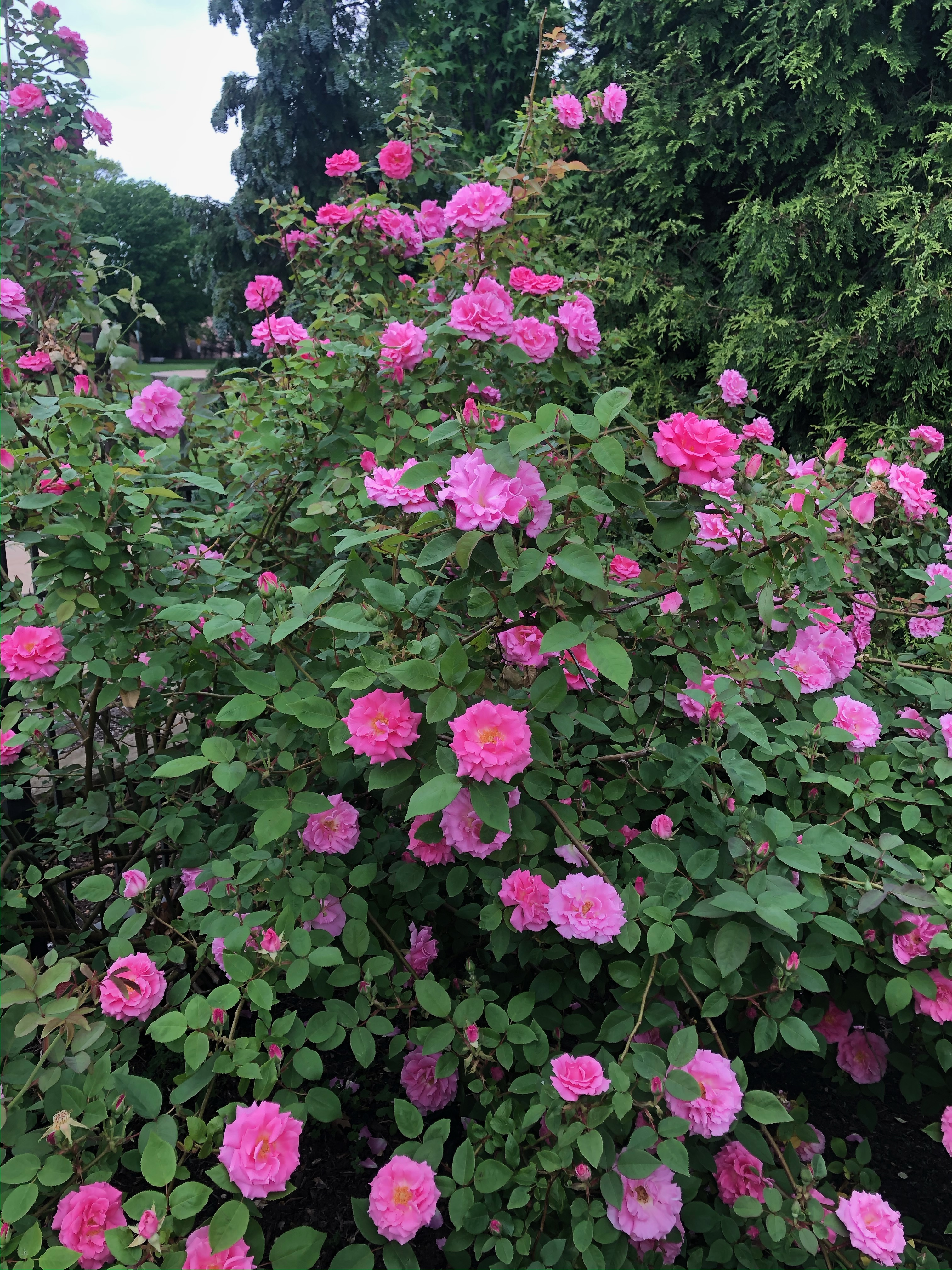
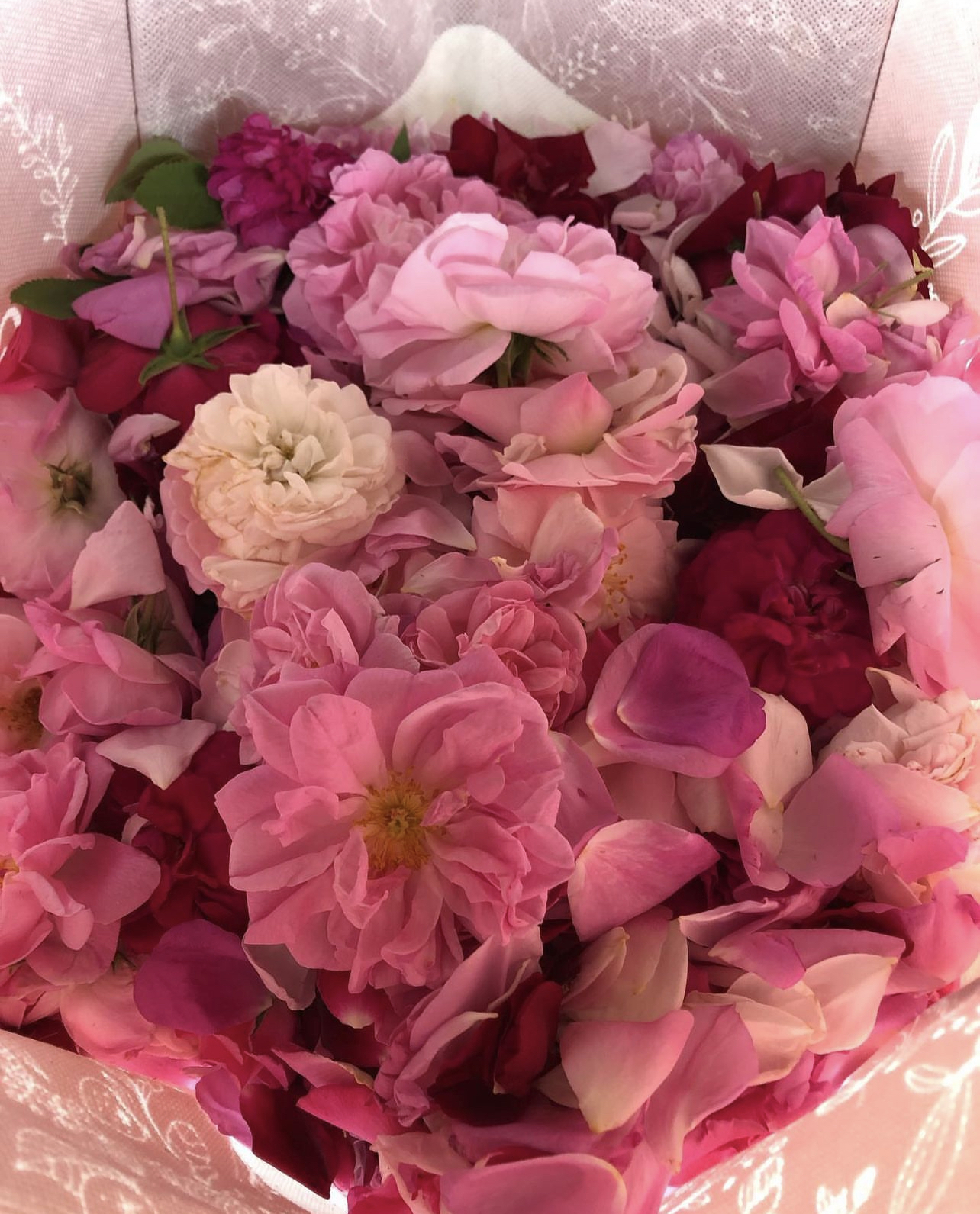 From as early as I can remember, I have been completely smitten by the beauty and versatility of roses. As I have mentioned before, my father was a passionate gardener who loved heirloom roses. Being a trained biologist, he knew the value of gardening organically, and he promoted the benefits of mycorrhizal fungi in the late 70s to strengthen the roots of his garden plants. Instead of using fungicides and pesticides, he planted fragrant herbs among the roses, knowing that many common rose pests would be deterred by the essential oils that they released. He would always tell me, “Remember Beth Ann, feed the roots first and forget about the flowers, because if you feed the roots, the flowers will always be healthy and beautiful.” This is a piece of advice I have followed to this day with real success.
 Like many artists for centuries before…
View original post 1,969 more words
Perennial Herbs for the Garden
By Peggy Riccio
 I love being able to step out into the garden and snip fresh herbs whenever I need them. Yesterday, I was making ham and bean stew in the crockpot. I was inspired to add thyme so I cut off a few sprigs from the thyme growing in the front of the house. I looked around and snipped even more herbs: cutting celery, oregano, sage, and rosemary. Except for the cutting celery, these are perennial herbs that should be in everyone’s garden. They can be tucked in the ornamental bed just like any other perennial plant. In the spring, you can purchase the small plants from a nursery or you can ask a friend for a cutting or division. Once you have them in your garden, you can enjoy them year-round and nothing will bother them, not even deer.
Cutting Celery
 Botanically speaking, the cutting celery is a…
View original post 702 more words
HSA Webinar: Fairy Gardens Throughout the Ages (and How to Make Your Own)
By Julie Bawden-Davis
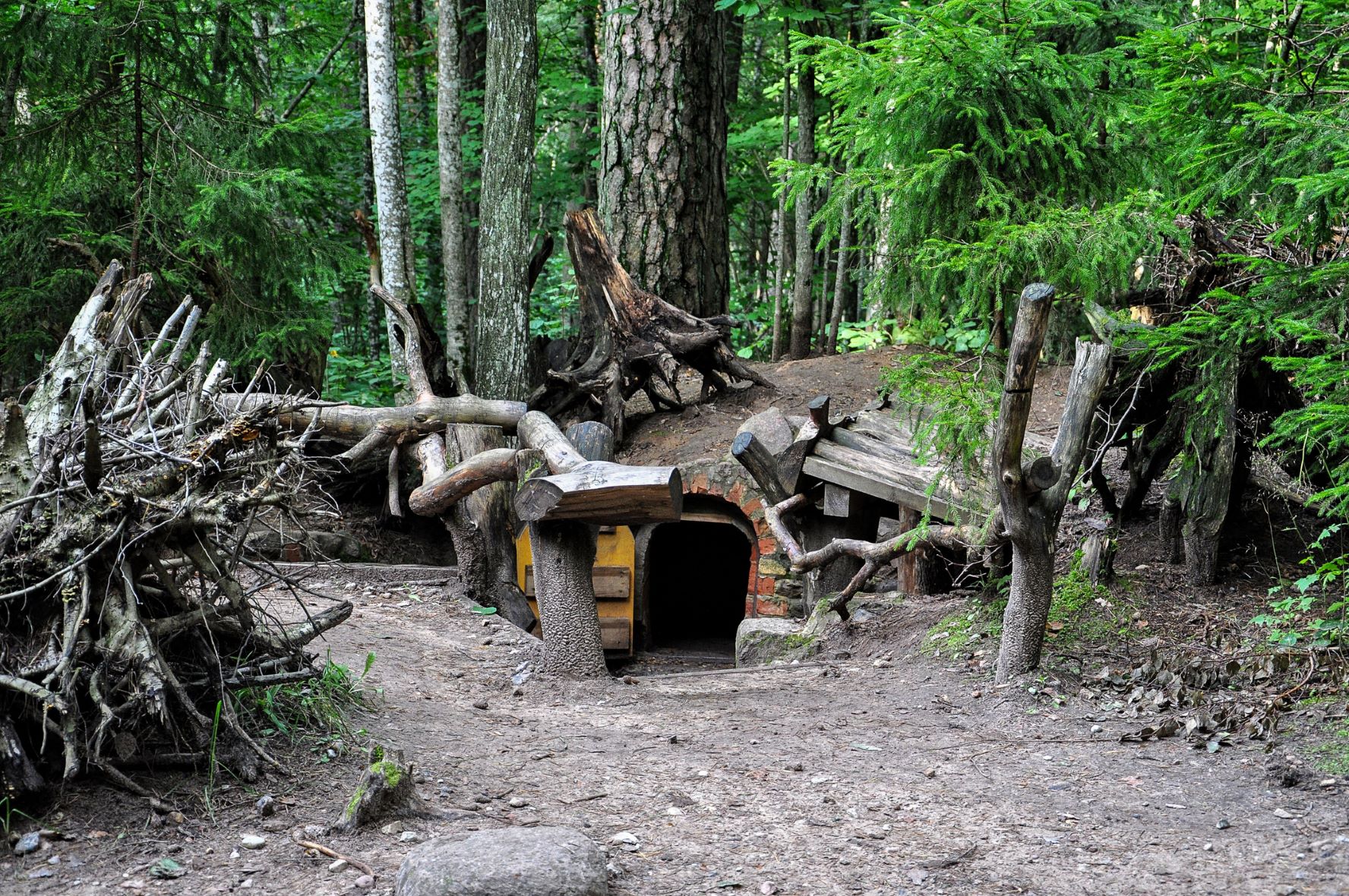 Long before humans roamed the forests, fairies are said to have taken up residence in the cavities of trees, forming fairy houses where they took refuge. Dating back to the Middle Ages, fairy folklore says that these little beings possess supernatural powers.
Many believe that fairies come from the elements—in fact, from Mother Nature herself. For that reason, it makes sense to add fairies to your garden. Even better, adding fairy gardens to your landscape elevates the magic and mystery of your landscape.
How to Make Your Own Fairy Garden
Whether you believe in fairies or not, anyone can make their very own fairy garden. A wide variety of herbs work well in these mini wonderlands. In fact, the diminutive nature of some herbs, like thyme and oregano, makes them fairy garden favorites.
To create your own container fairy garden using herbs and fairy garden accessories, keep…
View original post 947 more words
Ancestral Spring Greens: “Viva La Italia”! — Gather Victoria

I am passionate about ancestral foods and none are more ancient than the wild greens known today as weeds. So in honor of International Women’s Day, I’ve decided to share these spring recipes from Gather Victoria Patreon, Wild Green “Erbazzone” Pies, and Wild Green Pancotto Soup. What, you may ask, do wild weedy greens such…
Ancestral Spring Greens: “Viva La Italia”! — Gather Victoria


You must be logged in to post a comment.