Baneful herbs, herbs that are toxic or potentially deadly have been and continue to be some of mankind’s most important medicines, while their applications have evolved, drugs like atropine, scopolamine and digoxin have botanical origins. It is because of these plant’s chemical potency that they are so important. These herbs also have very powerful spirits […]
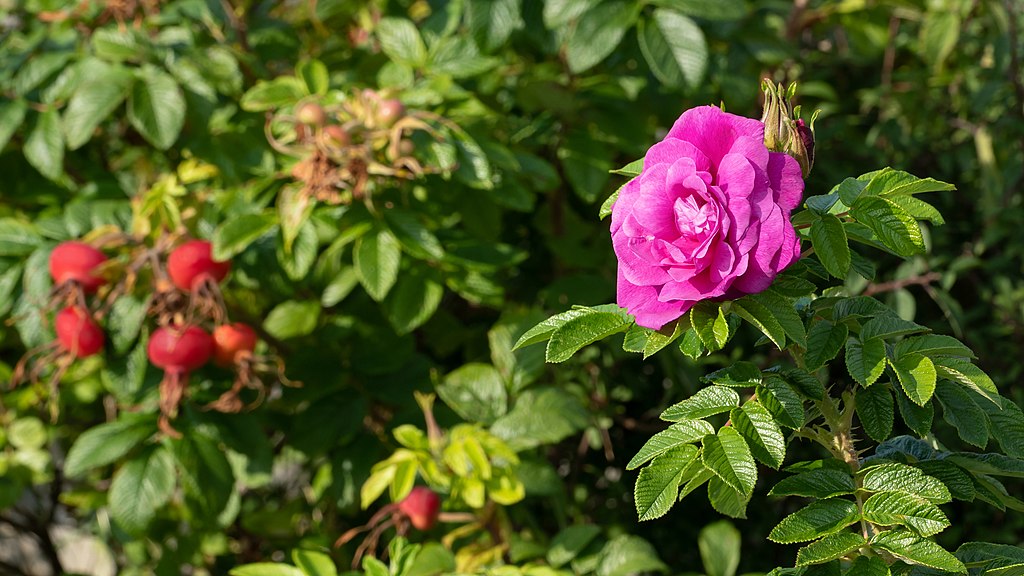
If you grow roses, plan now for rose hips. Simply leave the spent flowers on your rose bushes after their last bloom of the season. Do NOT cut them off. Allow the fruits of the rose, which are the rose “hips,” to ripen on the bush. The hips will turn red or orange depending on the rose variety. When the sides of the hips are soft to the touch, they are ready to harvest. Waiting to harvest until after the first light frost increases the flavor of the hips.
Now, you may be wondering why you should allow your roses to form hips. Here are some good reasons:
Ounce for ounce, rose hips contain eight times more vitamin C than oranges, according to the US Department of Agriculture Food Data Central.
They are also rich in vitamins A, B, E, and K, as well as other nutrients.
We are thrilled to share with you that Learning Herbs will open their registration this morning for Taste of Herbs with herbalist and best-selling author Rosalee de la Forêt who has created a transformative online training.
Rosalee writes and teaches with such substance, and depth, but also makes it very easy and practical for people to understand. In Rosalee’s ‘Taste of Herbs’, she has a way of showing people how to understand and apply the energetics of herbs to every day herbalism and it is quite brilliant.
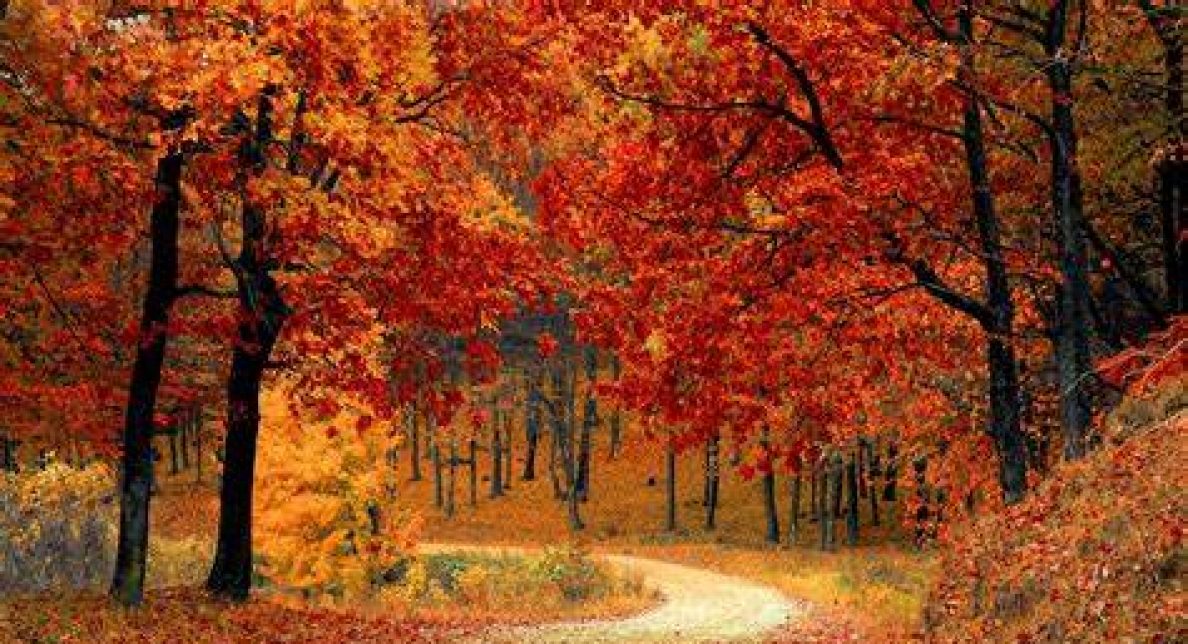
Autumn is the season when the world mellows out and takes stock on what has already been achieved. Change occurs, but at a reassuringly slow drift rather than a hurried panic. Planet Earth takes on a warm glow as the sun shrinks back into the soil. Golden moments with friends, family and self shape the […]
We are happy to announce the first in a new series of Ethnobotany Webinars from the American Botanical Council and the Sustainable Herbs Program. Leading ethnobotanists Michael J. Balick and Paul Alan Cox will be discussing their new book Plants, People & Culture: The Science of Ethnobotany, revised from the first edition published in 1996. Balick […]
A woman hikes up to a sacred spring that she visits at least once a season. From her small bag, she pulls out a beautiful crown of flowers that she had lovingly crafted before leaving home. Placing the crown upon her head, she dances and sings around the spring, drinking deeply and celebrating life on this early fall. As a sign of respect and offering, she hangs the flower garland near the spring and carries her sacred water back down the mountain.
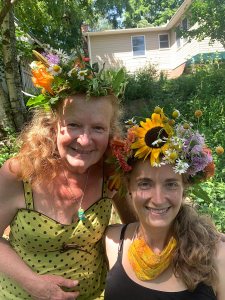
Family wears crowns I made at the bridal shower
I find it interesting that the ancient art of flower crowns garland making is almost non-existent today, at least here within the US. This tradition has so much potential. The only people who I’ve seen make these delightful crowns are children, who haven’t yet lost their magic or wonder about the world. And yet, garlands and flower crowns, are…
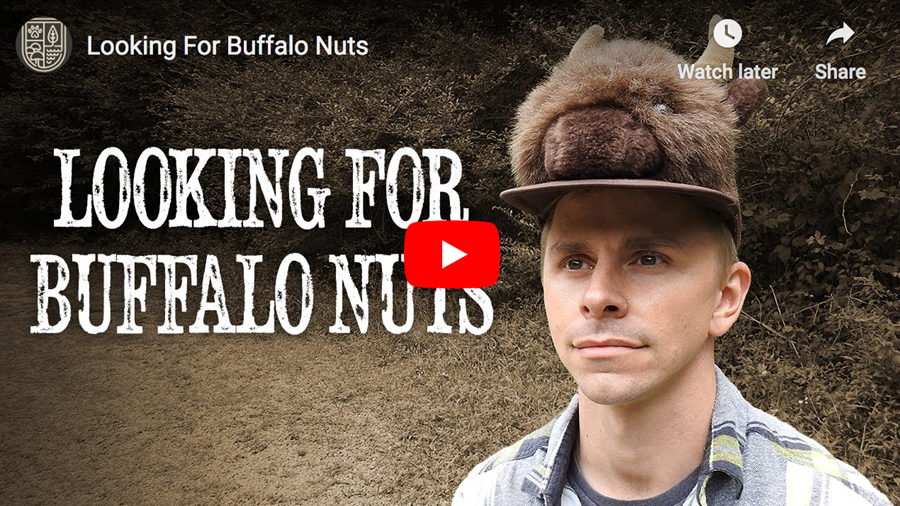
Some plants are easy to find. Other plants require time, turnpike tolls, and chance encounters with botanists’ field notes in order to pinpoint their precise locations.
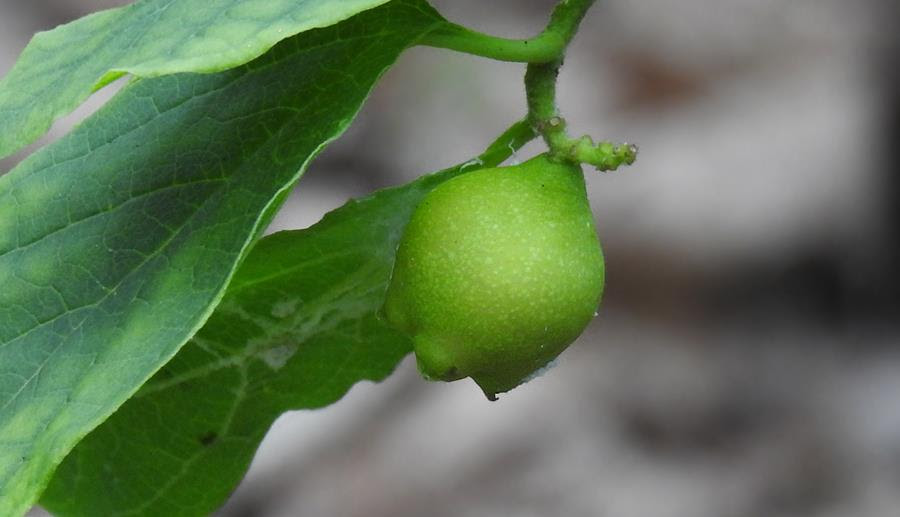
Buffalo Nut, an understory shrub with a rather bizarre lifestyle, falls into the latter category.
My first encounter with Buffalo Nut took place more than 5 years ago. Since that initial sighting, I had never seen the plant again.
A few weeks ago, I came across a list of plants that a few botanists had compiled regarding the flora of certain forests. One of those forests was located in the southwestern portion of the state, and one of the plants included on the list was the elusive Buffalo Nut.
Intrigued, I decided to plan a visit to this forest in search of Buffalo Nut, though because I was quite unfamiliar with the area, I knew that I’d be embarking on a small-scale adventure. What excited me the most was finding its fruits, because years ago when I first discovered the plant, I had only witnessed it in flower.
The trip was planned, though the questions remained. Would I find the fruits? Would I even find the plant? Why are turnpike tolls so expensive?
In this brand new video, I recount the story of my recent adventure in search of an unassuming denizen of the forest.
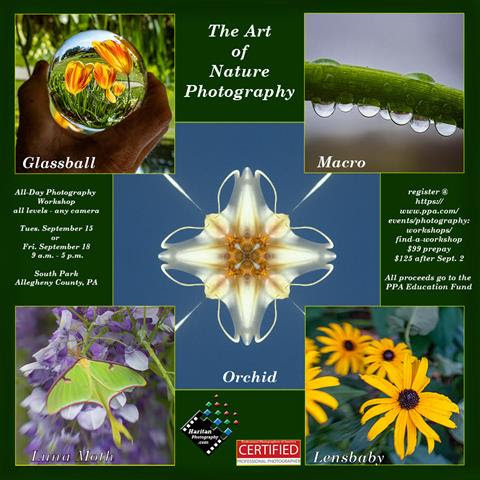
If you are interested in learning artistic nature photography skills, there are two upcoming opportunities to learn directly from an expert in the field. Michael Haritan (my father) is a photographer with over 30 years of experience. He will be teaching two separate classes in southwestern Pennsylvania (Allegheny County) on the techniques involved in using the camera to create images worthy of artistic merit. If you are interested in taking your photography skills to the next level, these all-day classes are definitely worth the investment.
Herbal science group emphasizes that consumers should NOT attempt to produce oleander-based home-remedies or self-medicate with the dangerous poisonous plant.
AUSTIN, Texas (August 18, 2020) — The nonprofit American Botanical Council (ABC) today warned the public about the substantial toxicity associated with all parts of the oleander (Nerium oleander) plant. ABC warns consumers not to ingest any parts of the plant, or capsules, tablets, teas, or extract preparations made from leaves or other parts of the oleander plant because it contains chemicals that can cause serious effects to the human heart, including death.
The ABC warning came as a result of recent media reports that President Trump may be considering asking (or may have asked) the Food and Drug Administration (FDA) to approve the drug product called oleandrin as a potential treatment for COVID-19. Oleandrin, as a purified pharmaceutical investigative drug product, has been researched for its potential…
I’ve long been amazed by the generous bounty offered to us by Mother Nature. Even as a young boy picking wintergreen berries in the woods, I just couldn’t believe that these tasty treats were available for me to enjoy, in quantities greater than I could ever consume, and the only cost was an afternoon in the shady forest, harvesting the luscious fruits as I listened to the melodious whistling of the birds and the occasional scurried sounds of a startled chipmunk or squirrel.
As an adult, my appreciation for Nature’s endless gifts has only deepened, and I find myself preaching her message of abundance to anyone willing to listen. Through my work as an author, herbalist, and educator, I’ve been placed in a unique position to share my knowledge, experiences, and passion with audiences the world over, and the core of my message has always remained the…
Never has it been more important and urgent to regenerate your body and build robust immunity than now, in the midst of our global health crisis.
Acquiring the right knowledge about plant allies, and how to source and prepare them, can be life-changing for you and your family.
Some of the plants and fungi of our immediate natural environment offer remarkable healing power. Plants contain a myriad of compounds that can nourish, balance, and support immune function, thereby increasing your body’s built-in resistance to disease.
Join Plant Medicine for Modern Epidemics Summit, where you’ll discover how plants can purify, protect, and support us — as they sharpen our minds, extend our lives, and deepen our connection with this blessed planet.
Free Online Event Plant Medicine for Modern Epidemics Summit
August 24-28, 2020
The summit includes presentations by more than two dozen leading natural medicine experts, health practitioners, and inspiring…


 Now, you may be wondering why you should allow your roses to form hips. Here are some good reasons:




 myself preaching her message of abundance to anyone willing to listen. Through my work as an author, herbalist, and educator, I’ve been placed in a unique position to share my knowledge, experiences, and passion with audiences the world over, and the core of my message has always remained the…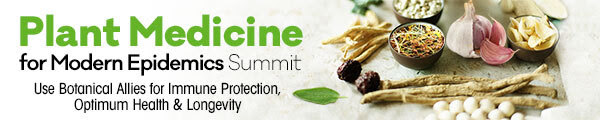



You must be logged in to post a comment.