

By Amy Forsberg
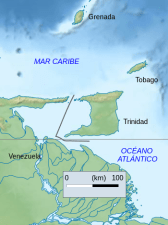 Last week we looked at some of the beverages important to a Trinidad Christmas. Now let’s talk about some of the foods and the special ingredients needed to make them.
So what is on the menu in Trinidad for Christmas? Here is what Ann told me. “Dinner is ham, of course, pastelles, baked chicken, fried rice, pelau, callaloo, macaroni pie…and everybody makes homemade bread. And, of course, sorrel drink and ponché de crème. And you have to have black cake, of course….Everything is homemade, nobody buys anything.”
Pastelles are the West Indian version of tamales and reflect the Mexican/Aztec heritage in the Caribbean. Making pastelles can be labor intensive, and according to Ann, many families make the work fun by turning it 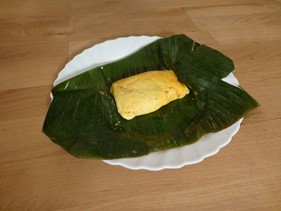 into a party and making large quantities assembly-line style. This is part of what makes them such a Christmas treat. Every island has their own…
View original post 2,124 more words
 I was visiting my mother just a few weeks before Christmas in 2017. She had recently moved to a wonderful small family-run assisted living home. The owner, Ann Abdul, asked me if I’d like to taste some “sorrel drink” she had made for the holiday season. I had no idea what that was. It looked Christmassy–a brilliant ruby red. I took a sip, and the most delicious taste filled my mouth. It was a rich, complex, and unfamiliar burst of flavors. But it tasted like Christmas, too—it was sweet, and I thought I could detect cinnamon, cloves, and vanilla. But it also tasted a bit like lemonade with a pronounced citrusy tartness. I loved it, and I had to know more!
  After watching a video online about making paper from corn husks, I thought it would be fun to try. I had never made paper before, but the video made it look easy. Don’t they always?! I first made some using the husks from six ears. After it didn’t really go well, I bought a book with more detail and tried again.
 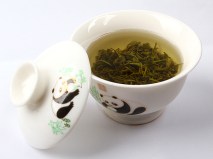 second only to water in most consumed beverages (DeWitt, 2000). I, myself, have become a tea drinker over the years, and as a plant nerd, I wanted to know more about how the tea leaves were farmed. What I ended up learning is that while tea (Camellia sinensis) is by far the most well known and widely used product of the genus Camellia, it is by no means its only contribution to the herbal marketplace.
 True nootropics should aid natural cognitive function, support and protect brain function, and be non-toxic to the user. The properties and constituents of nootropic herbs have demonstrated numerous benefits. Using medicinal herbs to enhance brain health is nothing new; in fact, many have been used safely and effectively for thousands of years.
 Interestingly, just south of the US border in Mexico there is a unique community that is home to sixteen distinct indigenous peoples living in a mild climate, enjoying unique botanic diversity.
  celebrations of them all. The Day of the Dead festival (or Dia de los Muertos) is celebrated from October 31st thru November 2nd. During this…
 William Shakespeare’s poetic plays are filled with dramatic imagery and references to plants, herbs, trees, vegetables, and other botanicals. Shakespeare’s awareness of the botanical world was near the level of herbalists of that period, and the use of plants throughout his plays is done with unparalleled sophistication. They are used to enhance ideas and describe characters, as well as for metaphors. For example, Hamlet describes the state of Denmark as



You must be logged in to post a comment.