An Enchantment Spell for this Full Planting Moon

Spirit de la lune full planting moon

This Full Planting Moon is the first of 4 super moons in a row this year. This is also the first full moon of the astrological new year.

The energy has been intense leading up to this full moon. Establishing order, healing of old wounds and trying to maintain and establish harmony might be some major themes for you right now.

There are some powerful lessons with this moon. It is opposite Venus, trine Saturn and opposite Chiron. The Moon will also make a perfect triangle configuration to both Saturn and Mars, known as a Grand Trine.

This Full Moon is opposite Venus which can increase your need for love and affection, helping us connect to others on deeper levels. Be careful that with this vulnerability you don’t give into things like jealousy or obsession or codependency.

The Moon is trine Saturn, which gives us the patience, inner strength and wisdom to handle any of the obstacles that might come with the intense energies of this full moon.

Chiron, the wounded healer is conjunct the Sun and Venus, and opposite the moon right now too, so there are some unhealed wounds that might be making themselves known to you right now. These might come in the form of new experiences that hold similar energy to a past event.

You might feel like your healing is going backwards, but trust that it is cyclical. Trust in the seeds you’ve planted in the past. Trust in your inevitable period of blooming.

The full moon is also known as the Planting Moon. The Seed has sprouted. Life is flowing and growing wild.

The Planting Moon brings you back to Earth. Prepare your garden so your dreams can grow. Spiritually and quite literally.

For this earthy full moon, we are reconnecting with Gaia- the plant allies, crystal companions and our ritual from last month by completing our witches garden.

If you haven’t planted any seeds yet, no worries! There is still plenty of time. If you did already plant your seeds, they might be big enough to be moved to a bigger planter.

But before we transplant plant our seeds, we are going to create a dedicated planter to hold them and help them grow.

Read full article at: Spirit de la Lune ~ An Enchantment Spell for this Full Planting Moon
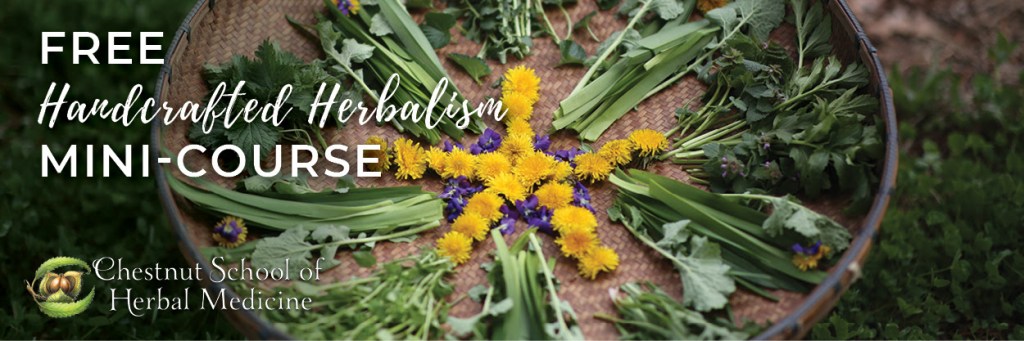
Our most popular F R E E Online Herbal Course is back

Birdsong Paula,Is spring singing sweetly in your neck of the woods? Here in the southern Appalachians, we’re sitting on the edge of our garden stools, ready to be fully wooed by the season. There’s nothing like the spectacle put on by vernal green beings, whose soft brightness is the ultimate restorative after months of dark and cold—figuratively and literally.As redbuds swell and daffodils nod their sunny heads, we’re feeling more than an emergence from winter. This past year surpassed seasonal hibernation; it was a chrysalis moment. A time of dissolution, solitude, and soul-searching, and for many of us a test of spirit as we mourned the loss of loved ones and faced unparalleled challenges. As the veil of the past 12 months begins to lift, we’re ravenous for the renewal of apple blossoms and robinsong.Throughout the last year, cascades of folks have found health, connection, and resilience through the study of herbal medicine. People have turned out for herbal classes, learned to make their own medicines, and grown gardens for the first time in profound numbers. Do you want to join the movement?Registration has just opened for our most popular FREE Online Herbal Course.
Our HANDCRAFTED HERBALISM FREE ONLINE MINI-COURSE is a foundational introduction to some of the most important subjects herbalists need to learn:
Sustainable Wild Food + Medicine ForagingHerbal Medicine MakingPlant Identification + Herbal BotanyIf you enroll by March 29th, you can join us for four vibrant videos, three downloadable lessons (yours to keep!), review Q+A’s, and a self-graded quiz (so you can tape your herbal report card to the fridge).
Enroll in the Mini-Course

Delectable Native Edibles

The Herb Society of America's avatarThe Herb Society of America Blog

By Andrea DeLong-Amaya

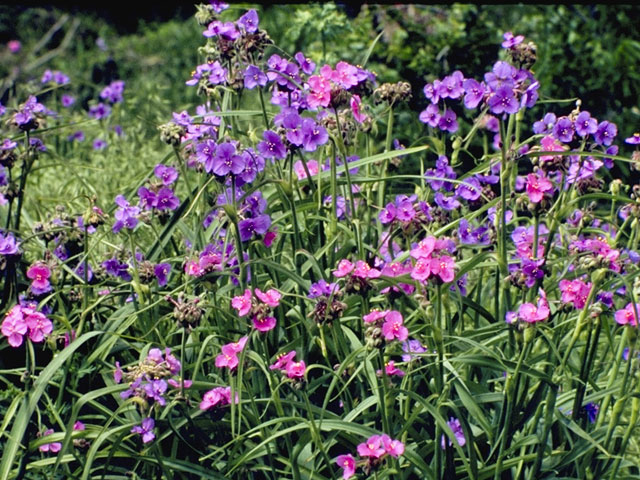
tradescantia flowersYou may be one of the growing numbers of home gardeners who have put shovel to soil in the effort to nourish themselves and their families with wholesome, organic, fresh, and ultimately local vegetables and fruits. It is empowering to know exactly where your food comes from. And, while gardening is perfect exercise…it can be a lot of work! What if you could grow food plants that all but took care of themselves? Or better yet simply harvest, with caution of course, from the wild.
Native produce? Yes! The plants I’m about to tell you about are all easy to cultivate within their home ranges and, once established, may not require any attention outside of harvest. There are many virtues of raising locally native plants, such as decreased use of water, fertilizers, and pesticides, and promoting regional identity, and providing for wildlife. But those aren’t my main…

View original post 1,008 more words

A Spring Equinox Meditation: The Mysteries of the Dandelion and the Three Currents

Dana's avatarThe Druid's Garden

Fields of dandelion Fields of dandelion

One of the hallmarks of spring is the blooming of the vibrant and colorful dandelion. Emerging as soon as the coldest of the temperatures ease, the blooming of the dandelions affirm that the long, dark winter is indeed over and summer is just around the corner. In today’s post, and in honor of the Spring Equinox and the incredible dandelion, I offer a spring tonic and meditative journey to celebrate the Spring Equinox and learn more about the mysteries of the dandelion. This is one of my monthly AODA-themed posts, so I hope you enjoy it and have a blessed spring equinox!

About the Dandelion

The blooming of the dandelions is a special time of year. For us here in Western PA, dandelions bloom just as the final frosts are easing, and are a sign that we can start planting some of our more tending crops in…

View original post 2,002 more words

HSA Webinar: Virtues of Violets

The Herb Society of America's avatarThe Herb Society of America Blog

by Jen Munson, Education Chair

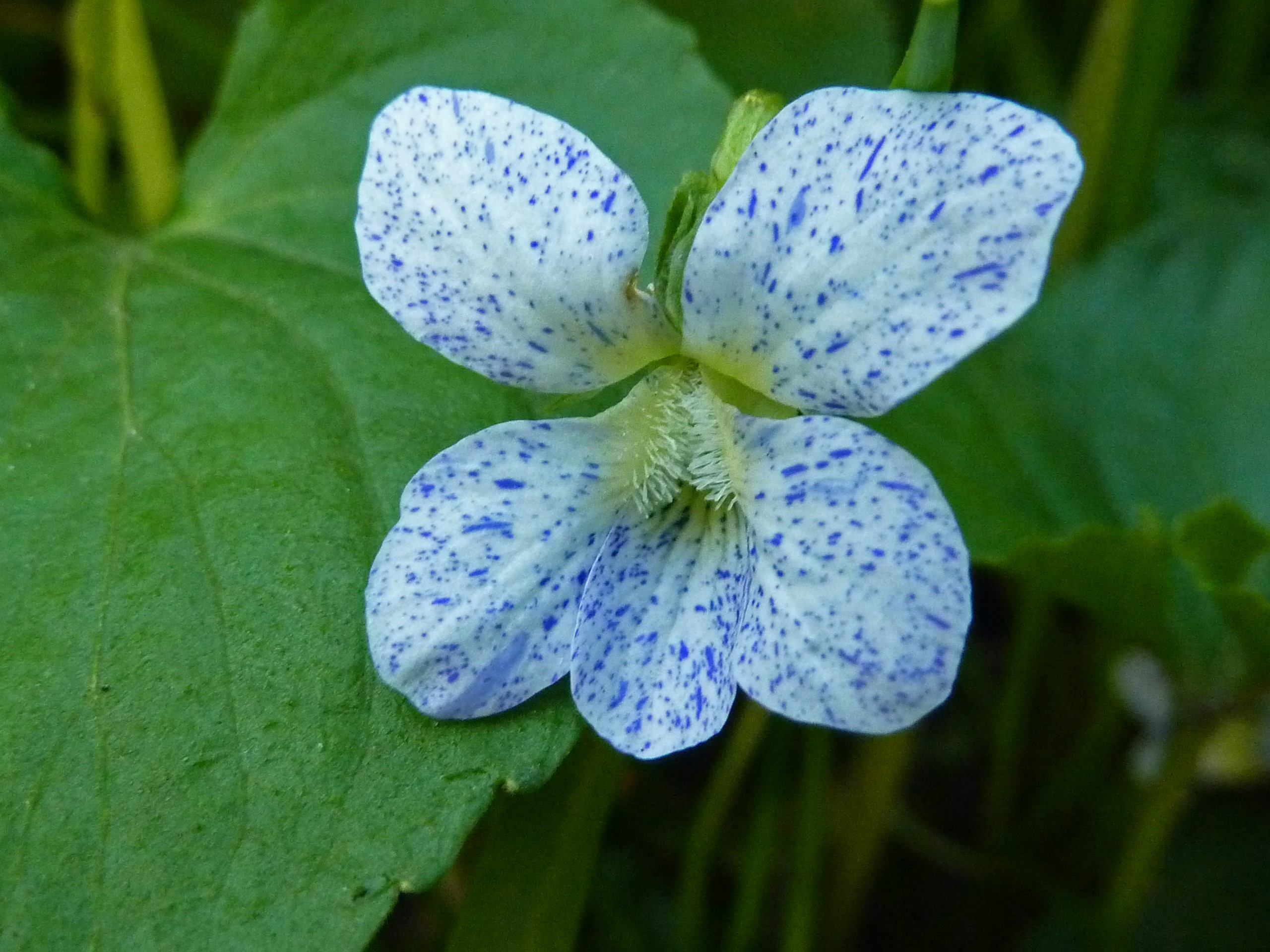
Viola_sororia__Freckles__2010A common harbinger of spring is the showy dandelion with its bright yellow flower that pops against newly greening lawns. With dandelion sightings, so the debate begins between those who want the perfectly manicured lawn and environmentalists who see dandelions as an early food source for pollinators and beneficials. The dazzling dandelion outshines another harbinger of spring, and that is the less-assuming violet. 

Join HSA onMarch 23rd at 1pm EDT for the “Virtues of Violets.” For guest speaker, Katherine Schlosser, the arrival of violets is one of the happiest times in her garden. While her neighbors are out spraying herbicides on their lawns, you can find her swooning over the tiny botanical treasures, harboring in the joy and knowledge that these plants chose to be present in her yard.

Kathy 2-page-001Little do many of us realize that violets have been sought…

View original post 305 more words

Cheesy Dandelion Spirals: Serpentine Spring Magic — Gather Victoria

Note: This recipe was originally shared on Gather Victoria on Patreon. It was originally a recipe for Imbolc but for reasons that will soon become apparent- I thought I’d share it here for St. Patricks Day! St. Patrick was said to have driven all of the snakes out of Ireland – which is odd. While…

Cheesy Dandelion Spirals: Serpentine Spring Magic — Gather Victoria

US Lavender Growers Association –

Crooked Bear Creek Organic Herbs's avatarGood Witches Homestead


Network with other lavender growers from around the world, learn from expert growers and business leaders in the industry, and access a wealth of resources for your business. New growers will appreciate our intensive, two-part “Start a Farm” series, while more experienced growers will benefit from a wide range of topics on production and business. Through the virtual platform, we will be able to provide networking in small groups, topical discussion opportunities, and a unique Exhibitor Hall experience that will allow you to truly assess the resources available to your farm and your business.

Lavender farms, shops, and festivals are popping up all over the country, and so are legions of lavender lovers. The United States Lavender Growers Association (USLGA) is offering enthusiasts the opportunity to indulge in an inspiring and fun day to discover all about lavender. You’ll be able to “tour” scenic lavender fields, gardens, and shops…

View original post 854 more words

The Other Side of Yew

The Herb Society of America's avatarThe Herb Society of America Blog

By Erin Holden

As an herbalist I’m interested in many aspects of plants – from their use in herbal and conventional medicine, to lore that informs us how those in the past viewed the plant. I knew that Taxol was a cancer drug made from the yew tree, but when a friend mentioned its poisonous aspects, I decided to dig a bit deeper.
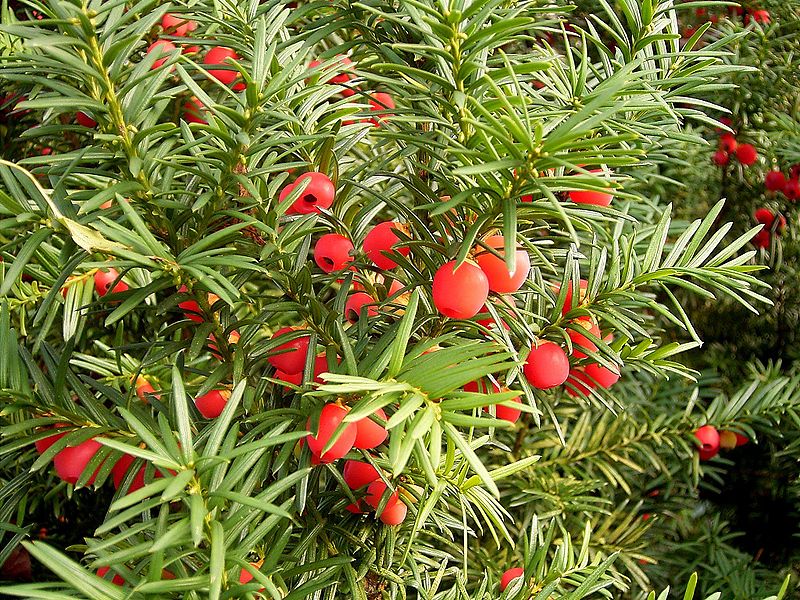
Taxol, the well-known cancer treatment, was first isolated and studied in the early 1960s into the late 1970s, and approved as a cancer drug in the early 1990s. Paclitaxel, the common chemical name of Taxol, was initially extracted from the bark of the Pacific yew (Taxus brevifolia). It was quickly realized that extracting enough paclitaxel to meet demand would wipe out this species in short order, so scientists turned to its faster-growing cousin, the European yew (Taxus baccata), as an alternative. A precursor…

View original post 659 more words

Sacred Trees in the Americas: Spicebush (Lindera Benzoin) Magic, Ecology, and Sacred Uses

Dana's avatarThe Druid's Garden

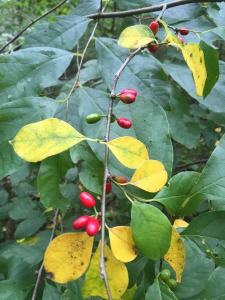
Spicebush leaf and berry in August in Western Pennsylvania

As I continue to explore some of the most important understory trees in the US East Coast and Midwest region, we turn our attention today to the amazing Spicebush (Lindera Benzoin).  Historically, Spicebush was an incredibly important plant, medicine, and spice both to Native Americans and early white settlers in the US and yet today has largely been forgotten in history. Spicebush is a native understory tree with a large range in North America, spanning from Maine to Florida and all the way across the south and Midwest to Texas and up to Ontario. While I’ve taught this plant routinely on my plant walks, and what amazes me is that nobody can even identify it, much less recognize how it might be used. Spicebush has an incredible flavor, medicinal value, and offers much in the way of magic and mystery. It…

View original post 1,877 more words

Spring Flowers, Magical Bluebells.

Crooked Bear Creek Organic Herbs's avatarGood Witches Homestead

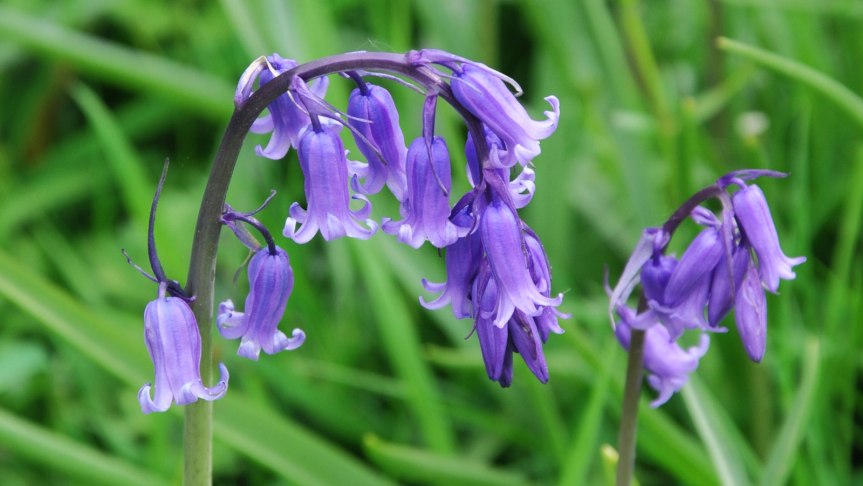
To Elizabethans, bluebells were enchanted, and heaven forbid you hear their bell-shaped heads ring, for death would likely follow. Links with folklore were still prevalent more than three centuries later, as borne out by Cicely Mary Barker’s depictions ofFlower Fairies(the first book in the series was published in 1923) and her assertion that the bluebell be ‘the peerless Woodland King’.

Deep blue H.non-scripta, a perennial bulb, flourishes in humus-rich soils, and on limestone ridges. Young shoots push their way up through leaf litter to allow their flowers to open in the dappled shade of trees such as beech and oak.

The bluebell is a natural indicator that helps us to identify ancient woodlands, where it has grown for hundreds of years. Rich in pollen and nectar, it is also a vital food source for many native insects, including its main pollinator, the bumblebee.

Believed to call…

View original post 409 more words