Florida Herbal Conference

Crooked Bear Creek Organic Herbs's avatarCrooked Bear Creek Organic Herbs

Though winter snows continue to fall here in the Northeast, we are daring to dream of Spring, flowers, and new gardens filled with beauty and fragrant, healing herbs! For more inspiration, exciting workshops, deepening your understanding of the green world, great music and marvelous fun connecting with herbalists around the world ~ head on over to the Florida Herbal Conference site! Emily Ruff and her amazing team are making this conference available to EVERYONE with the pay-what-you-are-able registration fee.   I so hope you have the time to show up and be a part of this Herbal Celebration!! Enjoy!

Source: Florida Herbal Conference

View original post

Exploring Vanilla in the Rainforest and in the Kitchen: Part I

The Herb Society of America's avatarThe Herb Society of America Blog

By Susan Belsinger

(Adapted from her article, “Exploring Rainforest Spices at Villa Vanilla,” featured in the 2019 issue of The Herbarist, the annual journal of The Herb Society of America.)

Vanilla in the Rainforest

P1110204Before going to Costa Rica, I researched gardens, restaurants, herbs, spices, botanicals and the rainforest—places where I wanted to go, see, and experience. Once I visited Villa Vanilla’s website, https://www.rainforestspices.com/, I knew that I had to go there. I made reservations for the farm tour in advance. It was one of my favorite things in Costa Rica—I loved seeing the tropical spice plants up close and personal—and I got to smell and taste so many things, which was a memorable sensory experience!

During the half day Spice Plantation Tour, visitors experience the sights, tastes, and aromas of vanilla, cinnamon, pepper, and other tropical spices, essential oil plants, and a wide variety of…

View original post 1,181 more words

The Magic of the Understory

Dana's avatarThe Druid's Garden

A path of evergreen mountain laurel at Laurel Hill State Park. Amazing to hike through in the winter, when the understory sings!

As you may have noticed, in the last month or so I’ve been working diligently on my “Sacred Trees in the Americas” series.  The truth is, I’ve worked through most of the trees that are well known and form the overstory of most of the forests in the US East Coast.  Trees like White Pine, Oak, Hickory, Sugar Maple, Ash, Beech, and Birch are dominant trees.  And when you do research on these trees, you find a rich tradition and lore from both the Americas and the Old World.  Recently, I’ve moved my attention to lesser-known trees like Ironwood and Devil’s Walking Stick, and have covered others like Witch Hazel (distinct and different from American Hazel) and Spicebush. There is a striking difference between the first group and…

View original post 1,244 more words

Magickal Properties and Uses of Viola, Violet Magic

Crooked Bear Creek Organic Herbs's avatarGood Witches Homestead

Viola is a quiet, little magic. She springs up in fields, lawns, and at the edges of forests. Before her companions begin to bud, she’s blooming away, gathering in the cool, damp spring days. In spring’s quiet while everyone else has yet to awaken, Viola works her magic.

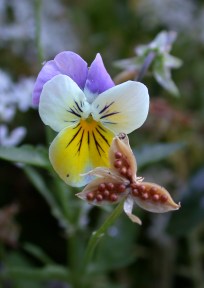
Violas come in a variety of colors and shapes. The ones herbalists are most sweet on are a species called Viola odorata, although we may well fall in love with some of her close cousins, too. Viola odorata sports blue blossoms. Viola tricolor, like the ones in my garden, bloom in deep purples, sometimes sporting a few yellow or white petals. Sometimes they’re called Johnny Jump-ups, Hearts-ease Violets, Sweet Violets, or Pansies by garden centers, sometimes just plain violets. Part of what makes V. odorata and her medicinal cousins particularly special is her scent.

Viola odorata or Violet is a…

View original post 39 more words

HSA Webinar: Weird Herbs

The Herb Society of America's avatarThe Herb Society of America Blog

Sponsored by the Baton Rouge Unit
by Jen Munson, HSA Education Chair

lambs earGardening has long been a popular pastime. The pandemic, and subsequent lockdown, has only increased gardening’s popularity. Planting perennials and annuals for beauty, texture, and joy, while rewarding, is tame. It is when you cross into the herb gardening world that things get a little weird. 
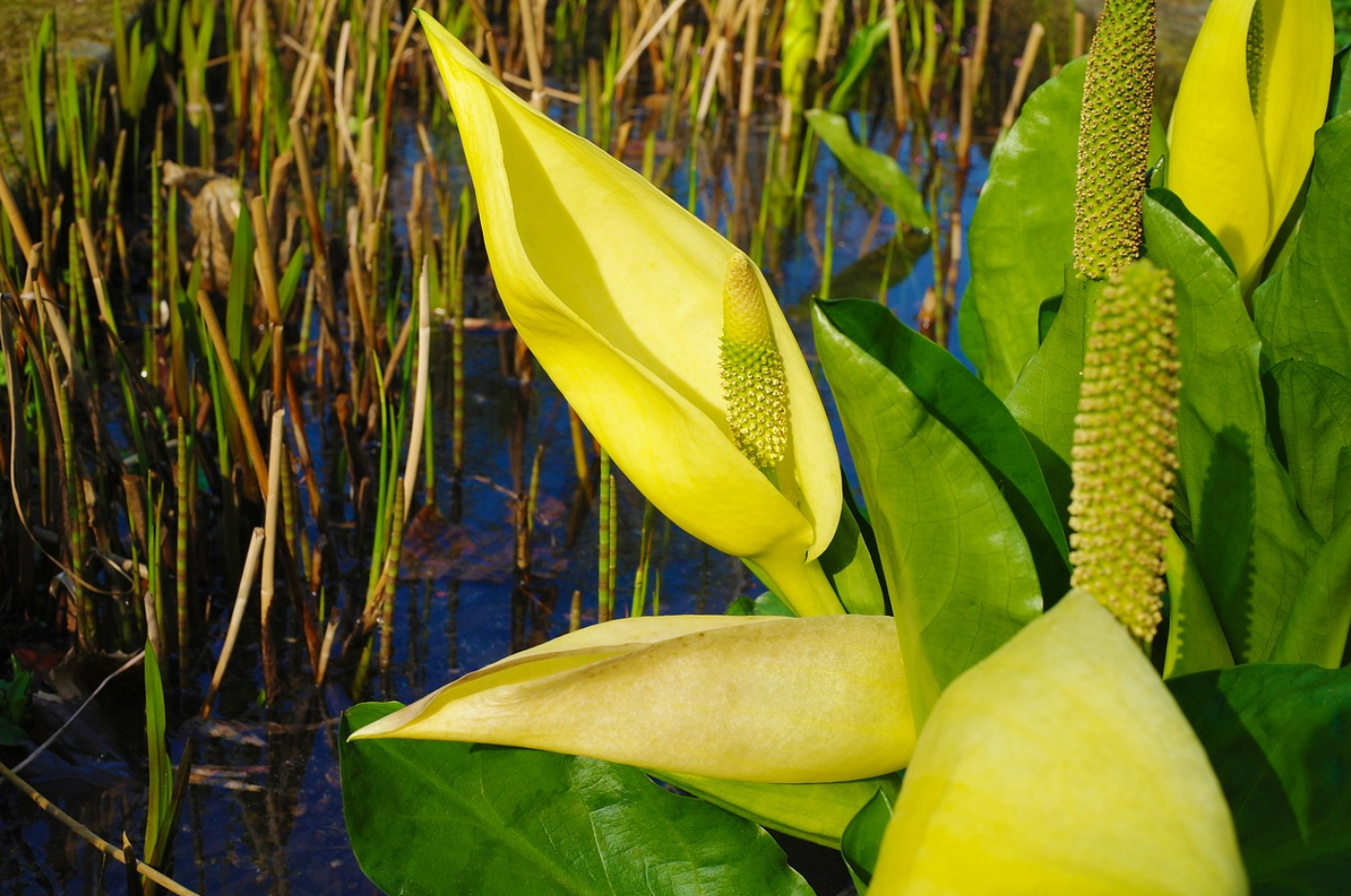
The Herb Society of America identifies herbs as any plant or fungi that has a use beyond purely ornamental. This includes plants used for botanical dyeing, culinary,yellow skunk cabbage economic, and medicine, among other uses. This is where things can get strange. For example, lamb’s ear (Stachys byzantina) has been and can be used as a natural bandage or even toilet paper! Still stranger are the leaves of the Western skunk cabbage (Lysichiton americanus), which can be used like parchment paper for wrapping meat and fish prior to cooking. Surprisingly…

View original post 515 more words

Herbs are expensive – Grow your own

pobept's avatarTown & Country Gardening

Herbs Fresh or Dried purchased from your local Supermarket or Farmers Market are exceeding expensive.

These are sample prices taken from Walmart

The best solution is to grow your own Herbs. Herbs take up little space and are very forgiving if neglected.
Most herbs will do well in containers, window boxes and planted directly in your garden soil.
If herbs are conventionally located to you and your kitchen you are more willing and more likely to use them when cooking and serving meals.

Herbs Make Common Foods Taste Special

Sage is a herb that does well if properly cared for. It requires a lot of pinching and cutting to keep it from becoming woody. As a rule, sage will need to be replanted about every 3 years since it will become woody with few leaves no matter what, so keeping it in a pot makes this change that much easier…

View original post 545 more words

Join This Thursday’s Free Ethnobotany Webinar on The Development of Crofelemer – American Botanical Council

Crooked Bear Creek Organic Herbs's avatarCrooked Bear Creek Organic Herbs

We are happy to announce the next webinar in the Sustainable Herbs Program (SHP) Toolkit Webinar Series: The Development of Crofelemer: Connecting Ethnobotany, Conservation, Biocultural Diversity, Indigenous Knowledge, and Global Public Health.

In this webinar, ethnobotanist, Steven King, PhD, will discuss his work creating a sustainable harvesting program for Croton lechleri, (the source of Crofelemer) for use in Crofelemer, the first oral botanical drug approved by the US FDA. King, in particular, will talk about his work with international partners and indigenous and local communities on conserving biological diversity, recognizing intellectual property rights, and meeting global human health care needs.

Dr. Steven R. King is an ethnobotanist who has conducted field research on the use of plants for food and medicine in the highland and lowland regions of South America, Africa and parts of Southeast Asia over the past 42 years. Dr. King holds a Ph.D in Biology…

View original post 113 more words

Pink Peppercorn – Herb of the Month

The Herb Society of America's avatarThe Herb Society of America Blog

The Peppercorn That is Not a Pepper
by Maryann Readal

The pink peppercorns that are found in the colorful mix used in clear pepper mills are not the true pepper of the Piper nigrum vine. These rosy colored berries are from the peppercorn tree, Schinus molle. The dried pink peppercorns do have a slight peppery, resinous taste and add color and sparkle when ground over any light-colored dish. Their milder flavor also makes them suitable for use in pasta and some dessert dishes like ice pink peppercorncream and fruit, or sprinkled over a cheese board.

The peppercorn tree is native to Peru and is also called the Peruvian or California peppertree. This drought resistant tree is evergreen and can be grown in warm parts of the United States, Africa, India, Australia, and New Zealand. In fact, it has naturalized in some areas outside of Peru, and is considered invasive in…

View original post 1,055 more words

Herbal Hacks, Part 3: Garden Care and Herb Drying Tips

The Herb Society of America's avatarThe Herb Society of America Blog

The good ideas just keep coming! Read on for the third installment of reader-submitted herbal hacks: garden care and herb drying tips.

flowers-5792157_1920_Image by Prawny via Pixabay In summer, I dry herbs in paper bags in the rear window of my car. It only takes 2-4 days, depending on the amount of sun. – Gail Seeley

Fill a lidded, plastic trash can with water, then measure out and and add your favorite water soluble plant food. Store your watering can inside. This tip will make caring for plants in containers much easier. –Holly Cusumano

Folded and rolled towel cropped_Carol KaganExcerpt from Herbal Sampler, 2nd ed. You can dry herbs in your frost-free refrigerator. This method results in good quality and keeps the bright color of the herbs. Make sure the herbs are clean and dry. Remove the leaves from stems and place on a section of paper towel. Roll or fold the towel to cover the herbs…

View original post 420 more words

American Botanical Council

Crooked Bear Creek Organic Herbs's avatarCrooked Bear Creek Organic Herbs

We are happy to announce the next webinar in the Sustainable Herbs Program (SHP) Toolkit Webinar Series: COVID and the Botanical Industry: Perspectives from the Field.

How is the unprecedented growth in the botanical industry impacting producer groups around the world? What can ingredient suppliers, finished product companies, and consumers do to support the work these companies do to source high quality botanicals from their regions?

In this webinar, SHP Director, Ann Armbrecht will speak with Puspa Ghimire, from ANSAB, Nepal; Tarun Prajapati from Cultivator Natural Products, India; and Paulo Barriga from Pebani, Peru about the challenges of the past year in producing and supplying high quality, sustainable, and fairly traded botanicals to the global market.

COVID and the Botanical Industry: Perspectives from the Field
A conversation with Puspa Ghimire, from ANSAB, Nepal; Tarun Prajapati from Cultivator Natural Products, India; and Paulo Barriga from Pebani, Peru
Thursday, January 21…

View original post 17 more words