Tag: Herbs
Lavender for Body and Soul


Lavenders have everything for the modern garden as an amenity plant. They are
evergreen, fast-growing, compact and fragrant. The origins of its name are
probably from the Latin word Lavare indicating the plant has another use as it
means to be washed and suggests it was regularly used to perfume bathing water.
There are numerous references to other qualities of lavender in Roman times – such
as a cure for mild epilepsy and as a laxative. The production of lavender for
aromatherapy, perfumery and alternative medical purposes are now well developed
in countries where various species of lavender are found naturally i.e. from the
The Mediterranean to the Middle East, India, North Africa, and Asia.
Climatic Factors
Lavender production requires dry roots and shoots, free draining soils and
reasonable light levels. Low fertility sandy soils are ideal with a Ph range of 6.0 to
7.0. When selecting suitable sites frost…
View original post 2,141 more words
Recipe: Wildcrafted Herbal Blessing Oil

A herbal blessing oil is a simple magical tool that you can make that directly comes from the living earth. The herbal blessing oil can be used to bless tools, seed balls, trees, yourself, other people, or anything else you like. You can include it as part of your Druid’s Crane Bag. Your own unique blend of herbs and wildcrafted ingredients will make it an amazing and potent tool for your practice. While druidry doesn’t use oils extensively, other traditions, like the American folk magic and Hoodoo, use oils a lot to dress candles and do other kinds of energetic work.
Choosing Plant Material
You can harvest material from one plant or from a variety of plants and combine them. Here are some possibilities for you:
- Lavender, Sage, Rosemary, Thyme, Lemon Balm, Majoram, – Garden herbs that offer healing and protection. Add one or more of these as…
View original post 1,124 more words
Lavender and Aromatherapy

Lavender is one of those scents that have the power to evoke the senses. Most notably, feelings of relaxation and well-being. In fact, it was long believed that Cleopatra’s secret weapon, in love, was Lavender.
Calm and refreshing it’s not surprising the word Lavender in Latin (Lavoie) means for wash or bathe. Because of its sweet aroma, it was widely used in Europe as a herb to wash linen. Later, Lavender’s antiseptic, anti-inflammatory, anti-microbial and anti-fungal properties were discovered, giving rise to its use as an aid to bug bites, burns, and skin abrasions. This essential oil is also used to repel mosquitoes. Planting Lavender in one’s garden is a great way to naturally repel unwanted pests. If you like to make your own honey, bees LOVE Lavender flowers or if you prefer to buy honey, you can make a Lavender honey infusion using dried Lavender buds…
View original post 2,455 more words
Kick Off 2019 With A Health-Minded Resolution!

All of us want to live happy, fulfilling, and creative lives. How can we achieve this goal? Undoubtedly, creating and maintaining good health is key. Most importantly, we need to pay attention to what is unfolding in and around us. This means regular internal “check-ins” to determine what we need – rest, nutrients, emotional and physical contact, stretching and movement – as well as the daily practice of healthy habits. We must literally “practice to be healthy,” rather than practice to be sick. This requires effort, knowledge, support, and repetition. In today’s world, it also necessitates knowing how best to manage the daily stress that is part of our lives in a way that works for us personally and individually.

Reducing stress and its effect on health is a challenge for nearly everyone. Some of us turn to pharmaceutical medications, which often not only fail to truly reduce stress but…
View original post 2,623 more words
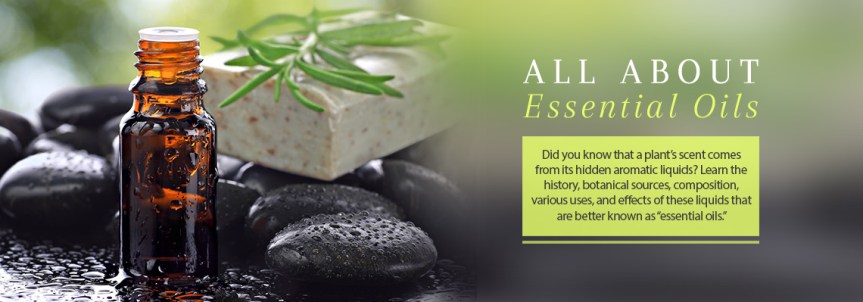
The Essence of Your Essential Oils
About Your Essential Oils…
The Essence…
- Essential oils are organic, volatile, liquids that are secreted by tiny structures in a plant’s various parts such as the seeds, leaves, fruits, flowers, resins, and woods.
- An essential oil gets its name from the plant from which it is derived.
- These oils were given the name “essential,” because they were believed to capture a plant’s essence, that is its odor and flavor. They lend plants their distinctive fragrance.
- Essential oils act like their original plant’s defense mechanism and are more powerful due to the concentration of healing compounds collected in the oil.
- The specific ratio of the constituents in an essential oil gives it its specific wellness-enhancing and therapeutic qualities.
- Fragrance oils are artificial and synthetically created by chemists, thus they do not contain the same therapeutic benefits as essential oils.
- It is best to avoid essential oils under specific circumstances, especially when…
View original post 2,907 more words
Imbolc Lavender & Rosemary Seed Cake — Gather Victoria

There is nothing like cake to celebrate a special occasion and Imbolc (on February 2nd) is no exception. And I think this “naked” sponge cake would be a wonderful addition to any Imbolc Feast! It’s kept gorgeously moist with brushings of lavender and rosemary syrup (between cake layers) but the slight tang of the Mascarpone…
WHAT ARE HERBAL TINCTURES?

January is here with its fresh start, and we are enjoying our snowy Utah landscape, cozy fires and turning inward. This time of year is about resetting, refreshing, finding balance and focusing on self-care and the care of loved ones. This is a wonderful time to start new healthy habits that can stay with you all year long. It’s also a great opportunity to share the beauty and accessibility of herbal tinctures with friends and family, resolving to build good health within your community!
When we think about using herbs in our everyday life, there are a few ways that come to mind; fresh harvest from the garden, herbal infusions (tea) and herbal tinctures. While many of you know what a tincture is and use them often, many folks don’t, and our goal is to get more people comfortable using plant medicines and to be inclusive in our information; we…
View original post 656 more words
Thinking About Planting a Dye Garden?
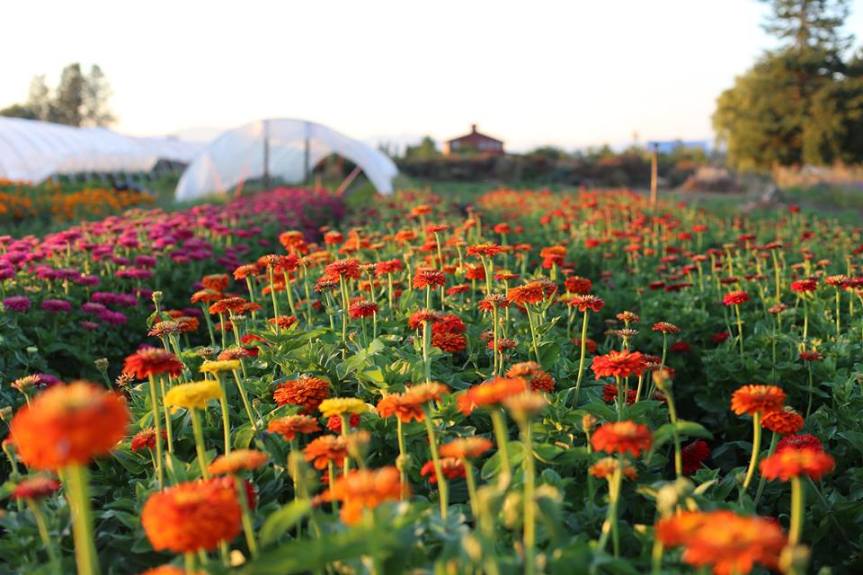
Traditional dye plants offer intriguing materials for the gardener who is also a spinner or weaver, or who just wants to experiment with the vast usefulness of the natural world. Nature has its own subtle palette of colors and this little garden represents a few of the dozens of plant dye possibilities, which even include some nuts, fruits, vegetables, and other common foods.
And even if you’re more inclined to pick up some easy powdered dye at the corner store than to make a dye bath from the plants in your garden, you still might appreciate this connection to history and tradition. All of these plants are desirable garden plants.
About Dye Plants
A separate garden isn’t necessary to grow dye plants, as you can incorporate them into an existing flower border or bed (and you might unknowingly be growing dye plants already), but this small corner bed can give…
View original post 901 more words
A Passion For Herbs
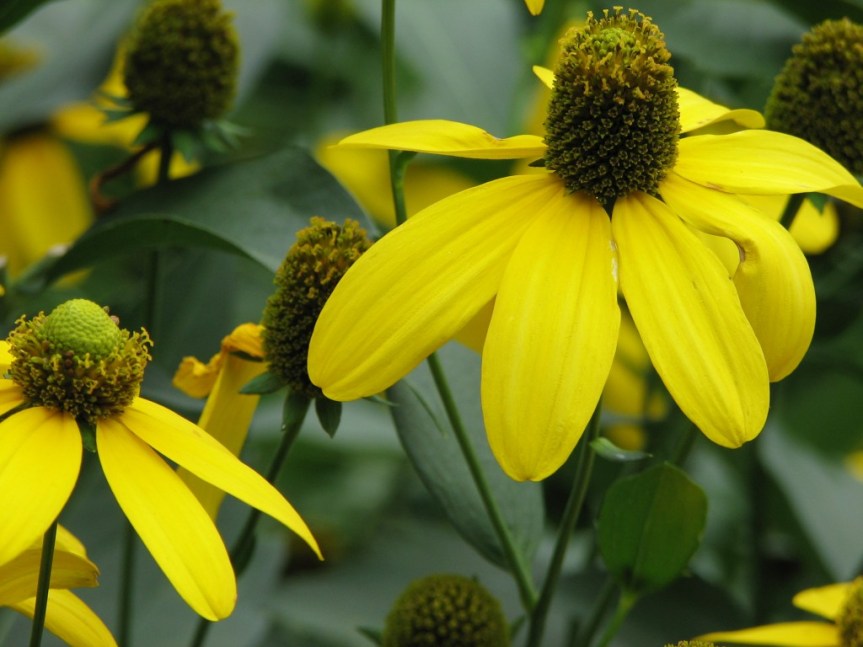
Herbs are a fascinating group of plants with a history of cultivation stretching back to the dawn of civilization. Once the herb garden was a practical project, necessary for supplying flavorings for the kitchen and medicines for the family. Today, gardeners are growing herbs for medicinal purposes and for their attractive looks, pleasing fragrances, and tasty flavors. Whether your interest is kindled by taste, aroma, beauty, or history, you’ll find herbs a satisfying addition to your garden.
What is a Herb?
Traditionally, herbs have been defined as plants that are useful to people. The oregano and thyme on your pizza are herbs just as the ornamental foxglove, from which we once extracted the medicine digitalis, is a herb. The insecticide pyrethrin is derived from the painted daisy, making it a herb as well. The list goes on and on; we use herbs and herb products every day.
Choosing Herbs:
In…
View original post 1,672 more words
 Paths I Walk
You must be logged in to post a comment.