
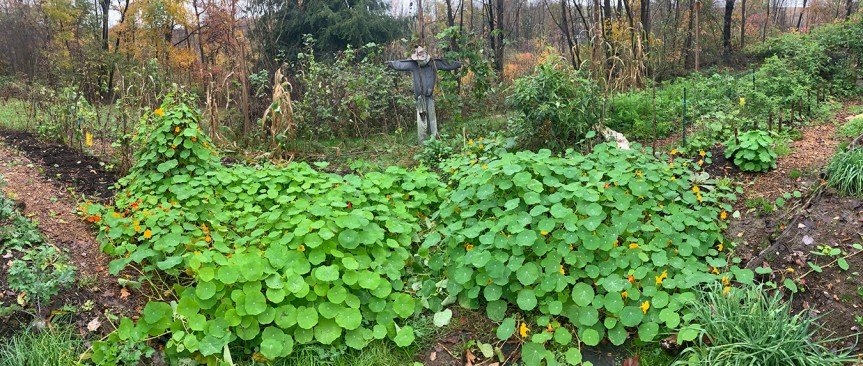
The day before the first hard frost. Our garden is still bountiful as the Butzemann watches over all….As the darkness continues to grow deeper on the landscape, it is high time to consider how to put the garden to rest for the winter and honor the garden that has offered you so much bounty and joy for the season. I actually find this one of my favorite gardening activities of the year, both on a metaphysical and physical level. There’s something special about “tucking” your garden in after a productive growing season and knowing that the land will go fallow and rest as the cold and ice come. Here are both the physical activities and sacred activities that you can do to help put your garden to rest.
Do note that my timings are based on the temperate climate in Western Pennsylvania, USDA Zone 6A. You can adapt appropriately based…
View original post 2,322 more words

 After a brief email exchange with a colleague last fall around this same time, I set off to collect some fallen treasures from the forest floor from a tree I had never collected from before. The fruit was large and aromatic, but I was unfamiliar with its culinary use. Suddenly the sweet scent of ripening flesh let me know that the bounty was close, and true to smell, the six-inch long, bright yellow fruits of the Chinese quince
 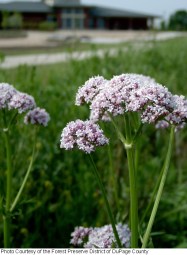 Many people may be familiar with the distinctive aroma of valerian root; old socks, wet dog, and horse manure are just a few things to which the odor has been affectionately compared. In fact, the constituent responsible for the smell, valeric…
 I am writing this on the evening of the full harvest moon—it is shining bright in the night sky just over the treetops. We are also celebrating the Autumnal Equinox. I know that fall is here by the feeling in the air—cooler nights—and needing to grab that extra blanket; the smells are different—moist, earthy, and leafy; the departure of the hummingbirds since the jewelweed blooms are fading; the slowing down of plant growth in the garden and the ripening of others—herbs are maturing, flowers are showing off their last hurrahs, and many plants are producing seeds. It is time for gathering the bounty and celebrating the harvest!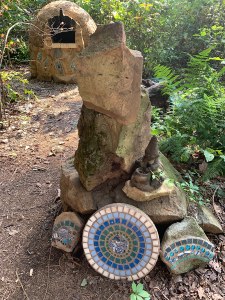
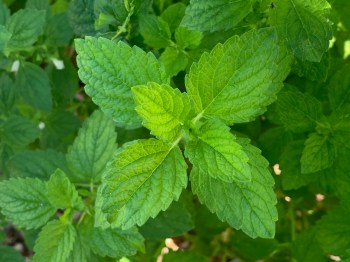 The lazy days of summer quickly transition to the more scheduled and hurried days of autumn. While glorious hues are found in changing leaf color and late season blooms like goldenrod and Joe-Pye weed, the pace of our world undeniably quickens during this season. Add the additional stress and worry about the Covid-19 pandemic and the message is clear–take time to personally cultivate peace and manage stress.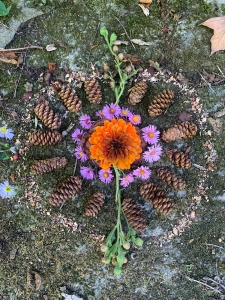
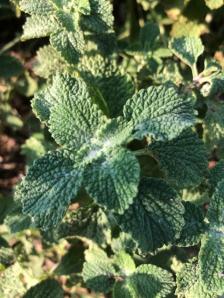 The fuzzy, light gray, deeply-wrinkled leaves of horehound (Marrubium vulgare) offer a nice contrast to other colors and textures in the garden. I love that contrast around the base of the red roses in my garden. Horehound is a perennial herb that grows from one to two feet tall, and can spread in the garden. It prefers dry sandy soil and a sunny location, tolerates poor soil, and is hardy in USDA Zones 4‒8. It may be started from seed in the spring, although germination is slow and sometimes not reliable. Cuttings can be taken from a mature plant or the established plant can be divided. Its leaves have a very bitter taste. Horehound produces whorls of small white flowers at the top of the stalk in the second year. The flowers are very attractive to bees, which makes for a tasty honey. The barbed…
 Paths I Walk
You must be logged in to post a comment.