Tips For Growing and Preserving Herbs In The Low Desert

By Crooked Bear Organics

Crooked Bear Creek Organic Herbs's avatarCrooked Bear Creek Organic Herbs

Soil Preparation:

In low desert areas, growers are not blessed with the rich, organic soil we’d prefer to have. Most gardens will need some organic material, soil sulfur, ammonium phosphate, and gypsum. Every year, as a matter of fact, you may need to add organic matter and gypsum. Pay close attention to your garden soil. If you get a soil test, you’ll know what the pH and fertility are and can make any necessary adjustments. If the test indicates your soil needs it, add fertilizer during pre-plant soil preparation, when it is easier to amend the soil; you’ll also find the results more effective. Spade the soil deeply, to a depth of 18 inches, to loosen compact soils. Enrich the soil with plenty of compost and well-rotted manure. It greatly helps gardeners to spade as much as 6 inches of organic material into the top 12 inches of the planting…

View original post 1,437 more words

Southwest Gardening: Sacred Mesquite ~Recipes

By Crooked Bear Organics

Crooked Bear Creek Organic Herbs's avatarCrooked Bear Creek Organic Herbs

Mesquite grows well in desert areas from the southwestern United States to the Andean regions of South America. Traditionally, native peoples of the Southwest depended on mesquite. It provided food, fuel, shelter, weapons, medicine, and cosmetics. As times changed, and as refined sugar and wheat flour became staples, the role of mesquite was diminished.

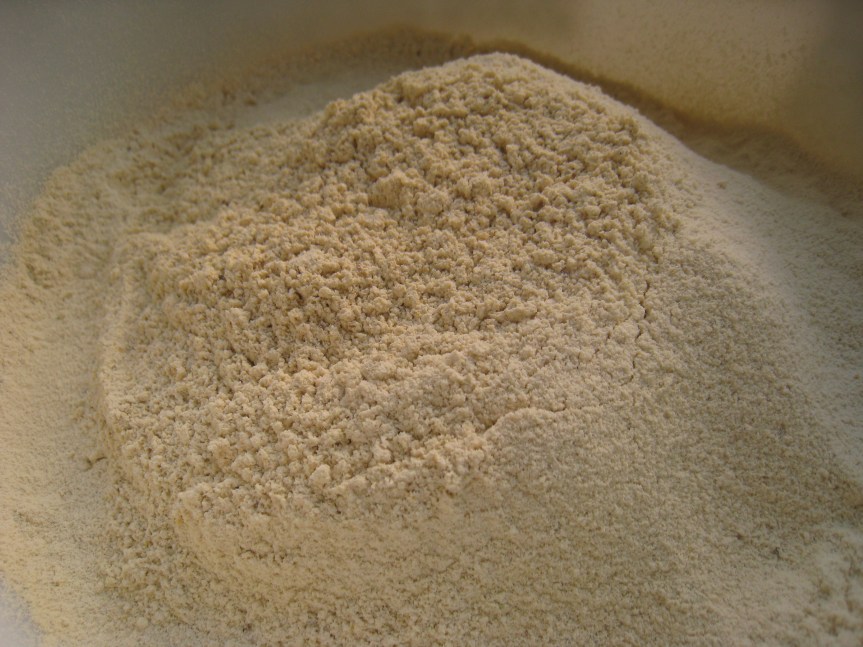
mesquite flour

Mesquite meal was once made by hand-grinding the plant’s seeds and pods on stones. Now modern milling techniques speed up the process, grinding the entire mesquite pod at once, including the protein-rich seed. This produces a meal that is highly nutritious as well as very flavorful. The meal ground from the pod contains 11 to 17 percent protein. High lysine content makes it the perfect addition to other grains that are low in this amino acid.

mesquiteflourfinal400

http://www.mesquiteflour.com/

Although desert dwellers used mesquite pods as a source of food for centuries, when you order and use this product…

View original post 1,746 more words

Southwest Herb Gardening: What To Plant In June, and Watering In June

By Crooked Bear Organics

Crooked Bear Creek Organic Herbs's avatarCrooked Bear Creek Organic Herbs

We recommend most plants be planted in the fall or spring. However, if you must plant during the summer months watering may need to be more frequent and you must be diligent about observing your newly planted plants for signs of water stress. Follow the guidelines in the Watering section.

Many cacti and warm-season succulents can still be planted in the summer. When transplanting cacti and succulents, mark either the south or west side and plant facing the orientation you marked to avoid the burning of tender tissues. Most nurseries will mark the side of the container to help you determine proper planting orientation. However, if the original orientation is not known, newly planted cacti and succulents need to be covered with shade cloth if the plant surface appears to yellow or pale suddenly. Use a shade cloth rated between 30-60% as anything higher will block most of the sunlight and…

View original post 1,557 more words

Southwest Herb Gardening: June In The Low Desert

By Crooked Bear Organics

Crooked Bear Creek Organic Herbs's avatarCrooked Bear Creek Organic Herbs

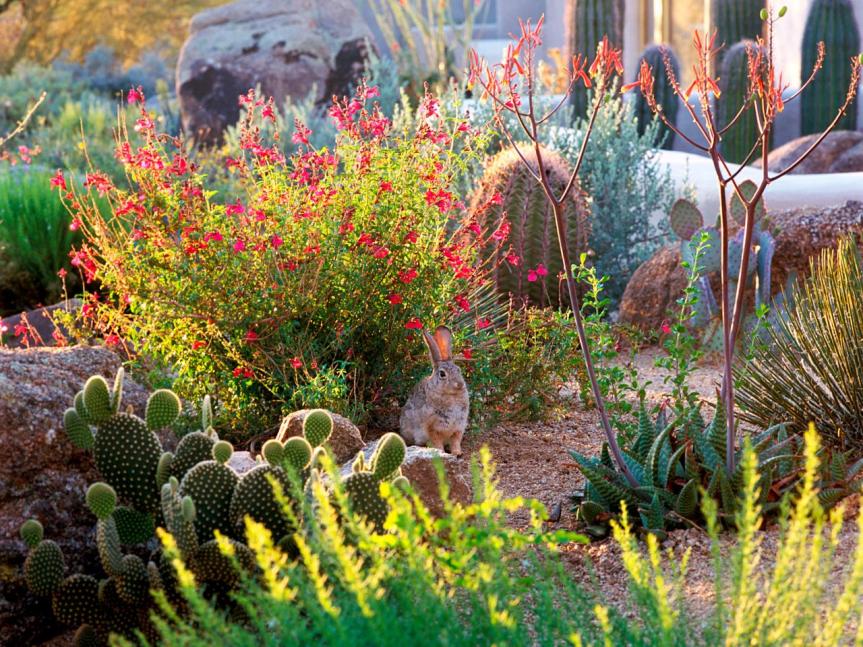
June in the low desert is generally the driest and hottest month. Desert gardeners often must begin their garden activities in the early morning or at sunset to avoid the intense sunlight. Plants must endure the intense heat throughout the day. Many native and desert-adapted plants have numerous adaptations that enable them to live successfully in the desert, such as succulence, drought-deciduousness, and small leaves, to name a few examples. Even with these numerous adaptations, desert plants sometimes need a little help to keep them healthy and thriving in your garden. Native and desert-adapted plants that were newly planted and those that are not established in the landscape need to be watered until they become established in the landscape and can then survive with natural rainfall. Even established plantings will need an occasional supplemental watering during long periods of drought to keep them healthy and stress-free.

Summer is the prime…

View original post 1,684 more words

Walking Meditation Garden with Hugelkultur Beds

By Druid’s Garden

Dana's avatarThe Druid's Garden

As a practitioner of permaculture and as a druid, I am always looking for ways to work with the land to create sacred and ecologically healthy spaces.  That is, to create self-sustaining ecosystems that produce a varitey of yields: create habitat, offer nectar and pollen, systems that retain water and nutrients, offer medicine and food, create beauty and magic.  But conventional gardens, even sheet mulched gardens, can falter in water scarce conditions.  So building gardens long-term for resiliency and with a variety of climate challenges in mind is key.  At the same time, I am also looking to create sacred gardens, that is, not just places to grow food (which is simple enough) but to develop sacred relationships and deepen my connection with the living earth. Given all of this, I developed a design for a butterfly-shaped garden that would use hugelkultur raised beds and allow for a space…

View original post 2,122 more words

Know Your Underground Roots

By Crooked Bear Creek Organics

Crooked Bear Creek Organic Herbs's avatarCrooked Bear Creek Organic Herbs

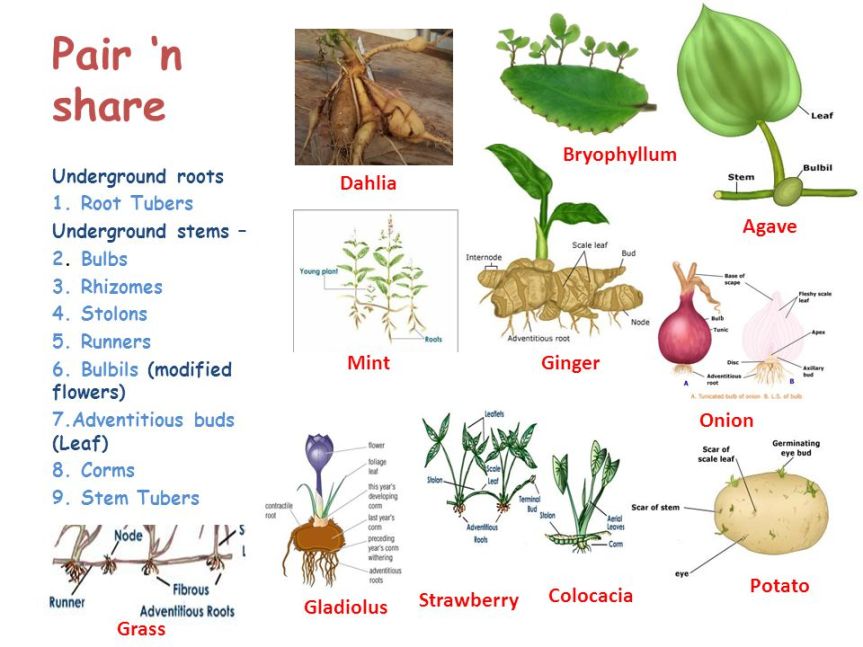
Underground Stems

The underground stems, by being situated below the surface of the soil, protect themselves against unfavorable conditions of weather and the attack of animals and serve as storehouses for reserve food, and in vegetative propagation. Their stem nature can be distinguished by the presence of nodes and internodes, scale leaves at the nodes, axillary buds in axils of scale leaves and a terminal bud. Further, the anatomy of the underground stem resembles that of an aerial stem. The underground stems are of four types namely rhizome, tuber, bulb, and corm.

Rhizome

A rhizome is a thick horizontally growing stem which usually stores food material. It has nodes and internodes, scale leaves, axillary buds, adventitious roots and a terminal bud. Scale leaves enclosing the axillary buds are seen arising from the nodal points of the stem. Some of the axillary buds develop into branches which grow upwards into the…

View original post 338 more words

Herb Guide: Growing and Using Rosemary

By Crooked Bear Creek Organics

Crooked Bear Creek Organic Herbs's avatarCrooked Bear Creek Organic Herbs

Rosmarinus officinalis

Also, Known As:

  • Compass Weed
  • Dew of the Sea
  • Garden Rosemary
  • Incensier
  • Mary’s Mantle
  • Mi-tieh-hsiang
  • Old Man
  • Polar Plant
  • Rosemary
  • Rosemary Plant

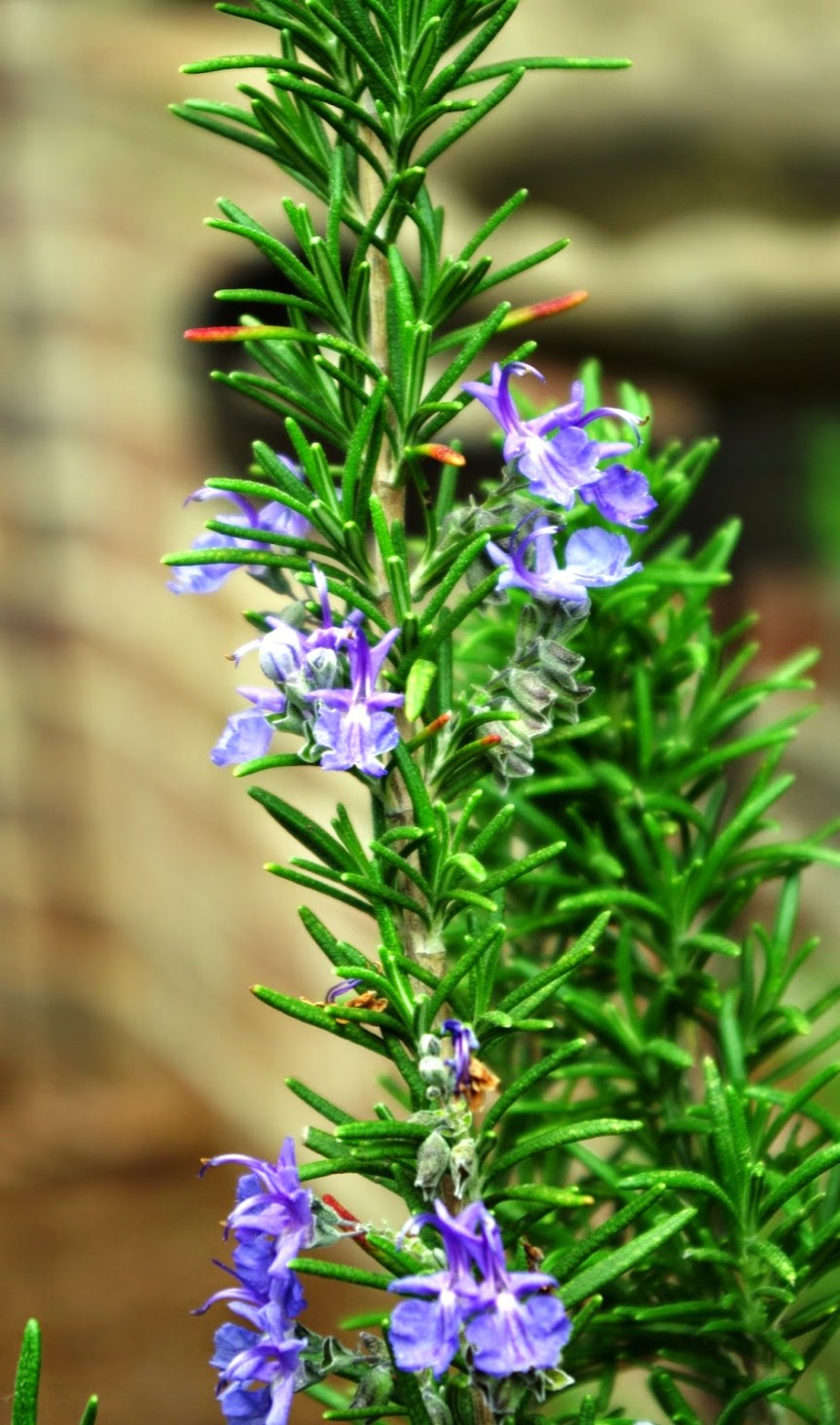
Rosmarinus officinalis L. (family Lamiaceae), is also known as rosemary. This herb is an evergreen shrub, with lovely aromatic linear leaves. Colored a dark shade of green above and white below, the leaves of the rosemary give off a beautiful fragrance, and with its small pale blue flowers, the plant is cultivated extensively in many kitchen gardens across America and elsewhere.

The evergreen shrub originated in the Mediterranean area, but it is today cultivated almost everywhere in the world, primarily for its aromatic leaves. The shrub has several ash colored branches, and the bark is rather scaly. The leaves, as described earlier, are opposite and leathery thick. They are lustrous and dark green above and downy white underneath, with a prominent vein in the middle and…

View original post 3,130 more words

Our Herb Garden Guide for Desert Dwellers

By Crooked Bear Creek Organics

Crooked Bear Creek Organic Herbs's avatarCrooked Bear Creek Organic Herbs

HERB GARDEN

Herbs have been used for generations for many purposes from medicinal remedies to perfumes and culinary uses. Herbs also provide beauty and variety to our desert landscapes. We invite you to use this guide to learn about the variety of herbs that grow well in our Sonoran Desert and how you can create your own herb garden at home.

OVERVIEW
The Herb Garden is designed with seven themed gardens. This guide has information about each area with plant recommendations and growing tips about herbs you can grow in your low desert garden.

THEMES
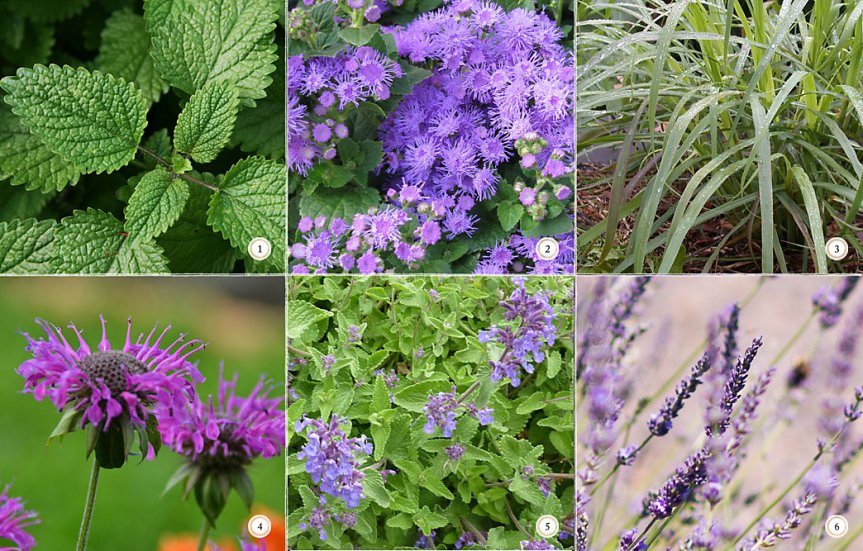
Sensory Garden Wildlife Garden Tea Garden Mediterranean Garden Picante Garden Culinary Garden Medicinal Garden

DEFINITION: herb: a plant that is useful in some way

MEDITERRANEAN GARDEN

Many herbs that thrive in our harsh desert environment are of Mediterranean origin. Soil types, low rainfall and over 300 sunny days a year allow these familiar herbs…

View original post 2,014 more words

Wild Food Profile: Eat Your Hostas!

Often, when you are interested in unusual and wild foods, a season for a delectable treat may only last for a few short days or weeks. A fun early spring food that is usually popping up around or before Beltane in temperate parts of North America is the hosta. Yes, you heard me–that large leafy […]

via Wild Food Profile: Eat Your Hostas! — The Druid’s Garden

CREATING HERB GARDENS WITH CHILDREN

Visit http://www.kidsgardening.org/ for more fun gardening ideas at school or at home. Herbs arouse kids’ curiosity and interest because they thoroughly engage the senses. What better motivator for student investigations than plants that feel cool, smell great, and can turn mere tomatoes into pizza sauce? Their life stories, it turns out, are fascinating too. After all, […]

via Creating Herb Gardens With Children — Crooked Bear Creek Organic Herbs