Lavender for Body and Soul

Crooked Bear Creek Organic Herbs's avatarGood Witches Homestead

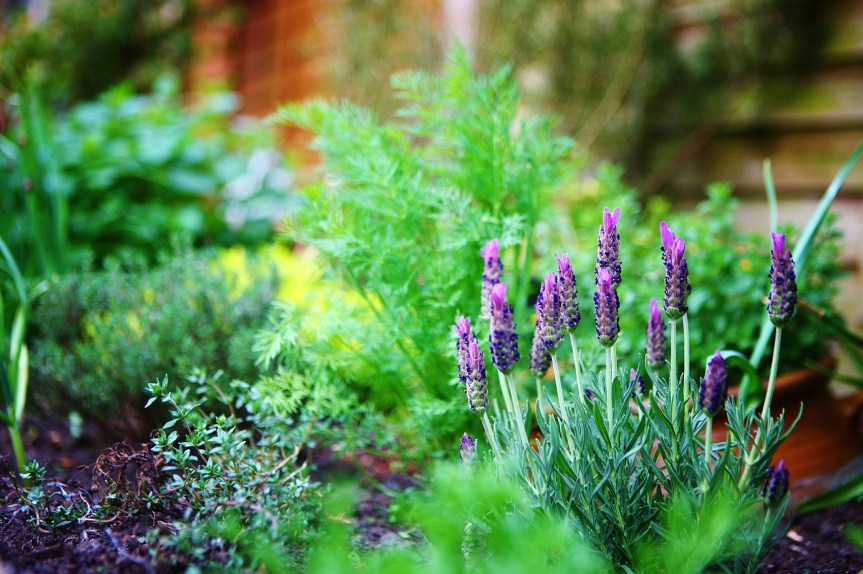
Lavenders have everything for the modern garden as an amenity plant. They are
evergreen, fast-growing, compact and fragrant. The origins of its name are
probably from the Latin word Lavare indicating the plant has another use as it
means to be washed and suggests it was regularly used to perfume bathing water.
There are numerous references to other qualities of lavender in Roman times – such
as a cure for mild epilepsy and as a laxative. The production of lavender for
aromatherapy, perfumery and alternative medical purposes are now well developed
in countries where various species of lavender are found naturally i.e. from the
The Mediterranean to the Middle East, India, North Africa, and Asia.

Climatic Factors

Lavender production requires dry roots and shoots, free draining soils and
reasonable light levels. Low fertility sandy soils are ideal with a Ph range of 6.0 to
7.0. When selecting suitable sites frost…

View original post 2,141 more words

Urbalive Worm Farm: Making worm composting indoors a simple process

Life & Soul Magazine's avatarLife & Soul Magazine

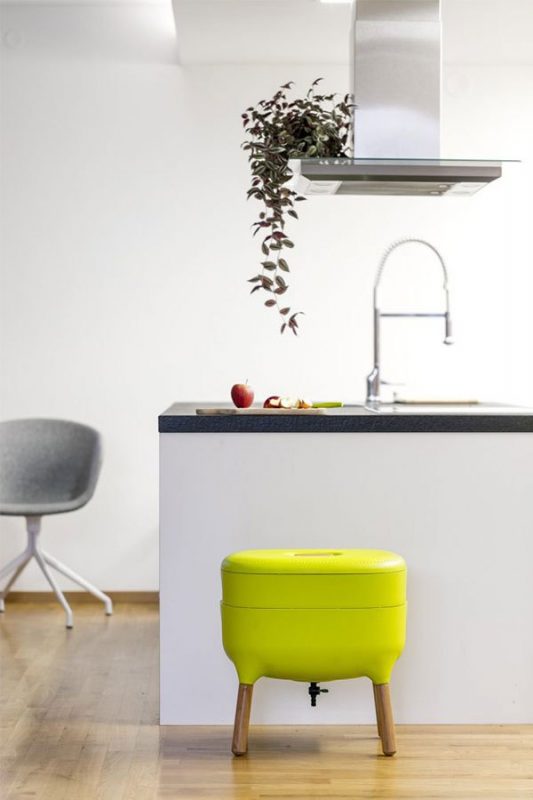
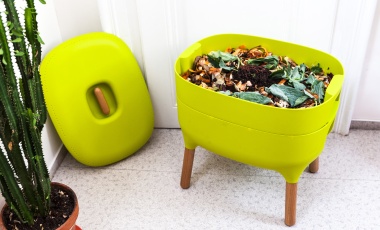
There’s a myriad of choices when it comes to composting, and if you live in a small space with no access to a garden, worm composting, in particular, is still an option. Urbalive Worm Farm is an indoor kit for composting kitchen bio waste with red worms.

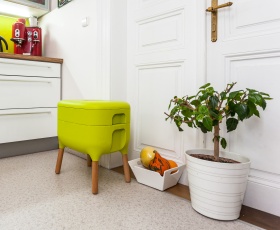
Designed by Czech designer Jan Pelcl, the Urbalive Worm Farm is a stylish container which stands on wooden stilts, like a stool. Its modern design is made up of composting layers where worms help create vermicompost leading to a container where the worm tea collects.
Vermicompost contains essential enzymes and natural growth hormones that are great for soil fertility and feeding gardens. Worm tea is rich in natural nutrients and enzymes that help plants grow strong and healthy. The tea can be mixed with water and added to soil in flower pots and plants for use as food.

By following a few simple basic rules,

View original post 78 more words

January Gardening In The Low Desert

Crooked Bear Creek Organic Herbs's avatarCrooked Bear Creek Organic Herbs

January is generally a slow month for gardening in the low desert. Take advantage of this “quiet” time by preparing and planning for the upcoming spring months.

January is a good time to prepare a new vegetable garden bed for spring planting. Prepare your vegetable bed by using a digging fork or rototilling to approximately 12-18 inches deep. Do not work soil if it is too wet as it can permanently damage the soil structure. Apply compost generously (several inches) and incorporate it into the loosened soil. If you have an existing vegetable garden this is also a good time to add compost.

Free Shipping on Orders over $35

Continue to protect cold-tender plants including Euphorbia spp., Adenium spp., Pachypodium spp. and sub-tropical cacti.  Many aloes will be blooming at this time and flowers may need to be protected if we have frost events. Aloe clumps can be divided at this time.

Mesquites will begin to…

View original post 1,033 more words

Kick Off 2019 With A Health-Minded Resolution!

Crooked Bear Creek Organic Herbs's avatarGood Witches Homestead

All of us want to live happy, fulfilling, and creative lives. How can we achieve this goal? Undoubtedly, creating and maintaining good health is key. Most importantly, we need to pay attention to what is unfolding in and around us. This means regular internal “check-ins” to determine what we need – rest, nutrients, emotional and physical contact, stretching and movement – as well as the daily practice of healthy habits. We must literally “practice to be healthy,” rather than practice to be sick. This requires effort, knowledge, support, and repetition. In today’s world, it also necessitates knowing how best to manage the daily stress that is part of our lives in a way that works for us personally and individually.

Begin your Herbal Journey in the Introductory Herbal Course

Reducing stress and its effect on health is a challenge for nearly everyone. Some of us turn to pharmaceutical medications, which often not only fail to truly reduce stress but…

View original post 2,623 more words

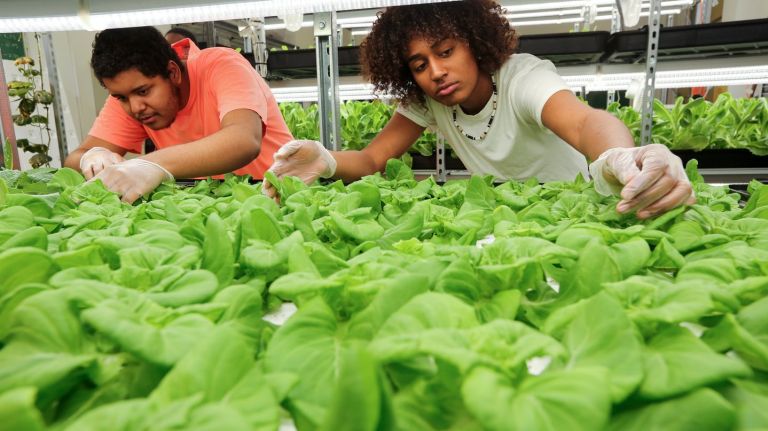
NYC’s largest student-built hydroponic farm leading students and Bronx community to healthier futures

Thinking About Planting a Dye Garden?

Crooked Bear Creek Organic Herbs's avatarGood Witches Homestead

Traditional dye plants offer intriguing materials for the gardener who is also a spinner or weaver, or who just wants to experiment with the vast usefulness of the natural world. Nature has its own subtle palette of colors and this little garden represents a few of the dozens of plant dye possibilities, which even include some nuts, fruits, vegetables, and other common foods.

And even if you’re more inclined to pick up some easy powdered dye at the corner store than to make a dye bath from the plants in your garden, you still might appreciate this connection to history and tradition. All of these plants are desirable garden plants.

About Dye Plants

A separate garden isn’t necessary to grow dye plants, as you can incorporate them into an existing flower border or bed (and you might unknowingly be growing dye plants already), but this small corner bed can give…

View original post 901 more words

A Passion For Herbs

Crooked Bear Creek Organic Herbs's avatarGood Witches Homestead

Herbs are a fascinating group of plants with a history of cultivation stretching back to the dawn of civilization. Once the herb garden was a practical project, necessary for supplying flavorings for the kitchen and medicines for the family. Today, gardeners are growing herbs for medicinal purposes and for their attractive looks, pleasing fragrances, and tasty flavors. Whether your interest is kindled by taste, aroma, beauty, or history, you’ll find herbs a satisfying addition to your garden.

What is a Herb?

Traditionally, herbs have been defined as plants that are useful to people. The oregano and thyme on your pizza are herbs just as the ornamental foxglove, from which we once extracted the medicine digitalis, is a herb. The insecticide pyrethrin is derived from the painted daisy, making it a herb as well. The list goes on and on; we use herbs and herb products every day.

Choosing Herbs:

In…

View original post 1,672 more words

Already Thinking About Designing A Herb Garden?

Crooked Bear Creek Organic Herbs's avatarGood Witches Homestead

There are many books written on the various types of herb gardens. Invest in at least one good book on growing herbs that includes garden tips, what herbs to use for what purpose, and harvesting guidelines. Several types of gardens with plant suggestions are outlined below. You may notice that some herbs appear in more than one garden type. This is because herbs are versatile and have many uses.

Culinary Herb Gardens

Historically, a culinary garden is planted as close to your kitchen door as possible. This allows you to step outside and harvest the particular herb you need for the dish you are preparing. If you have too much shade, or your hardscaping won’t allow you to plant right outside your door, you can add culinary herbs to the vegetable garden or plant a container garden instead. Culinary gardens are generally governed by what the planter uses the most…

View original post 1,803 more words

The Liver Cleansing Juice You’ll Crave!

Crooked Bear Creek Organic Herbs's avatarCrooked Bear Creek Organic Herbs

Beets, kale, ginger, lemon, and carrots are some of the best liver cleansing foods. Juice them together and you have a delicious and easy way to cleanse your liver. This juice will kick-start your day!

Beet Juice Recipe with Liver Cleansing Foods

Your liver is your main detoxifying organ, and it can get bogged down from time to time depending on your diet, activity level, and environment. When an overload of toxins becomes too much for your liver to handle, toxic compounds can store within tissues and decrease your quality of health. Cleansing your liver with a liver detox can be helpful for revving up the function of your body’s natural detox mechanisms.

Juice Your Way to Health

If you’re cleansing your liver, you need to provide your body with nutrition that is easy to digest. You don’t want your body to spend its energy digesting food, but you definitely need to keep…

View original post 386 more words

MAKING YOUR OWN HERBAL MEDICINE

Crooked Bear Creek Organic Herbs's avatarGood Witches Homestead

Perhaps you have been thinking about making your own herbal medicine, but you have questions. Isn’t it dangerous? Do you need lots of sophisticated equipment? And what about training? You need to be highly skilled to make your own medicines – right?

Actually, making safe and effective herbal medicines at home is an ancient tradition practiced worldwide. In many cultures, everyday ailments have been treated with handmade herbal medications for generations; in fact, only recently have medicines not been made in the home. Are herbal medicines safe? Yes, they are perfectly safe – especially when you prepare and use them as recommended by an experienced herbalist. The recipes and procedures on this website are ones we’ve enjoyed and tested for years, and the herbs suggested are time-honored and effective.

herbal medicine

All it takes to make herbal preparations like salves, creams, and tinctures is a kitchen with common appliances like a blender, measuring spoons, and saucepans…

View original post 633 more words