The Common Backyard Plant That Treats Breast Cancer & Repairs Wounds

Greetings!

On Sunday, April 22nd, I’ll be leading the Wild Medicinal Mushroom Workshop at Una Biologicals in Pittsburgh.  This is a 2-hour class that will focus on the medicinal properties and health benefits associated with various local wild fungi.  Participants will learn the steps involved in making mushroom decoctions and tinctures, and everyone will receive starting materials to create a personalized medicinal mushroom extraction!

Space for this class is limited, and if you’re interested in attending, you can pre-register by following this link:  Wild Medicinal Mushroom Workshop

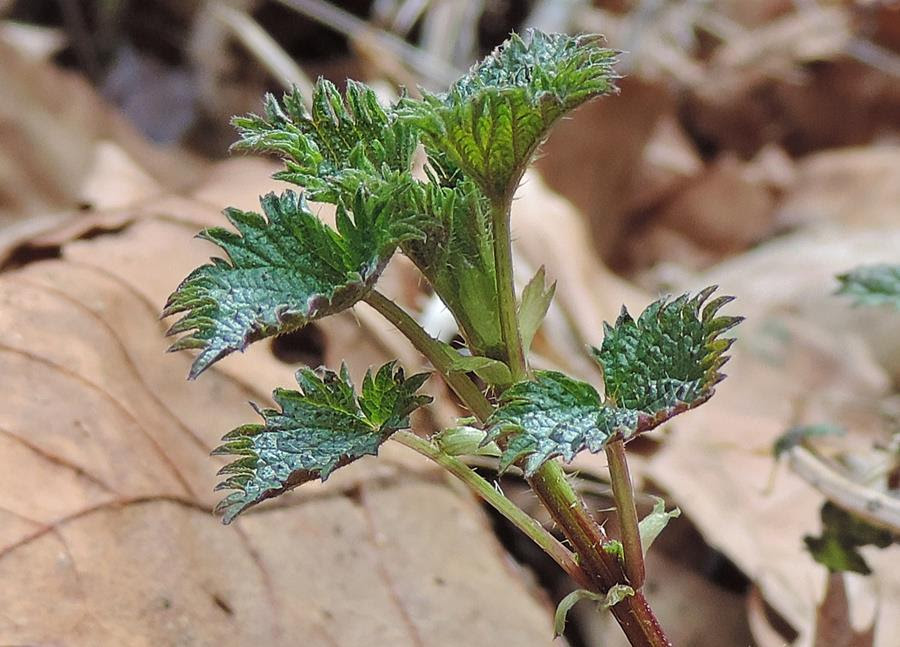
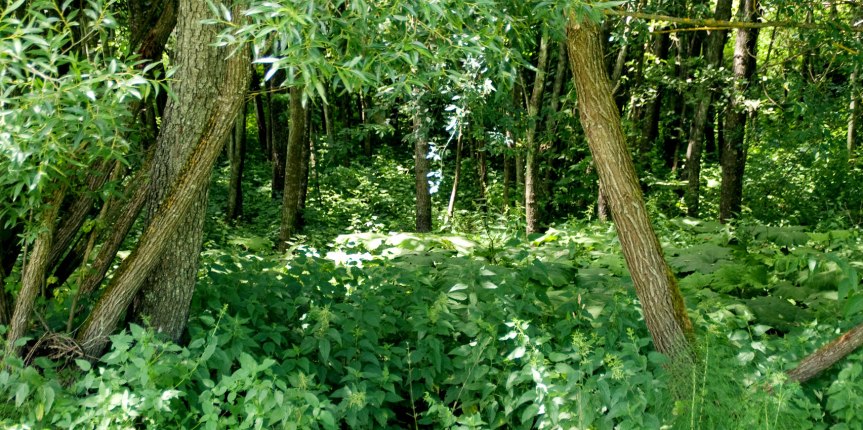
Moving forward, let’s talk about Stinging Nettle.

Some people love it, and some people dislike it, though there’s no denying Stinging Nettle’s potential role in treating serious illnesses.

Last year, I filmed a video in which I discussed this plant’s ability to treat type 2 diabetes, benign prostatic hyperplasia, and allergies.

Since then, many more scientific studies have been published on Stinging Nettle’s therapeutic qualities.

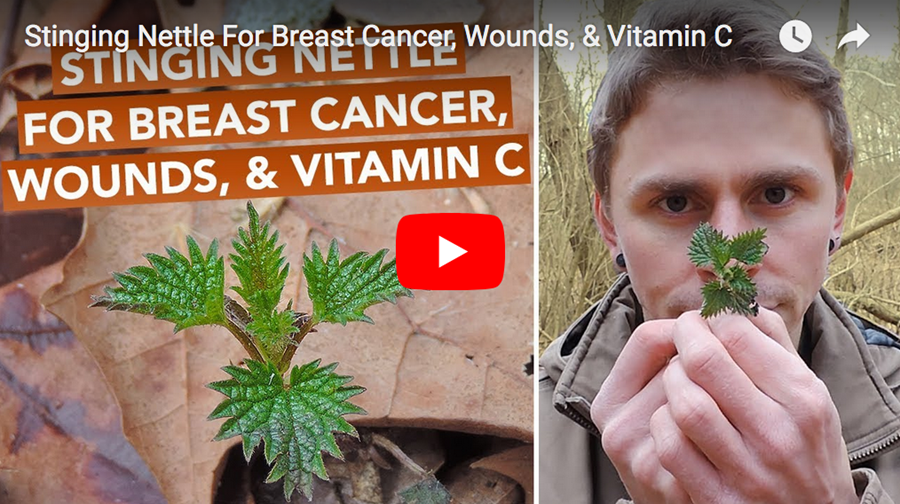
For example, in the past two years, three studies have documented Stinging Nettle’s ability to treat breast cancer.  Another recent study discovered that Stinging Nettle can significantly enhance the wound-healing process.  And one more recent study evaluated the best way to make an infusion (i.e. “tea”) from Stinging Nettle in order to extract the maximum amount of vitamin C (which itself is associated with numerous health benefits).

After personally digging into the research on Stinging Nettle, I felt the need to share the latest information with you.  If you’re interested in optimizing your personal health utilizing locally sourced, wild edible plants… check out this brand new video!

Thanks for reading and watching, and perhaps I’ll see you at the Wild Medicinal Mushroom Workshop on April 22nd!

-Adam Haritan

Food as Medicine: Dog Rose Hip (Rosa canina, Rosaceae)

By Crooked Bear Creek Organic Herbs

Crooked Bear Creek Organic Herbs's avatarCrooked Bear Creek Organic Herbs

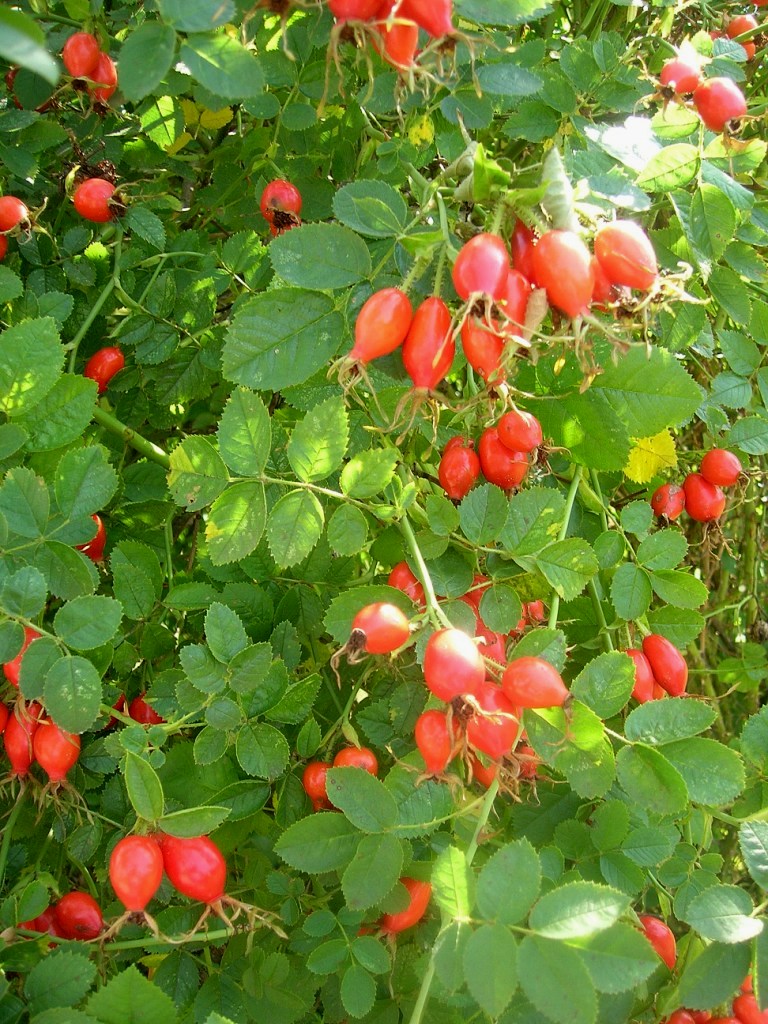
The rose (Rosa spp.) hip (also sometimes written as “rosehip”) is a pseudofruit in the economically important Rosaceae family, which includes apple (Malus spp.), strawberry (Fragaria spp.), plum (Prunusspp.), and almond (Prunus spp.). The genus Rosa includes more than 100 species that have been cultivated since ancient times in a vast array of climates.1 Both rose petals and rose hips can be used in culinary and herbal preparations. Rose plants grow as shrubs and are characterized by thorny stems, compound, serrated leaves, and attractive, colorful flowers.2 Different species of roses are native to areas around the world from Europe to Japan, where they have a long history of culinary and medicinal use.3 Today, roses are cultivated commercially for ornamental and medicinal purposes in Europe and Asia, but wild varieties are also found in North and South America.

The rose hip is an aggregate…

View original post 2,432 more words

Foraging for Fiddleheads {Well, Sort Of}

by Good Witches Homestead

Crooked Bear Creek Organic Herbs's avatarGood Witches Homestead

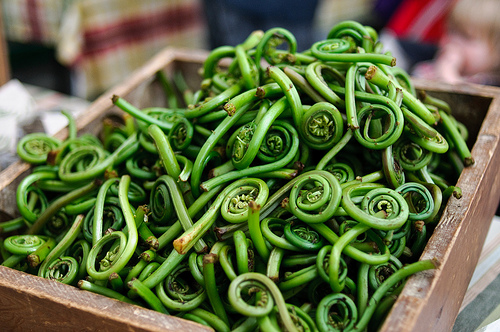
After a long winter, we delight in those emerging specks of green that mark the start of the growing season. The air might still carry a chill, but that doesn’t deter us from heading to the farmer’s market to catch the first glimpses of fresh, local produce. Among the baskets of root vegetables and early spring herbs, you’ll often find fiddleheads, the coiled fronds of the ostrich fern {Matteuccia struthiopteris}. In the ground, these deep-green curled stems will later unfurl into tall ferns ranging from two to even six feet in height, but in this early stage, they resemble the neck of their namesake; the fiddle.

For Our Body

As with many spring greens, fiddleheads offer much-needed nutrients after a long winter. To start, they’re a great source of vitamins A and C {4,052 IU and 2.6 mg per half cup, raw, respectively}. They also contain potassium and manganese, which…

View original post 454 more words

Learn Your Land

By Adam Haritan

Continue reading “Learn Your Land”

Cooking for Health

By Crooked Bear Creek Organic Herbs

Crooked Bear Creek Organic Herbs's avatarCrooked Bear Creek Organic Herbs

Serving medicine for dinner may not seem terribly appetizing, but most cultures traditionally eat much of their medicine. It may not be a coincidence that nature has provided so many of our medicinal needs in herbs that taste good. When you want to take herbs over a long period of time – either to treat a chronic problem or to fend off disease – incorporating medicinal plants into your meals makes a lot of sense.

The next time you add a pinch of this or that, consider that you are doing far more than flavoring your meal. Throughout these posts and other websites, you have seen many familiar kitchen herbs and spices mentioned as medicines. For example, ginger relieves pain, garlic is “nature’s antibiotic” and ginger and turmeric, two of the main ingredients in curry powder, improve liver function.

Almost every cookbook is filled with recipes that rely on herbs…

View original post 1,452 more words

Edible Spring Greens {Recipes}

By Crooked Bear Creek Organic Herbs

Crooked Bear Creek Organic Herbs's avatarCrooked Bear Creek Organic Herbs

Spring Green Salad

It’s time to renew. This applies to our outer worlds as well as to our inner worlds. Spring has traditionally been a time to jump-start the liver and gently cleanse our bodies.  The natural world, with its infinite wisdom, provides us with every opportunity to do just this. Bitter and nutrient-packed greens come to life, and for those of us paying attention to nature’s hints, provide us with delicious and nutritious Spring tonics.

Dandelion greens are packed with vitamins and minerals, and also, provide a bitter kick that helps support liver function.  This is important during spring because the hepatic function can become naturally a little sluggish after a more sedentary winter filled with rich seasonal food.  Violet-greens and chickweed are super-packed with nutrients, making them just the spring pick-me-up your body needs.  Young greens of dandelion and violet especially are ideal, for both texture and taste reasons.  You’ll…

View original post 689 more words

What to Harvest: March

Dandelion, A Common Garden Herb

I make a wilted dandelion greens dish that’s fantastic after a long winter. Get the leaves young for eating. The older leaves are bitter.

Crooked Bear Creek Organic Herbs's avatarCrooked Bear Creek Organic Herbs

Taraxacum officinale

Also, Known As:

  • Blow Ball
  • Cankerwort
  • Dandelion
  • Lion’s Tooth
  • Pissabed
  • Priest’s-crown
  • Puff Ball
  • Pu Gong Ying
  • Pu-kung-ying
  • Swine Snout
  • Telltime
  • White Endive
  • Wild Endive

The dandelion is a common garden herb, with easily recognized flowers. During the spring season, the leaves and the root of the dandelion begin to produce mannitol, which is a substance utilized in the treatment of conditions such as hypertension and a weakened heart in continental Europe – where it is often prescribed by herbalist for patients with these conditions. A herbal dandelion tea made using the roots and the leaves of the herb are good to take from about the mid of March to about mid-May in the treatment of such conditions. Prepare the herbal dandelion tea in this way, first, boil a quart of water in a pot, slowly reduce the heat and then add 2 tbsp. of cleaned and chopped fresh…

View original post 2,664 more words

Sustainable Wild Collection Protects People, Plants, and Animals

Crooked Bear Creek Organic Herbs's avatarCrooked Bear Creek Organic Herbs

Chances are, you’re deeply connected with wild plants and don’t even realize it.

All of us in countless ways, whether we recognize it or not, are deeply connected to wild collecting.

Wild plants, as the term suggests, aren’t grown on farms. Instead, they’re collected in meadows, forests and deserts. Since ancient times, they’ve served as natural and essential ingredients in foods, fibers, dyes, cosmetics and traditional medicines.
Consider the açai berries in your super smoothie. They’re wild collected in the Brazilian Amazon. The pure maple syrup you save for special breakfasts most likely comes from the forests of Canada or the northern regions of the United States. The candelilla wax in your favorite skin care products originates in the deserts of northern Mexico. The licorice root used in candies and lozenges could be wild collected in many places — Afghanistan, Kazakhstan, Pakistan, Turkmenistan or Uzbekistan. And at Wildwood Enterprises, more…

View original post 3,466 more words

Wild Foods and Foraging

Crooked Bear Creek Organic Herbs's avatarCrooked Bear Creek Organic Herbs

It’s all rainy days, low slung clouds, and rain on tin-roofs around the Gunnison Valley these days—a much needed, thirst-quenching storm has arrived and settled in.  A perfect excuse for warm coffee, bouquets of flowers on the table, and a book, of course.

It’s also a great time to get well-versed in the foraging dos and don’ts.  There is plenty to learn in the way of safety, sustainability, legalities, terms, and botany in the world of foraging, and its best to have at least a cursory grasp on these things before heading out, wicker basket and clippers in hand.

Today, a word on foraging safety, considerations, and a note on common poisonous plants to the mountain states.  All of which, can be found in Briana’s new book Mountain States Foraging, a guidebook to wild edibles in the mountain west.

Foraging for Briana has been a lifeline to a wild…

View original post 584 more words