By Adam Haritan
Continue reading “Learn Your Land” →
By Crooked Bear Creek Organic Herbs

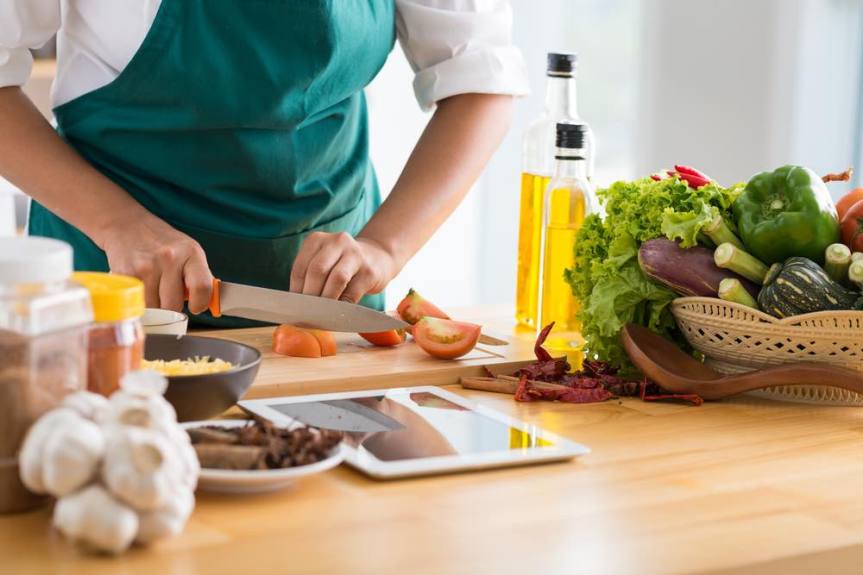
Serving medicine for dinner may not seem terribly appetizing, but most cultures traditionally eat much of their medicine. It may not be a coincidence that nature has provided so many of our medicinal needs in herbs that taste good. When you want to take herbs over a long period of time – either to treat a chronic problem or to fend off disease – incorporating medicinal plants into your meals makes a lot of sense.
The next time you add a pinch of this or that, consider that you are doing far more than flavoring your meal. Throughout these posts and other websites, you have seen many familiar kitchen herbs and spices mentioned as medicines. For example, ginger relieves pain, garlic is “nature’s antibiotic” and ginger and turmeric, two of the main ingredients in curry powder, improve liver function.
Almost every cookbook is filled with recipes that rely on herbs…
View original post 1,452 more words
By Crooked Bear Creek Organic Herbs
It’s time to renew. This applies to our outer worlds as well as to our inner worlds. Spring has traditionally been a time to jump-start the liver and gently cleanse our bodies. The natural world, with its infinite wisdom, provides us with every opportunity to do just this. Bitter and nutrient-packed greens come to life, and for those of us paying attention to nature’s hints, provide us with delicious and nutritious Spring tonics.
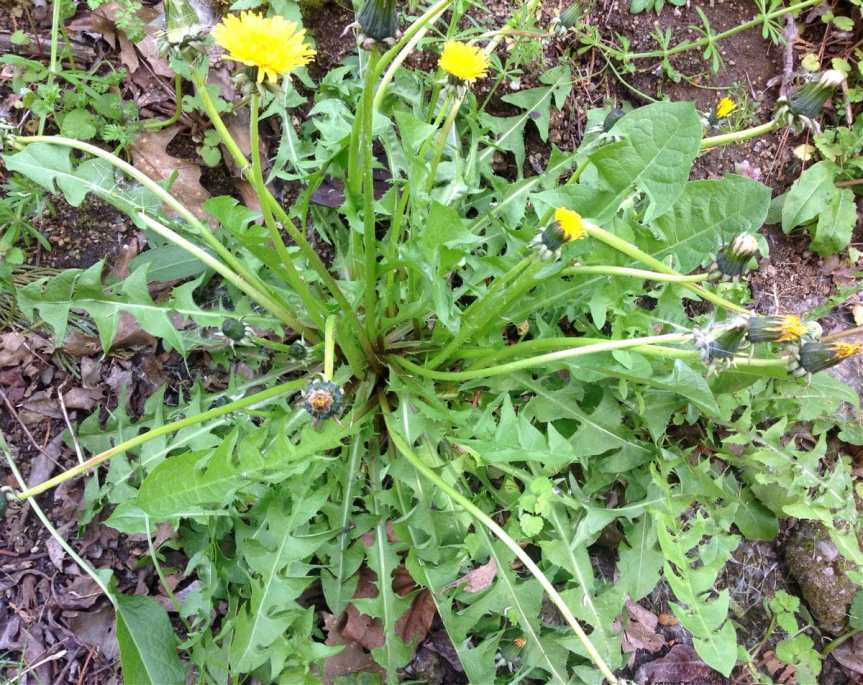
Dandelion greens are packed with vitamins and minerals, and also, provide a bitter kick that helps support liver function. This is important during spring because the hepatic function can become naturally a little sluggish after a more sedentary winter filled with rich seasonal food. Violet-greens and chickweed are super-packed with nutrients, making them just the spring pick-me-up your body needs. Young greens of dandelion and violet especially are ideal, for both texture and taste reasons. You’ll…
View original post 689 more words
I make a wilted dandelion greens dish that’s fantastic after a long winter. Get the leaves young for eating. The older leaves are bitter.
The dandelion is a common garden herb, with easily recognized flowers. During the spring season, the leaves and the root of the dandelion begin to produce mannitol, which is a substance utilized in the treatment of conditions such as hypertension and a weakened heart in continental Europe – where it is often prescribed by herbalist for patients with these conditions. A herbal dandelion tea made using the roots and the leaves of the herb are good to take from about the mid of March to about mid-May in the treatment of such conditions. Prepare the herbal dandelion tea in this way, first, boil a quart of water in a pot, slowly reduce the heat and then add 2 tbsp. of cleaned and chopped fresh…
View original post 2,664 more words
All of us in countless ways, whether we recognize it or not, are deeply connected to wild collecting.
View original post 3,466 more words
It’s all rainy days, low slung clouds, and rain on tin-roofs around the Gunnison Valley these days—a much needed, thirst-quenching storm has arrived and settled in. A perfect excuse for warm coffee, bouquets of flowers on the table, and a book, of course.
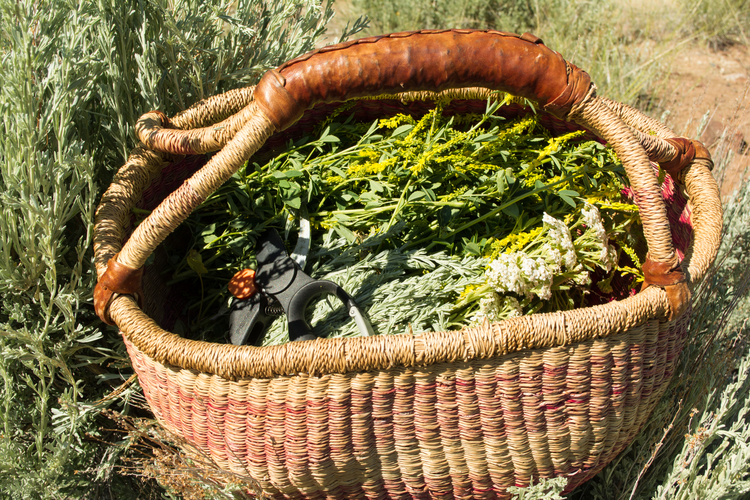
It’s also a great time to get well-versed in the foraging dos and don’ts. There is plenty to learn in the way of safety, sustainability, legalities, terms, and botany in the world of foraging, and its best to have at least a cursory grasp on these things before heading out, wicker basket and clippers in hand.
Today, a word on foraging safety, considerations, and a note on common poisonous plants to the mountain states. All of which, can be found in Briana’s new book Mountain States Foraging, a guidebook to wild edibles in the mountain west.
Foraging for Briana has been a lifeline to a wild…
View original post 584 more words
I believe in happy endings...
Creating stories for pleasure
Nothing is True. Everything is Connected.
Medical Intuition, Astrology, Soul Readings, Intuitive Coaching, Tarot, Reiki: Inspiring and Empowering Visionaries, Artists and Healers
30th Anniversary Edition
Weekly Challenge from the 118, 126, & 113
all things fanfic...
Crystals, and all things Magical
welcome to the inner workings of my mind...
Learn • Explore • Grow
A Journey of Discovery
Where Canon has No Meaning and Universes Collide
Just another WordPress.com site
The Crime Drama Advent Calendar
Just another WordPress.com site
Here there be Dragons
Fanfiction and original stories from Toasterpop
Seeking Ideas Beyond Conventional Thought
Writting, Drafts, Ideas
All Things Wicked and Wonderful
Author, Editor, Photographer, Artist
Honoring their service and building their legacy. The official blog of the Vietnam Veterans Memorial Fund.
Art and Stories for all things 00Q, since 2014
Where the Writer Comes First.
FanFiction Author
The home of the Every Fandom Bang and Reverse Bang!
n. pl. pe·num·brae (-br) or pe·num·bras 1. A partial shadow, as in an eclipse, between regions of complete shadow and complete illumination.
Witchcraft for the Everyday and the Extraordinary
... and this is what I like
Fanfiction Recommendations ~ Slash, Femslash, & Het Fanfic Recs
EVIL AUTHOR DAY
Recipes from the Past
what my demented mind comes up with
Nothing is True. Everything is Connected
The Multi-Fandom Fix-it Big Bang
a place for me to share what I've written
Enchanted World of Magical Gardening ~ Crystals & Gemstones ~ Locally Grown Organic Herbs
m/m original fiction and fanfic for adults only
It's All About The Romance