
Nature’s Solution To Staying Healthy This Winter Season

Greetings!

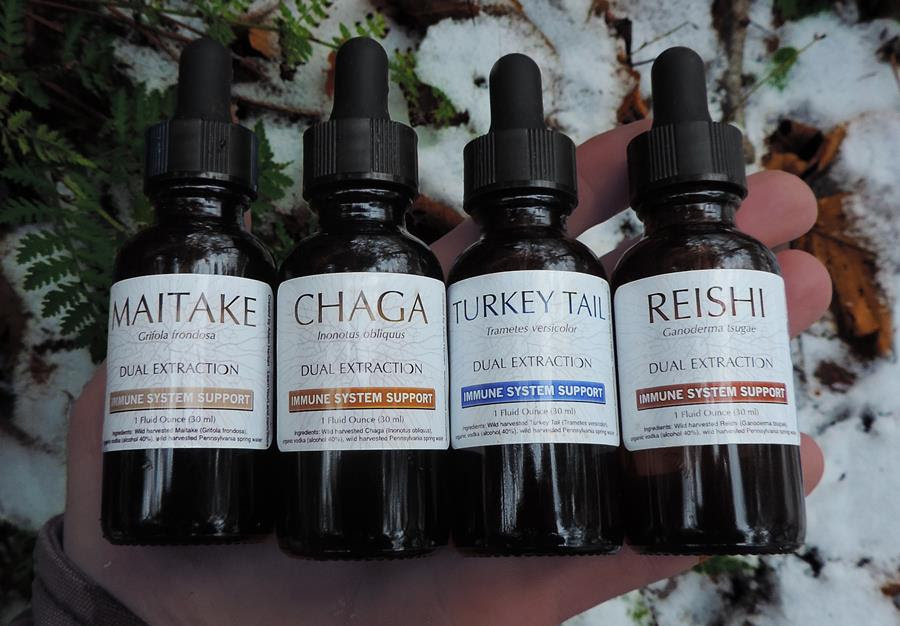
It’s no surprise that I love finding, researching, and discussing medicinal mushrooms.  Plenty of research suggests that these wild fungi demonstrate powerful anti-cancer, anti-inflammatory, and anti-viral effects, and many experts consider them to be top candidates for immune-system support. 

Here’s what the research says:     

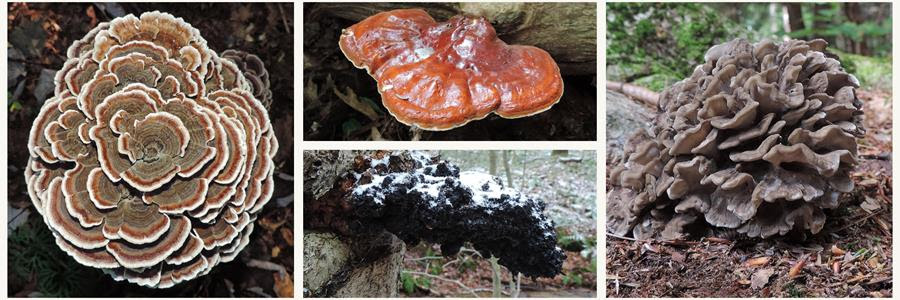
  • A 2012 study from ISRN Oncology found that the Turkey Tail mushroom significantly improved the immune systems of breast cancer patients following conventional treatment.    
  • The Chaga fungus is one of the richest sources of betulinic acid, a compound that has been shown to exhibit anti-bacterial, anti-viral, anti-inflammatory, anti-HIV, anti-malaria, and antioxidant effects (Current Medical Chemistry, 2005).    
  • A Maitake mushroom extract has been shown to demonstrate protection against diabetes by slowing glucose absorption in the body (Biotechnology and Applied Biochemistry, 2013).

And the list goes on and on.

In addition to sharing the videos I film, another passion of mine is creating high-quality wild food supplements using the finest ingredients, including wild harvested mushrooms and locally gathered Pennsylvania spring water. These are all medicines I consume on a routine basis to optimize my health and maintain a robust immune system.

For the next two weeks, I am offering a sale on all medicinal mushroom extracts from the online store.  All products are discounted, and all orders placed in the United States will receive free shipping!

Because I create extractions in small batches to ensure quality, I only have a limited amount available.  Once these tinctures are sold out, I won’t have another batch ready for about 8 weeks.

If you’re seeking new ways to optimize your health, especially for the new year, check out the online store!

And as always, thanks for your support!  I truly appreciate it!
-Adam Haritan

Herb Gardener Gift-Giving Idea: Hori-Hori

The Herb Society of America's avatarThe Herb Society of America Blog

I’ve asked five blog contributors to share their favorite herb-related gift ideas.  HSA’s blog will be running one per day during the first week of December. – Paris Wolfe, Blogmaster

By Beth Schreibman-Gehring, Chairman of Education for The Western Reserve Herb Society unit of The Herb Society of America

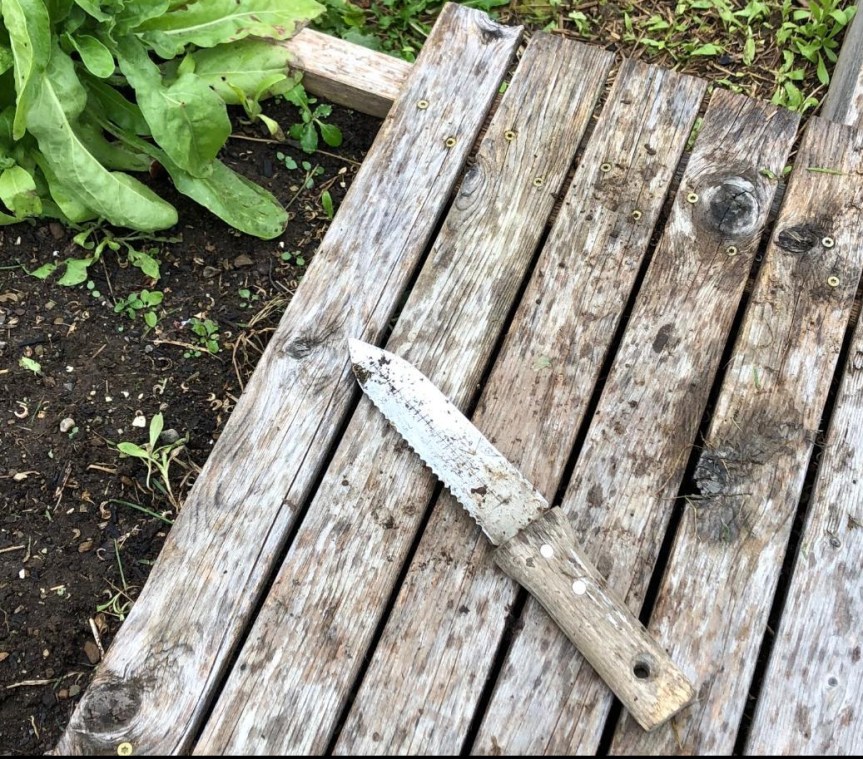
image2My father had over three acres of the most glorious organic gardens, filled with historic roses, lilies, and every kind of beautiful perennial and herb imaginable. I remember perfect summer evenings when he’d wander his gardens with a cocktail in one hand and a sprinkling hose in the other. He taught me everything I know about growing beautiful gardens organically and with a minimum of intervention.

The funny thing about my father is that he didn’t have a garage full of tools. He wasn’t into the latest, greatest gardening anything, well except for permaculture which really isn’t a latest and greatest secret…

View original post 212 more words

Wildcrafted Yule Tree Ornaments – Painted Wood, Wreaths, Awens, and Pentacles

Dana's avatarThe Druid's Garden

As the Winter Solstice is coming up quickly and the tree just went up this past week, I’ve been busy in my art studio and out on the land looking for great things to add to the Yule tree.  As a druid who is deeply concerned about the amount of plastic and “throw away‘ quick purchase items, like cheap plastic ornaments, I didn’t want to buy any ornaments for the tree, but rather, to make them from wildcrafted materials. So today, I wanted to share two simple ways to make nice ornaments for a Yule tree from natural materials and simple tools.

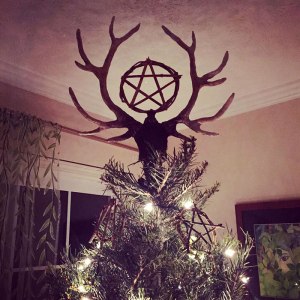
Handmade Stag and Pentacle Tree Topper with Handmade Ornaments Handmade Stag and Pentacle Tree Topper with Handmade Ornaments

Painted or Burned Wooden Round Ornaments

One simple method for creating ornaments is a painted or woodburned wood rounds. These are simple slices of wood that you can decorate in a variety of ways–painting them, burning…

View original post 1,836 more words

Druid Gratitude Practices – Nature Shrines and Offerings

Dana's avatarThe Druid's Garden

Black Raspberry in fruit Black Raspberry in fruit

Every year, I look forward to the black raspberries that grow all throughout the fields and wild places where I live. These black raspberries are incredibly flavorful with with crunchy seeds. They have never been commercialized, meaning no company has grown them for profit. You cannot buy them in the store. You can only wait for late June and watch them ripen and invest the energy in picking. Each year, the black raspberries and so many other fruits, nuts, and wild foods are a gift from the land, the land that offers such abundance.  If I would purchase such berries in a store, my relationship with those berries would be fairly instrumental–I pay for them, they become part of a transaction, and then I eat them. There is no heart in such a transaction.  But because these berries can’t be bought or sold, when I pick…

View original post 2,696 more words

ENCOUNTERS IN GRATITUDE AND A CHANCE TO LISTEN

Crooked Bear Creek Organic Herbs's avatarGood Witches Homestead

by Guido Masé November 19, 2018

A long time ago, Anne and I traveled to Ireland. We vagabonded slowly down the west coast from hostel to hostel, over green hills to rugged seaside cliffs, stopping at standing stones and the ruins of circle forts, visiting old-growth forests left intact for hundreds of years. One day we were wandering in the southwest corner of the island with the goal of reaching one of those old forests. We crossed over a small waterfall. We walked between two ancient, massive linden trees whose roots and branches had grown together, leaving an almond-shaped opening just wide enough for us to cross. And finally, we came to the oak wood we’d been seeking. The trees were old, yes, but not very tall: craggy, leaning at odd angles, with moss covering their trunks up to the lower branches. This forest is still part of a protected area…

View original post 1,222 more words

Here’s An Easy (And Delicious!) Way To Consume More Wild Plants & Mushrooms

Greetings!

The leaves have fallen from most of the deciduous trees in my neck of the woods (save for a few Norway maples and persistent oaks), and even though the year is dwindling with predictable haste, wild edible plants and mushrooms can still be found.

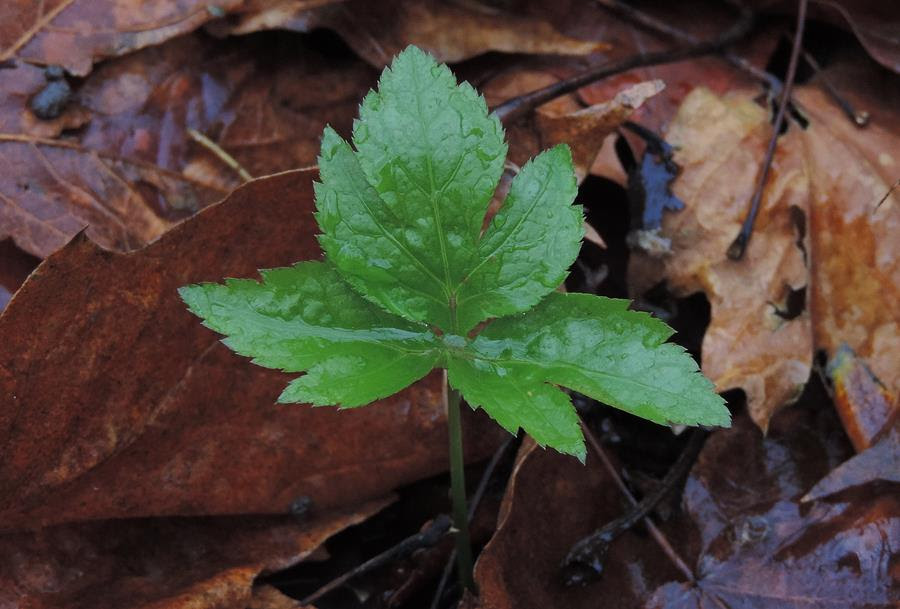
During a recent walk through a local floodplain, I was excited to find several fresh greens sprouting amongst the leaf litter.  Many of these plants were herbaceous members of the celery family, and a few others were aromatic species related to mints and chives. 

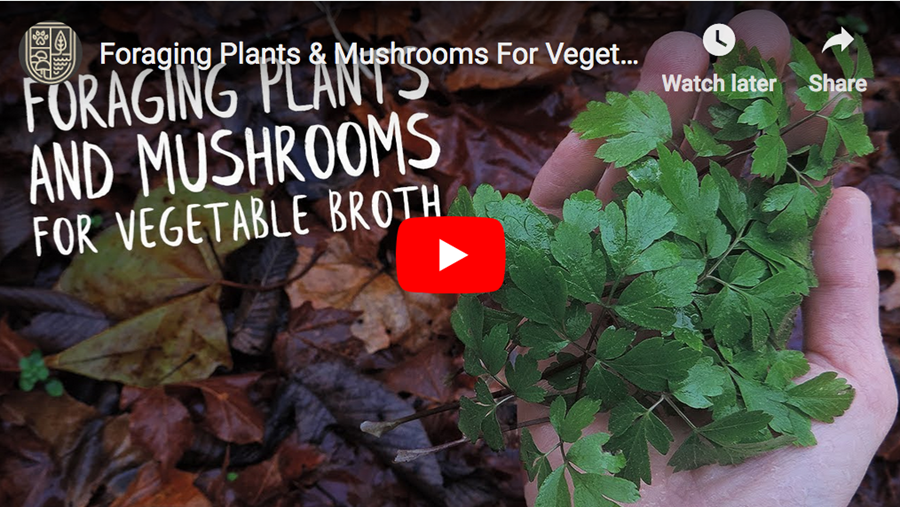
Rather than treating them as trailside nibbles, I decided to harvest these tasty plants and incorporate them into a wild, homemade vegetable broth.  With the addition of wild edible mushrooms, the broth was incredibly easy to make and quite delicious. 

If you’re interested in learning how to forage local plants and mushrooms so that you too can create a homemade vegetable broth, check out the brand new video!

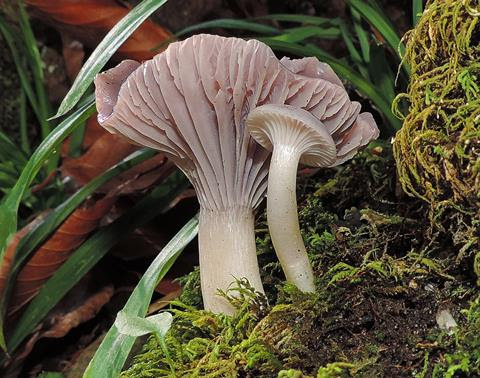
Have you seen this waxcap mushroom?  Few fungi resemble this species, and if you’re in the right habitat, perhaps you’ll encounter a specimen or two!  Check out this recent Instagram post to learn more about the violet-colored waxcap.Click to view post

Thanks for reading and watching, and as always, thank you for your support!

-Adam Haritan
Sacred Tree Profile: Oak’s Medicine, Magic, Mythology, and Meanings

Dana's avatarThe Druid's Garden

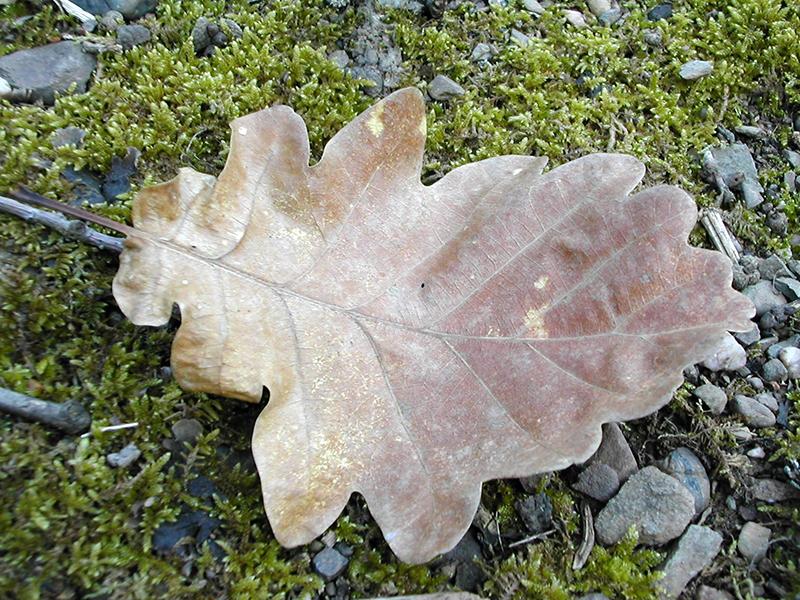
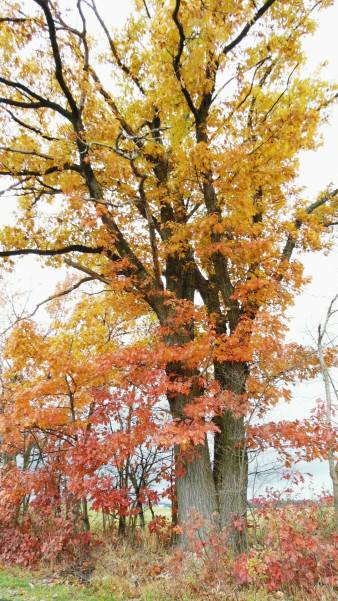
A glorious oak tree in fall colors! A glorious oak tree in fall colors!

There is nothing quite as majestic as an oak, which is likely why ancient druids met in groves of them to perform their ceremonies.   As I write this, I look at my glorious black oaks, white oaks, and burr oaks in the surrounding landscape and their incredible mantle of gold, tan, crimson and oranges.  Where I live, the oaks keep the green on their leaves through most of the fall season, and begin their transition into color just before Samhain. The oaks and beeches, here, are the very last to lose their leaves–if they lose them at all.  Many of the oaks, especially the younger ones, keep their leaves all winter, dry and crackling, and only drop them before they bud out again in the spring.   Their behavior in the fall and winter months is certainly a testament to their energy and…

View original post 2,533 more words

November, Autumn, Fall

Crooked Bear Creek Organic Herbs's avatarGood Witches Homestead

“The name ‘November’ is believed to derive from ‘novem’ which is the Latin for the number ‘nine’.  In the ancient
Roman calendar November was the ninth month after March.  As part of the seasonal calendar November is the
time of the ‘Snow Moon’ according to Pagan beliefs and the period described as the ‘Moon of the Falling Leaves’
by Black Elk.”

Samhain:

“This association of death with fertility provided the theological background for a great number of end-of-harvest festivals celebrated by many cultures across Eurasia.  Like Samhain, these festivals (which, for example, included the rituals of the Dyedy (“Ancestors”) in the Slavic countries and the Vetrarkvöld festival in Scandinavia) linked the successful resumption of the agricultural cycle (after a period of apparent winter “death”) to the propitiation of the human community’s dead.  The dead have passed away from the social concerns of
this world to the primordial chaos of the Otherworld where all fertility has its roots…

View original post 796 more words

This Wild Mushroom Is No Longer Recommended For Eating

Greetings!

With only a handful of weeks left in 2018, I’m hitting the road one last time this year to offer a few exciting events.  During these programs, I’ll be discussing the bounty of mushrooms and other foods associated with one of my favorite groups of trees:  oaks!  Here’s the current schedule:

November 5, Clemson, SC: South Carolina Upstate Mycological Society
November 7, Atlanta, GA: Mushroom Club of Georgia
November 12, Slippery Rock, PA: Bartramian Audubon Society

For more information on these events, check out the Learn Your Land event calendar.

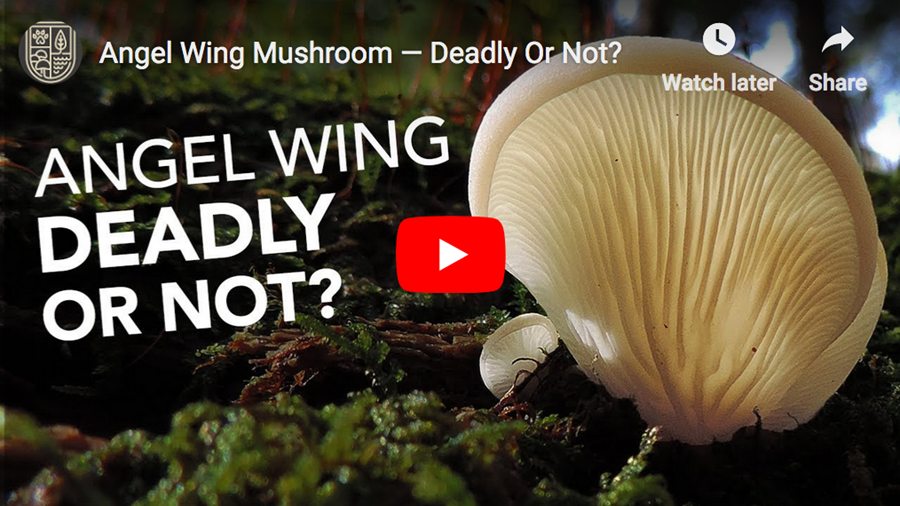
Moving forward, let’s talk about the Angel Wing (Pleurocybella porrigens).

In older field guides, this fungus — which looks a lot like a small oyster mushroom — is listed as edible and good.  In more recent guides, this mushroom is accompanied by the warning:  not recommended for eating.  And according to many credible sources today, the Angel Wing is considered poisonous.

And not just mildly toxic, but deadly poisonous.

So how did it happen?  How does a mushroom go from being “edible and good” to “poisonous?”

Well, that’s the topic of today’s brand new video.  In it, I discuss the controversy associated with a species once widely touted as an edible mushroom.  Check it out!


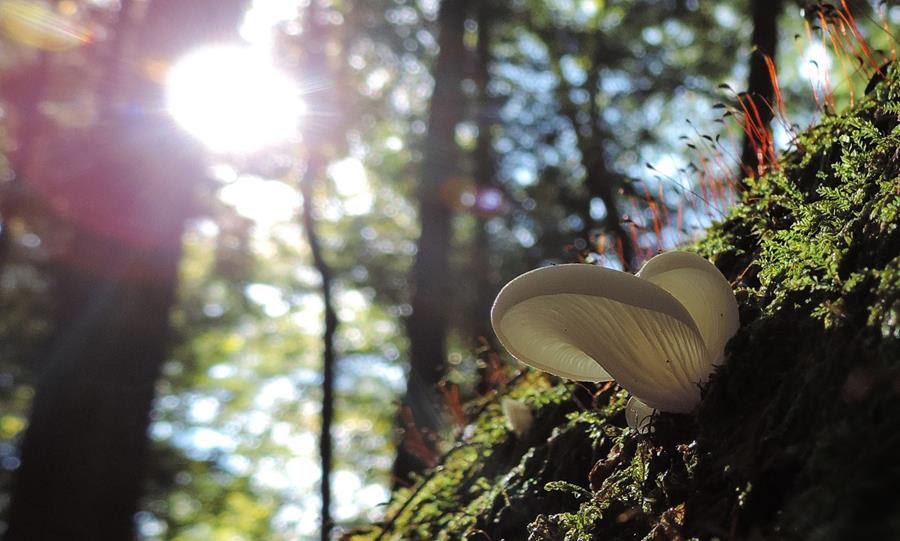
I missed the opportunity to photograph this tiny green mushroom back in June, hoping that it would reappear during a more favorable moment in the future. Fortunately, it did… and I was able to spend a few precious minutes with this little green slimer last week.  Check out this recent Instagram post to hear more of the story!

Thanks for reading and watching, and as always, thank you for your support!

-Adam Haritan

BE A HERBALIST THIS FALL

Crooked Bear Creek Organic Herbs's avatarGood Witches Homestead

Autumn is the time to ground down and return to our inward selves.  After the ethereal light and abundant days of summer, we start to prepare for the darker days ahead.  It’s the best time of year to set intentions, get quiet, create and manifest dreams, and to re-commit to healthy habits–the simple things that add up to a healthier state of being.

Wherever you are in the world and whether you experience a dark winter or not, honoring the seasons within the body is one of the most fundamental practices within herbalism.

1. INVITE WARMING, GROUNDING AND NOURISHING RITUALS BACK INTO YOUR LIFE

From a holistic, traditional standpoint, each season is characteristic to an element or quality within nature, and we should guide our lifestyle choices to support the season. For example, in Traditional Chinese Medicine, this season marks the beginning of the Yin (cool, watery, deep) part of…

View original post 618 more words