
10 Wild Summer Mushrooms — Polypores, Boletes, Gilled Fungi, & More!


Greetings!

This summer season has been full of programs, traveling, turnpike tolls, ticks, and of course… mushrooms!  A big “thank you!” goes out to everyone who has attended a recent event in which I’ve led a walk or have given a presentation.

I’m excited to announce that I’ll be participating in two upcoming events this September.  On Saturday, September 21st, the Western Pennsylvania Mushroom Club is hosting its annual Gary Lincoff Memorial Foray.  I, along with Bill Russell (author of Field Guide to Wild Mushrooms of Pennsylvania and the Mid-Atlantic) and Rick Kerrigan (the foremost authority on North American Agaricus mushrooms) will be presenting during the afternoon lecture sessions.

Also, I’ll be leading mushroom programs at the annual Midwest Wild Harvest Festival in Prairie du Chien, Wisconsin from September 27th-29th.  Additional instructors for this year’s festival include Samuel Thayer, Ellen Zachos, Leda Meredith, and Erica Davis.

More events are forthcoming.  Stay tuned!

And now on to this week’s brand new video!

One of the benefits of traveling during the summer season is seeing, documenting, and filming different kinds of fungi that grow in varied habitats.

Over the past several weeks, I’ve been physically in the presence of hundreds of mushrooms (over 400 species just this past weekend alone!) and I’ve enjoyed immensely their unique shapes, sizes, smells, and spores.

For this week’s video, I thought I’d narrow down the list a bit and showcase some of the more fascinating fungi that I’ve recently encountered.

If you’re interested in learning a few neat things about 10 different mushrooms (all of which may be growing in your neck of the woods!), check out the brand new video!



Even during dry periods, a hardy group of mushrooms can reliably be found.  Pictured here is one such species that fruits in seemingly fungally-barren woods during the summer and autumn months.  Check out this Instagram post to learn more!

Thanks for reading and watching, and as always, thank you for your support!

-Adam Haritan

Old-fashioned Escalloped Squash — A Hundred Years Ago

August means a plethora of zucchini, so I’m always looking for new ideas (hmmm. . . I think that I really mean old ideas) for using zucchini and other summer squash. And, I lucked out. I found a nice hundred-year-old recipe for Escalloped Squash that is made with mashed squash, egg, and milk – and […]

via Old-fashioned Escalloped Squash — A Hundred Years Ago

Old-time Coffee Ginger Cream Recipe

Sheryl's avatarA Hundred Years Ago

glass filled with Ginger Coffee Cream

During these dog days of summer, there’s nothing better than an iced coffee drink. Coffee Ginger Cream is made using a hundred-year-old recipe, and contains coffee, cream, and ginger ale. The coffee and cream combine perfectly with the fizzy, sweetness of the ginger ale to create a refreshing summer drink.

Here’s the original recipe:

Recipe for Coffee Ginger Cream Source: American Cookery (May, 1919)

Recipe for Sugar Syrup Source: American Cookery (May, 1919)

And, here’s the recipe updated for modern cooks:

View original post

Sunflower Lore — Good Witches Homestead

COMMON NAME: sunflower GENUS: Helianthus SPECIES: H. annuus-grown for seed and flower FAMILY: Compositae BLOOMS: summer TYPE: annual DESCRIPTION: Characterized by its height and size of the flower, the sunflower has earned a welcome place in the summer garden. Many varieties on the market now offer diversity in color {even a white sunflower!}, size of the flower, and plant […]

via Sunflower Lore — Good Witches Homestead

Raspberry Patties en Surprise — A Hundred Years Ago

I’m always intrigued by hundred-year-old recipes that include drawings of the finished product since such recipes are few and far between. So when I recently came across a drawing of a beautifully presented recipe for a raspberry dessert called Patties en Surprise in a 1919 advertisement for Minute Tapioca, I decided to give it a […]

via Raspberry Patties en Surprise — A Hundred Years Ago

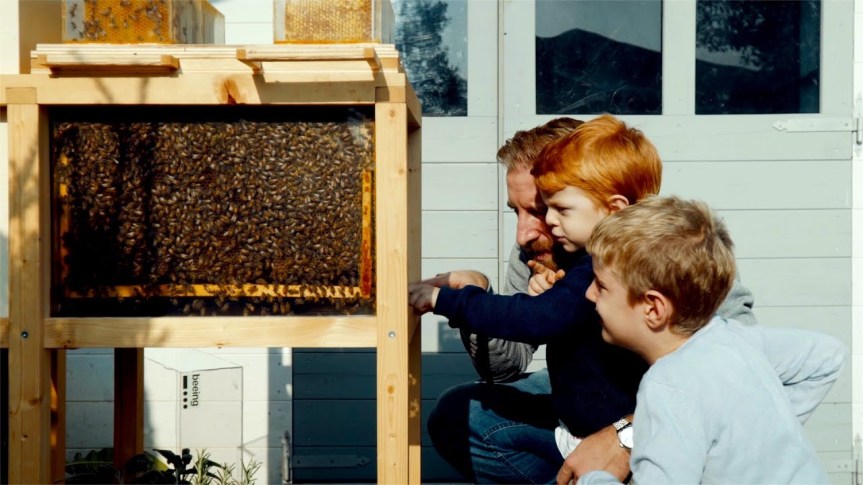
b-box: Urban-friendly hive aims to encourage the bee population and a colony of home beekeepers

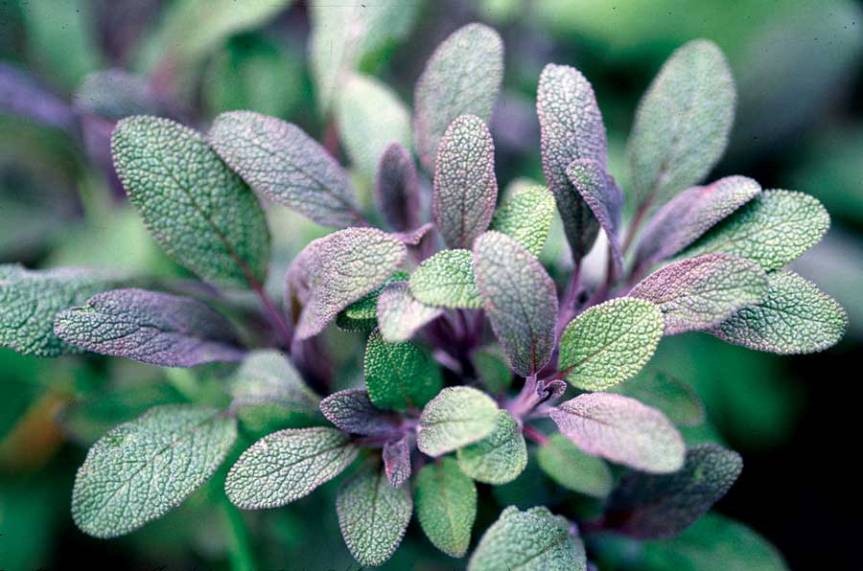
Sage Varieties: Growing Tips and Recipes

Crooked Bear Creek Organic Herbs's avatarCrooked Bear Creek Organic Herbs

The genus Salvia contains a staggering range of species suitable for every garden use under the sun—and in the shade. But for cooking, none can rival common garden sage (Salvia officinalis) and its cultivars. Sage has long been valued for its contributions to the cook’s palette of flavors. Its robust piney aroma and earthy flavor complement many ingredients. Sage is also an attractive garden plant, particularly in its fancy-leaved forms. Plus, it prospers under a wide range of conditions and adds striking bold texture to mixed plantings.

Growing Info For Sage

• Light: Full sun
• Height: 18 to 24 inches
• Width: 24 to 36 inches
• Bloom time: Late spring, although valued most for its evergreen foliage.
• Soil: Well-drained, tolerant of a wide range of soil types.

What’s the Difference Between Types of Sage?

S. officinalis vary widely in the size and shape of its leaves. Sharp-eyed herbalists…

View original post 1,578 more words

Growing Edible Flowers in Your Garden

Crooked Bear Creek Organic Herbs's avatarGood Witches Homestead

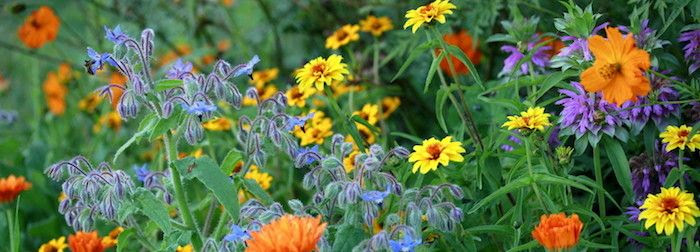
While gardeners love flowers for their beauty outdoors in the garden and indoors in a vase, few raise them to eat. That’s a shame because many flowers are edible and bring lively flavors, colors, and textures to salads, soups, casseroles, and other dishes. Eating flowers is not as exotic as it sounds. The use of flowers as a food dates back to the Stone Age with archeological evidence that early man ate flowers such as roses.

Of course, flowers have been used to make teas for centuries, but flower buds and petals also have been used from China to Morocco to Ecuador in soups, pies, and stir-fries. Rose flowers, dried day lily buds, and chrysanthemum petals are a few of the flowers that our ancestors used in cooking. In fact, many of the flowers we grow today were originally chosen for the garden based upon their attributes of aroma and flavor, not…

View original post 1,520 more words

Fresh Peas, Pasta and Feta

Sonoran Sweetness: A Gathering

Crooked Bear Creek Organic Herbs's avatarCrooked Bear Creek Organic Herbs

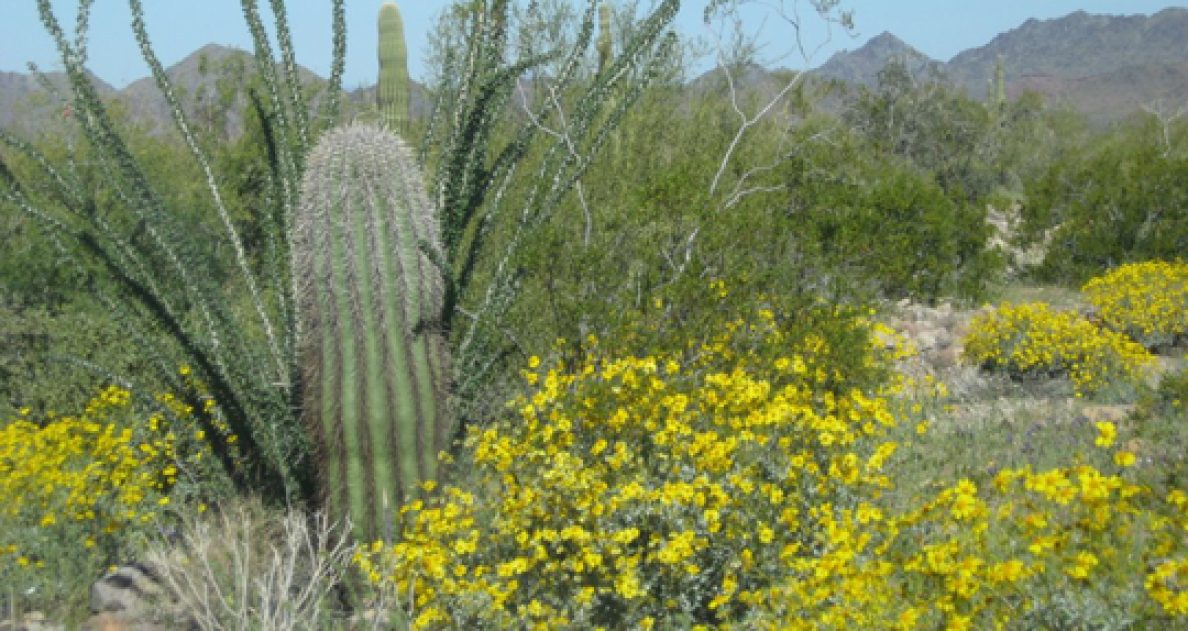
The cherished time of year in the Sonoran desert is now upon us.  While the desert heats up to temperatures above 110 F, many run for cooler, moister climes and foreign visitors are scorched in a short time.  This heat is necessary, it is a natural process inherent in our desert’s ecology.  To eliminate it in some way would be to lose one of the greatest gifts this desert has to offer us.  Without the intense heat, the fruit of our Saguaro cactus (Carnegiea gigantea) would not mature properly.  Not many people today know the characteristic sweet taste of the fruit of the Saguaro cactus, known as bahidaj in the Tohono O’odham (native peoples of the Sonoran desert region) language.  It is the O’odham people (often referred to as Papago) who have preserved the knowledge on how to prepare such things as Saguaro syrup (bahidaj sitol), Saguaro jelly…

View original post 1,329 more words