Tag: Food

Sage Varieties: Growing Tips and Recipes
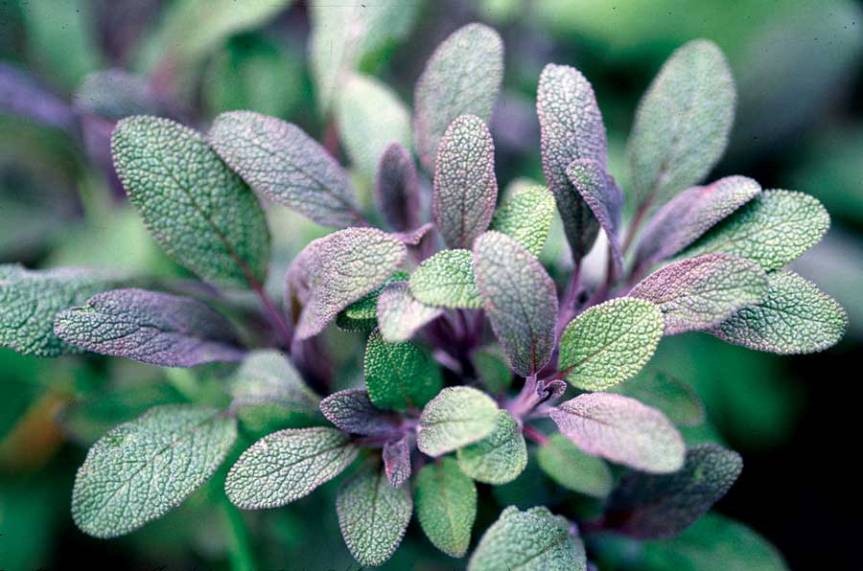

The genus Salvia contains a staggering range of species suitable for every garden use under the sun—and in the shade. But for cooking, none can rival common garden sage (Salvia officinalis) and its cultivars. Sage has long been valued for its contributions to the cook’s palette of flavors. Its robust piney aroma and earthy flavor complement many ingredients. Sage is also an attractive garden plant, particularly in its fancy-leaved forms. Plus, it prospers under a wide range of conditions and adds striking bold texture to mixed plantings.
Growing Info For Sage
• Light: Full sun
• Height: 18 to 24 inches
• Width: 24 to 36 inches
• Bloom time: Late spring, although valued most for its evergreen foliage.
• Soil: Well-drained, tolerant of a wide range of soil types.
What’s the Difference Between Types of Sage?
S. officinalis vary widely in the size and shape of its leaves. Sharp-eyed herbalists…
View original post 1,578 more words
Growing Edible Flowers in Your Garden
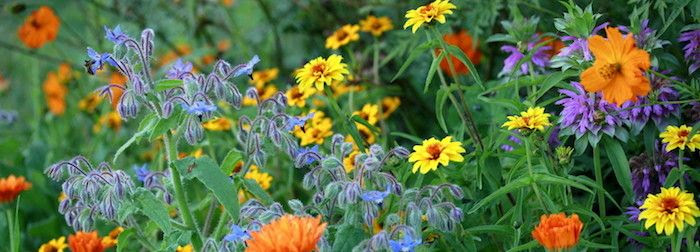
While gardeners love flowers for their beauty outdoors in the garden and indoors in a vase, few raise them to eat. That’s a shame because many flowers are edible and bring lively flavors, colors, and textures to salads, soups, casseroles, and other dishes. Eating flowers is not as exotic as it sounds. The use of flowers as a food dates back to the Stone Age with archeological evidence that early man ate flowers such as roses.
Of course, flowers have been used to make teas for centuries, but flower buds and petals also have been used from China to Morocco to Ecuador in soups, pies, and stir-fries. Rose flowers, dried day lily buds, and chrysanthemum petals are a few of the flowers that our ancestors used in cooking. In fact, many of the flowers we grow today were originally chosen for the garden based upon their attributes of aroma and flavor, not…
View original post 1,520 more words
Fresh Peas, Pasta and Feta

Sonoran Sweetness: A Gathering

The cherished time of year in the Sonoran desert is now upon us. While the desert heats up to temperatures above 110 F, many run for cooler, moister climes and foreign visitors are scorched in a short time. This heat is necessary, it is a natural process inherent in our desert’s ecology. To eliminate it in some way would be to lose one of the greatest gifts this desert has to offer us. Without the intense heat, the fruit of our Saguaro cactus (Carnegiea gigantea) would not mature properly. Not many people today know the characteristic sweet taste of the fruit of the Saguaro cactus, known as bahidaj in the Tohono O’odham (native peoples of the Sonoran desert region) language. It is the O’odham people (often referred to as Papago) who have preserved the knowledge on how to prepare such things as Saguaro syrup (bahidaj sitol), Saguaro jelly…
View original post 1,329 more words
Trap Garden: One man’s vision for food secure communities in Nashville and beyond

Wine Cap Mushroom Cultivation: Wood Chips, Garden Beds, Recipes, and More

How many times have you seen your neighbors getting tree work done or had tree work done yourself? The landscape company often comes with the big wood chipper and truck and then, after cutting up the wood, hauls that beautiful pile of chips off to some unknown location. Last year, our electric company came through and was doing tree work along our driveway and road to prune and cut trees too close to the power lines. We asked them to dump the wood chips on our property, and they were happy to do so. A lot of times, companies have to pay or go far out of their way to dump wood chips, and they see them as a “waste”; they will almost always dump them for free if you ask! But a pile of wood chips are harldy a waste–they can offer you multiple yields over a period of…
View original post 1,964 more words
Apricot Sponge Recipe

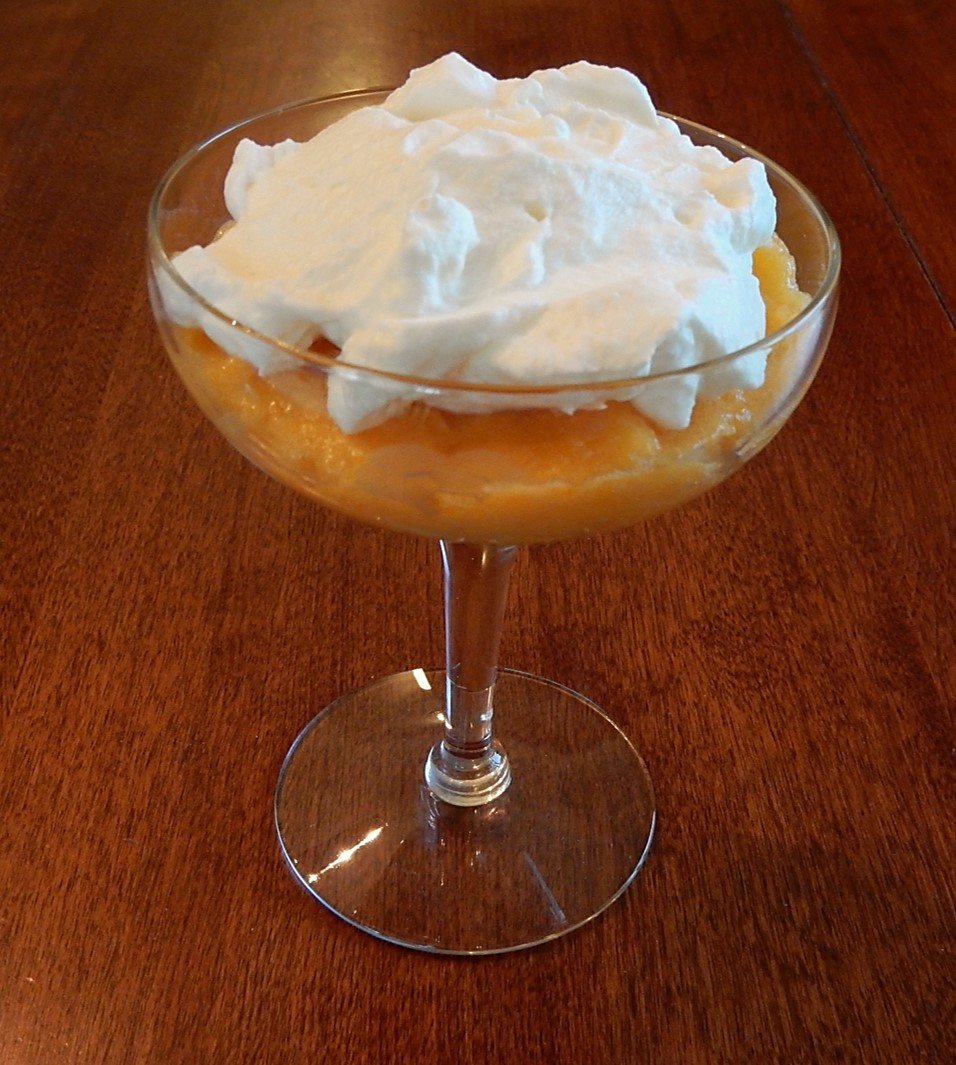
Apricots are my favorite June fruit. Around here, they are only available a few weeks, and each year I eagerly look forward to their appearance at the store. I recently bought some apricots, so was thrilled to find a hundred-year-old recipe for Apricot Sponge.
Apricot Sponge is a smooth, silky dessert that is served with whipped cream.
My daughter ate some Apricot Sponge, and said, “A top-five recipe.” In her opinion, this is one of the top five hundred-year-old recipes that I’ve served her. She thinks that it tastes like a luscious dessert that she ate at a fancy restaurant.
Here’s the recipe updated for modern cooks:
Chunky Rose Petal Pesto: Summer Savour — Gather Victoria

“It was June, and the world smelled of roses. The sunshine was like powdered gold over the grassy hillside.” Maud Hart Lovelace It’s been a whole year since I first started working on the “Gather Cookbook” for Gather Patrons. And since I’m going to be adding some new summer solstice recipes to the cookbook this…
via Chunky Rose Petal Pesto: Summer Savour — Gather Victoria


You must be logged in to post a comment.