Druidry for the 21st Century: Plant-Based Spiritual Supplies and Global Demand

Dana's avatarThe Druid's Garden

Can you even imagine druidry without plants or trees?  Plants and trees are some of our strongest allies for the work that we do, and are often connected to almost everything that we do spiritually. Plant spirits are teachers, guides, and allies.  From before we had recorded history in any culture, the plant spirits were there, growing with us, guiding us, healing us, and supporting us on our journey. Today’s modern druid practice continues that tradition: we burn plants for smoke cleansing, clearing, and helping to energize spaces. We use trees as part of divination and sacred rites. We use plants as healers, for magical healing and physical healing, and to connect with on deep levels.  Plants have long been friends of humans–and have long walked beside us, hand in hand, as we do our sacred work.  And today, we’ll explore ways we can offer that same kind of honor…

View original post 3,203 more words

A Natural Antibiotic: Thyme Oil for Wellness and Cleaning

Crooked Bear Creek Organic Herbs's avatarGood Witches Homestead

Superbugs like methicillin-resistant Staphylococcus aureus {MRSA} are on the rise and, unfortunately, are becoming resistant to the drugs used to treat them. When faced with a microbial infection, using natural antibacterial agents may not only be more effective but also safe and risk-free.

Apart from using spices like garlic, I recommend you try essential oils derived from herbs like thyme oil. Not only do they have antibacterial properties, but they also provide a number of health benefits. Before I go into thyme oil’s antimicrobial functions, let me share some information on the essential oil.

What Is Thyme Oil?

Oil of thyme is derived from thyme, also known as Thymus vulgaris. The perennial herb, a member of the mint family, is used in aromatherapy, cooking, potpourri, mouthwashes, and elixirs, as well as added to ointments. Thyme also has a number of medicinal properties, which is due to the herb’s essential…

View original post 1,474 more words

Spring Cleaning! The Magical Besom — Gather Victoria

Happy Spring Equinox! Blue skies and blossoms, what a day to welcome the official coming of spring! I was up bright and early today with a mission. To craft one of the most hallowed objects of spring cleaning – the Besom. I’ve been so busy with my cookbook and creating rewards for Patrons, my home…

via Spring Cleaning! The Magical Besom — Gather Victoria

Medicinal and Culinary Uses for the Shy Violet

Crooked Bear Creek Organic Herbs's avatarCrooked Bear Creek Organic Herbs

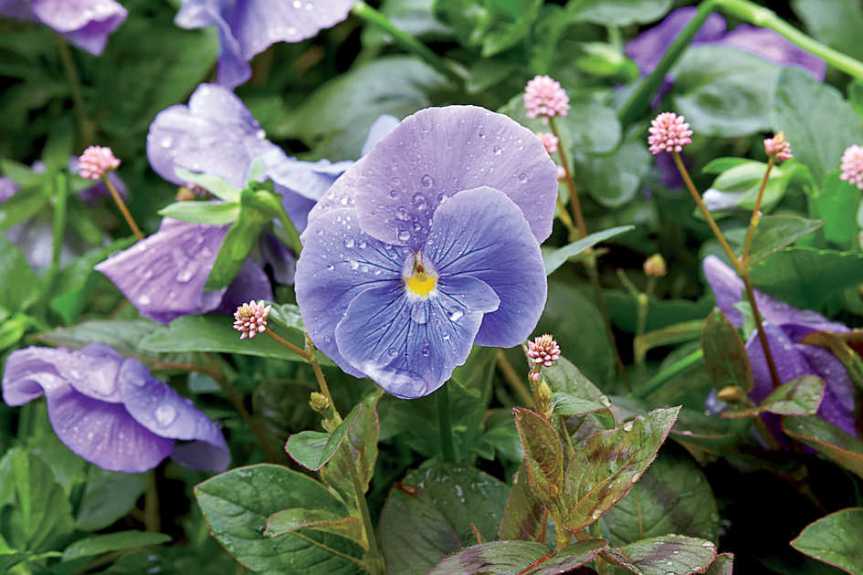
While violets’ delicate blossoms are a treat only for the observant, the plant has enjoyed a long history of medicinal and culinary use.

Leigh Hunt, an English Romantic essayist, and poet is the first known author of the phrase “shrinking violet.” In 1820, he published a passage describing a bit of woodland in The Indicator, a poetry magazine: “There was the buttercup, struggling from a white to a dirty yellow; and a faint-colored poppy; and here and there by the thorny underwood a shrinking violet.”

Hunt was almost certainly referring to the native English, or sweet, violet (Viola odorata). This shy plant can often go unremarked underfoot, and it carries its small, slightly recurved flowers level with or just below its leaves. The phrase “shrinking violet” took a few decades to catch on — but when it did, it spread rapidly, much as its parent plant does…

View original post 1,865 more words

The Plant Medicine Summit March 18-22, 2019

Crooked Bear Creek Organic Herbs's avatarCrooked Bear Creek Organic Herbs

Free Online Event
The Plant Medicine Summit
March 18-22, 2019

Plant Medicine Summit 2019

In our fast-paced culture, we’re becoming increasingly disconnected from nature.

And in doing so, we’re losing touch with our symbiotic relationship with the plant kingdom… a vast life-giving resource for healing our bodies, balancing our emotions, and awakening our consciousness.

Our environment is suffering too. As a result of our failure to recognize our biological and spiritual connection with the natural world, destructive agricultural practices, and climate change are destroying the Earth’s ecosystems.

However, as you’ll discover during the eye-opening sessions in The Plant Medicine Summit, by honoring plants as our sacred evolutionary allies, we have great potential to heal not only ourselves but our beautiful planet as well.

Esteemed speakers joining for this life-changing, 5-day event include our host, David Crow, plus, Mark Blumenthal, K.P. Khalsa, Lupo Passero, Pam Fischer, Sara Crow, Nicholas Schnell, and many others.

Here’s just a small…

View original post 553 more words

Svalbard Global Seed Vault: The “Noah’s Ark of Plant Diversity” protecting the world’s seed resources

The Sleeping Giant of Mediterranean Herbal Medicine: Helichrysum italicum

Crooked Bear Creek Organic Herbs's avatarCrooked Bear Creek Organic Herbs

Helichrysum italicum (Roth.) Don. (Asteraceae) is an iconic plant of the Mediterranean area (Figure 1), but the use of its essential oil in glamorous perfumes and personal care products has turned it into a veritable icon of luxury. However, just like the geographical distribution of Helichrysum species extends beyond the Mediterranean region, the properties of H. italicum are not limited to fragrance as they can benefit human health as well. In this context, H. italicum can be viewed as the sleeping giant of Mediterranean herbal medicine, and its extracts have the potential to be developed as dietary supplement ingredients just like its essential oil has been used successfully in perfumery and aromatherapy. Waking this giant will not be simple, but recent studies have provided the basis for a Helichrysum renaissance. This article outlines the fascinating ethnopharmacology of H. italicum in the light of modern molecular investigations of its…

View original post 6,161 more words

The Bee Friendly Trust transforming station platforms into habitats for honeybees to thrive

Little Lavenders in the Landscape

Crooked Bear Creek Organic Herbs's avatarCrooked Bear Creek Organic Herbs

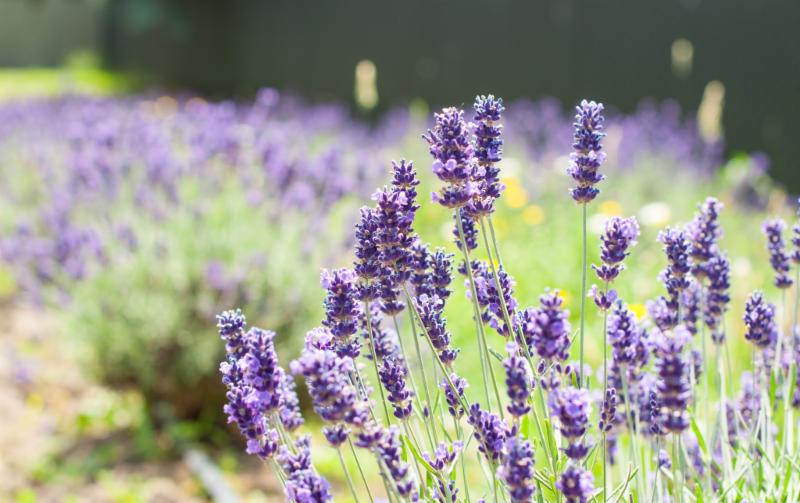
As spring approaches we get anxious to start planting our garden!  In March, we have time to plan which lavenders we want to add or replace in our garden.  In late March and into April and May, after the weather and the ground have warmed up, we can usually tell which lavenders need to be replaced. After we do spring garden pruning and clean up, we have a better idea of how much space we have to plant.  There are also more lavender plants available from local growers at that time of the year.
English lavenders, Lavandula angustifolia cultivars, are the hardiest lavender plants to grow, but eventually, they do need to be replaced with new plants.  Some lavender plants that are over 10 to 15 years old are very woody and parts of these plants may no longer produce new leaves or flowers. As long as a garden space…

View original post 1,599 more words

The Skin You’re In (#herbs, #IBS & #skincare)….

aspiringherbalist's avatarMy Herbal Adventures...

My skin has been a nemesis of mine since I was a teenager. Yet, the worst years were in my early twenties for breakouts and trial after trial of trying to fix what seemed to only get worse. As I tried to figure out how to fix it from the outside, without being willing to change my eating habits, it only got better when my alcohol consumption and relationship with nutrition & food changed in my mid-twenties. To this day I still struggle with my skin more than anything else in my lifestyle routine; due to a few reasons I will discuss below.

IBS! This has been a new discovery for me in the past few years. My sensitive stomach is really what has now been defined and given a name; Irritable Bowel Syndrome. Here are the list of symptoms in case you are unfamiliar:

  • Changes in normal bowel movements…

View original post 1,908 more words