Medicine Chest: Herbal First Aid Kit

Crooked Bear Creek Organic Herbs's avatarCrooked Bear Creek Organic Herbs

Topical Herbal First Aid Kit

As you delve into the world of herbal medicine, at some point or another you take a look at your medicine cabinet and think, “What kinds of natural remedies should I stock in my first aid kit?” Many herbs offer topical applications for a variety of everyday woes, including aches and bruises, cuts and scrapes, bug bites and rashes. And conveniently, you can cultivate or wildcraft most of these herbs or find them easily at natural food stores and online herb shops. Here are a few basics to consider stocking:

Plantain {Plantago major} leaf, a ubiquitous and easily recognizable weed, is readily available in most lawns, woodland path edges, and pavement cracks. You can apply the freshly chewed or mashed leaves directly to bug bites, bee stings, poison ivy, rashes, and splinters to quickly draw out inflammation, irritation, venom, and foreign objects. How…

View original post 1,755 more words

Caring With Calendula

Crooked Bear Creek Organic Herbs's avatarCrooked Bear Creek Organic Herbs

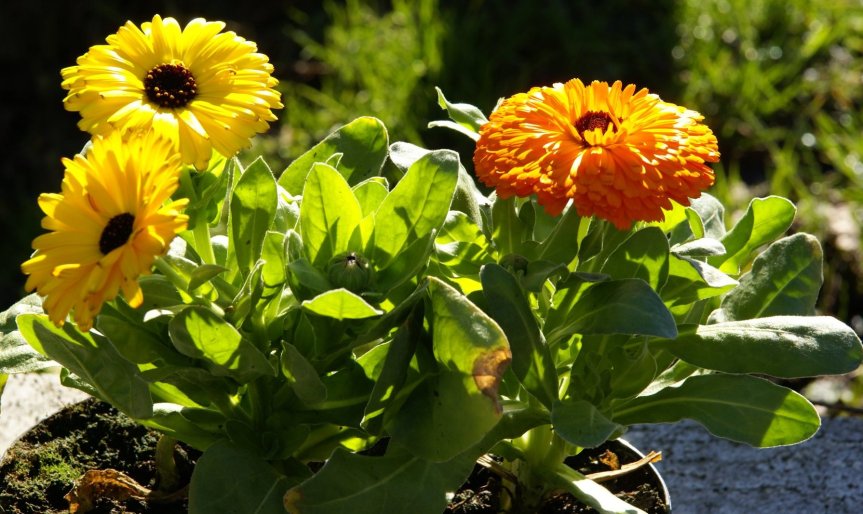
This vibrant orange blossom pops in the garden add a burst of color to cuisine and is a powerhouse in the medicine cabinet. Learn more about this amazing, autumn-loving species.

Brilliantly striking, calendula’s gorgeous yellow and deep-orange blossoms bring a smile to both gardener and herbalist alike. In the fall, you’ll find this plant gracing many doorways, a staple among other autumn harbingers that herald the colder weather to come. But this dazzling ornamental’s long, storied history and powerful medicine make it a must-have for the home.

Sunshine in the Yard

Visually delightful, sun-loving Calendula officinalis is also commonly called marigold, but don’t confuse it with Mexican marigold {Tagetes erecta}, which is another species entirely. A member of the Asteraceae family along with chamomile, dandelion, and Echinacea, calendula is native to southern Europe and parts of the Middle East, but now grows in temperate climates throughout the world…

View original post 1,964 more words

Back to School; Finding Your Herbal Path — Good Witches Homestead

Looking for a career in the burgeoning and rewarding field of herbs? Start by finding the right educational program to suit your individual needs and goals. By some estimates, 70 percent of Americans are not fully satisfied with their current jobs, and this lack of contentment impacts not only the workplace but also our personal […]

via Back to School; Finding Your Herbal Path — Good Witches Homestead

Best Herbal Iced Teas for Summer

Crooked Bear Creek Organic Herbs's avatarGood Witches Homestead

PRO TIPS FOR MAKING ICED TEA:

  • Brew your iced tea a little stronger than you would if you were going to enjoy it hot since the ice will water down the tea infusion and its flavor.
  • Some heat is required for the initial brewing, and this can be done either on the stovetop or as a sun brewed tea. Sun teas take more time but less work to make, requiring three to five hours in direct sunlight to properly infuse.
  • Once your tea has brewed and cooled, store in the fridge for optimal shelf life and consume within a week or less.

Iced tea is one of the joys of summer! Get ready for those hot days with our guide to the best teas to serve iced.

Source: Best Herbal Iced Teas for Summer

5 Herbal Iced Teas for Summer:

  1. Mint Tea
    This delightful blend is made with mints from…

View original post 563 more words

A Joyful Cup — Good Witches Homestead

With our non-stop, busy lives, it’s hard to find a quiet moment to relax and recharge. But even the practice of pouring a cup of tea can bring peace of mind – especially with the right herbs. Whether you take your tea at high noon or prefer a bedtime brew, these garden herbs provide the […]

via A Joyful Cup — Good Witches Homestead

Rosemary ‘to remember’ Infused Oil — Wylde and Green

Rosemary is one of my favorite herbs, and it has a lore stretching back to the ancients, so maybe it is fitting, that more than any other this is the herb of ‘remembrance’. It is such an attractive plant, with long, slender limbs of the darkest green, and delicate, pale blue flowers that the bees […]

via Rosemary ‘to remember’ Infused Oil — Wylde and Green

Plant Medicine: CBD — Good Witches Homestead

Depending on where you live, you may have started to see “CBD” products – capsules, tinctures, salves – pop up in your natural food stores or even at the supermarket. And if you’re “canna-curious,” you may have questions about the health benefits of this non-psychotropic medicinal as well as its different forms and delivery methods. […]

via Plant Medicine: CBD — Good Witches Homestead

Sage Varieties: Growing Tips and Recipes

Crooked Bear Creek Organic Herbs's avatarCrooked Bear Creek Organic Herbs

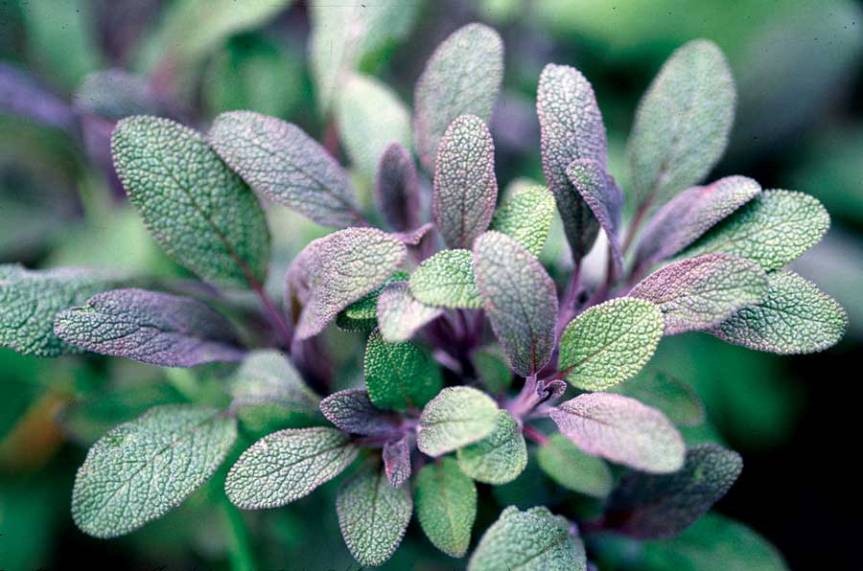
The genus Salvia contains a staggering range of species suitable for every garden use under the sun—and in the shade. But for cooking, none can rival common garden sage (Salvia officinalis) and its cultivars. Sage has long been valued for its contributions to the cook’s palette of flavors. Its robust piney aroma and earthy flavor complement many ingredients. Sage is also an attractive garden plant, particularly in its fancy-leaved forms. Plus, it prospers under a wide range of conditions and adds striking bold texture to mixed plantings.

Growing Info For Sage

• Light: Full sun
• Height: 18 to 24 inches
• Width: 24 to 36 inches
• Bloom time: Late spring, although valued most for its evergreen foliage.
• Soil: Well-drained, tolerant of a wide range of soil types.

What’s the Difference Between Types of Sage?

S. officinalis vary widely in the size and shape of its leaves. Sharp-eyed herbalists…

View original post 1,578 more words

A Druid’s Primer on Land Healing: Ecosystems, Interconnectivity, and Planting Guilds

Dana's avatarThe Druid's Garden

I had a recent conversation with a friend who lives in the town where I work (and where I used to rent a house). I had commented on how “nice” her lawn looked, as it was growing tall full of clover, dandelions, all heal, and so many other blooming plants; it was wild and beautiful.  She laughed and said that she wished her neighbor felt the same way!  She said that her lawn would have to be mowed that very day, and if she didn’t do so, her neighbor had already threatened her with calling the township due to the 6″ grass ordinance. Even though my friend isn’t a druid, this prompted a deep conversation about nature, ecology, and ecosystems. We started talking about the broader ecosystem, and the connectivity of all life–how she wanted to support insect life, bees, and larger life in her small patch of…

View original post 2,047 more words

Create Your Own Apothecary

Crooked Bear Creek Organic Herbs's avatarCrooked Bear Creek Organic Herbs

Herbal Tinctures for Health and Well-Being

They may be small, but these extracts pack a powerful herbal punch. Discover the multiple benefits of tinctures, and how to make and use them to stay healthy.

Crafting stellar herbal remedies in your kitchen that surpass anything you can buy in stores is easy and fun. The basic method simply entails packing herbs in a jar, covering them with something, such as alcohol, vinegar, or honey and then straining them after a few weeks. Alternatively, they can be simmered on the stove and then strained.

Herbal Courses from beginner to advanced

Here, we’re going to talk about tinctures, a liquid extract made with alcohol. Alcohol is as good as water, and sometimes better, for extracting most plant constituents, and it makes a far more concentrated product. Instead of drinking a whole cup of tea, you take just 1/5 to 1 teaspoon of the tincture. Dilute your tincture in a…

View original post 3,251 more words