Looking for Buffalo Nuts (New video!) + Nature Photography Workshop

Greetings,

Some plants are easy to find.  Other plants require time, turnpike tolls, and chance encounters with botanists’ field notes in order to pinpoint their precise locations.

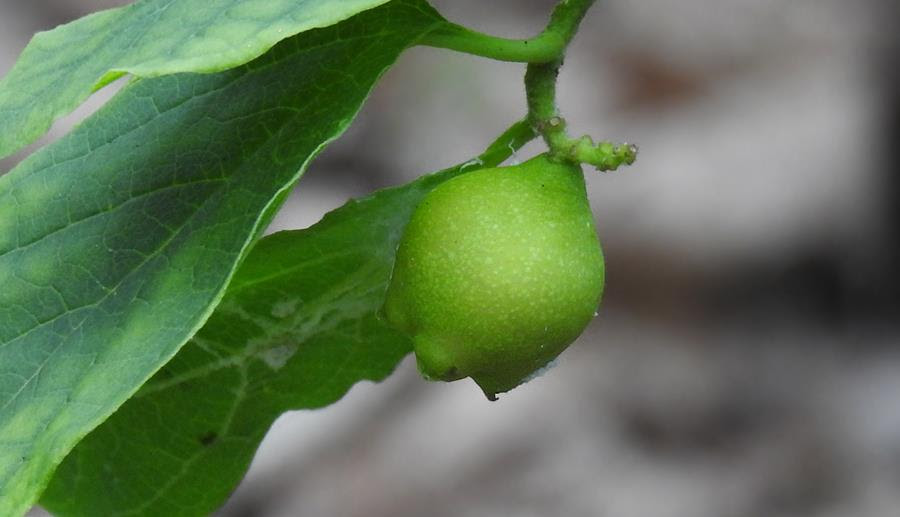
Buffalo Nut, an understory shrub with a rather bizarre lifestyle, falls into the latter category.

My first encounter with Buffalo Nut took place more than 5 years ago.  Since that initial sighting, I had never seen the plant again.

A few weeks ago, I came across a list of plants that a few botanists had compiled regarding the flora of certain forests.  One of those forests was located in the southwestern portion of the state, and one of the plants included on the list was the elusive Buffalo Nut.

Intrigued, I decided to plan a visit to this forest in search of Buffalo Nut, though because I was quite unfamiliar with the area, I knew that I’d be embarking on a small-scale adventure.  What excited me the most was finding its fruits, because years ago when I first discovered the plant, I had only witnessed it in flower.

The trip was planned, though the questions remained.  Would I find the fruits?  Would I even find the plant?  Why are turnpike tolls so expensive?

In this brand new video, I recount the story of my recent adventure in search of an unassuming denizen of the forest.

Click here to watch the video.

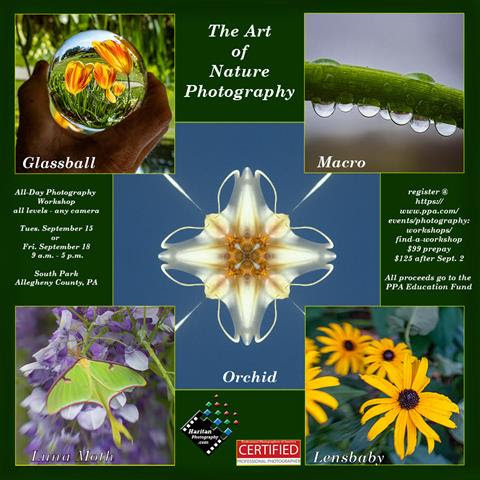
If you are interested in learning artistic nature photography skills, there are two upcoming opportunities to learn directly from an expert in the field.  Michael Haritan (my father) is a photographer with over 30 years of experience.  He will be teaching two separate classes in southwestern Pennsylvania (Allegheny County) on the techniques involved in using the camera to create images worthy of artistic merit.  If you are interested in taking your photography skills to the next level, these all-day classes are definitely worth the investment.

Thanks for reading and watching, and thanks for your continued support!

-Adam Haritan

A Weed Lover’s Manifesto

The Herb Society of America's avatarThe Herb Society of America Blog


By Andrea Jackson

I love weeds. There, I said it.  Don’t worry, I do pull them (there’s a reason why they’re called weeds, after all), but I am much more likely to make a tincture or a salve or something good (yes, good) to eat than to discard them completely.

After all, weeds were really the first herbs. Emerson said “weeds are but an unloved flower.” They have also been called a plant out of place. Consider a field of commercial dandelions with a single forlorn rose bush growing in the middle. Now which one is the weed?

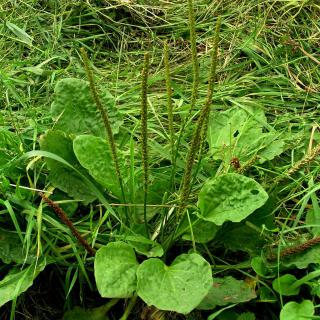
Plantago_major_SZ356869_Freshwater_MCotterill_IWNHASWeeds tell wonderful stories, and as we learn them, they take us on a journey to discover where they came from and how they came to be who they are today. 
For example, there’s the common broadleaf plantain (Plantago major). Broadleaf plantain is everywhere, which is a good thing for…

View original post 584 more words

HSA Webinar: A Recipe for Success

The Herb Society of America's avatarThe Herb Society of America Blog

By Bevin Cohen

I’ve long been amazed by the generous bounty offered to us by Mother Nature. Even as a young boy picking wintergreen berries in the woods, I just couldn’t believe that these tasty treats were available for me to enjoy, in quantities greater than I could ever consume, and the only cost was an afternoon in the shady forest, harvesting the luscious fruits as I listened to the melodious whistling of the birds and the occasional scurried sounds of a startled chipmunk or squirrel. 

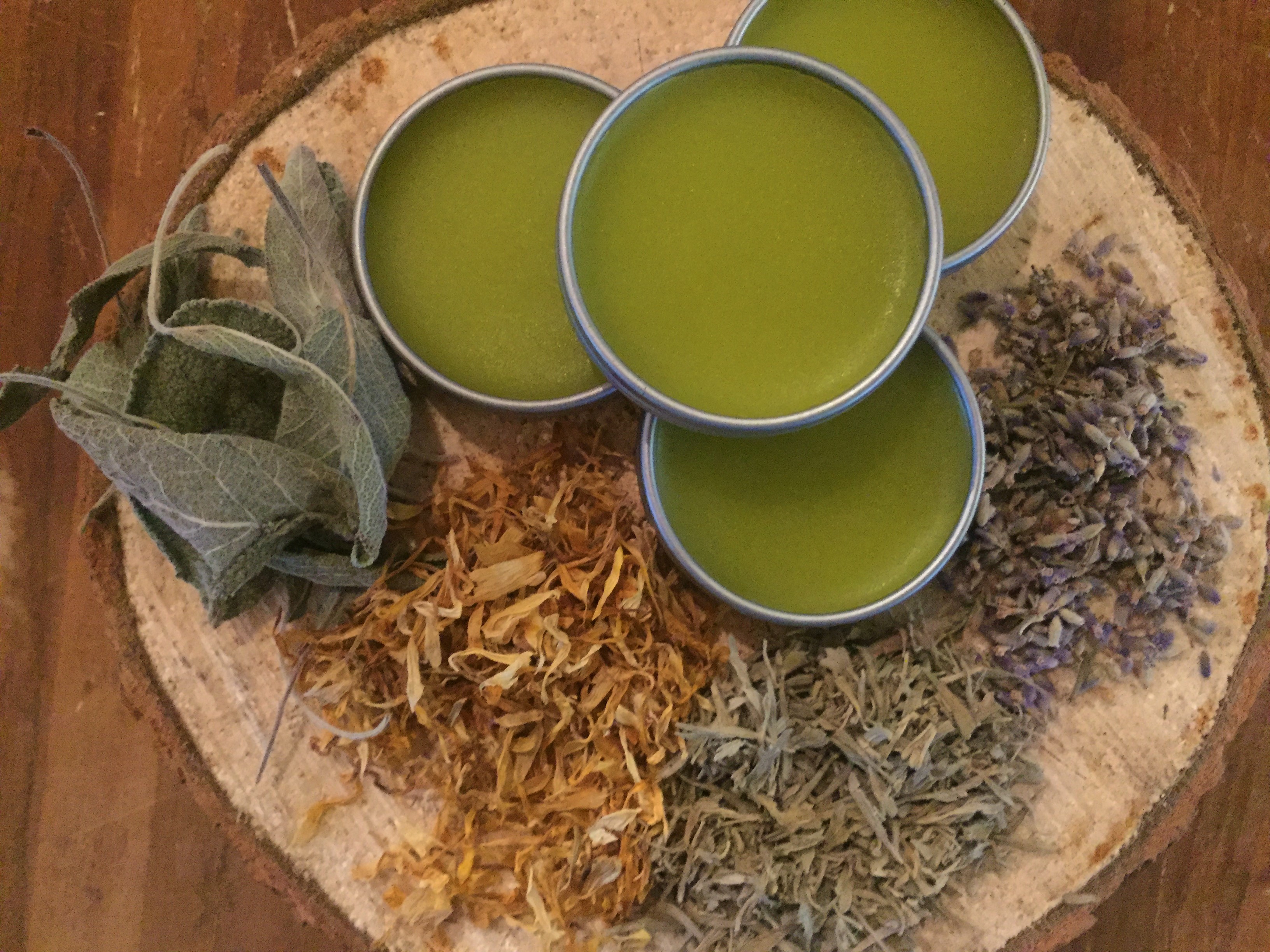
As an adult, my appreciation for Nature’s endless gifts has only deepened, and I find IMG_1408myself preaching her message of abundance to anyone willing to listen. Through my work as an author, herbalist, and educator, I’ve been placed in a unique position to share my knowledge, experiences, and passion with audiences the world over, and the core of my message has always remained the…
View original post 517 more words

Nose-Twisting Nasturtiums

The Herb Society of America's avatarThe Herb Society of America Blog

By Susan Belsinger

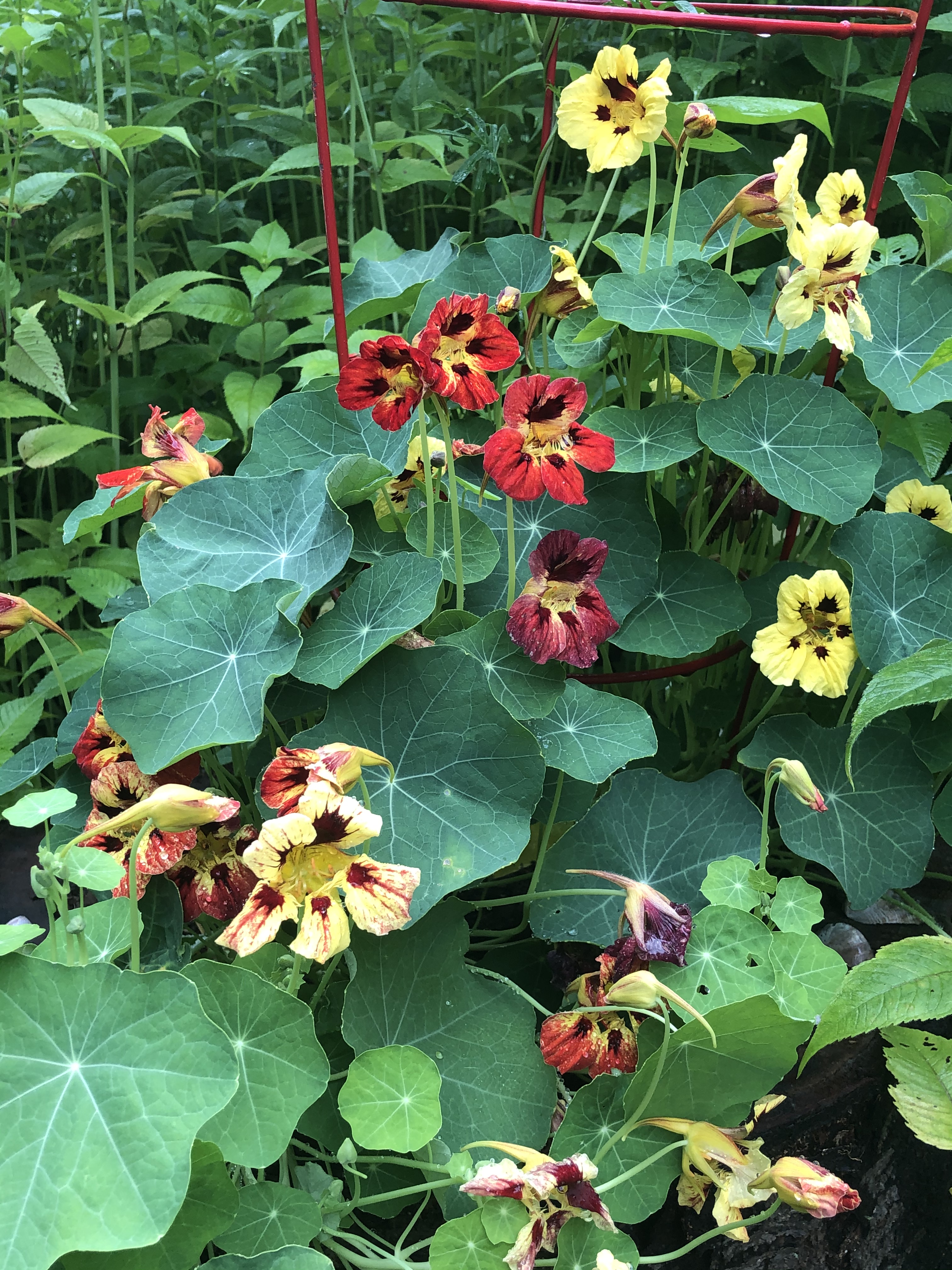
Bloody Mary1Plant Profile
Family: Tropaeolaceae
Scientific name: Tropaeolum majus
Common names: nasturtium, Indian cress, trophy cress, trophywort
Native Habitat: Peru, parts of South America
Plant Type: Annual
Growth Habit: Dwarf bushy cultivars grow from 8 to 18 inches in height, while the climbers can easily reach 6 to 10 feet, or more.
Hardiness: Hardy in frost-free locations
Light: Best in full sun; can tolerate a few hours of shade, which produces more leaves with fewer flowers
Water: Moist but not wet; will tolerate some drought
Soil: Friable and porous garden loam, well-drained soil; does well in containers
                                                                                   Propagation

View original post 1,243 more words

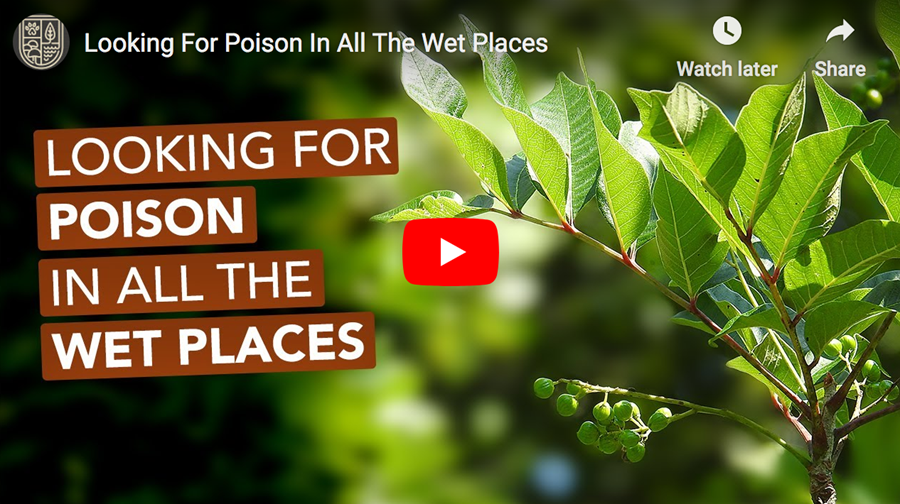
Looking For Poison In All The Wet Places

Greetings,

Swampy wetlands can be unforgiving places during the summer months.  The vegetation is thick, the mosquitoes are hungry, and the lack of tree cover forbids any kind of refuge from the mid-day sun.

Strange as it may seem, I still find myself drawn to these soggy habitats in search of organisms that are not commonly encountered elsewhere.  Wet feet and insect bites are small prices to pay in exchange for opportunities to observe and learn new species.

During a recent trip to one of these remote wetlands in western Pennsylvania, I experienced quite a spectacle: the flowers of swamp rose; the immature fruits of winterberry; and the thread-like stems of dodder intimately engaging with every herbaceous plant in sight.

Amongst this activity, I couldn’t help but notice a shrubby plant inhabiting the margins.  Insects were crawling up and down its branches and birds were singing in its canopy, but I knew that any physical contact between the plant and my skin could result in serious consequences.

This plant, which is known as poison sumac, can lead to painful rashes in over 85% of humans.  Susceptible individuals experience symptoms similar to (and reportedly worse than) the reactions caused by poison ivy.

Instead of avoiding the plant, I decided to film a video in which I discuss not only the unique ability of poison sumac to cause skin irritations in humans, but also its ecological value in supporting the health of other organisms.

If you are interested in learning more, check out the new video!

I was a recent guest on the Wild Fed Podcast hosted by Daniel Vitalis.  We covered lots of topics in this interview including plant and fungal interactions, the sustainability of gathering food from the land, the importance of learning non-edible species, and lots more.  You can listen to the conversation here.

Speaking of plant and fungal interactions, did you know that wild blueberries depend on fungi for sustenance?  Without these inter-kingdom relationships, far fewer blueberry shrubs would probably exist.  Check out a recent Instagram post to learn more.

Thanks for reading and watching, and thanks for your continued support!

-Adam Haritan

Spicebush to the Rescue

The Herb Society of America's avatarThe Herb Society of America Blog

By Kaila Blevins

Author Volunteer TripWhile on a volunteer trip in Orlando, Florida, I was desperate for bug spray. In the middle of December, the mosquitoes nibbled on any exposed skin they could find, leaving me and the rest of the unprepared Maryland native participants with patches of red swollen bumps on our ankles and arms. Our guides, a retired couple who volunteers with the state parks, became our heroes on the second day of the trip. During our lunch break, the husband saunters over to us, carrying a branch from a nearby shrub and states, “This is spicebush. Crush its leaves and rub it onto your arms. Keeps the bugs away and helps the itch.” Immediately, we passed the branch around, ripped the leaves off the branch, crumpled them, and rubbed the lemon-peppery scented oil onto our skin.

A couple years later, I would learn that spicebush (Lindera benzoin)…

View original post 547 more words

Lift Your Personal Power, Health, and Success with Herbs of the Sun | Guest Contributor

Crooked Bear Creek Organic Herbs's avatarGood Witches Homestead

Herbs of the Sun: angelica, ash, bay, calendula, chamomile, celandine, eyebright, frankincense, juniper, mistletoe, rosemary, saffron, safflower, Saint-John’swort, sunflower, tormentilla, walnuts

THEIR PROPERTIES:

Colors: gold, orange
Energies: self-confidence, success, vitality, courage, authority, dignity, fame, self-knowledge
Number: 1
Metal: gold
Stones/materials: diamond, citrine, yellow jasper, topaz
Deities: Ra, Apollo, Helios, Lugh, Isis, Diana, Brigit

In Astrology, the Sun and Moon are called “Planets” for ease of interpretation, but they are obviously not Planets in the scientific sense. In medicinal terms, the Sun could be considered the great restorative. Even as the returning Sun allows plant life to flourish on the Earth, the herbs attributed to the Sun act to restore health and vitality. They stimulate and balance the human health system that suffers from either excess or deficiency.

Many of the plants attributed to the Sun may be considered Solar simply on the…

View original post 835 more words

A Day In the Garden – Urban Moonshine

Crooked Bear Creek Organic Herbs's avatarCrooked Bear Creek Organic Herbs

GO INTO THE GARDEN EVERY DAY, NO MATTER WHAT.

That’s the promise I made at the start of the season. It will be a daily ritual, a practice to keep me in tune with the growth and health of the garden, and a sure way not to miss a bit of garden gossip. Like a bustling city full of honking horns, buses whizzing by, and street conversations half-heard, there is endless activity to observe. Cucumber beetles rapidly working to destroy the cucumber crop. Birds ravishing the cherry tree singing loudly to their friends to join in on the feast. Earthworms patiently turning the soil underfoot. Never a dull moment, but you need to go to the garden every day to keep up.

That has been my biggest lesson gardening this year. If you’re not there to enjoy the first ripe strawberries, the squirrels will be happy to take on that…

View original post 1,040 more words

Herbalism: A new era (Coronavirus – an Invitation) — John J Slattery Bioregional Herbalist, Forager, Author

Crooked Bear Creek Organic Herbs's avatarCrooked Bear Creek Organic Herbs

A bioregional herbalist’s look at the Coronavirus (CoV 2019) and important herbs to consider prior to and during exposure

So I thought I’d take some time to write about some of the herbs that I feel will be important upon exposure to CoV-2, but first, to help put some of this in perspective.

Mexican elder leaf (Sambucus mexicana, syn. S. cerulea subsp. mexicana, syn. S. cerulea, etc.)

Elder s one that is often brought up in any discussion of viruses. Not only does elder help prevent attachment through inhibition of neuraminidase, but it also protects ACE-2 making it exceptionally important at the early stages of prevention and limiting the initial impact of the virus. Another aspect of the elder’s effect on humoral immunity is to increase T cell production. This is important due to the virus’ effects on the dendritic cells of the lungs as the progression advances. This hinders…

View original post 1,386 more words

Amazing Anise Hyssop

The Herb Society of America's avatarThe Herb Society of America Blog

By Susan Belsinger

Agastache foeniculum

——————–Agastache foeniculum——————-

While commonly called anise hyssop, the odor is more similar to French tarragon, though sweeter, with a hint of basil. The foliage and flowers taste similar to the aroma—sweet, with the licorice of tarragon and basil—and just a bit floral.

All of the thirty or so Agastache species are good for honey production and make great ornamental perennials. The flowering plants go well with the silver-leaved species of mountain mint (Pycnanthemum), which flower about the same time in the July garden and also provide good bee forage. The young, broad, dark green leaves of A. foeniculum, tinged purple in cool weather, are attractive with spring bulbs such as yellow daffodils.

Agastache species do not have GRAS status, even though the leaves of many species have been used for centuries as a substitute for French tarragon, infused in syrups…

View original post 827 more words