
By Katherine K. Schlosser
The season of lights is upon us. During this darkest time of the year, we gravitate to earthly sources of light to keep things merry and bright.
 Early in our history as a country, many were short on money and luxuries such as candles. Livestock numbers were as yet too low to produce the quantity of tallow needed to make candles affordable, so following the lead of Native Americans, householders turned to candlewood to provide light on winter evenings.
We know candlewood as fatwood or pine knots—the resin-impregnated heartwood of pine trees. Pines that were cut to clear land, build homes, and provide heat for warmth and cooking left stumps in the ground. Those stumps, full of resin, hardened and became rot-resistant…and were an easy source of candlewood. Slim slivers cut from the wood burned hot and bright.
Alice Morse Earle, writing in the 1800s about…
View original post 898 more words

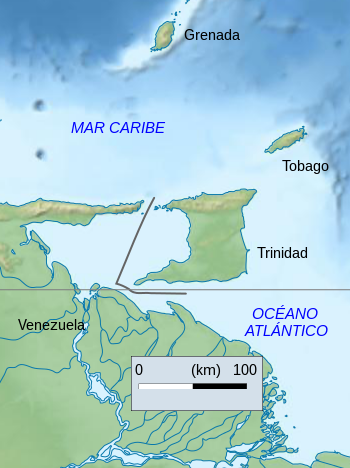 Last week we looked at some of the beverages important to a Trinidad Christmas. Now let’s talk about some of the foods and the special ingredients needed to make them.
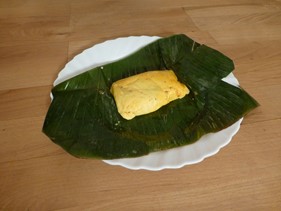 into a party and making large quantities assembly-line style. This is part of what makes them such a Christmas treat. Every island has their own…
 I was visiting my mother just a few weeks before Christmas in 2017. She had recently moved to a wonderful small family-run assisted living home. The owner, Ann Abdul, asked me if I’d like to taste some “sorrel drink” she had made for the holiday season. I had no idea what that was. It looked Christmassy–a brilliant ruby red. I took a sip, and the most delicious taste filled my mouth. It was a rich, complex, and unfamiliar burst of flavors. But it tasted like Christmas, too—it was sweet, and I thought I could detect cinnamon, cloves, and vanilla. But it also tasted a bit like lemonade with a pronounced citrusy tartness. I loved it, and I had to know more!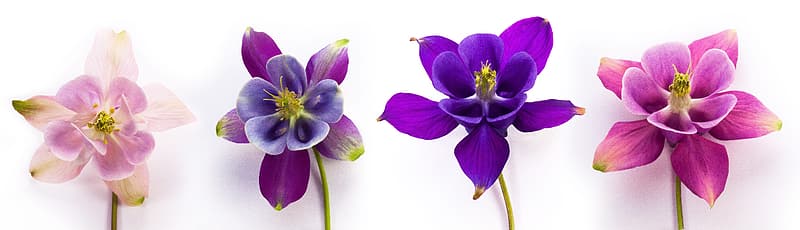
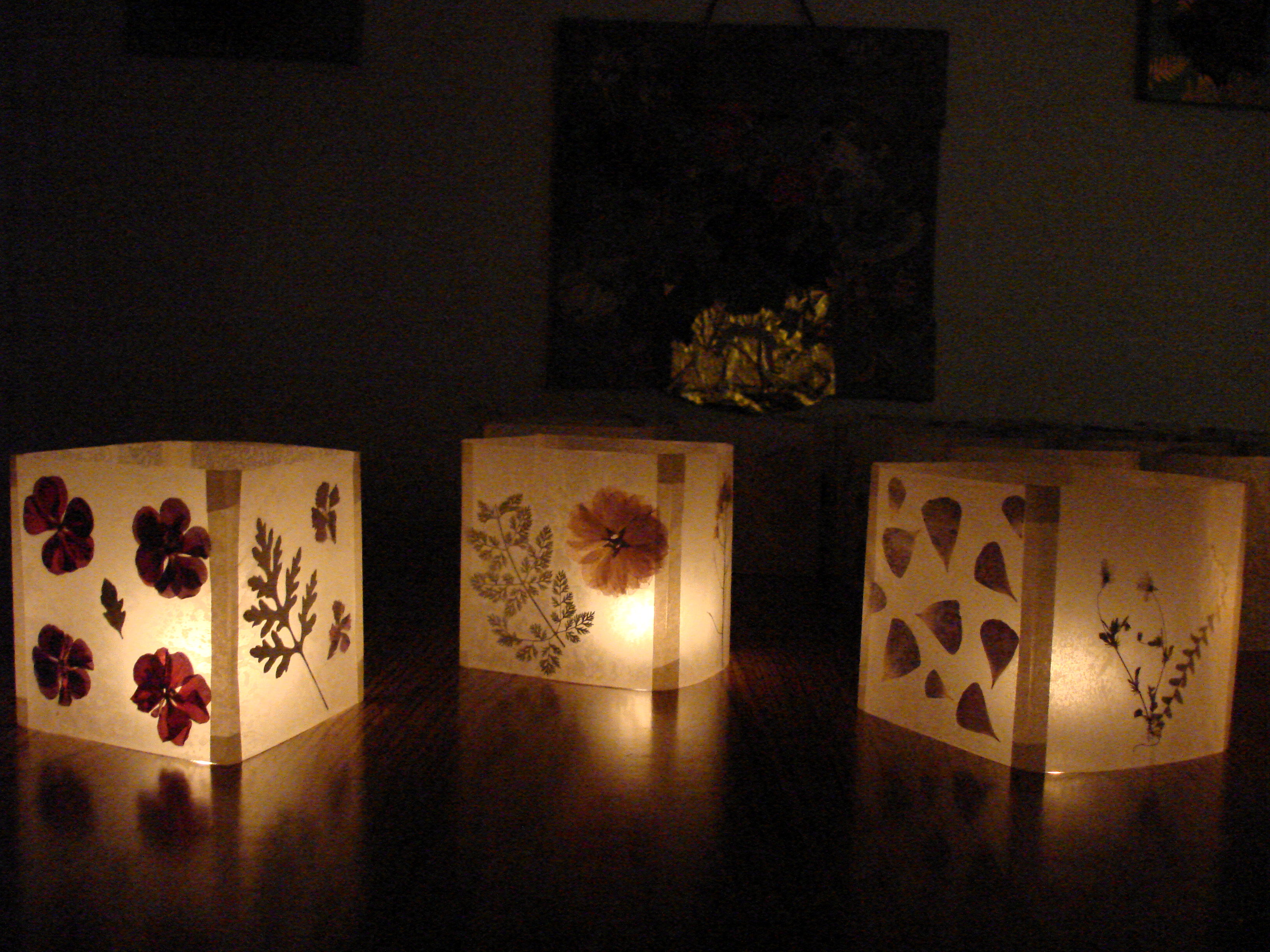 I love pressing herbs and flowers in a phone book or microwave press. I use the…
 After watching a video online about making paper from corn husks, I thought it would be fun to try. I had never made paper before, but the video made it look easy. Don’t they always?! I first made some using the husks from six ears. After it didn’t really go well, I bought a book with more detail and tried again.
  second only to water in most consumed beverages (DeWitt, 2000). I, myself, have become a tea drinker over the years, and as a plant nerd, I wanted to know more about how the tea leaves were farmed. What I ended up learning is that while tea (Camellia sinensis) is by far the most well known and widely used product of the genus Camellia, it is by no means its only contribution to the herbal marketplace.
 True nootropics should aid natural cognitive function, support and protect brain function, and be non-toxic to the user. The properties and constituents of nootropic herbs have demonstrated numerous benefits. Using medicinal herbs to enhance brain health is nothing new; in fact, many have been used safely and effectively for thousands of years.
 Interestingly, just south of the US border in Mexico there is a unique community that is home to sixteen distinct indigenous peoples living in a mild climate, enjoying unique botanic diversity.
  celebrations of them all. The Day of the Dead festival (or Dia de los Muertos) is celebrated from October 31st thru November 2nd. During this…

You must be logged in to post a comment.