Herbs are expensive – Grow your own

pobept's avatarTown & Country Gardening

Herbs Fresh or Dried purchased from your local Supermarket or Farmers Market are exceeding expensive.

These are sample prices taken from Walmart

The best solution is to grow your own Herbs. Herbs take up little space and are very forgiving if neglected.
Most herbs will do well in containers, window boxes and planted directly in your garden soil.
If herbs are conventionally located to you and your kitchen you are more willing and more likely to use them when cooking and serving meals.

Herbs Make Common Foods Taste Special

Sage is a herb that does well if properly cared for. It requires a lot of pinching and cutting to keep it from becoming woody. As a rule, sage will need to be replanted about every 3 years since it will become woody with few leaves no matter what, so keeping it in a pot makes this change that much easier…

View original post 545 more words

Pink Peppercorn – Herb of the Month

The Herb Society of America's avatarThe Herb Society of America Blog

The Peppercorn That is Not a Pepper
by Maryann Readal

The pink peppercorns that are found in the colorful mix used in clear pepper mills are not the true pepper of the Piper nigrum vine. These rosy colored berries are from the peppercorn tree, Schinus molle. The dried pink peppercorns do have a slight peppery, resinous taste and add color and sparkle when ground over any light-colored dish. Their milder flavor also makes them suitable for use in pasta and some dessert dishes like ice pink peppercorncream and fruit, or sprinkled over a cheese board.

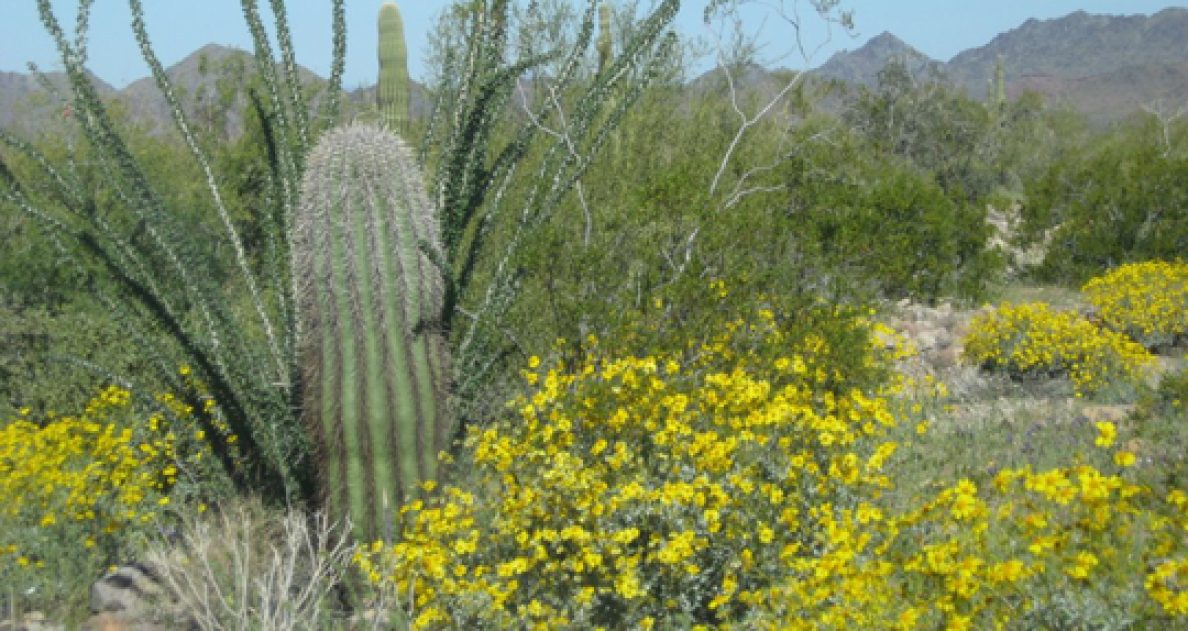
The peppercorn tree is native to Peru and is also called the Peruvian or California peppertree. This drought resistant tree is evergreen and can be grown in warm parts of the United States, Africa, India, Australia, and New Zealand. In fact, it has naturalized in some areas outside of Peru, and is considered invasive in…

View original post 1,055 more words

American Botanical Council

Crooked Bear Creek Organic Herbs's avatarCrooked Bear Creek Organic Herbs

We are happy to announce the next webinar in the Sustainable Herbs Program (SHP) Toolkit Webinar Series: COVID and the Botanical Industry: Perspectives from the Field.

How is the unprecedented growth in the botanical industry impacting producer groups around the world? What can ingredient suppliers, finished product companies, and consumers do to support the work these companies do to source high quality botanicals from their regions?

In this webinar, SHP Director, Ann Armbrecht will speak with Puspa Ghimire, from ANSAB, Nepal; Tarun Prajapati from Cultivator Natural Products, India; and Paulo Barriga from Pebani, Peru about the challenges of the past year in producing and supplying high quality, sustainable, and fairly traded botanicals to the global market.

COVID and the Botanical Industry: Perspectives from the Field
A conversation with Puspa Ghimire, from ANSAB, Nepal; Tarun Prajapati from Cultivator Natural Products, India; and Paulo Barriga from Pebani, Peru
Thursday, January 21…

View original post 17 more words

HSA Webinar: A History of Chocolate

The Herb Society of America's avatarThe Herb Society of America Blog

By Jen Munson, HSA Education Chair

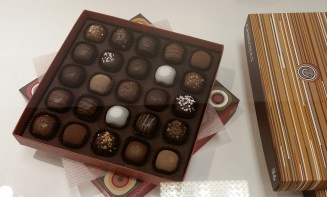
20190613_150017Chocolate: food or medicine? For centuries, chocolate was consumed primarily as medicine. Cacao, from which chocolate is derived, was the basis for prescriptions promising relief from such ailments as anemia, alopecia, fever, gout, heart disease, kidney and liver disease, along with tuberculosis. Prescriptions from the 16th and 17th centuries would combine cacao with cinnamon, sugar, pepper, cloves, vanilla, and/or anise to ease common complaints. Certainly modern day amoxicillin could benefit from such a delicious concoction.  
It was only in the 19th century that chocolate became more of a food staple and less of a medicine. This was in part because of the expansion of where cacao could be grown. Cacao is a New World food, but the Portuguese brought the cacao tree to the African tropics. The development of machinery made it easier to separate cacao butter from the seeds, and so the making…

View original post 360 more words

Parsley – Herb of the Month and Herb of the Year

The Herb Society of America's avatarThe Herb Society of America Blog

By Maryann Readal

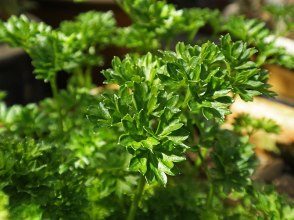
The spotlight is shining on parsley this month. Parsley (Petroselinum crispum) is The Herb Society of America’s Herb of the Month for January and the International Herb Association’s Herb of the Year for 2021. The three most common varieties of parsley are P. crispum or curly-leaf parsley,  P. crispum var. neapolitanum or flat-leaf Italian parsley, and P. crispum var. tuberosum or turnip-root parsley which is grown for its root and is used in soups and stews.
Parsley has an interesting history dating back to Greek and Roman times. To the Greeks, parsley symbolized death and was not used in cooking. However, according to Homer, the Greeks fed parsley to their chariot horses as they thought it gave them strength. The Greeks believed that parsley sprang from the blood of one of their mythical heroes, Archemorus, whose name means “the beginning of bad…

View original post 1,001 more words

Readers Choice: Ringing in the Best of Blog Castanea

As we spin forward into 2021 (are we there yet, mom?!?), it’s exciting to reflect on what you—our friends, fans, and phenomenal plant family—went herb-wild for through the seasons.Did you know we serve up a splendid spread of free herbal content on our blog?In 2020, we decked the halls of Blog Castanea with garlands of new articles, and re-polished our most popular blogs from seasons past. We brought in new contributors and the blog officially became a team sport. Are you curious which topics were herbally admired and adored this year? And which plants people felt positively passionate about? Get caught up with our Best of 2020 Roll Call:
Continue reading “Readers Choice: Ringing in the Best of Blog Castanea”

Cinnamon – Herb of the Month

The Herb Society of America's avatarThe Herb Society of America Blog

By Maryann Readal

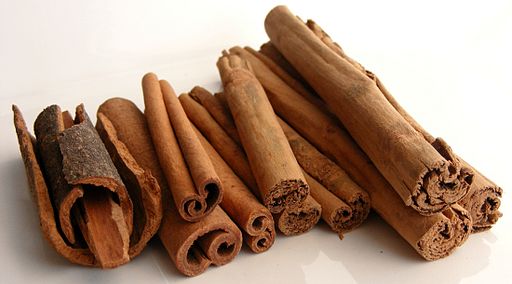
Cinnamon is the name for several plant species in the laurel family (Lauraceae). It is a small tropical evergreen tree with aromatic leaves and bark. The spice, cinnamon, is the bark of the tree which has been shaved, rolled, and dried into the familiar tubes called “quills.”  

cinnamon_1 Creative CommonsThe two most common cinnamon species are “true” or Ceylon cinnamon (Cinnamomum verum) and cassia cinnamon (Cinnamomum aromaticum). “True” cinnamon is grown in Sri Lanka. Cassia cinnamon is grown in Southeast Asia and is the one found in the spice section of your grocery store. The two cinnamons differ in taste and color, with the “true” cinnamon having a more subtle, delicate flavor and a lighter color. It is also more expensive. The picture is a good illustration of the difference between the two cinnamons. The cinnamon on the left is the coarser cassia cinnamon. The…
View original post 820 more words

Herbal Hacks, Part 2: Crafts, Health, and Beauty

The Herb Society of America's avatarThe Herb Society of America Blog

From the calming characteristics of lavender to the practice of pressing plants, our readers find all sorts of ways to add a bit of herbiness to their crafty arts and relaxing rituals. Please enjoy our next installment of reader-submitted herbal hacks–herbs for crafts, health, and beauty.

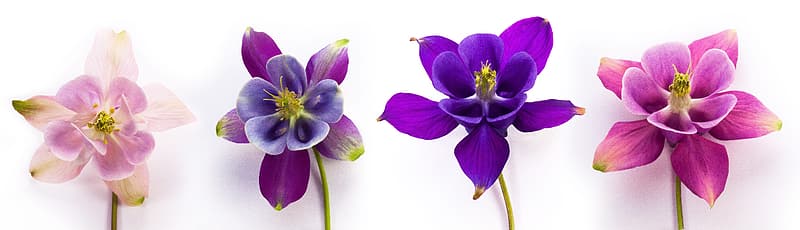
four-assorted-color-petal-flowers_Columbine flowers via Pikrepo

I place a little crystal bowl of lavender buds on my bedside table. It helps me relax and get a good night’s sleep. – Janice Cox

Spray your pillow at night with lavender water for a relaxing sleep. – Kim Labash

If you are unfortunate enough to have an allergic reaction to poison ivy while working in your yard, did you know that jewelweed can help with the itchiness? It usually grows nearby. Just break off a stalk and rub the liquid onto the rash. – Janice Waite

DSC03233I love pressing herbs and flowers in a phone book or microwave press. I use the…

View original post 253 more words

HSA Webinar: Enhancing Brain Health using Natural Botanicals

The Herb Society of America's avatarThe Herb Society of America Blog

Sponsored by The Herb Society of America’s Long Island Unit

by Jen Munson, Education Chair

Nootropics is a trending topic. Nootropics (pronounced noh-a-trop-iks) includes drugs, supplements, and plants that may improve brain function. According to Allied Market Research, a market research and advisory company, brain enhancing supplements made up $3.50 billion in sales in 2017 and is projected to grow to $5.81 billion by 2023. Unfortunately, it’s an industry that is rife with misleading ingredients and marketing.

True nootropics should aid natural cognitive function, support and protect brain function, and be non-toxic to the user. The properties and constituents of nootropic herbs have demonstrated numerous benefits. Using medicinal herbs to enhance brain health is nothing new; in fact, many have been used safely and effectively for thousands of years. 
Some brain boosting herbs can be readily found in the garden. Although rosemary has been symbolically used to represent remembrance, it…

View original post 455 more words

Tamarind – Herb of the Month

The Herb Society of America's avatarThe Herb Society of America Blog

By Maryann Readal

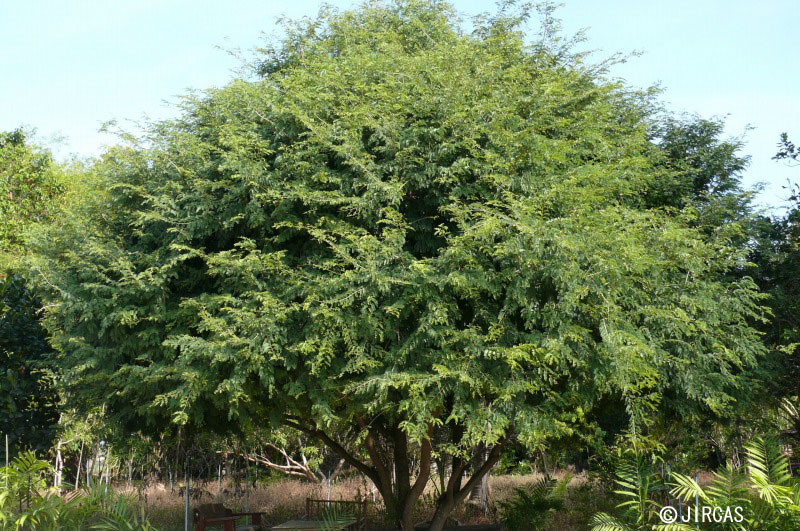
The tamarind tree (Tamarindus indica) is one of many tropical herbal trees. Its leaves, bark, wood, roots, and fruits have many uses. The tamarind tree Tamarindus indicais also an evergreen, long-lived landscape tree, reaching a height of 40 to 60 feet tall and a width of up to 25 feet wide. Its pinnate leaves close up at night. The branches droop to the ground, making it a graceful shade tree. A mature tree can produce up to 350-500 pounds of fruit each year. It is native to tropical Africa and is in the Fabaceae family. 

One of the earliest documented uses of tamarind was found in the Ganges Valley of India, where wood charcoal dating back to 1300 BCE was discovered. Tamarind was mentioned in ancient Indian scriptures as early as 1200 BCE. Arab physicians were reported to be the first to use the fruit pulp…

View original post 1,123 more words