
Sponsored by The Herb Society of America’s Long Island Unit
by Jen Munson, Education Chair
Nootropics is a trending topic. Nootropics (pronounced noh-a-trop-iks) includes drugs, supplements, and plants that may improve brain function. According to Allied Market Research, a market research and advisory company, brain enhancing supplements made up $3.50 billion in sales in 2017 and is projected to grow to $5.81 billion by 2023. Unfortunately, it’s an industry that is rife with misleading ingredients and marketing.
 True nootropics should aid natural cognitive function, support and protect brain function, and be non-toxic to the user. The properties and constituents of nootropic herbs have demonstrated numerous benefits. Using medicinal herbs to enhance brain health is nothing new; in fact, many have been used safely and effectively for thousands of years.
Some brain boosting herbs can be readily found in the garden. Although rosemary has been symbolically used to represent remembrance, it…
View original post 455 more words
 is also an evergreen, long-lived landscape tree, reaching a height of 40 to 60 feet tall and a width of up to 25 feet wide. Its pinnate leaves close up at night. The branches droop to the ground, making it a graceful shade tree. A mature tree can produce up to 350-500 pounds of fruit each year. It is native to tropical Africa and is in the Fabaceae family.
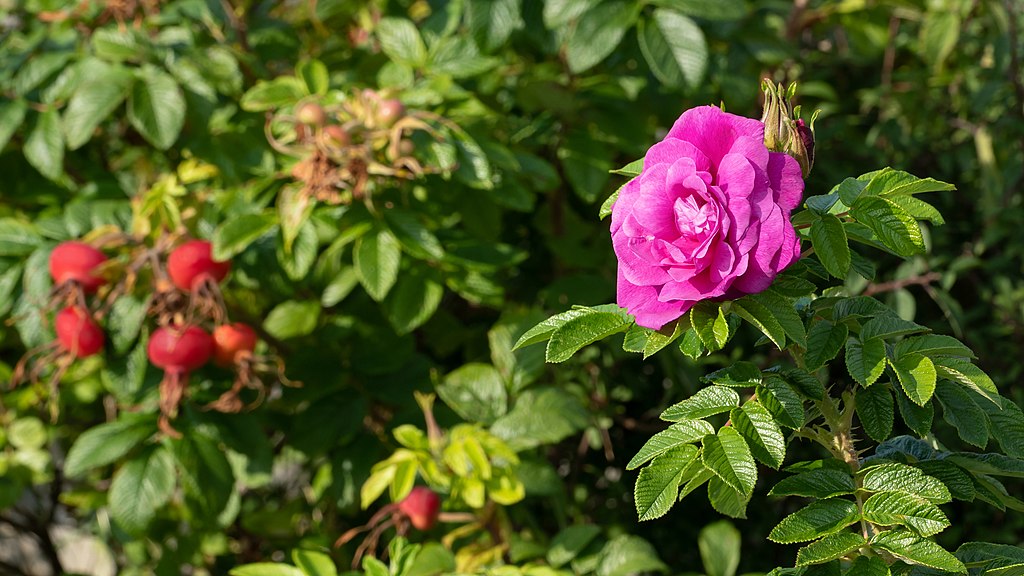 Now, you may be wondering why you should allow your roses to form hips. Here are some good reasons:
 One of the great pleasures of summer is fresh corn on the cob, and one of my least favorite things is the silk that often interferes with that pleasure. But these silky strands can be dried and used as a tea. Corn silk was used…


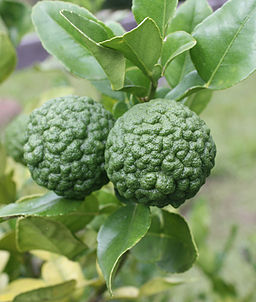 The Herb Society of America’s Herb of the Month for August is the makrut lime,
 While on a volunteer trip in Orlando, Florida, I was desperate for bug spray. In the middle of December, the mosquitoes nibbled on any exposed skin they could find, leaving me and the rest of the unprepared Maryland native participants with patches of red swollen bumps on our ankles and arms. Our guides, a retired couple who volunteers with the state parks, became our heroes on the second day of the trip. During our lunch break, the husband saunters over to us, carrying a branch from a nearby shrub and states, “This is spicebush. Crush its leaves and rub it onto your arms. Keeps the bugs away and helps the itch.” Immediately, we passed the branch around, ripped the leaves off the branch, crumpled them, and rubbed the lemon-peppery scented oil onto our skin.


You must be logged in to post a comment.