Don’t Throw That Away!

The Herb Society of America's avatarThe Herb Society of America Blog

By Angela Magnan

A former roommate once picked on me because I saved the crumbs from the bottom of cracker, chip, and pretzel bags. A few years later, he admitted he was rather impressed with all the different uses I found for them, from incorporating them into quiche crusts and coating fish, to topping casseroles and mixing them into meatballs. So it is not surprising that I am often astounded by the bags of trash that get brought to the curb after my neighbors host summer barbecues. I can’t help but wonder: how much of my neighbors’ food waste could be used for something else?
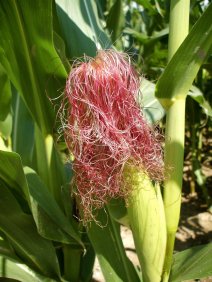
corn silkOne of the great pleasures of summer is fresh corn on the cob, and one of my least favorite things is the silk that often interferes with that pleasure. But these silky strands can be dried and used as a tea. Corn silk was used…

View original post 798 more words
A Weed Lover’s Manifesto

The Herb Society of America's avatarThe Herb Society of America Blog


By Andrea Jackson

I love weeds. There, I said it.  Don’t worry, I do pull them (there’s a reason why they’re called weeds, after all), but I am much more likely to make a tincture or a salve or something good (yes, good) to eat than to discard them completely.

After all, weeds were really the first herbs. Emerson said “weeds are but an unloved flower.” They have also been called a plant out of place. Consider a field of commercial dandelions with a single forlorn rose bush growing in the middle. Now which one is the weed?

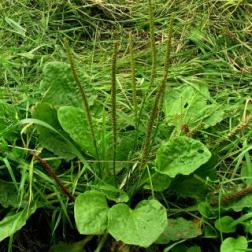
Plantago_major_SZ356869_Freshwater_MCotterill_IWNHASWeeds tell wonderful stories, and as we learn them, they take us on a journey to discover where they came from and how they came to be who they are today. 

For example, there’s the common broadleaf plantain (Plantago major). Broadleaf plantain is everywhere, which is a good thing for…

View original post 584 more words

Nose-Twisting Nasturtiums

The Herb Society of America's avatarThe Herb Society of America Blog

By Susan Belsinger

Bloody Mary1Plant Profile
Family: Tropaeolaceae
Scientific name: Tropaeolum majus
Common names: nasturtium, Indian cress, trophy cress, trophywort
Native Habitat: Peru, parts of South America
Plant Type: Annual
Growth Habit: Dwarf bushy cultivars grow from 8 to 18 inches in height, while the climbers can easily reach 6 to 10 feet, or more.
Hardiness: Hardy in frost-free locations
Light: Best in full sun; can tolerate a few hours of shade, which produces more leaves with fewer flowers
Water: Moist but not wet; will tolerate some drought
Soil: Friable and porous garden loam, well-drained soil; does well in containers
                                                                                   Propagation

View original post 1,243 more words

Makrut Lime – Herb of the Month

The Herb Society of America's avatarThe Herb Society of America Blog

By Maryann Readal

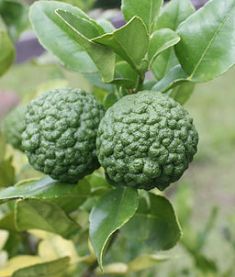
thai lime fruitThe Herb Society of America’s Herb of the Month for August is the makrut lime, Citrus hystrix, a member of the Rutaceae family. This lime is also known as kaffir lime or Thai lime, and also wild lime. You may have spotted it in a produce market or Asian supermarket and wondered what makes it different from an ordinary lime. It certainly looks different, in that it has a gnarly, bumpy skin. The very aromatic leaves are different, too, because they look as though they are two leaves attached to each other. The juice is sour and bitter, and so is not usually used in cooking because it can overwhelm other flavors.
This lime has been widely grown in Asia for so long that it has become naturalized in many countries. Therefore, no one is certain of its origin. It is a staple ingredient in Thai…

View original post 629 more words

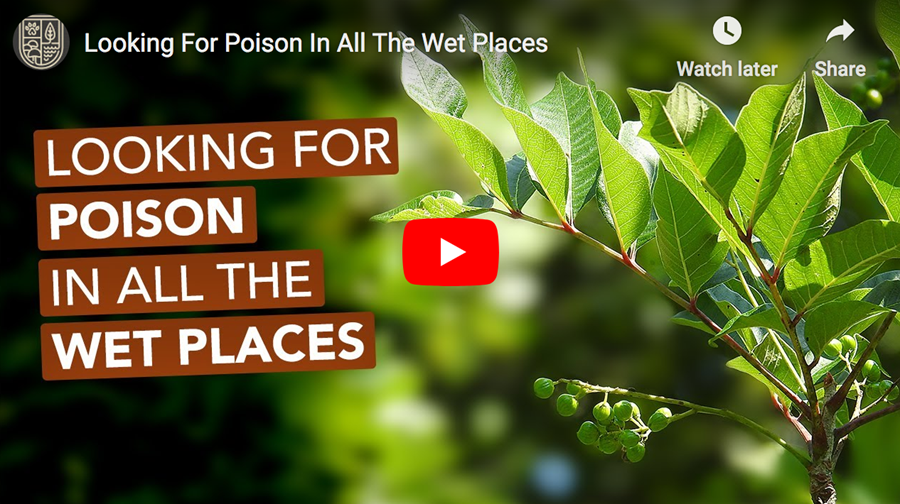
Looking For Poison In All The Wet Places

Greetings,

Swampy wetlands can be unforgiving places during the summer months.  The vegetation is thick, the mosquitoes are hungry, and the lack of tree cover forbids any kind of refuge from the mid-day sun.

Strange as it may seem, I still find myself drawn to these soggy habitats in search of organisms that are not commonly encountered elsewhere.  Wet feet and insect bites are small prices to pay in exchange for opportunities to observe and learn new species.

During a recent trip to one of these remote wetlands in western Pennsylvania, I experienced quite a spectacle: the flowers of swamp rose; the immature fruits of winterberry; and the thread-like stems of dodder intimately engaging with every herbaceous plant in sight.

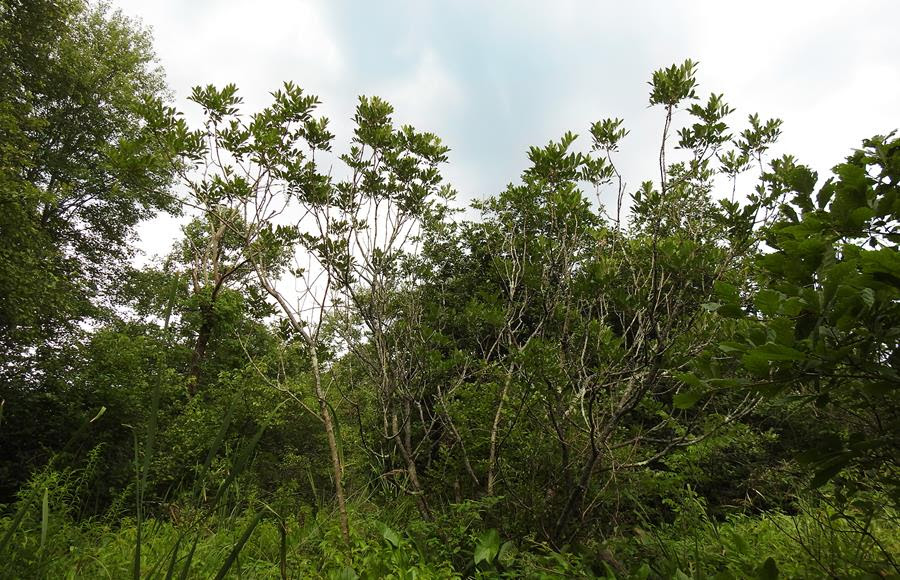
Amongst this activity, I couldn’t help but notice a shrubby plant inhabiting the margins.  Insects were crawling up and down its branches and birds were singing in its canopy, but I knew that any physical contact between the plant and my skin could result in serious consequences.

This plant, which is known as poison sumac, can lead to painful rashes in over 85% of humans.  Susceptible individuals experience symptoms similar to (and reportedly worse than) the reactions caused by poison ivy.

Instead of avoiding the plant, I decided to film a video in which I discuss not only the unique ability of poison sumac to cause skin irritations in humans, but also its ecological value in supporting the health of other organisms.

If you are interested in learning more, check out the new video!

I was a recent guest on the Wild Fed Podcast hosted by Daniel Vitalis.  We covered lots of topics in this interview including plant and fungal interactions, the sustainability of gathering food from the land, the importance of learning non-edible species, and lots more.  You can listen to the conversation here.

Speaking of plant and fungal interactions, did you know that wild blueberries depend on fungi for sustenance?  Without these inter-kingdom relationships, far fewer blueberry shrubs would probably exist.  Check out a recent Instagram post to learn more.

Thanks for reading and watching, and thanks for your continued support!

-Adam Haritan

A Day In the Garden – Urban Moonshine

Crooked Bear Creek Organic Herbs's avatarCrooked Bear Creek Organic Herbs

GO INTO THE GARDEN EVERY DAY, NO MATTER WHAT.

That’s the promise I made at the start of the season. It will be a daily ritual, a practice to keep me in tune with the growth and health of the garden, and a sure way not to miss a bit of garden gossip. Like a bustling city full of honking horns, buses whizzing by, and street conversations half-heard, there is endless activity to observe. Cucumber beetles rapidly working to destroy the cucumber crop. Birds ravishing the cherry tree singing loudly to their friends to join in on the feast. Earthworms patiently turning the soil underfoot. Never a dull moment, but you need to go to the garden every day to keep up.

That has been my biggest lesson gardening this year. If you’re not there to enjoy the first ripe strawberries, the squirrels will be happy to take on that…

View original post 1,040 more words

Amazing Anise Hyssop

The Herb Society of America's avatarThe Herb Society of America Blog

By Susan Belsinger

Agastache foeniculum

——————–Agastache foeniculum——————-

While commonly called anise hyssop, the odor is more similar to French tarragon, though sweeter, with a hint of basil. The foliage and flowers taste similar to the aroma—sweet, with the licorice of tarragon and basil—and just a bit floral.

All of the thirty or so Agastache species are good for honey production and make great ornamental perennials. The flowering plants go well with the silver-leaved species of mountain mint (Pycnanthemum), which flower about the same time in the July garden and also provide good bee forage. The young, broad, dark green leaves of A. foeniculum, tinged purple in cool weather, are attractive with spring bulbs such as yellow daffodils.

Agastache species do not have GRAS status, even though the leaves of many species have been used for centuries as a substitute for French tarragon, infused in syrups…

View original post 827 more words

Cooking with Monarda

The Herb Society of America's avatarThe Herb Society of America Blog

By Susan Belsinger

(Blogmaster’s note: With Monarda currently in its full glory here in zone 7, we’re posting this recipe so you can take advantage of its unique flavors while it’s still in bloom. Serve these tasty treats at your next summer celebration!)

—————————–Monarda didyma—————————-

Monarda (commonly called bee balm or bergamot) is a native American herb named after a Spanish physician and botanist, N. Monardez, of Seville. Its unusual and ornamental flowers possess a distinctly architectural character with their rather bristly, shaggy-headed colorful appearance. All species attract bees and are good honey plants. Right now, my stands of the various bee balms are abuzz with activity from dawn until dusk. The twelve species of Monarda, all native to North America, offer a wide assortment of flavors and fragrances—from lemon to thyme to pungent oregano to tealike and rose—produced on annual or perennial plants. So sniff and…

View original post 998 more words

It’s A Lavender Season! Lavender Association of Colorado

Crooked Bear Creek Organic Herbs's avatarCrooked Bear Creek Organic Herbs

The cultivar of the Month

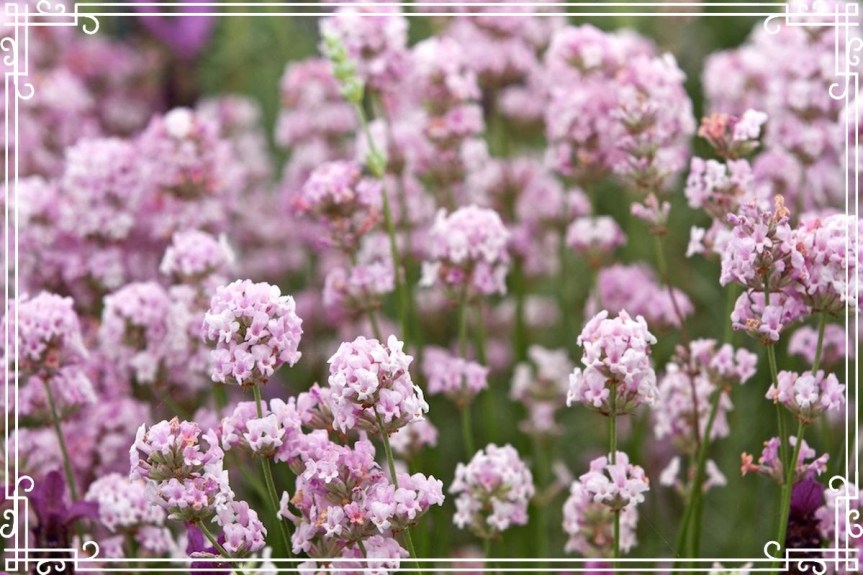
Lavender coloradoJune 2020 Cultivar of the Month
Lavandula angustifolia ‘Hidcote Pink’

Hidcote Pink is another versatile lavender grown in Colorado.  It is an excellent culinary variety.  It produces an exceptionally sweet oil that several growers use in conjunction with other lavender essential oils to make unique blends.  Planted with purple lavenders, the pink flowers make the purple flowers “pop” in the landscape.
Hidcote Pink is not really good for crafting as in drying it loses its pink color and dries to a brown.
Hidcote Pink plants are 30-40″ tall.  Stems are in the 6-10″ range.  Spacing the plants 36″ apart should allow them to remain separate over the years.
Hidcote Pink was developed by Major Lawrence Johnston in Gloucester, England, and became available around 1958.  It is hardy in zones 5-9.  It blooms once in the spring.

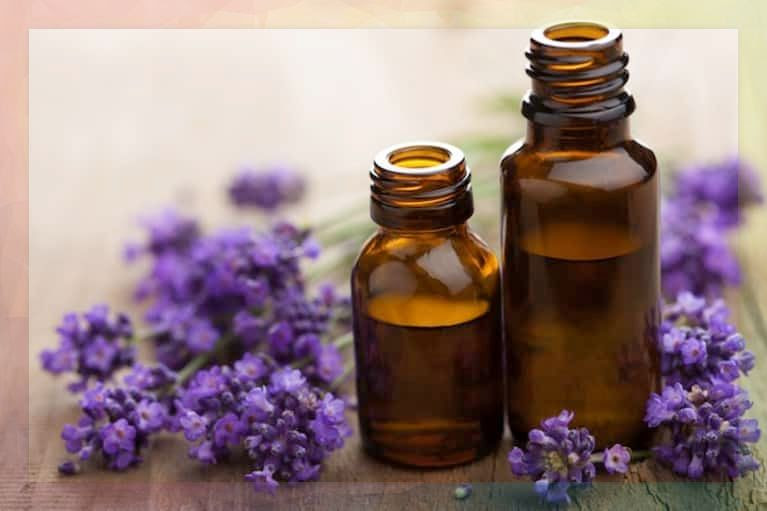
lavender dilution

Dilution The Key To Using Essential Oils Safely

We…

View original post 739 more words

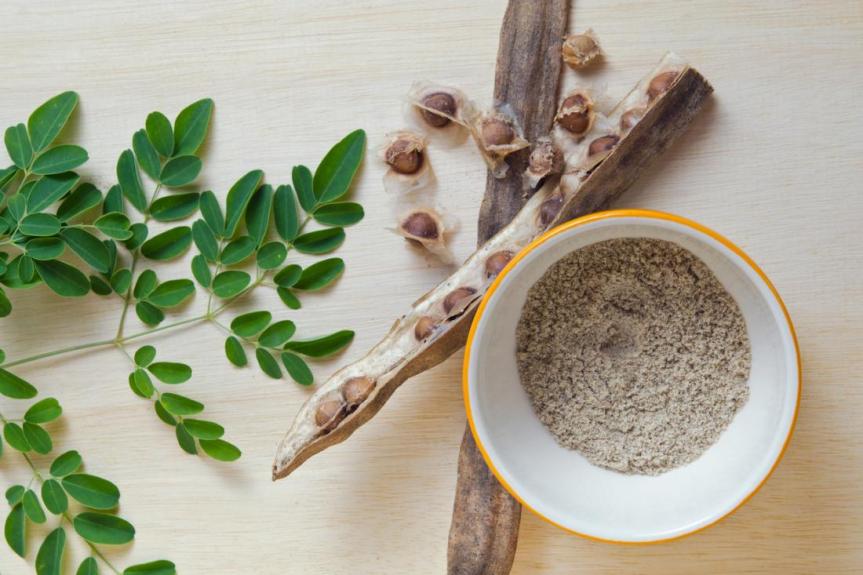
Food as Medicine: Moringa (Moringa oleifera, Moringaceae)

Crooked Bear Creek Organic Herbs's avatarCrooked Bear Creek Organic Herbs

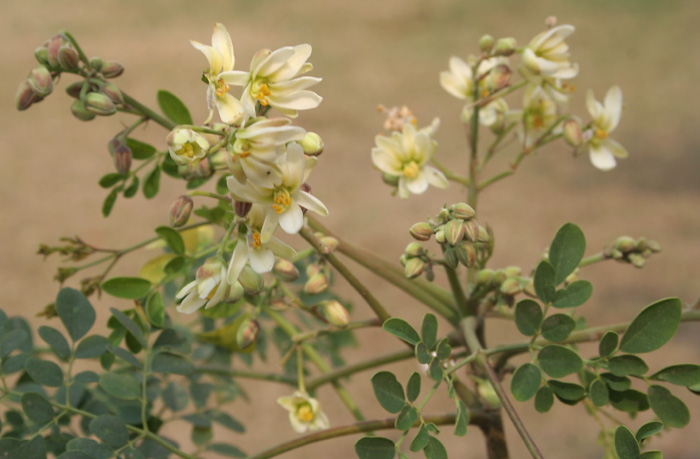
Moringa oleifera is one of the 12 known Moringa species in the horseradish tree family (Moringaceae) that flourish in drier parts of the world.1 Nine species occur in eastern Ethiopia, northern Kenya, and Somalia, of which eight moringa flowersare endemic to Africa, and three species occur in India.1,2 Belonging to the Brassicales order, this plant family is distantly related to cruciferous vegetables like arugula (Eruca vesicaria ssp. sativa, Brassicaceae) and broccoli (Brassica oleracea var. italica, Brassicaceae) and contains many of the same nutrients and sulfurous phytochemicals.1,3 Moringa species grow as stout-stemmed trees or shrubs. Some species are known as bottle trees and have a large root system that enhances water storage and aids the trees’ survival during periods of drought.1 Members of the Moringa genus have corky gray bark and distinct bi- or tri-pinnately compound leaves that have conspicuous swellings, or pulvini, at…

View original post 4,254 more words