I write fiction, non-fiction, verbiage for all our websites, and have been publishing my fan fiction on my various sites for many years. https://paulacas.com
I am a Spiritual Medium and use Tarot cards as one my primary tools in doing readings. For 30 plus years have been doing readings in settings from my living room to truck stops. I tell you what Spirit wants you know for your betterment, not what you think you need to know.
I’ve worked on computers since before there was such a creature as Windows.
A Mountain Maryland native, but have spent years spent living in Oklahoma, Colorado, Texas, Oregon, California, Nevada, and Arizona. My husband, Oro Cas, and I spent 10 years driving tractor-trailer across the 48 contiguous states.
Oro Cas and I produced and hosted Internet Radio shows on BlogTalk Radio, video productions on KDCL Media and Oro Expeditions YouTube Channels.
In the next few months, the forest that I grew up in is going be cut and torn up to put in a septic line. A 40-60 feet path, at minimum, will rip a tear through the heart of it. This is the forest where I grew up, where my parents and I have created a refugia garden, a wildlife sanctuary, and native woodland plant sanctuary. It is just heartbreaking to tend land carefully, only now, to have this awful thing happen that we have failed to stop. This is the forest that taught me so many of these lessons of land healing. The forest had just gotten to a point where it was once again vibrant, where the ramps started to creep back in, and the mature forest trees now stand, growing above the stumps that have rotted away. I feel powerless, knowing…
The intoxicating fragrance of jasmine on a warm summer’s night, the alluring hues of wild roses, borage and calendula, and the juicy sweetness of a fully ripe peach are all part of nature’s divine craft of seduction. They entice us through our senses to do their bidding. With each pluck, nibble, and inhale, they’ve lured us to spread their seeds, replant their roots, and release their pollen to keep alive their cycle of reproduction.
We invite you to further lavish yourself in nature’s pleasures through these sumptuous recipes. Access your most flirtatious self through our Kissable Beet Root Lip & Cheek Stain; awaken your sensuality with Damiana-laced Rosewater Truffles, and relax into bliss with our Stay Supple Bath Soak recipe.
Take pleasure in working with your hands as you craft these delights and relish in the joy of spreading this plant love.
Here we are in the thick of Valentines week. This could either be a wonderful time for you, a painful time… or perhaps means nothing at all. As per last years post….Valentines doesn’t really do it for me. Since we are on the topic of love, I thought I would dive into a little word…Continue…
Emotional balance and emotional intelligence are two common terms we hear these days, a simple google search returns hundreds of articles written about how to be a more emotionally intelligent person. It’s no surprise that we’re searching for answers, even the most intelligent, well-adjusted person experiences periods of emotional turmoil. Our moods are like the weather, ever-changing and sometimes unpredictable. We can’t avoid emotions, nor would our lives be satisfying if we did, but we can learn how to let them be a part of our lives without running them.
The path towards emotional balance is as simple as it is difficult, a lifelong journey of discovery. As you practice being with your moods instead of being ruled by them, remember the old adage – this too will pass. That reminder is important with both difficult and enjoyable moods, no matter what you’re feeling it will eventually change. That simple…
Sometimes, spirit offers you a call and its a call that can’t be ignored. Part of the reason I write so much about working physically and energetically with land healing on this blog is that its clear to me now that a large part of my call is in this direction. When I was a child, it was the logging of my forest–and my eventual return to that forest years later. At my first homestead, I had to spend years working to connect with the spirits of the land and heal the land physically. When I found the current land where I live, everything was perfect about it in terms of features I wanted–except that three acres had been logged pretty heavily. I put my head and my hands and cried–how did I find a perfect piece of land that just had been logged? The spirits laughed and said…
Tonight at 11:33 pm PST and tomorrow, February 9th at 2:33 am EST we have our Full Moon in Leo. This Moon is known as the Snow Moon as it is the time of year that we can get our biggest snowfalls. Leo is also the Moon of children and creation and this is a time where you may experience the unexpected.
The Full Moon teaches us to work in cycles to allow old growth to be moved out of the way so that we can make space for the new ~ a releasing. Maybe you don’t need to make anything happen right now.
Leo Full Moons present us with a powerful time to see our relationships, our world, and ourselves more in light of how they actually are than how we would like them to be. Take time to return inward to gather your fire and creativity. It will give you the…
The Sage moon is a full moon all about cleansing and purifying as we approach a new season. While we are transitioning into a new season this is always a great time to reset your energy. The best way to do this is to realign and cleanse your chakras the energy centers along your spine that the create the rainbow of frequencies and colors and auras within your field.
This ceremony is a two-step process and can take 2-3 days to complete but the Full Moon energy can be felt within a 3 day period- The day before the Full moon and the day after the Full moon, so we got you covered!
Happy Friday and a warm welcome to the weekend! I hope everyone has had a great week thus far. We’ve got a full moon coming up on Sunday. Full moon energy, a magnificent feeling and even when you cannot see her in the sky you can feel her. Of all the lunar phases, the full…Continue…
The urge to muck about and create plant habitat goes hand-in-hand with the urge to grow more and more species of plants that need individualized growing conditions. As your species list increases, you will probably feel motivated to prepare specific plant habitats. After all, making your plants happy is a way to spread a groundcover of happiness into yourself.
RICHO CECH
Bugle (Ajuga reptans)
Living groundcovers can be of great benefit to the garden and the gardener. The best ones are evergreen or at least remain trim and green for most of the year: pleasing to the eye, softening the edges of the landscape around pathways, beds and walls; discouraging weeds; preventing erosion; conserving water and nutrients, these are the many attributes of the groundcover. Classic examples are: the Roman Chamomile lawn that dresses rich soils in full sun; Corsican Mint or Creeping Thyme grown on rocks, over steps or between stepping stones; Rupturewort grown over rock, gravel and scree; European Speedwell or Brahmi growing in muck at the margins of the pond; Bugle or Self-Heal grown in loose mulch under trees in acidic woodlands or in moist, open meadows. An added benefit is that each of these and other groundcovers also has medicinal use, uses as diverse as their preferred environmental niche, uses as diverse as the gardeners that choose to live with these groundcover allies. This article will give an overview of herbal groundcovers and how to get them established, including a few notes on their medicinal uses and preferred habitats.
Site preparation and planting. A good groundcover can be achieved only if the slate is wiped clean. A monotypic stand cannot be achieved by sprinkling seeds into an existing lawn, grasses or weeds. These must be removed prior to the planting of the groundcover. Various options exist, but the general plan is to grub out the weeds and prepare a new seedbed, either by working the existing ground or by bringing in soil, sand, compost, pumice, coir and/or peat. Although gardeners sometimes have success with direct-seeding groundcovers into a prepared seedbed, the reality is that more control gives more results. Most groundcover species have very small, sometimes dust-like seeds, and in most cases it works better to start the plants indoors and transplant young bare-rooted or potted groundcover plants into the receptive soil. A six-inch spacing is usually very effective–the groundcover will root in, spread and interlock.
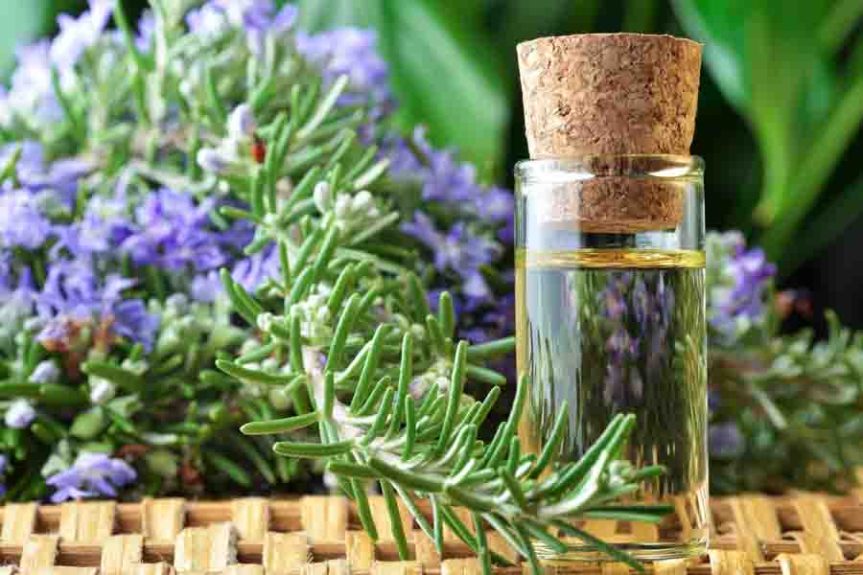
You have probably heard that St. John’s wort oil is incredible for muscle aches and pains, but did you know that rosemary-infused oil can also work wonders? Not everyone has access to fresh St. John’s wort when it’s flowering at just the right stage for making oil, but most people have access to rosemary. Even if you don’t grow it, you can find it in the spice or produce aisle at your local grocer. It won’t turn the oil that brilliant red color, but it will be effective! Let’s talk about how to make a rosemary oil that can really work.
To make your rosemary oil, you’ll want to first dry your rosemary. Strip the leaves from the stems and lay them out on a drying rack or towel-lined cookie sheet. Allow them to air dry until they feel brittle and will break easily when you try to bend them…


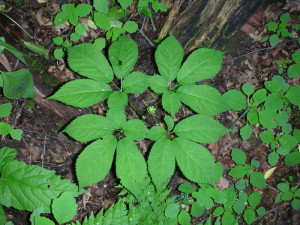 American ginseng in our sanctuary







You must be logged in to post a comment.