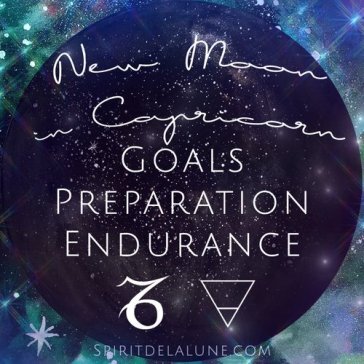
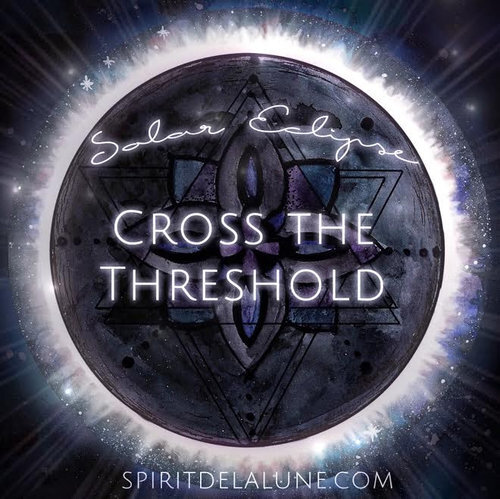
This is our final new moon of the year and it is opening a very eventful new cycle for us. This new moon brings with it great opportunities for change and transformation. Not only is this a new moon, it is also a Solar Eclipse!
During this cycle we will see the Winter Solstice and on the same day, the Great conjunction of Jupiter and Saturn that will shift humanity into a new stage of evolution.
You might not be able to see the eclipse, but you will feel it. You won’t want to forget setting an intention on the new moon!
The moon turns new on the 14th of December in the sign of Sagittarius and Capricorn. It spends a bit of time in each for this new moon eclipse.
Read original article at: Spirit de la Lune ~ New Moon in Capricorn Lunar Energy Report

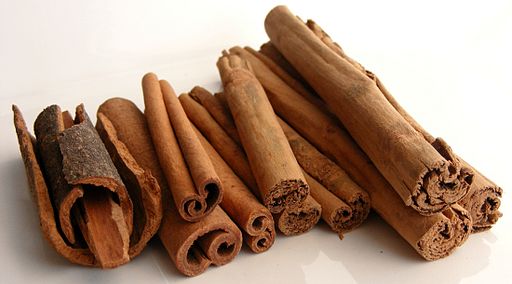 The two most common cinnamon species are “true” or Ceylon cinnamon (
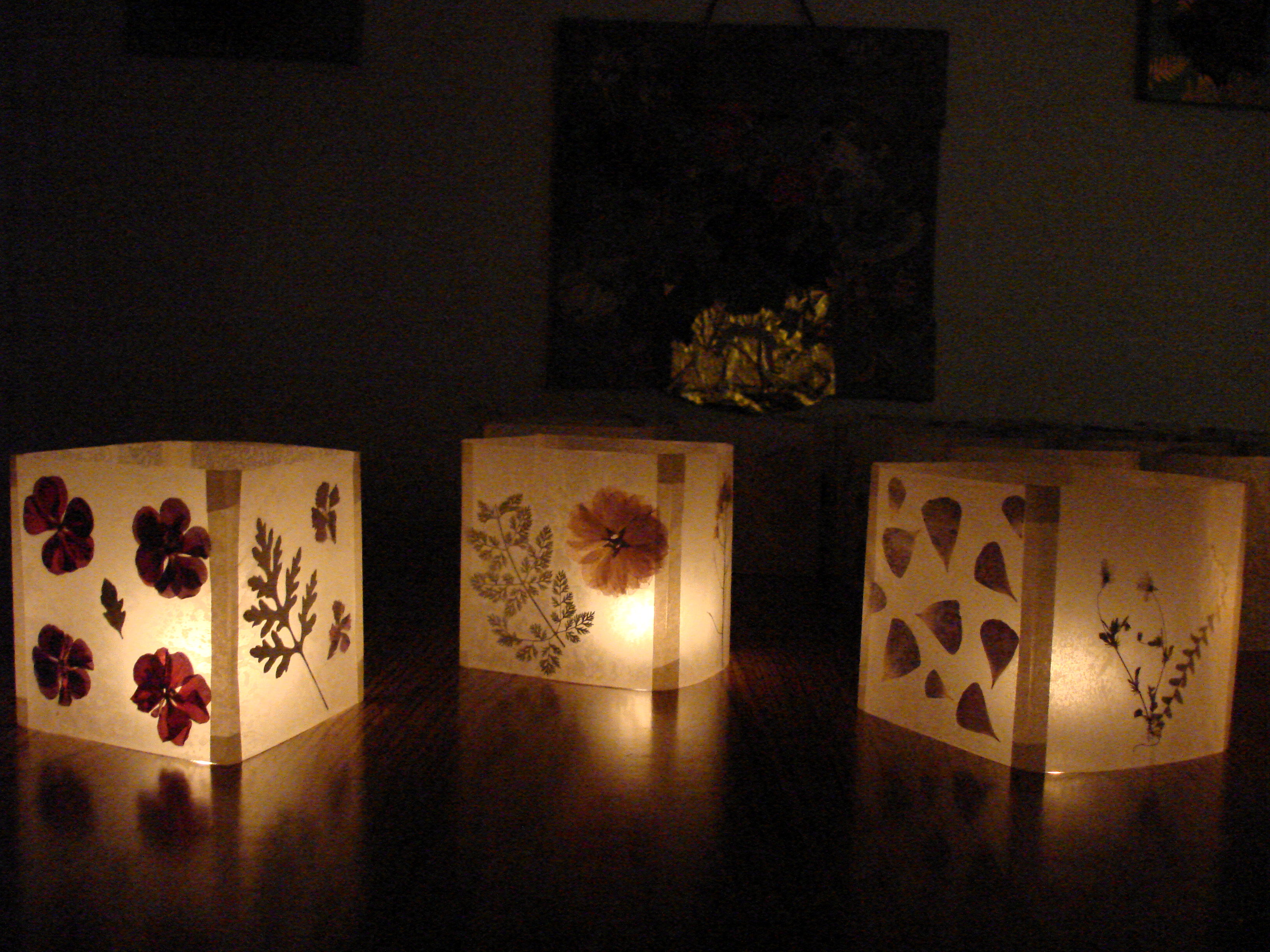 I love pressing herbs and flowers in a phone book or microwave press. I use the…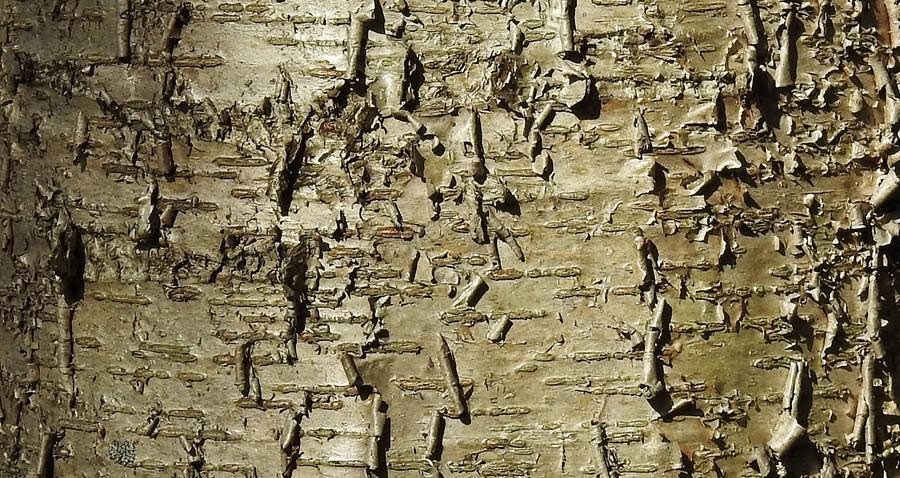


 After watching a video online about making paper from corn husks, I thought it would be fun to try. I had never made paper before, but the video made it look easy. Don’t they always?! I first made some using the husks from six ears. After it didn’t really go well, I bought a book with more detail and tried again.
 second only to water in most consumed beverages (DeWitt, 2000). I, myself, have become a tea drinker over the years, and as a plant nerd, I wanted to know more about how the tea leaves were farmed. What I ended up learning is that while tea (Camellia sinensis) is by far the most well known and widely used product of the genus Camellia, it is by no means its only contribution to the herbal marketplace.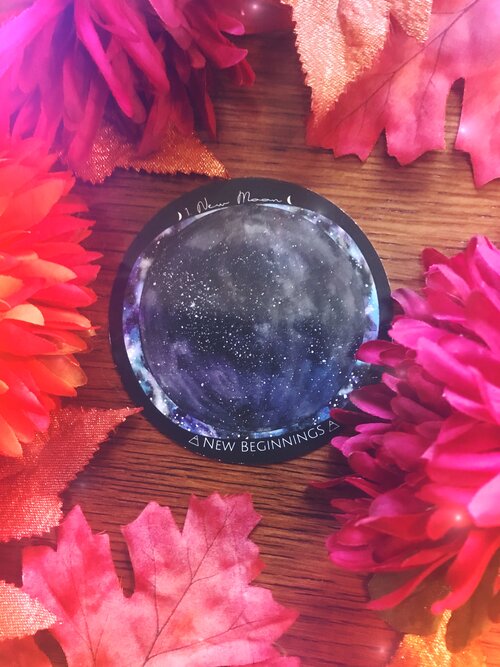


You must be logged in to post a comment.