Old Growth Red Pine — An Uncommon Sight

Among the common, the uncommon exists.  Learning the uncommon among the common helps us see in new ways what has been in front of us all along.

Take red pine, for instance. 

Where I live in western Pennsylvania, red pine (Pinus resinosa) is a common sight.  Many county and state parks contain large tracts of land that host nothing but red pine plantations.  These plantations, believe it or not, are considered by fundamentalists to be “ecological deserts” — a category that also includes parking lots and golf courses.

Red pine, it seems, can’t catch a break.  Because of the bias against its ubiquity and against its purported ecological disservice, it’s no wonder that people rarely take any time to marvel underneath a red pine tree.

But there is something that we should know about red pine.  Among the common, the uncommon exists.

Red pine is not common in every context.  To provide two examples — “natural” stands of red pine are quite uncommon in my home state of Pennsylvania, and across the entire range of red pine, old growth red pine forests occupy less than 1% of their original range. 

What’s more, old growth red pine forests are far from ecological deserts.  Researchers consider these forests to be critical for maintaining biodiversity at stand and landscape levels.

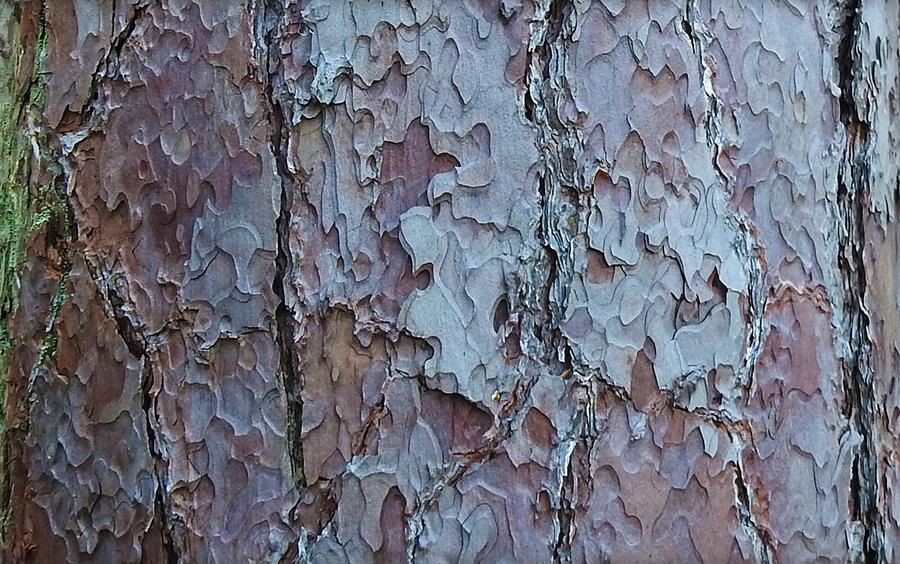
To gain some insight on the matter, I decided to visit a “natural” stand of red pine.  Not too surprisingly, I did not discover an ecological desert.  Instead, I encountered a diverse ecosystem containing red pines that were approximately 250 years old and approaching old growth status.

If you are interested in learning the uncommon among the commoncheck out the brand new video!

Speaking of uncommon (or very common, depending on where you live), I recently encountered this melanistic eastern gray squirrel foraging for acorns.  The presence of melanism across the range of gray squirrels is really low (less than 1%).  In some areas, though, it can be higher than 50%.  To learn more about black squirrels, check out the latest Instagram post!Click to view post

Thanks for reading and watching, and thanks for your continued support!

-Adam Haritan

Carob – Herb of the Month

The Herb Society of America's avatarThe Herb Society of America Blog

by Maryann Readal

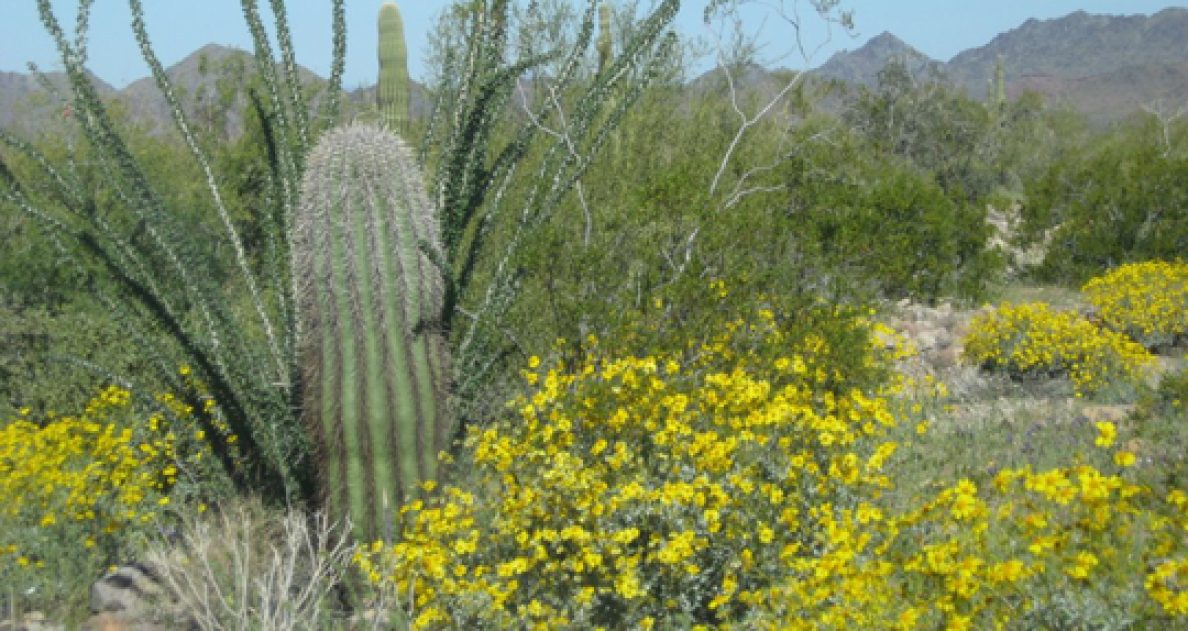
Minolta DSCHave you heard of St. John’s bread or locust bean? These are all names for the carob tree, Ceratonia siliqua. This herbal tree is a native of the Mediterranean region and is also grown in East Africa, India, Australia, and California. It can grow in USDA Plant Hardiness Zones 9-11 – places with dry, Mediterranean-type climates. Carob is disease and pest resistant, tolerates dry, poor, rocky soils, and is drought tolerant due to a very deep taproot (125 feet) that enables the tree to survive in arid climates. It is in the pea family (Fabaceae), and like other members of this family it fixes nitrogen, improving the fertility of the soil in which it is planted.

Carob is a multi-stemmed, evergreen tree that can reach 50 feet high and 50 feet wide, and its broad, dark green leaves make it a good shade tree. It is…

View original post 1,091 more words

A 21st Century Wheel of the Year: Release at Samhain

Dana's avatarThe Druid's Garden

Samhain.  The time of no time, the time of the ancestors, the time of the wild hunt. The time when darkness blankets the land, the frost covers the landscape, and many things die. Here in the hemisphere, this signals the end of the fall months and the beginning of the long and dark cold of the winter. I always feel like Samhain is when we get our first hard frost. The first frost cuts through the land, tearing through tender annuals like tomatoes and basil, freezing the tips of the last of the aster and goldenrod, and hastening the annual dropping of the leaves.  It leaves a wake of brown and death in its stead, and signals clearly that summer is over and winter is soon to come.

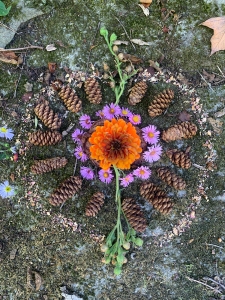
Nature Mandala

In my first post on this series (Receptivity at the Fall Equinox), I made the case that the…

View original post 2,234 more words

How to Let Go

The Glass Floor and Ceiling

Nasty Plants and the Reasons to Love Them

The Herb Society of America's avatarThe Herb Society of America Blog

by Erin Holden

Scrunched up faces. Tongues sticking out. Sounds of choking and disgust. Unfortunately this is the usual reaction when I’m finally able to coax someone into trying medicinal herbs. When we move past the more pleasant plants like lavender, chamomile, and peppermint and delve into the deeper waters of herbal medicine, not everything is so user-friendly. Many plants taste bitter, smell like old socks, or even feel slimy. But often, it’s these same nasty characteristics that provide the therapeutic benefits we’re looking for. Let’s take a look at a few plants and see what makes them so “nasty” as well as useful.

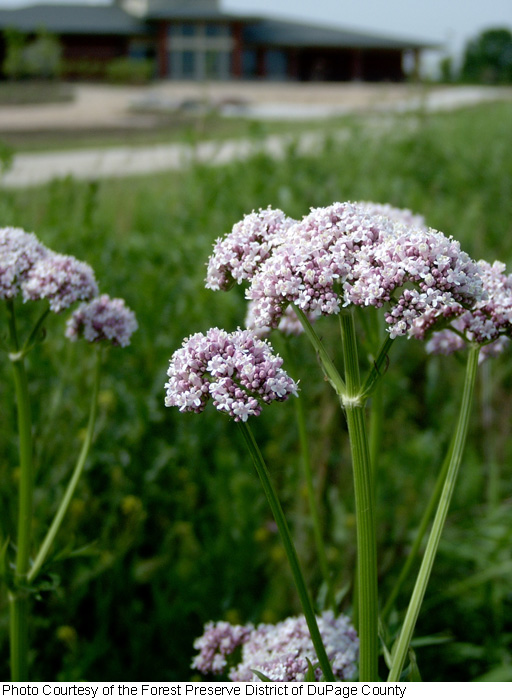
Valerian (Valeriana officinalis)
Many people may be familiar with the distinctive aroma of valerian root; old socks, wet dog, and horse manure are just a few things to which the odor has been affectionately compared. In fact, the constituent responsible for the smell, valeric…
View original post 960 more words

Self Esteem

Druid Tree Workings: Intuitive Tree Sigils and Tree Sigil Magic

Dana's avatarThe Druid's Garden

Nature provides incredible opportunities for us to work with her magic, through symbolism, sacred geometry, and meditation.  Today, I wanted to share a technique I’ve been developing for land healing purposes–tree sigil work.

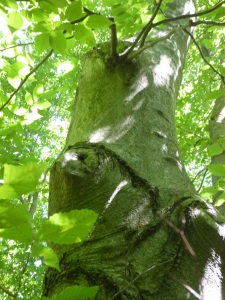
beech tree rising up with interesting patterns A potential tree to work with for tree sigils

Sigils have many different purposes.  In classic Western Occultism, some of the most well-known sigils are found in the Lesser Key of Solomon and are used to identify and evoke a particular spirit or entity. Another more recent use of sigils is through the practice of Chaos magic, where sigils are often used to set an intention and use the image to focus on that intention.  I covered bardic intuitive sigils some time ago on this blog; this use is in line more with the second intention. Sigils can be meditated upon, carved into wood or stone, energized and blessed, burned or buried, or placed in key areas…

View original post 1,301 more words

Live Life Like a Myth

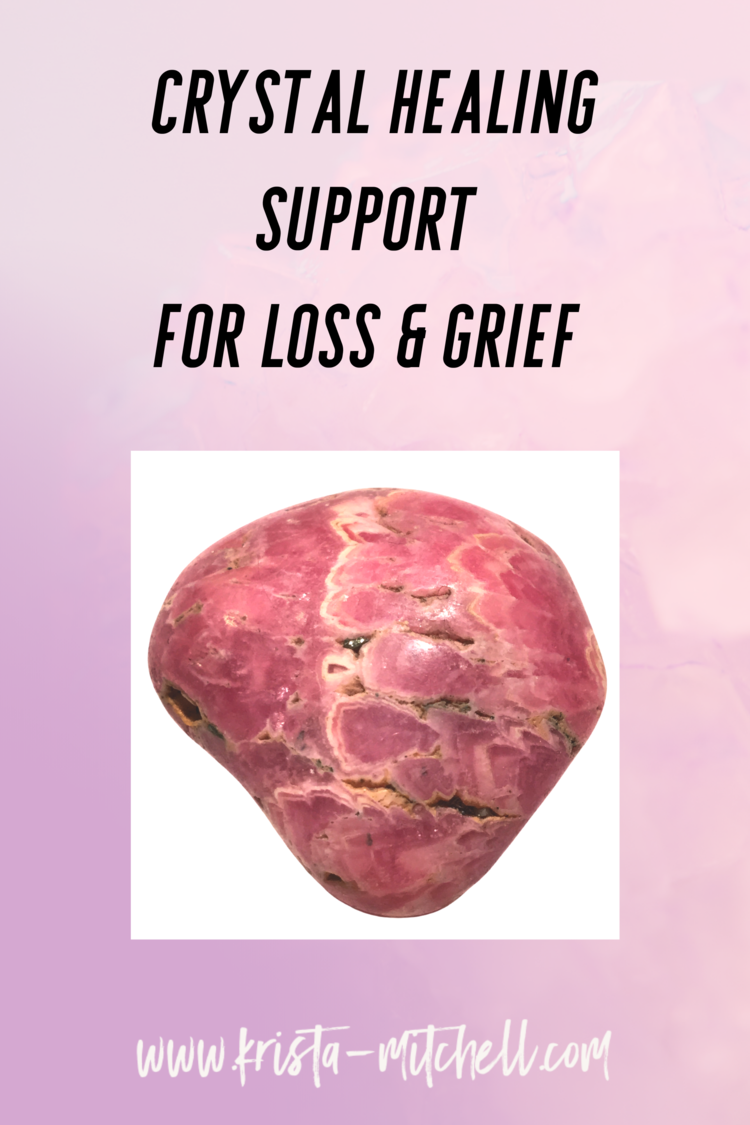
CRYSTAL HEALING SUPPORT FOR LOSS & GRIEF

I lost a very dear friend a couple of weeks ago – my oldest and dearest friend.

For a child who was often bullied, abused, and rejected, her friendship was a safe haven and great blessing that was so deeply needed and cherished by me.

We’d been friends since the age of 13, and she was the one who first drew me onto the spiritual path and opened my mind and heart to mysticism.

There are kindred souls who weave themselves inextricably into the fabric of our lives – they join us on our path, and no matter how far some may stray, they never leave us.

Until they do.

I know many of us have lost people in the past year, and many more are carrying a sense of grief from all that has happened, and continues to happen, in this world.

In many ways grief in such a tender and sacred thing. We carry it with us like a fragile egg that breaks over and over again with a deep in-welling, and then outpouring, of pain and emotion.

Read original article at: Krista Mitchell ~ Crystal Healing Support for Loss & Grief