

From the calming characteristics of lavender to the practice of pressing plants, our readers find all sorts of ways to add a bit of herbiness to their crafty arts and relaxing rituals. Please enjoy our next installment of reader-submitted herbal hacks–herbs for crafts, health, and beauty.

I place a little crystal bowl of lavender buds on my bedside table. It helps me relax and get a good night’s sleep. – Janice Cox
Spray your pillow at night with lavender water for a relaxing sleep. – Kim Labash
If you are unfortunate enough to have an allergic reaction to poison ivy while working in your yard, did you know that jewelweed can help with the itchiness? It usually grows nearby. Just break off a stalk and rub the liquid onto the rash. – Janice Waite
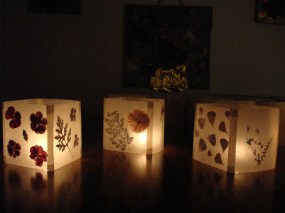 I love pressing herbs and flowers in a phone book or microwave press. I use the…
View original post 253 more words


 After watching a video online about making paper from corn husks, I thought it would be fun to try. I had never made paper before, but the video made it look easy. Don’t they always?! I first made some using the husks from six ears. After it didn’t really go well, I bought a book with more detail and tried again.
 second only to water in most consumed beverages (DeWitt, 2000). I, myself, have become a tea drinker over the years, and as a plant nerd, I wanted to know more about how the tea leaves were farmed. What I ended up learning is that while tea (Camellia sinensis) is by far the most well known and widely used product of the genus Camellia, it is by no means its only contribution to the herbal marketplace.


 True nootropics should aid natural cognitive function, support and protect brain function, and be non-toxic to the user. The properties and constituents of nootropic herbs have demonstrated numerous benefits. Using medicinal herbs to enhance brain health is nothing new; in fact, many have been used safely and effectively for thousands of years.
 Paths I Walk
You must be logged in to post a comment.