Month: March 2018
Dandelion, A Common Garden Herb
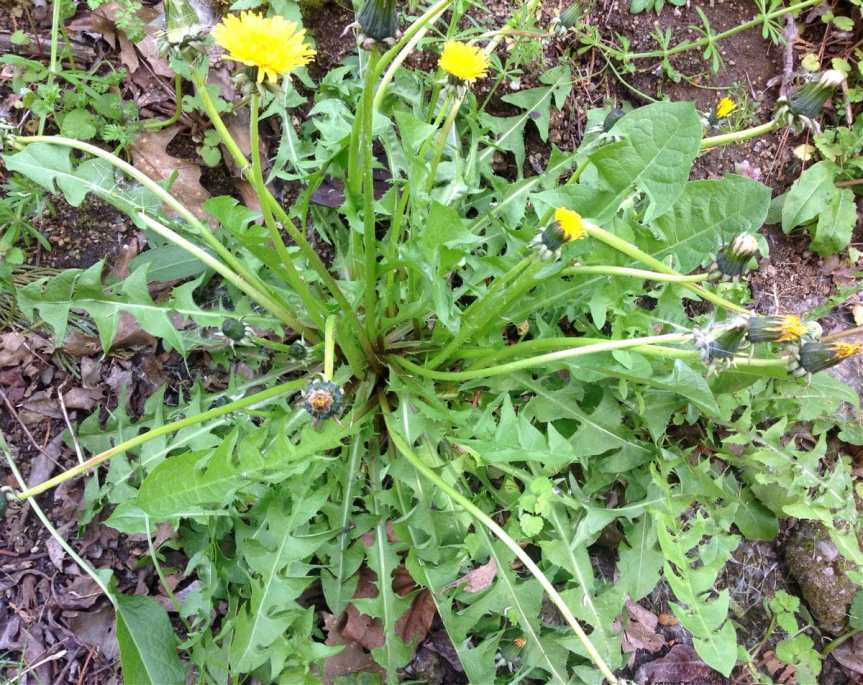
I make a wilted dandelion greens dish that’s fantastic after a long winter. Get the leaves young for eating. The older leaves are bitter.

Taraxacum officinale
Also, Known As:
- Blow Ball
- Cankerwort
- Dandelion
- Lion’s Tooth
- Pissabed
- Priest’s-crown
- Puff Ball
- Pu Gong Ying
- Pu-kung-ying
- Swine Snout
- Telltime
- White Endive
- Wild Endive
The dandelion is a common garden herb, with easily recognized flowers. During the spring season, the leaves and the root of the dandelion begin to produce mannitol, which is a substance utilized in the treatment of conditions such as hypertension and a weakened heart in continental Europe – where it is often prescribed by herbalist for patients with these conditions. A herbal dandelion tea made using the roots and the leaves of the herb are good to take from about the mid of March to about mid-May in the treatment of such conditions. Prepare the herbal dandelion tea in this way, first, boil a quart of water in a pot, slowly reduce the heat and then add 2 tbsp. of cleaned and chopped fresh…
View original post 2,664 more words
Deadly Nightshade VS Bittersweet Nightshade
Sustainable Wild Collection Protects People, Plants, and Animals
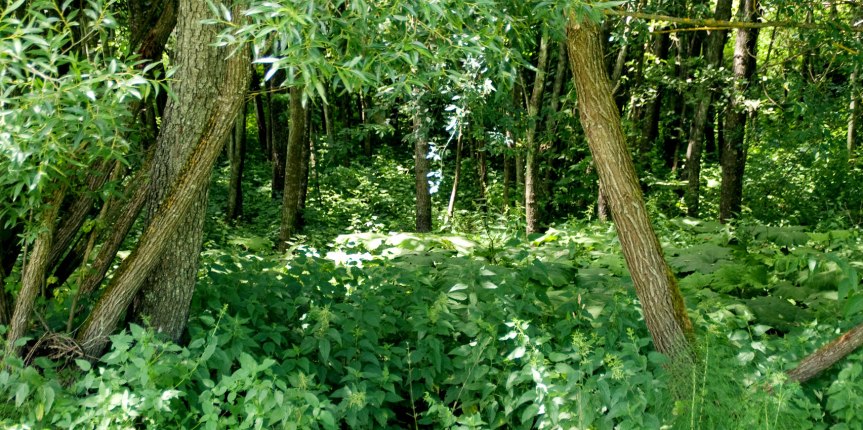
Chances are, you’re deeply connected with wild plants and don’t even realize it.
All of us in countless ways, whether we recognize it or not, are deeply connected to wild collecting.
Wild plants, as the term suggests, aren’t grown on farms. Instead, they’re collected in meadows, forests and deserts. Since ancient times, they’ve served as natural and essential ingredients in foods, fibers, dyes, cosmetics and traditional medicines.
Consider the açai berries in your super smoothie. They’re wild collected in the Brazilian Amazon. The pure maple syrup you save for special breakfasts most likely comes from the forests of Canada or the northern regions of the United States. The candelilla wax in your favorite skin care products originates in the deserts of northern Mexico. The licorice root used in candies and lozenges could be wild collected in many places — Afghanistan, Kazakhstan, Pakistan, Turkmenistan or Uzbekistan. And at Wildwood Enterprises, more…
View original post 3,466 more words
Wild Foods and Foraging
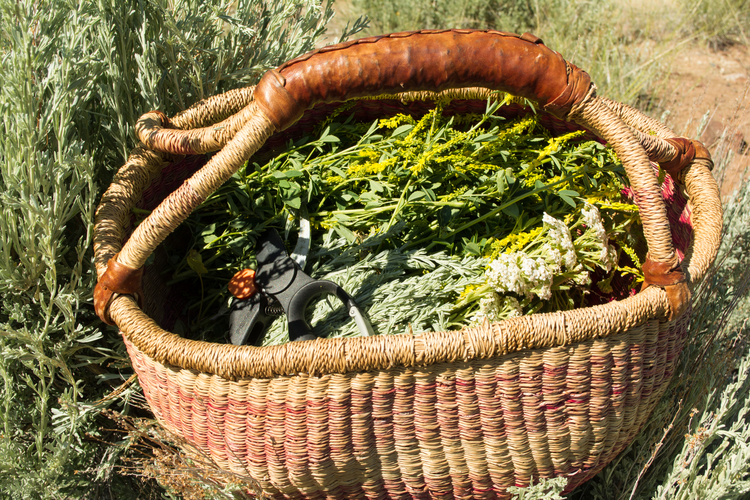
It’s all rainy days, low slung clouds, and rain on tin-roofs around the Gunnison Valley these days—a much needed, thirst-quenching storm has arrived and settled in. A perfect excuse for warm coffee, bouquets of flowers on the table, and a book, of course.
It’s also a great time to get well-versed in the foraging dos and don’ts. There is plenty to learn in the way of safety, sustainability, legalities, terms, and botany in the world of foraging, and its best to have at least a cursory grasp on these things before heading out, wicker basket and clippers in hand.
Today, a word on foraging safety, considerations, and a note on common poisonous plants to the mountain states. All of which, can be found in Briana’s new book Mountain States Foraging, a guidebook to wild edibles in the mountain west.
Foraging for Briana has been a lifeline to a wild…
View original post 584 more words
Elderberry’s | Colorado School of Clinical Herbalism
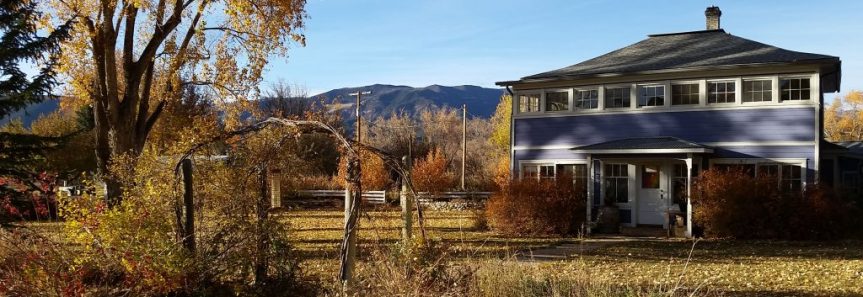
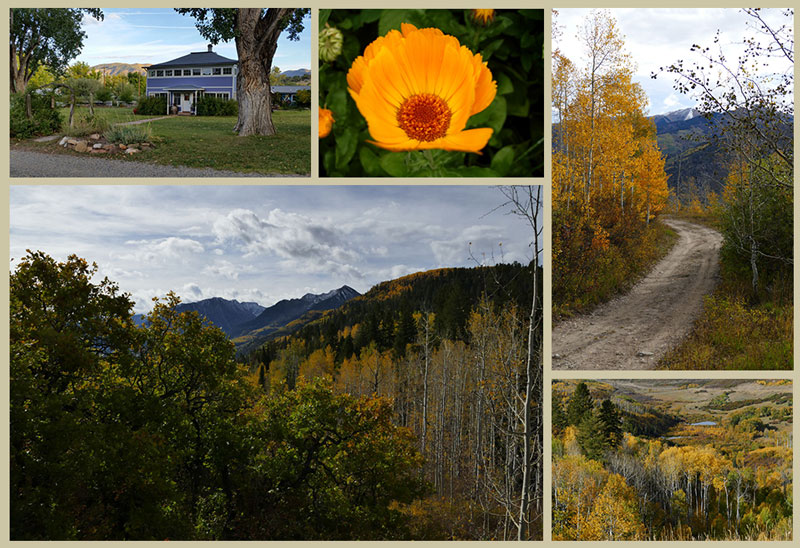 CSCH is thrilled to begin the process of creating an Herbal Healing Center at Elderberry’s, a delightful 4-acre farm in Paonia, Colorado! Experience traditional Nature Cure and Vitalist therapeutics among the gardens, herb beds, fruit trees, and wildlands nearby.
Source: Elderberry’s | Colorado School of Clinical Herbalism
Elderberry’s is home to a charming, periwinkle-blue 1908 farmhouse, graced with Peach, Plum, and Apple trees, where chickens free-range among organic vegetable and herb gardens. Our botanical sanctuary is on the edge of town, in a quiet, peaceful, varied landscape with huge Cottonwood trees shading the lawns. It’s the perfect place to shed the chaos of city life and recharge your vitality. Eat fresh food right from local farms and gardens and rest in the camping meadow under brilliant stars or stay in one of our tiny houses. Find yourself at home among healing waters, where the Minnesota creek and mountain snowmelt converge…
View original post 11 more words
The Forager’s: Skunkbush Profile
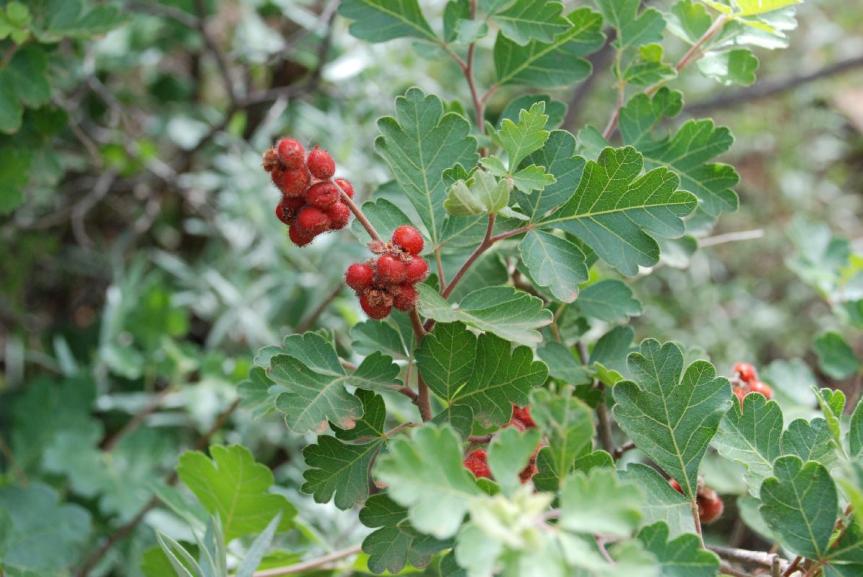
Rhus trilobata
Also, Known As:
- Aromatic Sumac
- Basketbush
- Fragrant Sumac
- Ill-scented Sumac
- Scented Sumac
- Skunkbush
- Skunkbush Sumac
- Squawbush
Skunkbush (scientific name Rhus trilobata) is a low-growing, bushy shrub belonging to the sumac genus. Also known as sour berry or three-leaf sumac, it grows up to a height of anything between 2 feet and 6 feet. This shrub is found growing in clumps in rocky terrains all through a different section of the eastern United States. The leaves of this shrub are trifoliate (hence the common name three-leaf sumac), which appear on an inch-long stalk. The leaflets of skunkbush appear directly from the stems (sessile) and are covered with very fine, short hairs (pubescence) when they are young. Compared to the lateral leaflets, the terminal leaflet is significantly large, measuring about 1 inch to 2 inches long and roughly two-thirds of its length in width. The leaflets are complete and narrow…
View original post 1,608 more words
Anti-Inflammatory Plants: Plants That Stimulate Cortisone Production
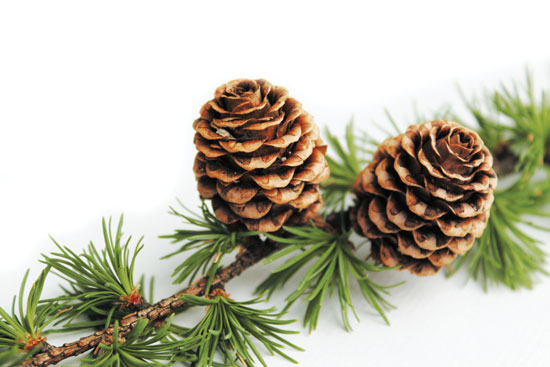
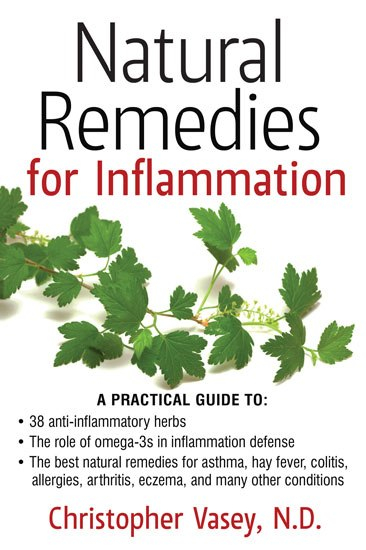
Natural Remedies for Inflammation (Healing Arts Press, 2014), by Christopher Vasey contains valuable information about treating inflammation naturally. The book examines over 50 of the most common inflammation-related illnesses and explains which medicinal plant or food supplement is best suited to ease the symptoms and help the body heal. The following excerpt is from Chapter 5, “Eighteen Anti-Inflammatory Plants.”
Plants That Stimulate Cortisone Production
The plants of this group have a “cortisone-like” effect; in other words, they stimulate the adrenal glands to produce more cortisone. This hormone will then flow at higher levels in the bloodstream and work its anti-inflammatory effect throughout the body. Since this cortisone is produced by the body and is a natural physiological product, it is entirely beneficial, without any adverse side effects.
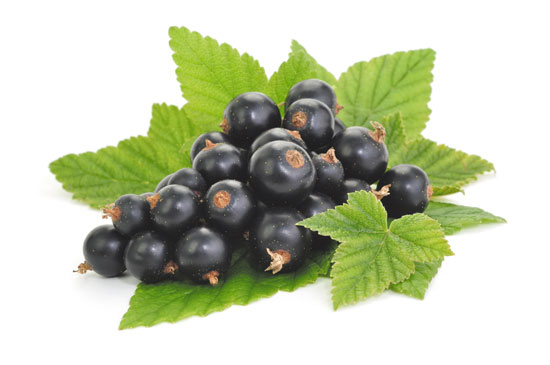
Black Currant (Ribes nigrum)
Botanical Description: The black currant is a small bush that can grow to more than 4…
View original post 1,511 more words
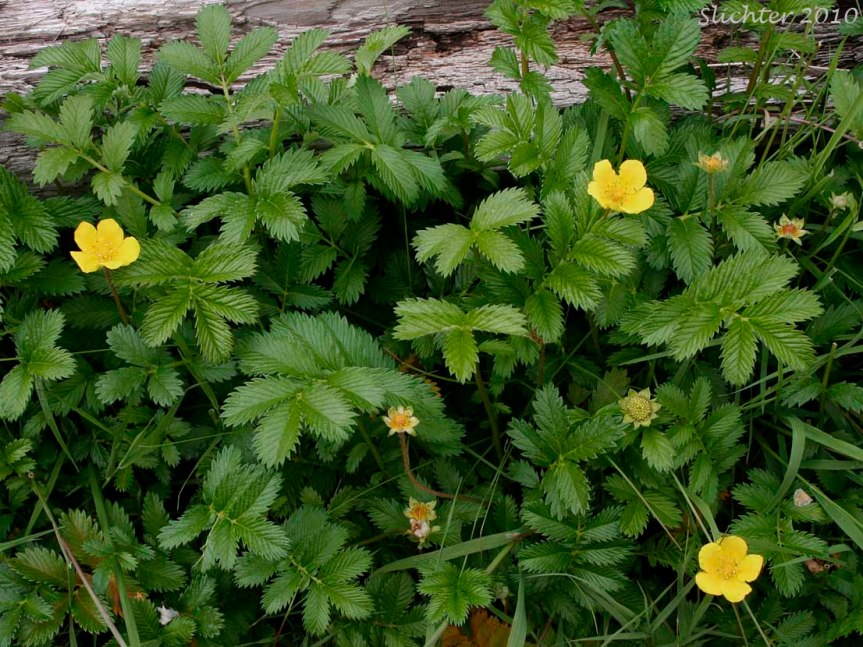
Those Medicinal Weeds: Silverweed {Potentilla anserina}
Also, Known As:
- Argentine
- Cramp weed
- Goosewort
- Moon Grass
- Silverweed
- Wild Tansy
Silverweed (botanical name, Potentilla anserina) is a very short perennial herb that grows up to a height of 8 to 16 inches. This herb has runners that are about 3 to 6 feet in length linking new plants having tufts of leaves. Each tuft of leaves produces a solitary, vivid golden yellow flower with five petals between June and August. These flowers appear on top of leafless stalks measuring anything between 2 inches to 12 inches in length. Interestingly enough, flowers of silverweed, also known as goose plant, close at night time and in cloudy weather conditions.
The rootstock of silverweed is starchy and has served as a food for the Native Indians in North America, Eskimos and people inhabiting the northern regions of Europe for several years. They have been consuming the silverweed rootstock raw, boiled or…
View original post 1,356 more words
Those Medicinal Weeds: Plantain {Plantago major}

Also, Known As:
- Plantain
- Ribwort
- Snakeweed
When we talk about plantain, normally the image of a banana plantation conjures up in our mind. But the common plantain is a small wild plant with leaves that grow mostly from the plant’s bottom. It is found growing naturally in the lawns, gardens, backyards and along the roads throughout America. The plantain is a tough and perennial plant and similar to the dandelion (a weed with brilliant yellow flowers on unfilled stems bearing fluffy white seed heads) need to be pulled out along with the roots once it is securely set up in the yard. The leaves of the common plantain are generally ovate or egg-shaped and are found complete or jagged. The leaves are distinguished by their chunky and conduit foot-stalk. The flower stems of the common plantain grow up to a height of seven to twenty inches and are inclined with long and slim barbs of…
View original post 997 more words
 Paths I Walk
You must be logged in to post a comment.