Foraging for Fiddleheads {Well, Sort Of}

by Good Witches Homestead

Crooked Bear Creek Organic Herbs's avatarGood Witches Homestead

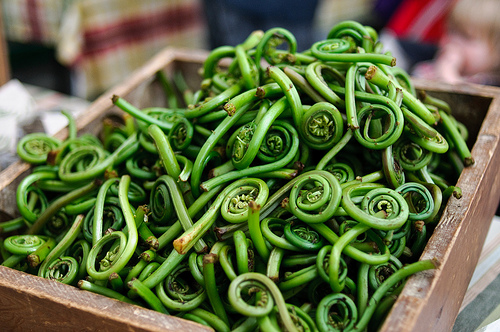
After a long winter, we delight in those emerging specks of green that mark the start of the growing season. The air might still carry a chill, but that doesn’t deter us from heading to the farmer’s market to catch the first glimpses of fresh, local produce. Among the baskets of root vegetables and early spring herbs, you’ll often find fiddleheads, the coiled fronds of the ostrich fern {Matteuccia struthiopteris}. In the ground, these deep-green curled stems will later unfurl into tall ferns ranging from two to even six feet in height, but in this early stage, they resemble the neck of their namesake; the fiddle.

For Our Body

As with many spring greens, fiddleheads offer much-needed nutrients after a long winter. To start, they’re a great source of vitamins A and C {4,052 IU and 2.6 mg per half cup, raw, respectively}. They also contain potassium and manganese, which…

View original post 454 more words
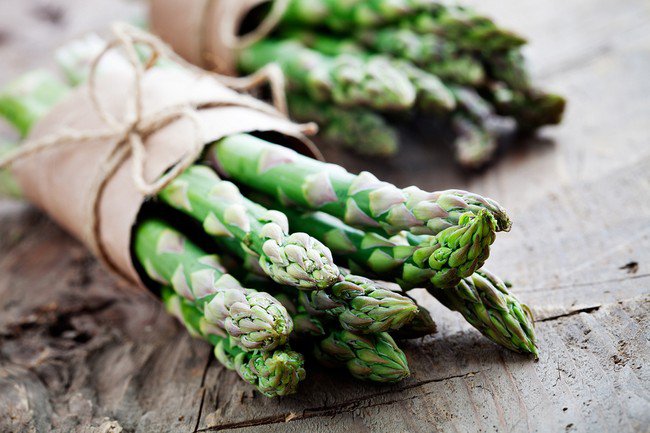
Food as Medicine: Asparagus (Asparagus officinalis, Asparagaceae)

By Crooked Bear Creek Organic Herbs

Crooked Bear Creek Organic Herbs's avatarCrooked Bear Creek Organic Herbs

History and Traditional Use

Range and Habitat

Asparagus (Asparagus officinalis, Asparagaceae) is a herbaceous perennial with stalks that can grow to several feet in height. Most asparagus is harvested once the stalk reaches 6-8 inches in height. The stalk is the edible portion of the plant, along with its pointed, budlike tip.1,2 If asparagus is not harvested, the stalks grow into finely textured, fern-like plants before going dormant in winter.3 In the United States, the primary asparagus producers are the states of California, Washington, and Michigan.4


Depending on the cultivation method, asparagus yields a crop in one of three colors: green, white, or purple. Green asparagus, the most common in the US, is allowed to grow exposed to sunlight until harvested. White asparagus contains no chlorophyll due to human intervention, which involves mounding dirt on the stalk as it grows to shield it from sunlight.

View original post 2,197 more words

Calendula – A Golden Herb for Garden and Kitchen

By Crooked Bear Creek Organic Herbs

Crooked Bear Creek Organic Herbs's avatarCrooked Bear Creek Organic Herbs

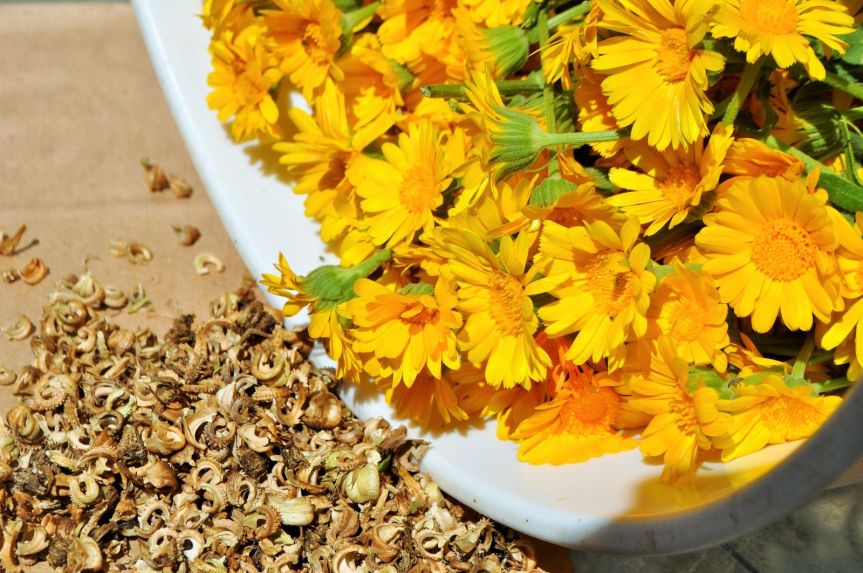
Known also as the poet’s marigold or pot marigold, calendula brightens garden beds, pots, vases and culinary creations from spring to frost {or beyond} with its sunny flowers.

The flowers smell like honey, slightly spicy and woody- reminiscent of fresh rhubarb or angelica flowers- and their flavor is pleasantly mild and vegetable-sweet. Traditionally, the golden petals were used to flavor and color broths {hence the nickname “pot marigold}, butter, cheese. The dried petals even were used as a saffron substitute because they impart a rich golden color. In my own kitchen, I use calendula in vegetable dishes, salads- particularly egg salad- custards and puddings, herb butters, baked goods, with grains and in mild-mannered soups.

For best flavor, gather the flowers at their peak bloom. Gently pull the petals from the bitter center disk and discard it. The petals can be used either whole or chopped. {Note that the petals are…

View original post 924 more words

The Basics: Quick Guide to Every Herb and Spice in the Cupboard

By Crooked Bear Creek Organic Herbs

Crooked Bear Creek Organic Herbs's avatarCrooked Bear Creek Organic Herbs

INGREDIENT GUIDES FROM THE KITCHEN

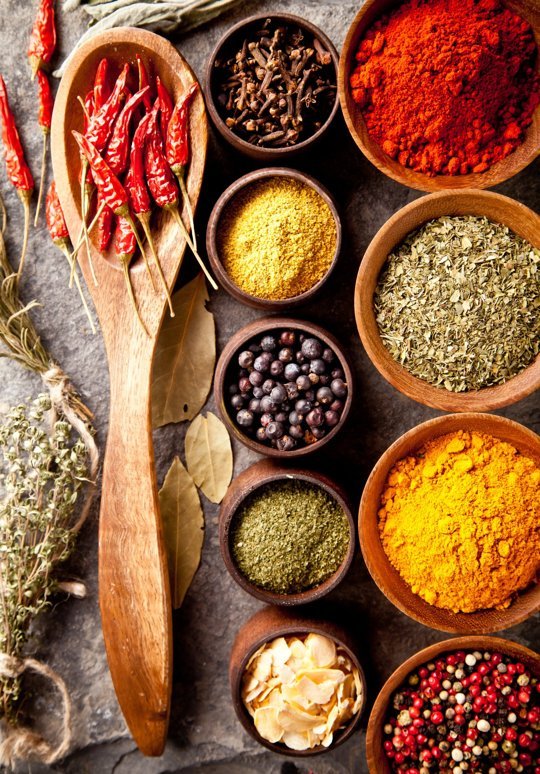
Ever get coriander confused with cumin? Or wonder just what exactly curry powder is made out of? As much for our benefit as for yours, we’ve put together this quick reference guide to all the most common (and some uncommon) herbs and spices!

Saffron

For any herb or spice listed below, click on the name to read the full description. We’ll continue adding to this list as we cover more of the seasonings we use in our cooking.

Dried Herbs & Spices

  • Asafoetida (Asafetida) – Used as a digestive aid in Indian cooking, asafoetida has a strong odor that mellows out into a garlic-onion flavor.
  • Achiote Paste and Powder – Reddish-brown paste or powder ground from annatto seeds with an earthy flavor. Used primarily in Mexican dishes like mole sauce, cochinita pibil, and tamales.
  • Allspice – Similar to cloves, but more pungent and deeply flavored…

View original post 1,620 more words

Learn Your Land

By Adam Haritan

Continue reading “Learn Your Land”

Cooking for Health

By Crooked Bear Creek Organic Herbs

Crooked Bear Creek Organic Herbs's avatarCrooked Bear Creek Organic Herbs

Serving medicine for dinner may not seem terribly appetizing, but most cultures traditionally eat much of their medicine. It may not be a coincidence that nature has provided so many of our medicinal needs in herbs that taste good. When you want to take herbs over a long period of time – either to treat a chronic problem or to fend off disease – incorporating medicinal plants into your meals makes a lot of sense.

The next time you add a pinch of this or that, consider that you are doing far more than flavoring your meal. Throughout these posts and other websites, you have seen many familiar kitchen herbs and spices mentioned as medicines. For example, ginger relieves pain, garlic is “nature’s antibiotic” and ginger and turmeric, two of the main ingredients in curry powder, improve liver function.

Almost every cookbook is filled with recipes that rely on herbs…

View original post 1,452 more words

Edible Spring Greens {Recipes}

By Crooked Bear Creek Organic Herbs

Crooked Bear Creek Organic Herbs's avatarCrooked Bear Creek Organic Herbs

Spring Green Salad

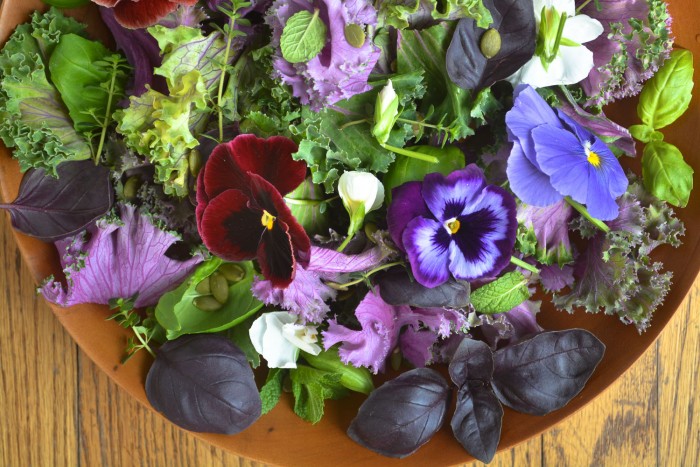
It’s time to renew. This applies to our outer worlds as well as to our inner worlds. Spring has traditionally been a time to jump-start the liver and gently cleanse our bodies.  The natural world, with its infinite wisdom, provides us with every opportunity to do just this. Bitter and nutrient-packed greens come to life, and for those of us paying attention to nature’s hints, provide us with delicious and nutritious Spring tonics.

Dandelion greens are packed with vitamins and minerals, and also, provide a bitter kick that helps support liver function.  This is important during spring because the hepatic function can become naturally a little sluggish after a more sedentary winter filled with rich seasonal food.  Violet-greens and chickweed are super-packed with nutrients, making them just the spring pick-me-up your body needs.  Young greens of dandelion and violet especially are ideal, for both texture and taste reasons.  You’ll…

View original post 689 more words

Mexican Mint Marigold

By Crooked Bear Creek Organic Herbs

Crooked Bear Creek Organic Herbs's avatarCrooked Bear Creek Organic Herbs

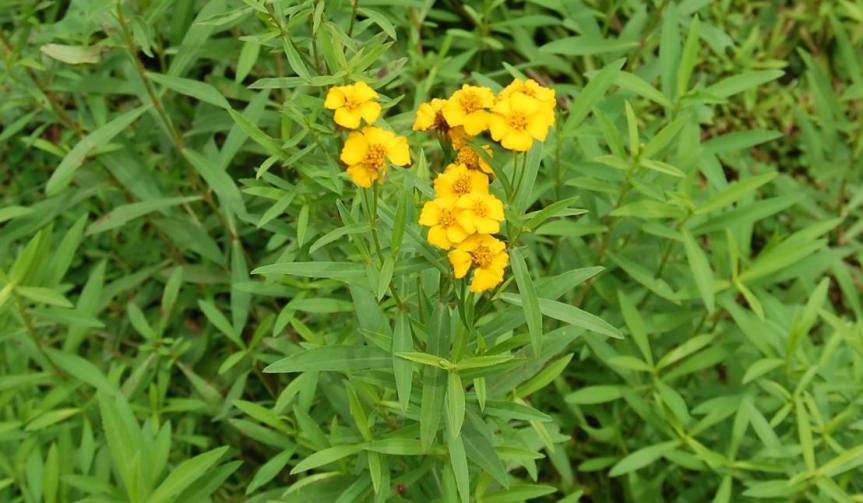
This very ancient herb goes by a variety of common, but somewhat confusing names. ‘Mexican mint’ marigold is the most common, but you’ll also find it listed as ‘Texas’ tarragon, ‘Mexican’ tarragon, cloud plant, Coronilla, winter tarragon, sweet mace, sweet marigold and ‘Spanish’ tarragon. It isn’t, however, related to ‘French’ tarragon (Artemisia dracunculus ‘Sativa’) at all.

Don’t confuse ‘French’ tarragon, which is used for cooking, with false or ‘Russian’ tarragon, A. dracunculoides, because it is somewhat invasive, grows well in hotter climates, and is grown from seed.

The Latin name, Tagetes Lucida, refers to its other Tagetes relatives, the marigolds. ‘Mint’ marigold is a perennial, native to Central and South America and has been used as a seasoning herb, tea plant and medicinal in native cultures for more than a thousand years.

The flavor is anise-like, a bit sweeter than ‘French’ tarragon, but used in some of…

View original post 609 more words

Habits

by secretsoftheserpent

Plant Profile: Red Clover {Trifolium pratense}

By Crooked Bear Creek Organic Herbs

Crooked Bear Creek Organic Herbs's avatarCrooked Bear Creek Organic Herbs

Family: Fabaceae

This all-around wellness herb and blood purifier is a key ingredient in herbal blends popularized during the early 1900’s and used in cancer treatment, including Essiac, Dr. Christopher’s Red Clover Combination, and the Hoxsey formula. Red clover has been an Old World symbol for luck and abundance since ancient times. And when it arrived in America with the colonists, its use quickly spread among American Indian tribes.

Description:

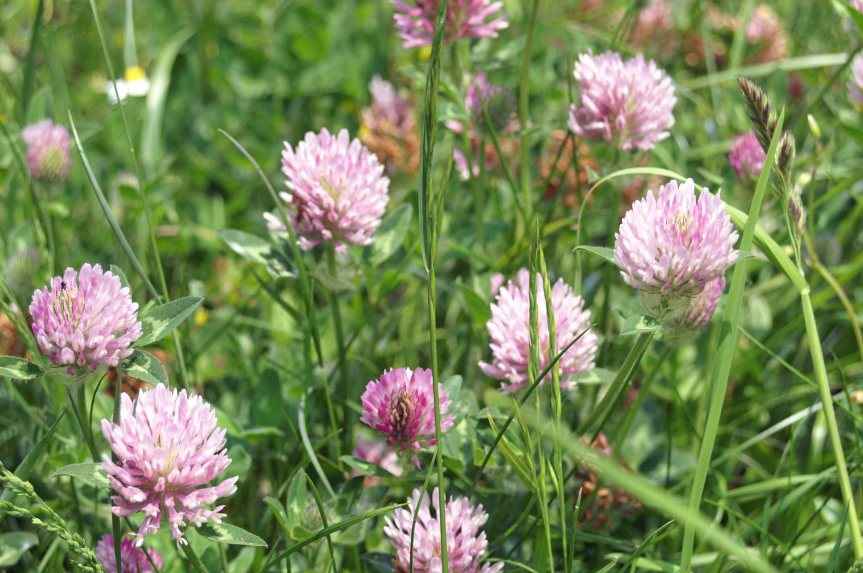
This stout clover has deep pink – not red – plump, round flower heads that contain numerous, small, pea-type flowers above a three-leaved bract. The leaves are marked with a single pale chevron. The lax stems trail up to 2 feet, creating a soft green mass.

Preparations Infusion:

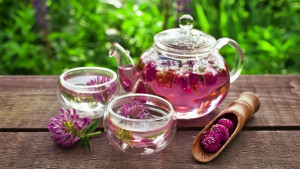
red-clover-tea-760x428Make a strong infusion or tincture of red clover tops, and drink 1/2 to 1 cup two or three times daily. Commercially available red clover preparations include tinctures and concentrated and often…

View original post 1,773 more words