
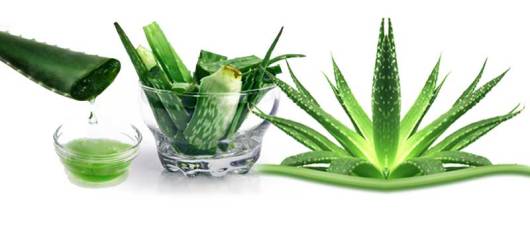
Aloe Vera
Latin Name
L. Aloe vera, Aloe barbadensis var miller, Aloe vera var. chinensis, Aloe vulgaris, Aloe vera var. lanzae, Aloe indica, Aloe barbadensis var. chinensis, Aloe vera var. wratislaviensis, Aloe elongata, Aloe vera var. littoralis, Aloe perfoliata var. vera, Aloe perfoliata var. barbadensis, Aloe flava, Aloe chinensis, Aloe barbadensis, Aloe lanzae.
Common Names
Aloe vera, True Aloe
Suggested Properties
Anti-inflammatory, antibacterial, anti-viral and energy tonic
Indicated for
Digestive tract irritations such as colitis, ulcers and irritable bowel syndrome, cleansing stomach, liver, kidneys, spleen, bladder and colon, arthritis, asthma, bladder and kidney infections, cancer, constipation, diverticular disorders, haemorrhoids, heartburn, heart disease, HIV, immune stimulation, indigestion, insomnia, kidney disease, leg cramps, leukemia, skin health, stomach distress, tumours, vaginitis, vaginal douche, viruses, white blood cell production and general health tonic.
If you are using oral corticosteroids, such as beclomethasone, methylprednisolone, or prednisone, it is important not to overuse or misuse Aloe vera juice. A potassium deficiency can develop, and you may experience toxic effects from the medication.
Although it is removed, in practice Aloe vera juice may sometimes still contain tiny quantities of the laxative compound found in aloe latex. Should you begin to have cramps or diarrhea do not ingest any more of the juice.
Allergies to aloe vera are very rare. Yet any food can be a potential allergen. Test a small amount on the inner arm to see if any reaction takes place. If no irritation on the skin is observed then it is generally tolerated. If ingestion causes diarrhea, then reduce the amount you ingest, increasing use slowly over several days until the desired amount is tolerated.
Source: True Aloe
 Paths I Walk