Greetings,
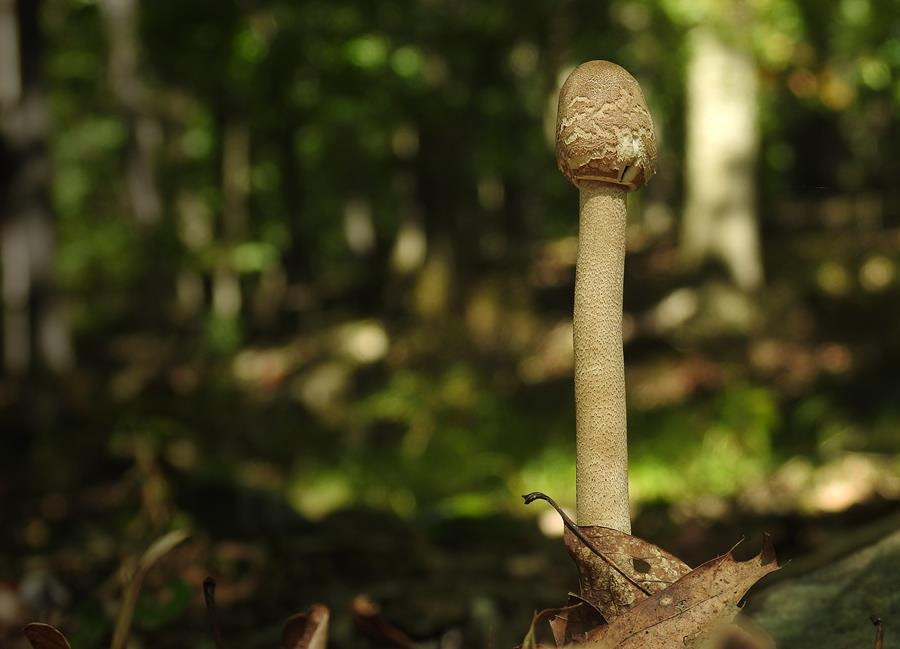
An autumn mushroom that you may see over the next few weeks is the Parasol Mushroom. Edible, delicious, and easily spotted in the woods, the Parasol Mushroom is a favorite amongst many foragers for its nutty smell and taste.
The Parasol Mushroom, however, is not the easiest mushroom to positively identify because it shares similar features with several other species — some of which are toxic. Many field guides and online articles fail to include a sufficient number of images and offer little help in identifying the Parasol Mushroom. Such lack of detail can leave readers with more questions than answers, and ultimately with no Parasol Mushrooms for dinner!
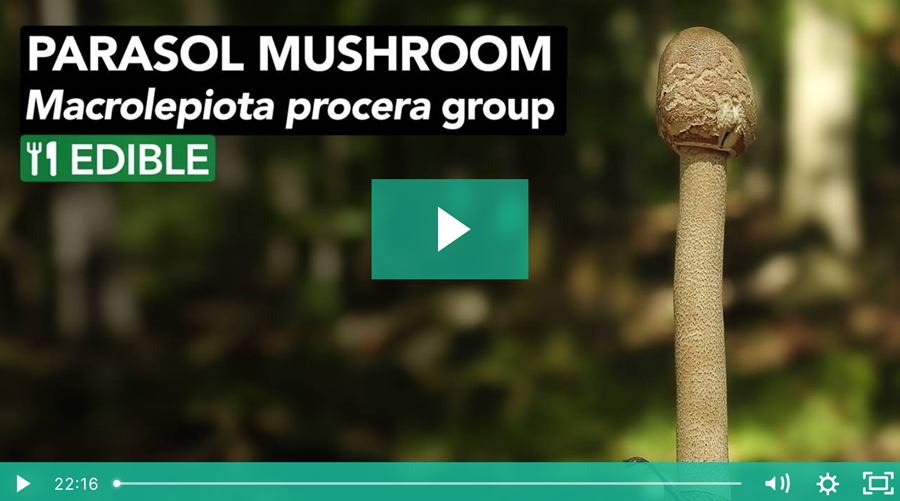
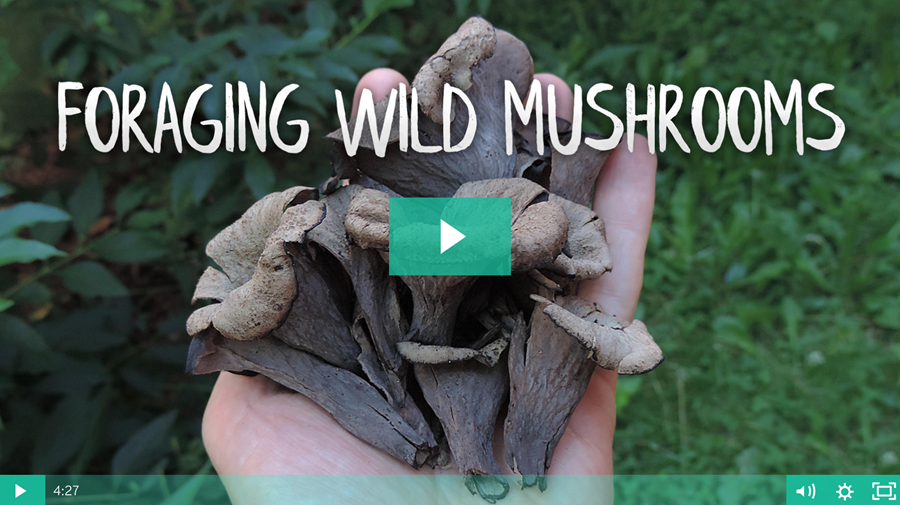
To address this issue and to assist with the identification process, I created an extremely detailed video outlining all the important pieces of information that any forager needs to know in order to safely and confidently harvest the Parasol Mushroom for the table. This video is one of over 75 exclusive videos featured in Foraging Wild Mushrooms — a four-season online course designed to help you confidently and successfully forage wild mushrooms.
Registration for Foraging Wild Mushrooms is open until Monday, September 28th at midnight. After September 28th, registration will be closed.
If you’ve ever considered harvesting wild mushrooms but didn’t know where to start, or where to go, or how to discern between edible and poisonous species, Foraging Wild Mushrooms will equip you with the skills necessary to ensure that your harvests are safe and successful.
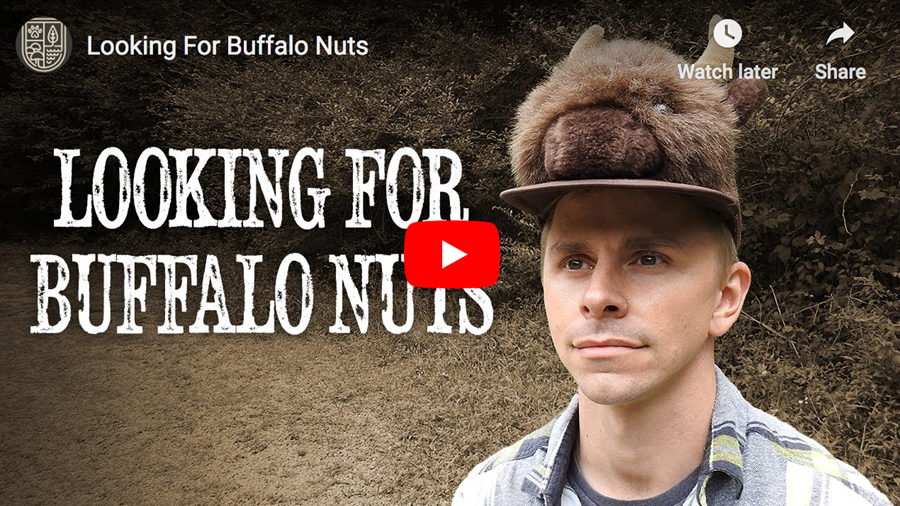
To get a sneak peek into the kinds of content found within the course, please enjoy this video.
A portion of all proceeds derived from course sales will be donated to the Western Pennsylvania Conservancy — a nonprofit organization whose mission it is to protect and restore exceptional places and forests for the benefit of present and future generations.
Thanks for reading and watching, and thanks for your continued support!
—Adam Haritan



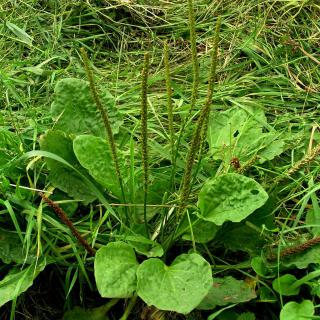 Weeds tell wonderful stories, and as we learn them, they take us on a journey to discover where they came from and how they came to be who they are today.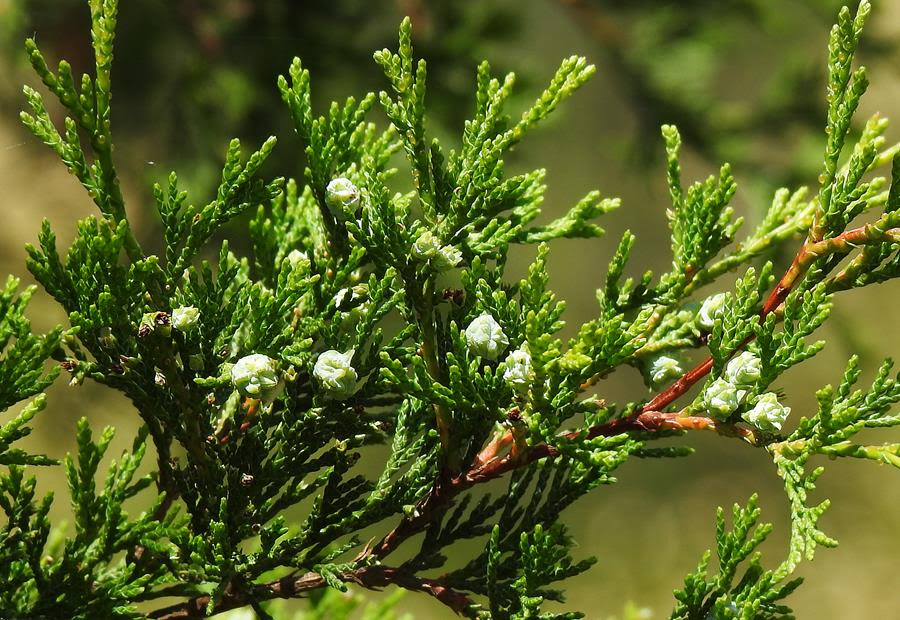


 Plant Profile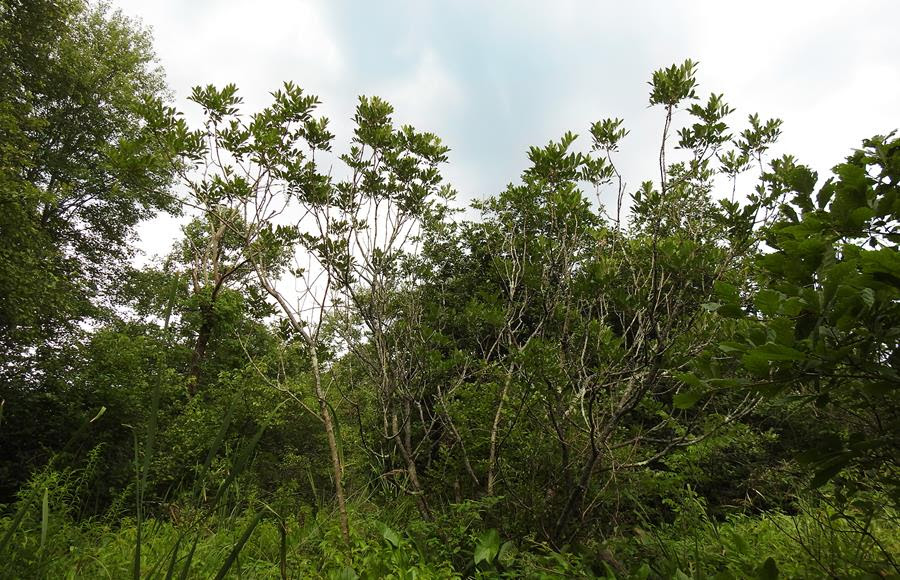



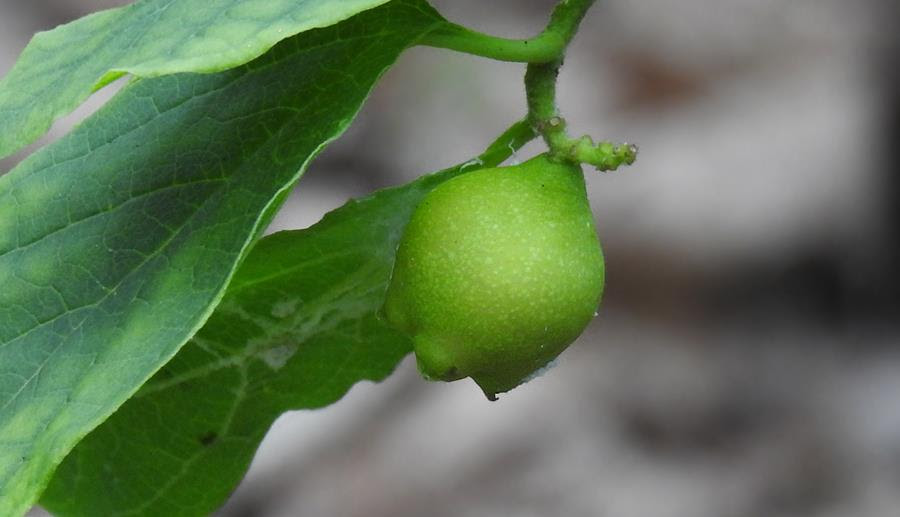
 While on a volunteer trip in Orlando, Florida, I was desperate for bug spray. In the middle of December, the mosquitoes nibbled on any exposed skin they could find, leaving me and the rest of the unprepared Maryland native participants with patches of red swollen bumps on our ankles and arms. Our guides, a retired couple who volunteers with the state parks, became our heroes on the second day of the trip. During our lunch break, the husband saunters over to us, carrying a branch from a nearby shrub and states, “This is spicebush. Crush its leaves and rub it onto your arms. Keeps the bugs away and helps the itch.” Immediately, we passed the branch around, ripped the leaves off the branch, crumpled them, and rubbed the lemon-peppery scented oil onto our skin.


 Paths I Walk
You must be logged in to post a comment.