This Tree Wins The Award For “Worst Christmas Tree”

Greetings,

Before I share a brand new video with you, I want to provide a reminder that today — Monday, December 21st—  is the last day to register for Foraging Wild Mushrooms.  After today, registration will be closed for the season.

If you want to learn the skills involved in safely and successfully harvesting wild mushrooms with confidence, Foraging Wild Mushrooms can help you achieve that goal.

Click here to register before midnight.

And now onto this week’s brand new video.

The declining temperatures, sunlight, and vitamin D levels have all ushered in the official arrival of winter — a season in which humans enjoy bringing trees indoors.

But not just any tree, of course.  Conifer trees — and more specifically pines, spruces, and firs — are among the most harvested and celebrated trees during the holiday season.

Some of these trees are soft and flexible (e.g., white pine).  Others are lush and aromatic (e.g., balsam fir).  All of them, it goes without saying, are perpetually green.

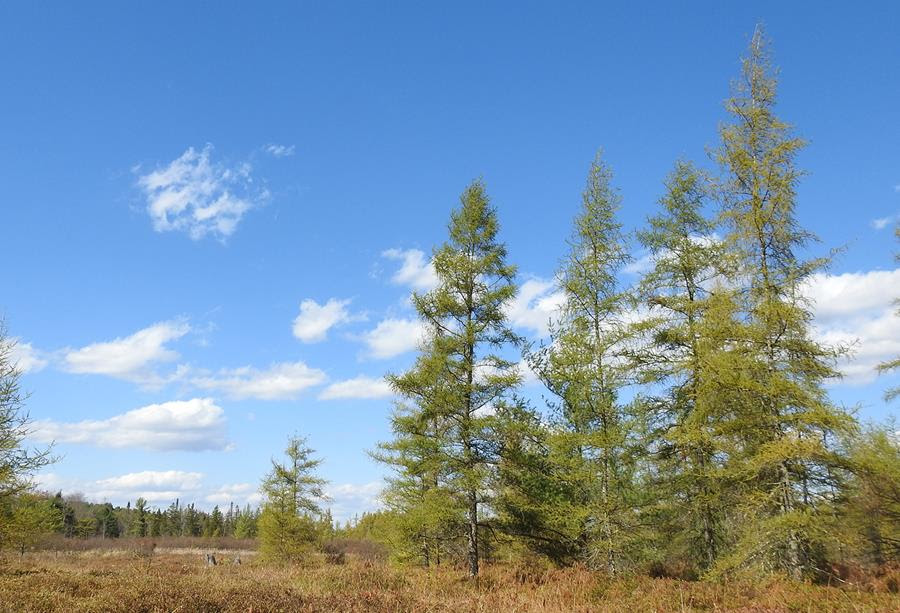
But there is one conifer tree that has never made the cut, and chances are good that, if you do consider yourself an arboreal celebrant of the holiday season, you’ve never invited this particular tree into your home.

In fact, out of all the trees discussed so far, this one would certainly be labeled “The Worst Christmas Tree.”

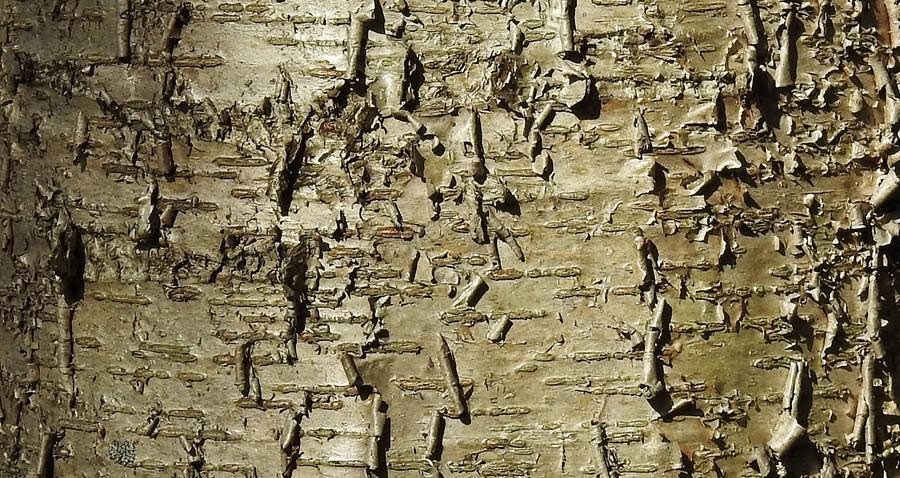
During a recent walk through a conifer landscape, I encountered this special tree and decided to film a video in which I attempted to answer several pertinent questions.

If you’re interested in learning more, check out the brand new video!

Thanks for reading and watching, and thanks for your continued support!

-Adam Haritan

6 Trees You Can Easily Identify By Smell

As winter approaches, tree identification can pose many problems to those of us who typically rely on flowers, fruits, and foliage for clues.

Fortunately, trees don’t completely disappear during the coldest months, and although their winter outfits may conceal several diagnostic features, dormant trees still offer us a few critical pieces of information.

Take smell, for instance.

Many trees produce unique aromas and odors that can be detected when we scratch their fresh twigs.  These aromas will oftentimes lead us to a positive identification when other features fail to do so. 

In a brand new video, I discuss six trees that you can easily identify by smell.  If you’re interested in improving your winter tree identification skills, check it out!

Unlike deciduous trees in my neck of the woods, many creatures do not go dormant during the winter season.  I recently encountered this semi-aquatic animal while I was exploring the bank of a swift stream.  Are you familiar with this carnivore?  Check out the most recent Instagram post to learn more.Click to view post

Thanks for reading and watching, and thanks for your continued support!

-Adam Haritan