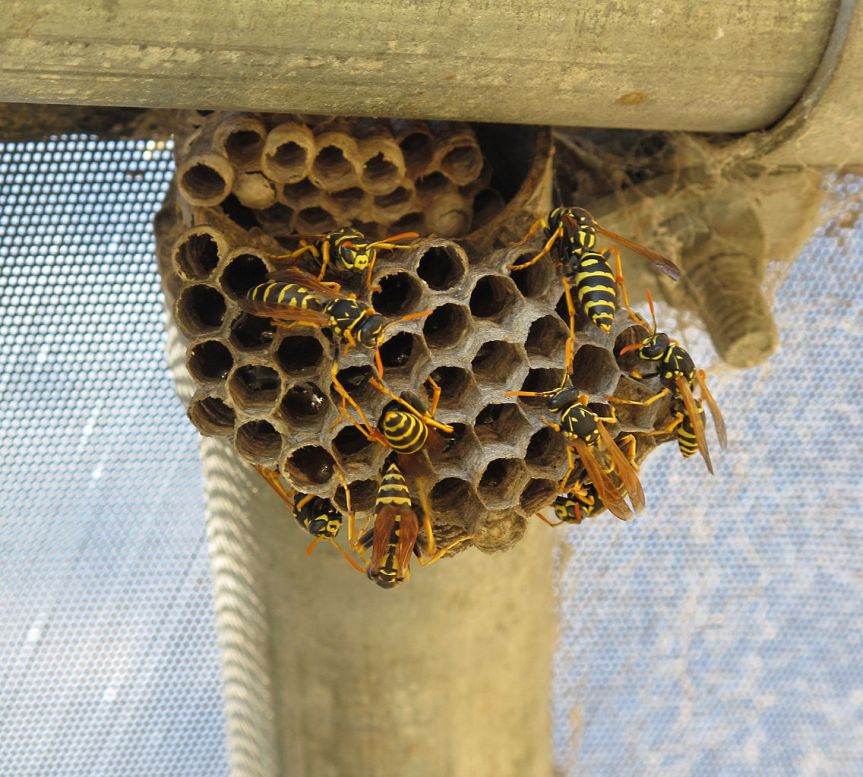
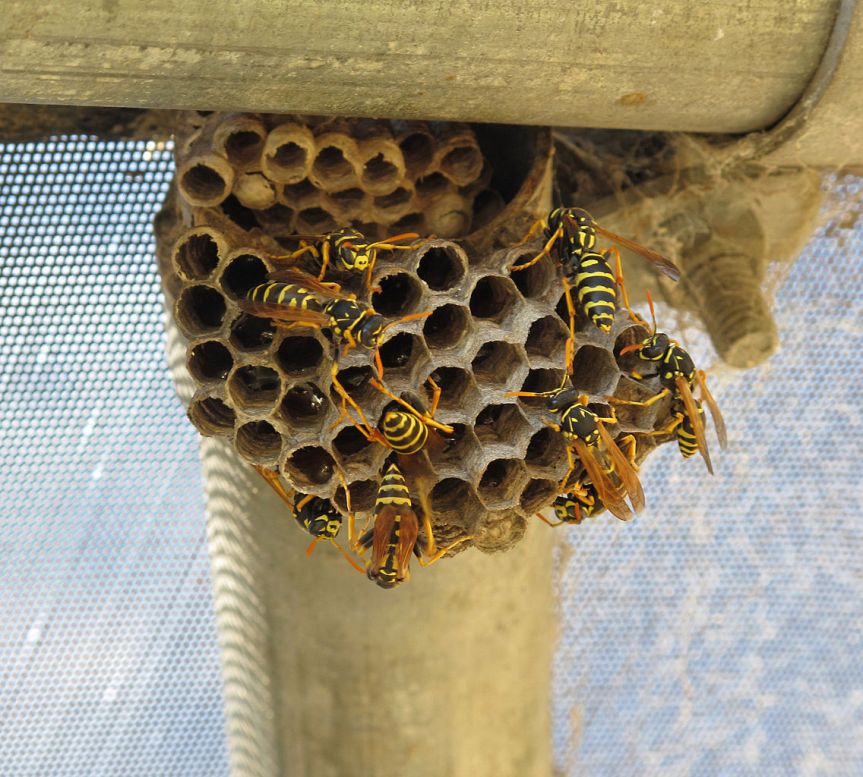
Ozark Encyclopedia – H – Hornet’s Nest

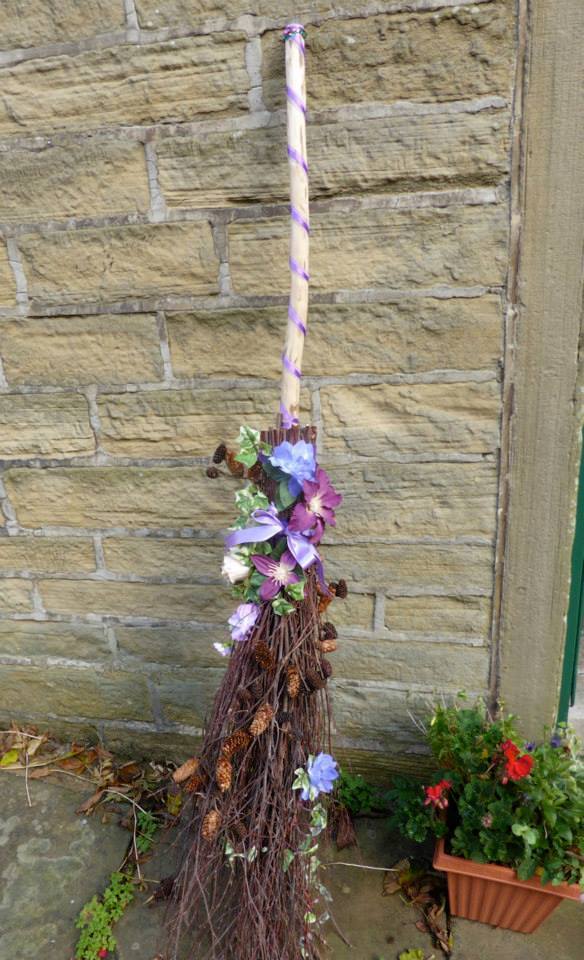
The wedding broom is popular amongst both the Celtic and the African ceremonies.
Brooms are often stored by the front or back door of the home, and thus a broom can symbolize a threshold, leaping from your old single life into your new married life. This is similar to the tradition of carrying the bride across the threshold of a new home.
The handle of a broom is somewhat phallic in shape and the brush is shaped somewhat like a woman’s skirt so these two things combined can symbolize fertility and union.
A broom also symbolizes the daily routine of marriage such as cleaning the floors, taking out the trash, making dinner, and caring for one another.
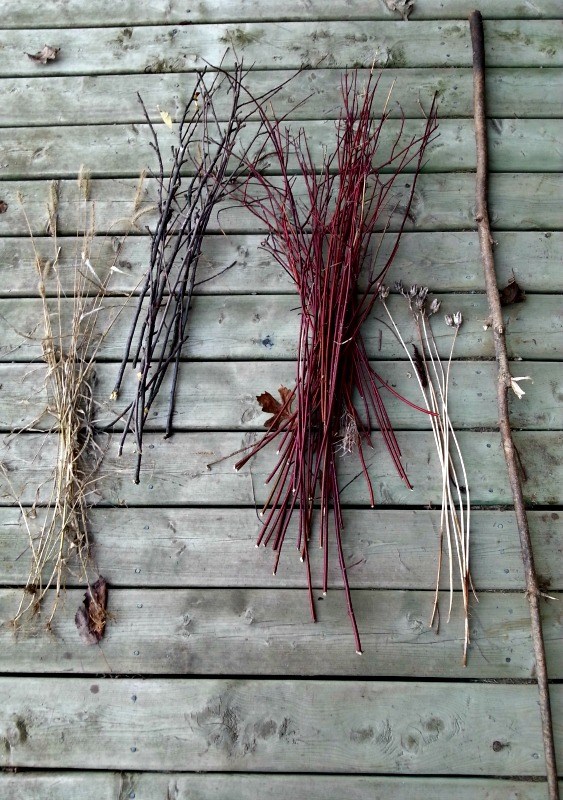
The whole length of the finished broom should be long enough that everyone jumping it has a bit of broom to in front of them. I’ve seen many photos of people jumping…
View original post 502 more words
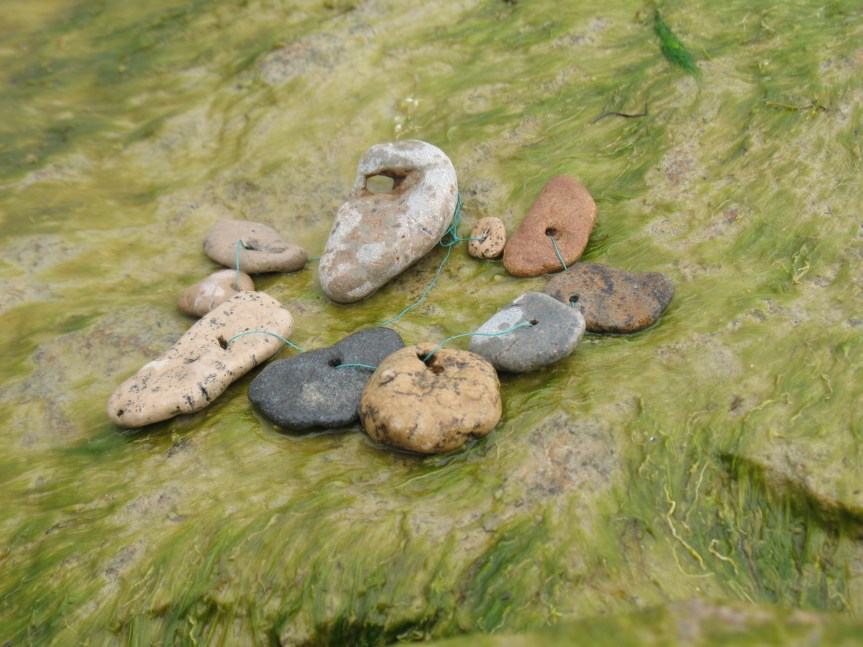
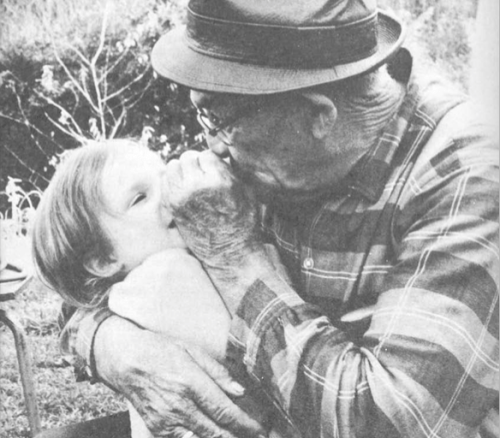
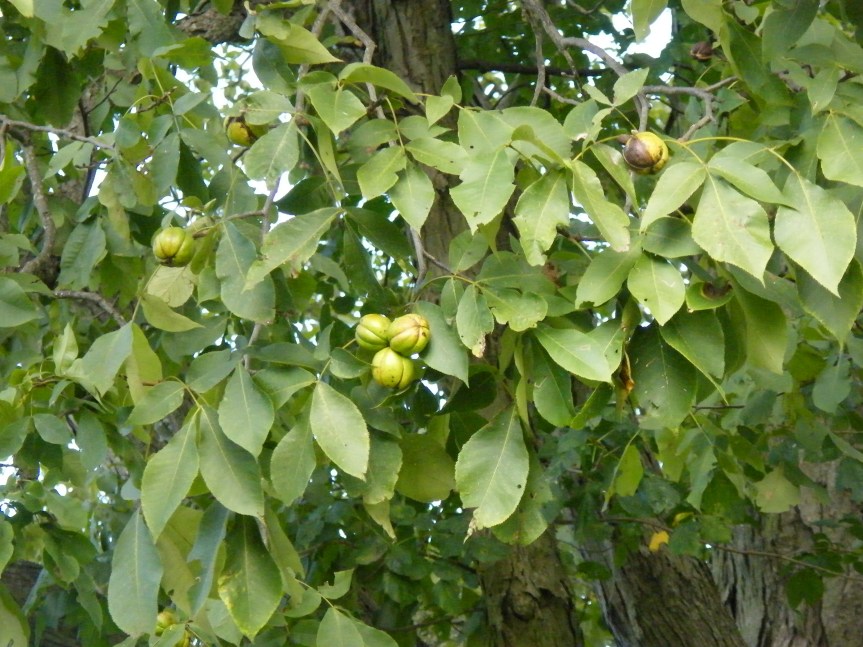
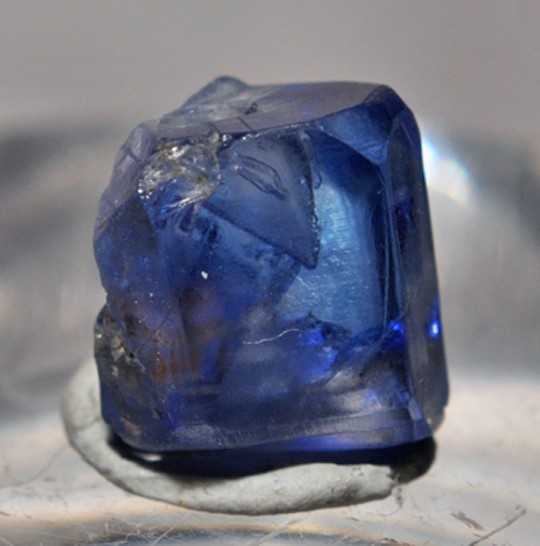
Sapphires figure prominently in numerous beliefs and traditions, both past and present. For centuries, sapphires have been used for alchemy, magic, healing rituals, and astrological prognostication.
Early priests and scholars believed that precious gemstones, including sapphires, had specific “virtues” that could be used to benefit man if their powers were properly harnessed. According to legend, Helen of Troy (c. 12th century B.C.) owned a large star sapphire, which was believed to hold the key to her desirability. The famous “seal” of King Solomon (c. 1000-931 B.C.) was legendary, not only because it was an inscribed sapphire, but also because it apparently gave him power over spirits in the air, earth, and underworld.
During the Hellenistic period (400-100 B.C.) when gemstones were associated with specific deities or occult powers, sapphires were routinely inscribed with the head of Jupiter (Zeus), the god of the sky. During this…
View original post 1,912 more words
I believe in happy endings...
Creating stories for pleasure
Shh I'm Writing
Nothing is True. Everything is Connected.
Medical Intuition, Astrology, Soul Readings, Intuitive Coaching, Tarot, Reiki: Inspiring and Empowering Visionaries, Artists and Healers
30th Anniversary Edition
Weekly Challenge from the 118, 126, & 113
all things fanfic...
Crystals, and all things Magical
welcome to the inner workings of my mind...
Learn • Explore • Grow
A Journey of Discovery
Where Canon has No Meaning and Universes Collide
Just another WordPress.com site
The Crime Drama Advent Calendar
Just another WordPress.com site
Here there be Dragons
Fanfiction and original stories from Toasterpop
Seeking Ideas Beyond Conventional Thought
Writting, Drafts, Ideas
All Things Wicked and Wonderful
Author, Editor, Photographer, Artist
Honoring their service and building their legacy. The official blog of the Vietnam Veterans Memorial Fund.
Art and Stories for all things 00Q, since 2014
Where the Writer Comes First.
FanFiction Author
The home of the Every Fandom Bang and Reverse Bang!
n. pl. pe·num·brae (-br) or pe·num·bras 1. A partial shadow, as in an eclipse, between regions of complete shadow and complete illumination.
Witchcraft for the Everyday and the Extraordinary
... and this is what I like
Fanfiction Recommendations ~ Slash, Femslash, & Het Fanfic Recs
EVIL AUTHOR DAY
Recipes from the Past
what my demented mind comes up with
Nothing is True. Everything is Connected
The Multi-Fandom Fix-it Big Bang
a place for me to share what I've written
Enchanted World of Magical Gardening ~ Crystals & Gemstones ~ Locally Grown Organic Herbs
m/m original fiction and fanfic for adults only
It's All About The Romance

 Paths I Walk
You must be logged in to post a comment.