

By Katherine Schlosser
For most of us, our garden tools are cleaned and stored, the holidays have passed, and we have a little more time to simply enjoy what we find in meadows, forests, fields, and even in our own backyards. Lichens can fill a part of the void we may be feeling. Their curious forms and means of growing and spreading, with which many of us are unfamiliar, can fill our minds with the wonders of things we normally pass without notice.
There are more than 5,000 species of lichen and lichen-dependent fungi in North America, with colors ranging from blues, lavender, yellow, red, orange, and gray to many beautiful greens. Color in lichens can depend on whether they are wet or dry. A major paint company even created a color they call Lichen to mimic the natural, earthy beauty of the organism. Perfectly described by Ed Yong in…
View original post 1,861 more words

 The spice that we call cloves comes from the clove tree,
  When I think of herbs for Christmas, I always think of the Simon and Garfunkel “Scarborough Fair” song: “Are you going to Scarborough Fair? Parsley, sage, rosemary, and thyme.” Sure, there is peppermint and plenty of spices, but these herbs seem to be the most popular during the holidays. I think that is because these plants are still green in the garden. In my USDA Hardiness Zone 7 Virginia garden, I can still pick these plants in December to use in the kitchen. My mint plants, always in containers, overwinter well, and I can harvest spearmint and peppermint.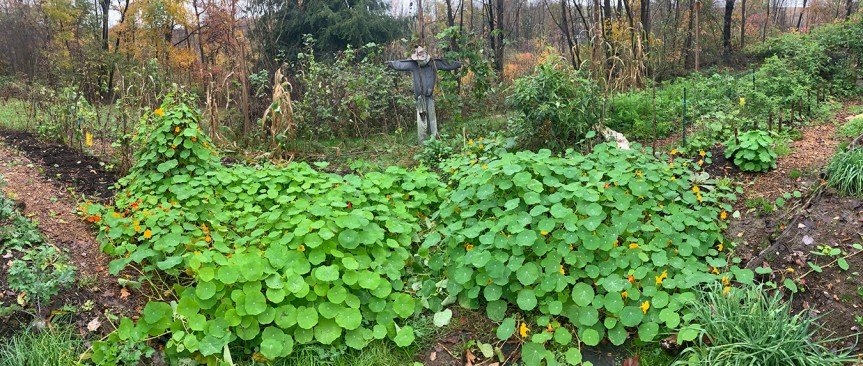
 Last winter the urgent care center diagnosed me with the flu, and I’ve never been quite as sick as I was for that month. I spent several days in bed and used all sorts of herbal remedies to support healing. Daquil/Nyquil just made me feel worse and went straight into the garbage.
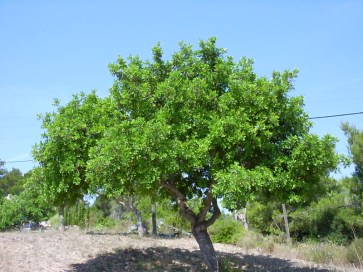 Have you heard of St. John’s bread or locust bean? These are all names for the carob tree,
 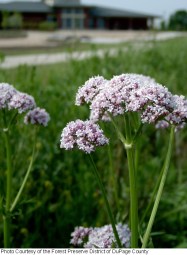 Many people may be familiar with the distinctive aroma of valerian root; old socks, wet dog, and horse manure are just a few things to which the odor has been affectionately compared. In fact, the constituent responsible for the smell, valeric…
 Paths I Walk
You must be logged in to post a comment.