Did You Find Any Morel Mushrooms This Year?

Greetings!

During the weekend of June 8th — 10th, I’ll be participating in the Great Lakes Foragers’ Gathering in Grass Lake, Michigan.  This event is considered to be the largest annual gathering of wild food enthusiasts in the Great Lakes region.  I’ll be leading a few mushroom walks and programs on Saturday and Sunday.  Additional presenters include Samuel Thayer (nationally recognized foraging author), Rachel Mifsud (creator of Will Forage For Food), and several others.  If you’re interested in attending, click here!

Moving forward, let’s talk about spring’s most popular fungi.

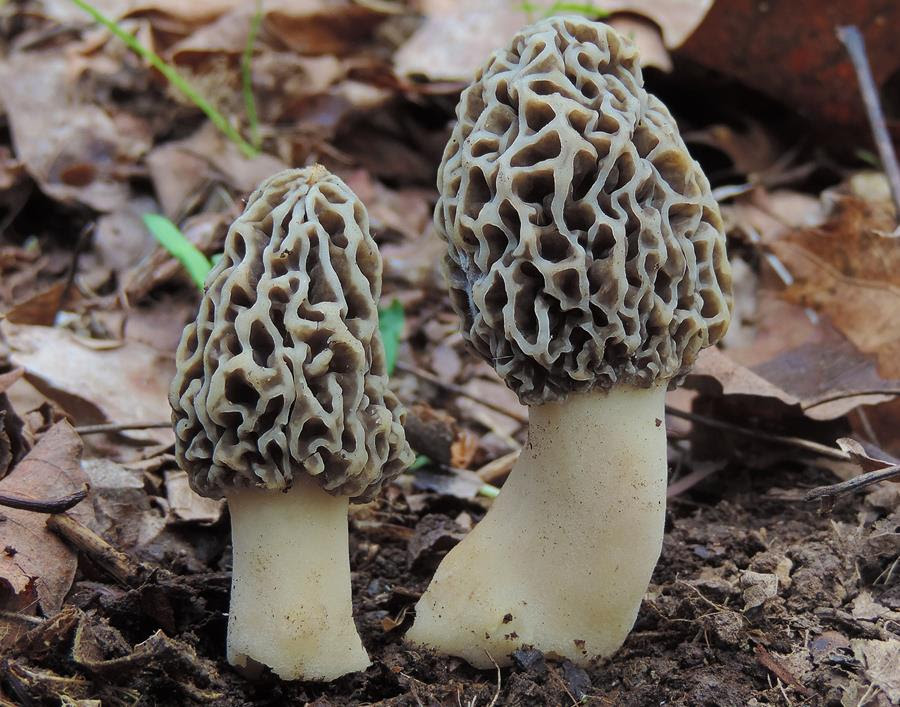
Morel mushrooms are among the most alluring and widely recognized wild edible fungi intensively collected by mushroom hunters.

They’re tasty, they’re elusive, and they’re some of the first fungi to appear during the early spring weeks.  No two morel mushroom hunts are the same, and even an “unsuccessful” hunt through an old, familiar spot is likely to yield auxiliary benefits including fresh air, wildflower sightings, and long overdue exercise!

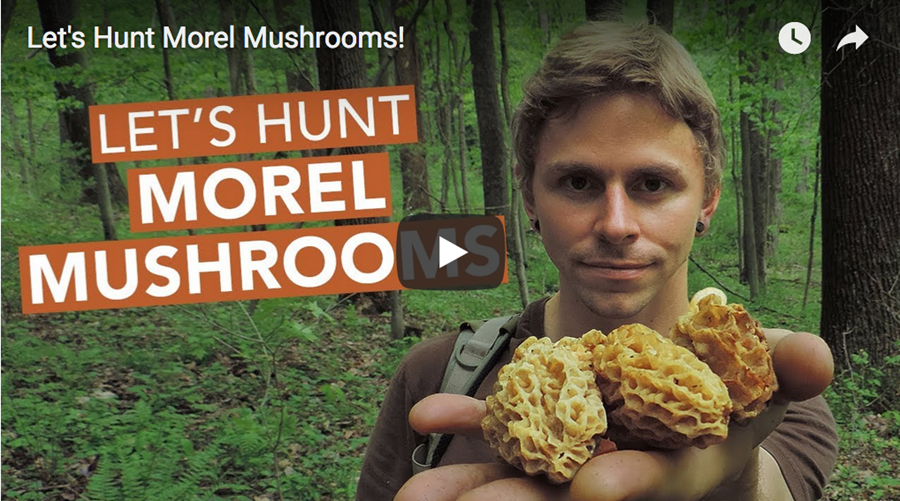
In my neck of the woods, the morel mushroom season is just about finished.  Over the past few weeks, however, I documented a few of my experiences on video.  If you’re interested in seeing what I discovered, check it out!

Speaking of fungi, almost all wild orchid species require relationships with fungi to germinate successfully and grow into beautiful plants.  What’s the reasoning behind this?  And for how long do these intimate relationships last?  Check out this recent Instagram post to learn more!

Thanks for reading and watching, and as always, thank you for your support!

-Adam Haritan

The History of Herbal Medicine and Essential Oils

By Crooked Bear Creek Organics

Crooked Bear Creek Organic Herbs's avatarGood Witches Homestead

The history of essential oils is intertwined with the history of herbal medicine, which in turn has been an integral part of magical practices. Herbal medicine has been used for more than treating minor ailments and disease; it has been instrumental in providing life-enhancing benefits. In most ancient cultures, people believed plants to be magical, and for thousands of years, herbs were used as much for ritual as they were for medicine and food. According to medical herbalist and healer Andrew Chevallier, the presence of herbs in burial tombs attests to their powers beyond medicine. In addition, fourth-century BCE Greek philosopher Aristotle noted his belief that plants had psyches.

Aromatic plants in the form of oil and incense were elements of religious and therapeutic practices in early cultures worldwide. In addition, anointment with perfumes and fragrant oils was an almost universal practice. Burning incense in rituals provided a connection between…

View original post 1,460 more words

Know Your Herbal Chemistry

By Crooked Bear Creek Organics

Crooked Bear Creek Organic Herbs's avatarCrooked Bear Creek Organic Herbs

A herbalist should be fully aware of details about the pharmacology of herbs, a basic understanding of it is more than enough. Herbs are used for healing the human body, they are considered to be holistic agents, and they are used on a physical and biochemistry level. Many pharmacologists try to find out the constituents of herbs, place them according to their chemical groups and have done numerous research and have found herbs to be very complex in their characteristics. Herbs contain a huge variety of chemicals like water, inorganic salt, sugars, carbohydrates, proteins that are highly complex, and alkaloids.

Plant Acids:

An example of weak organic acids is generally found among plants, lemon is the perfect example of citric acid. Organic acids can be split into those based on a carbon chain, and those, which contain a carbon ring in their configuration, but what both have in common is the…

View original post 2,106 more words

Know Your Underground Roots

By Crooked Bear Creek Organics

Crooked Bear Creek Organic Herbs's avatarCrooked Bear Creek Organic Herbs

Underground Stems

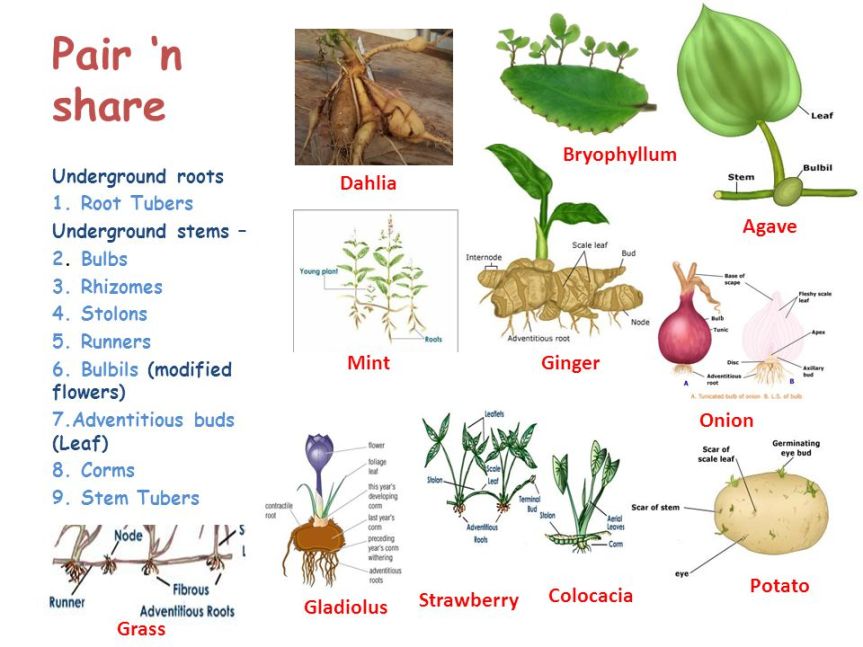
The underground stems, by being situated below the surface of the soil, protect themselves against unfavorable conditions of weather and the attack of animals and serve as storehouses for reserve food, and in vegetative propagation. Their stem nature can be distinguished by the presence of nodes and internodes, scale leaves at the nodes, axillary buds in axils of scale leaves and a terminal bud. Further, the anatomy of the underground stem resembles that of an aerial stem. The underground stems are of four types namely rhizome, tuber, bulb, and corm.

Rhizome

A rhizome is a thick horizontally growing stem which usually stores food material. It has nodes and internodes, scale leaves, axillary buds, adventitious roots and a terminal bud. Scale leaves enclosing the axillary buds are seen arising from the nodal points of the stem. Some of the axillary buds develop into branches which grow upwards into the…

View original post 338 more words

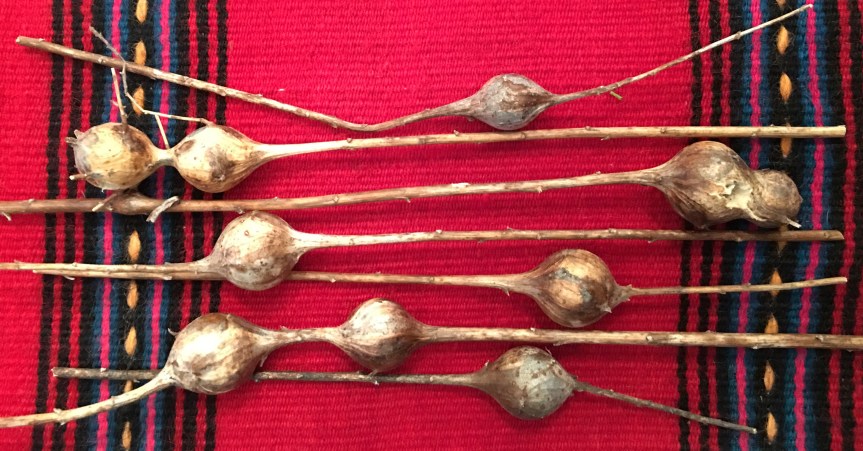
Witchcraft Charms, Talismans & Amulets with Goldenrod Galls

By Slavic Witch

Herb Guide: It’s About Thyme

By Crooked Bear Creek Organics

Crooked Bear Creek Organic Herbs's avatarCrooked Bear Creek Organic Herbs

Thymus vulgaris

Also, Known As:

  • Black Thyme
  • Common Thyme
  • English Thyme
  • French Thyme
  • Garden Thyme
  • German Thyme
  • Serpyllum
  • Thyme
  • Tomillo
  • Winter Thyme

Thyme is a common name given to all the herbs belonging to the plant species called Thymus. The Thymus is indigenous to Europe and Asia and all plants belong to this species are usually low-growing and perennial. Among the different plants of this species, the common or garden thyme is regarded as the main variety and is used commercially for flowering as well as decorative purposes. The garden thyme is a small shrub bearing greyish-green leaves and flowers whose hues vary from white to pink or purple. Several countries in Europe, including Spain, Portugal, France, and Greece, as well as the United States, cultivate and harvest the thyme. Basically, there are three major types of thyme – French, English, and German, and each of them bears leaves of…

View original post 3,610 more words

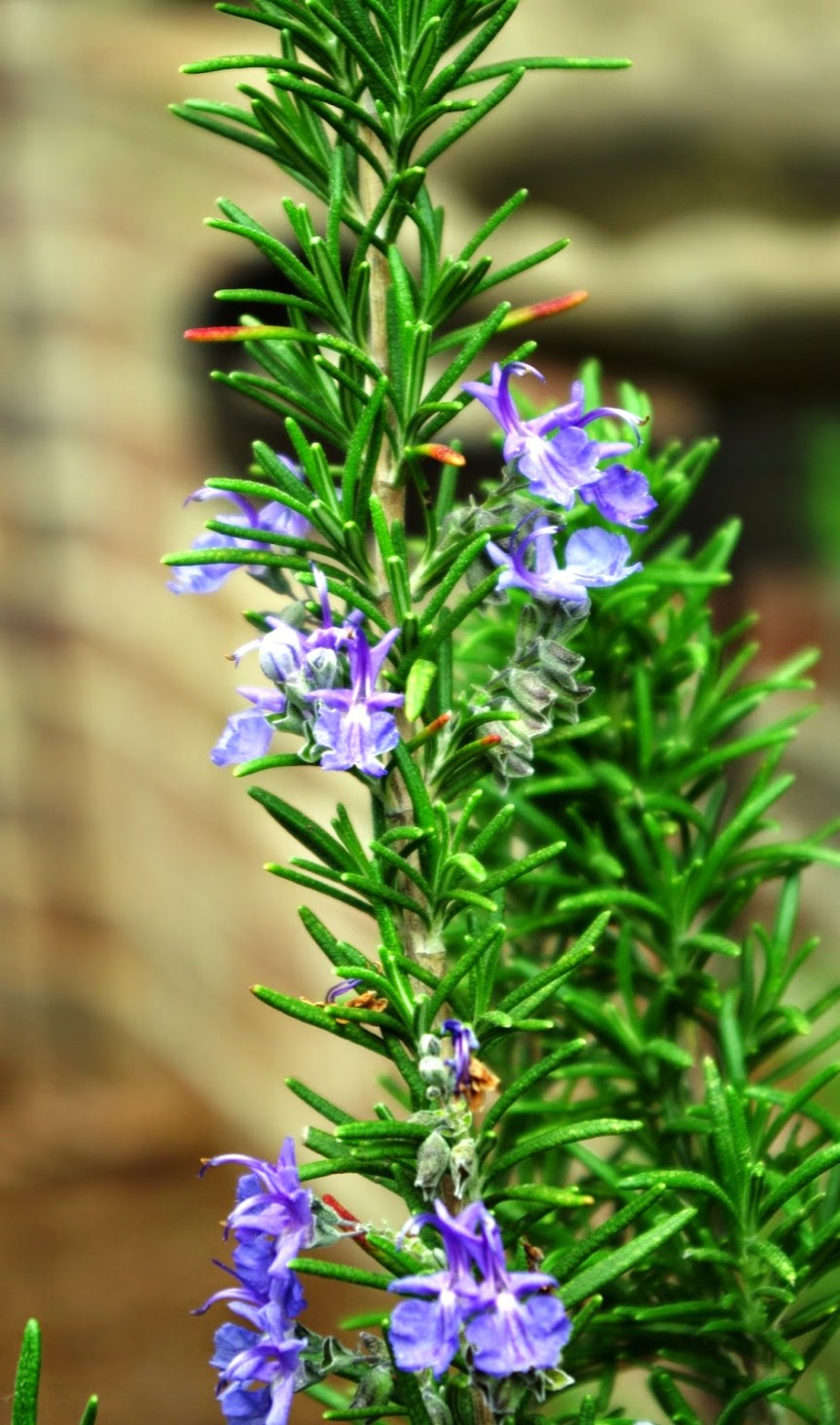
Herb Guide: Growing and Using Rosemary

By Crooked Bear Creek Organics

Crooked Bear Creek Organic Herbs's avatarCrooked Bear Creek Organic Herbs

Rosmarinus officinalis

Also, Known As:

  • Compass Weed
  • Dew of the Sea
  • Garden Rosemary
  • Incensier
  • Mary’s Mantle
  • Mi-tieh-hsiang
  • Old Man
  • Polar Plant
  • Rosemary
  • Rosemary Plant

Rosmarinus officinalis L. (family Lamiaceae), is also known as rosemary. This herb is an evergreen shrub, with lovely aromatic linear leaves. Colored a dark shade of green above and white below, the leaves of the rosemary give off a beautiful fragrance, and with its small pale blue flowers, the plant is cultivated extensively in many kitchen gardens across America and elsewhere.

The evergreen shrub originated in the Mediterranean area, but it is today cultivated almost everywhere in the world, primarily for its aromatic leaves. The shrub has several ash colored branches, and the bark is rather scaly. The leaves, as described earlier, are opposite and leathery thick. They are lustrous and dark green above and downy white underneath, with a prominent vein in the middle and…

View original post 3,130 more words

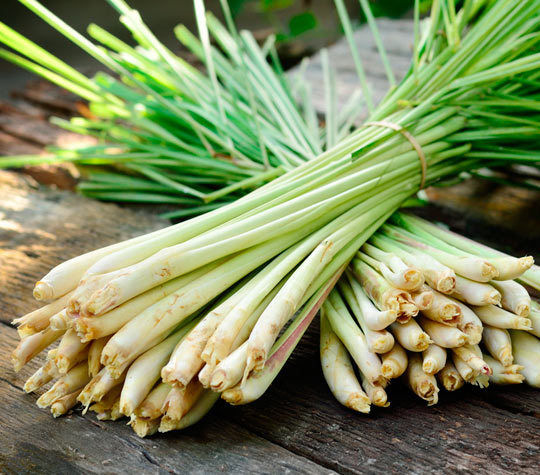
Growing Lemongrass

By Crooked Bear Creek Organics

Crooked Bear Creek Organic Herbs's avatarCrooked Bear Creek Organic Herbs

Also known as Fever grass, Bhustrina, and Takrai. From the family Poaceae.

This important culinary and medicinal herb, which can be found throughout the tropics, is indigenous to Southeast Asia where it is used extensively to produce an essential oil. It is also a snake repellent and a versatile garden plant. There are records showing that the Persians were using it as a tea in the first century B.C. I have been lucky enough to see it growing and flowering naturally in the Caribbean {Jamaica} where they primarily use it for reducing fevers.

VARIETIES:

Cymbopogon citratus: Lemon Grass

A half-hardy perennial, evergreen in warm climates. Height 4 1/2 ft. Spread 3 feet. Lax panicles of awnless spikelets appear throughout the summer. However, it rarely flowers in cold climates. Lemon-scented linear, grey/green leaves up to 3 feet in length. Robust creamy/beige cane-like stems. Zone 9.

Cymbopogon nardus: Citronella Grass

A…

View original post 765 more words

Our Herb Garden Guide for Desert Dwellers

By Crooked Bear Creek Organics

Crooked Bear Creek Organic Herbs's avatarCrooked Bear Creek Organic Herbs

HERB GARDEN

Herbs have been used for generations for many purposes from medicinal remedies to perfumes and culinary uses. Herbs also provide beauty and variety to our desert landscapes. We invite you to use this guide to learn about the variety of herbs that grow well in our Sonoran Desert and how you can create your own herb garden at home.

OVERVIEW
The Herb Garden is designed with seven themed gardens. This guide has information about each area with plant recommendations and growing tips about herbs you can grow in your low desert garden.

THEMES
Sensory Garden Wildlife Garden Tea Garden Mediterranean Garden Picante Garden Culinary Garden Medicinal Garden

DEFINITION: herb: a plant that is useful in some way

MEDITERRANEAN GARDEN

Many herbs that thrive in our harsh desert environment are of Mediterranean origin. Soil types, low rainfall and over 300 sunny days a year allow these familiar herbs…

View original post 2,014 more words

Wild Food Profile: Eat Your Hostas!

Often, when you are interested in unusual and wild foods, a season for a delectable treat may only last for a few short days or weeks. A fun early spring food that is usually popping up around or before Beltane in temperate parts of North America is the hosta. Yes, you heard me–that large leafy […]

via Wild Food Profile: Eat Your Hostas! — The Druid’s Garden